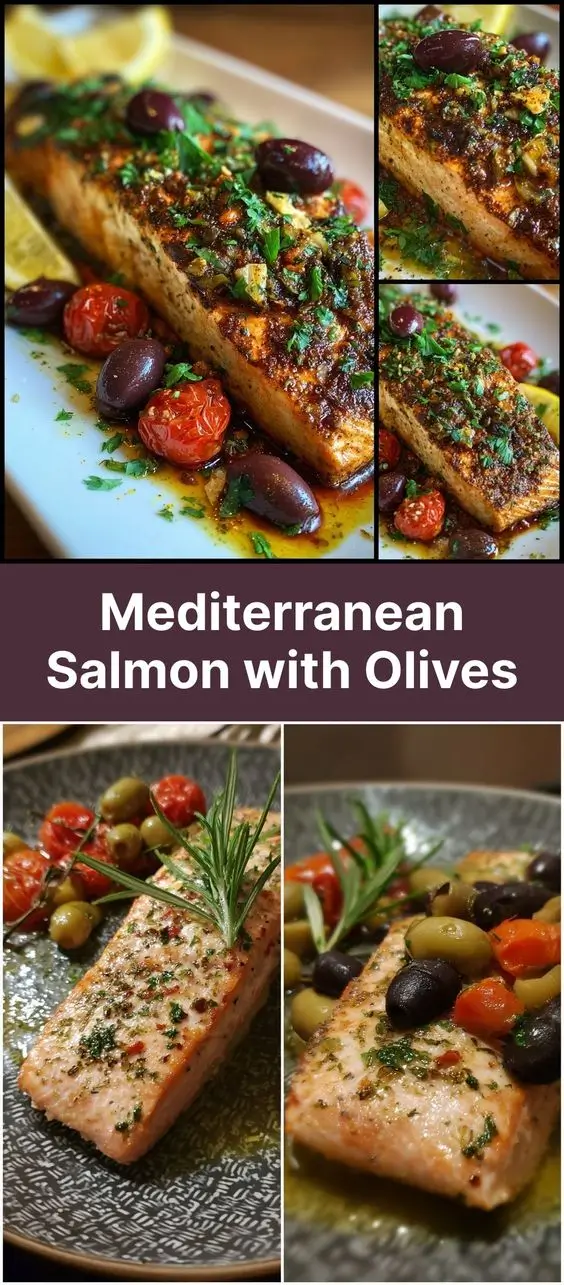
Mediterranean Salmon with Olives: A Flavorful Journey from Sea to Table
The Mediterranean diet has long been celebrated not only for its rich flavors but also for its numerous health benefits. At the heart of this culinary tradition lies a harmonious blend of fresh seafood, vibrant vegetables, aromatic herbs, and heart-healthy fats. Among the standout dishes that encapsulate the essence of this region is Mediterranean Salmon with Olives — a dish that marries the succulent richness of salmon with the briny depth of olives, bright citrus notes, and a medley of garden-fresh ingredients.
The History: Tracing the Roots of a Culinary Classic
The origins of Mediterranean cuisine can be traced back thousands of years, shaped by civilizations along the shores of the Mediterranean Sea — including the Greeks, Romans, Phoenicians, Ottomans, and North Africans. Coastal communities have always relied heavily on seafood as a primary protein source, and salmon — while more commonly associated with Northern European and Scandinavian diets — found its way into Mediterranean cooking through trade routes and cultural exchanges, especially in regions like Southern France and coastal Italy.
Olives, one of the oldest cultivated crops in human history, have been grown around the Mediterranean since at least 3000 BCE. The olive tree symbolizes peace, wisdom, and prosperity in many cultures. Combined with fish, olives were a staple in ancient Greek and Roman diets, often prepared with garlic, lemon, and herbs. Over centuries, these simple ingredients evolved into sophisticated yet rustic recipes that are still cherished today.
Mediterranean Salmon with Olives is a modern interpretation of these timeless traditions — a fusion of ancestral wisdom and contemporary taste preferences, now embraced worldwide for its balance of flavor and nutrition.
Ingredients Breakdown: What Makes This Dish Shine?
The magic of this dish lies in the synergy between high-quality ingredients, each contributing a unique layer of taste, texture, and nourishment:
- Salmon Fillets: Rich in omega-3 fatty acids, protein, and vitamin D, wild-caught or sustainably farmed salmon provides a buttery base that absorbs the bold Mediterranean flavors beautifully.
- Kalamata Olives: These dark, tangy Greek olives add a salty, fruity complexity. Their deep purple hue enhances the visual appeal of the dish.
- Lemon: Fresh lemon juice and zest bring brightness and acidity, cutting through the richness of the salmon and enhancing all other flavors.
- Garlic: Minced garlic offers pungency and depth, forming the aromatic foundation of the sauce.
- Cherry Tomatoes: Halved tomatoes burst with sweetness and juiciness when cooked, releasing natural sugars that caramelize slightly during baking.
- Extra Virgin Olive Oil: A cornerstone of the Mediterranean diet, EVOO adds silkiness and polyphenols, contributing both flavor and anti-inflammatory properties.
- Red Onion or Shallots: Finely chopped for mild heat and subtle sweetness, they soften during cooking and blend seamlessly into the sauce.
- Dry White Wine (optional): Adds complexity and helps deglaze the pan, creating a light, flavorful sauce.
- Fresh Herbs: Typically oregano, thyme, and parsley — these herbs lend earthiness, fragrance, and freshness.
- Capars (optional): For an extra briny kick, capers complement the olives perfectly.
- Sea Salt & Black Pepper: To enhance and balance the overall flavor profile.
Step-by-Step Recipe: How to Make Mediterranean Salmon with Olives
Ingredients (Serves 4)
- 4 salmon fillets (6 oz each), skin-on or skinless
- 1 cup Kalamata olives, pitted and halved
- 1 pint cherry tomatoes, halved
- 1 small red onion, thinly sliced
- 4 cloves garlic, minced
- Zest and juice of 1 large lemon
- 1/3 cup extra virgin olive oil
- 1/4 cup dry white wine (such as Sauvignon Blanc or Pinot Grigio)
- 1 tsp dried oregano
- 1/2 tsp dried thyme (or 1 sprig fresh thyme)
- 2 tbsp fresh parsley, chopped
- 1 tbsp capers, drained (optional)
- Sea salt and freshly ground black pepper, to taste
Directions
- Preheat the Oven: Set your oven to 375°F (190°C). Line a large baking dish or sheet pan with parchment paper for easy cleanup.
- Prepare the Aromatics: In a large bowl, combine the cherry tomatoes, red onion, garlic, half of the olive oil, lemon juice, white wine, oregano, thyme, salt, and pepper. Toss gently to coat evenly.
- Arrange the Base: Spread the tomato-onion mixture in the bottom of the baking dish. This will act as both a cooking bed and a sauce base.
- Season the Salmon: Pat the salmon fillets dry with a paper towel. Drizzle the remaining olive oil over the fillets and season both sides with salt, pepper, and lemon zest.
- Layer the Salmon: Place the salmon fillets on top of the vegetable mixture, skin-side down if using skin-on fillets.
- Add Olives and Capers: Scatter the Kalamata olives and capers over and around the salmon.
- Bake Until Perfect: Transfer the dish to the preheated oven and bake for 18–22 minutes, depending on the thickness of the fillets. The salmon is done when it flakes easily with a fork and reaches an internal temperature of 145°F (63°C).
- Finish with Freshness: Remove from the oven and let rest for 3–5 minutes. Sprinkle generously with fresh chopped parsley before serving.
- Serve Warm: Serve directly from the baking dish, spooning the warm tomato-olive relish over each fillet.
Tips for the Best Results
- Choose High-Quality Salmon: Look for vibrant pink-orange flesh with firm texture. Wild-caught Alaskan or Sockeye salmon is ideal for richer flavor and higher omega-3 content.
- Don’t Overcook: Salmon continues to cook slightly after removal from the oven. Pull it out just before it’s fully done to avoid dryness.
- Use Parchment Paper: Prevents sticking and makes cleanup effortless. Alternatively, use a well-seasoned cast iron skillet or ceramic dish.
- Baste Midway: For extra moisture and flavor infusion, baste the salmon halfway through cooking with the pan juices.
- Enhance with Lemon Slices: Place thin lemon slices on top of the salmon before baking for added aroma and presentation.
- Let It Rest: Allowing the salmon to rest ensures juices redistribute, resulting in a more tender bite.
- Double the Sauce: If you plan to serve over grains like quinoa or couscous, increase the vegetable and liquid components slightly to create more sauce.
Variations and Customizations
This recipe is highly adaptable — feel free to tailor it to your dietary needs, seasonal availability, or personal preferences:
- Vegan Option: Replace salmon with thick slabs of roasted eggplant or cauliflower steaks. Marinate in olive oil, lemon, and herbs before roasting with the same topping.
- Gluten-Free: Naturally gluten-free, making it perfect for those avoiding gluten. Just ensure any added broth or wine is certified GF if needed.
- Low-Sodium Version: Use low-sodium olives, reduce added salt, and rinse olives and capers under water to remove excess brine.
- Spicy Kick: Add a pinch of red pepper flakes or a diced jalapeño to the tomato mixture for heat.
- Different Fish: Try with sea bass, halibut, or cod. Adjust cooking time accordingly, as white fish cooks faster than salmon.
- Herb Variations: Substitute oregano with rosemary or marjoram, or use fresh dill for a Greek-inspired twist.
- Add Greens: Stir in a handful of baby spinach or arugula right after baking for added nutrients and color.
- Citrus Swap: Use orange instead of lemon for a sweeter, milder citrus note — pairs beautifully with olives.
- Grilled Version: Cook on a grill using a fish basket or foil packet for a smoky summer variation.
- Pantry-Friendly: No fresh tomatoes? Use 1 can (14.5 oz) diced tomatoes, drained slightly. No wine? Substitute with chicken or vegetable broth.
Health Considerations and Nutritional Value
Mediterranean Salmon with Olives isn’t just delicious — it’s a powerhouse of nutrition aligned with some of the world’s most recommended dietary patterns.
Nutritional Highlights (Per Serving – Approximate)
| Nutrient | Amount |
|---|---|
| Calories | 420 kcal |
| Protein | 34g |
| Total Fat | 28g |
| Saturated Fat | 5g |
| Monounsaturated Fat | 17g (from olive oil and olives) |
| Omega-3 Fatty Acids (EPA + DHA) | 2.2g |
| Carbohydrates | 8g |
| Dietary Fiber | 3g |
| Sugar | 5g (naturally occurring) |
| Sodium | 580mg (varies based on olives and seasoning) |
| Vitamin D | 30% DV |
| Vitamin C | 35% DV |
| Vitamin E | 25% DV |
| Iron | 12% DV |
| Potassium | 18% DV |
Key Health Benefits
- Heart Health: Omega-3 fatty acids in salmon reduce inflammation, lower triglycerides, and support cardiovascular function. Monounsaturated fats from olive oil improve cholesterol levels.
- Brain Support: DHA, a type of omega-3, is essential for cognitive development and may help prevent age-related mental decline.
- Antioxidant-Rich: Lycopene from tomatoes, polyphenols from olives and olive oil, and vitamin C from lemon all combat oxidative stress.
- Anti-Inflammatory Properties: The combination of herbs, garlic, and healthy fats contributes to reduced chronic inflammation, linked to conditions like arthritis and diabetes.
- Weight Management: High protein and healthy fat content promote satiety, helping control appetite and reduce snacking.
- Bone Health: Salmon provides vitamin D and phosphorus, crucial for calcium absorption and strong bones.
- Gut-Friendly: Fiber from tomatoes and onions supports digestive health and feeds beneficial gut bacteria.
Note: Individuals with hypertension should monitor sodium intake due to olives and capers; rinsing them thoroughly can reduce sodium by up to 30%. Those on blood thinners should consult their doctor about high vitamin K sources, though this recipe contains minimal amounts.
FAQ: Frequently Asked Questions
Can I use frozen salmon?
Yes, but thaw it completely in the refrigerator overnight before cooking. Pat dry before seasoning to ensure proper searing and texture.
Is it safe to eat undercooked salmon?
For this baked method, aim for medium doneness (slightly translucent center) only if using sushi-grade salmon. Otherwise, cook until opaque throughout to minimize foodborne illness risk.
How do I store leftovers?
Store cooled leftovers in an airtight container in the refrigerator for up to 3 days. Reheat gently in the oven or microwave to preserve moisture.
Can I freeze this dish?
While possible, freezing may alter the texture of cooked salmon and tomatoes. It’s best enjoyed fresh or refrigerated short-term.
What sides go well with this dish?
Excellent pairings include:
- Quinoa, brown rice, or farro
- Orzo pasta tossed with herbs
- Grilled asparagus or zucchini
- Mixed greens salad with lemon vinaigrette
- Crusty whole-grain bread for soaking up juices
Are green olives okay to use instead of Kalamata?
Yes! Green olives like Castelvetrano offer a milder, buttery flavor. Mix both types for a more complex taste profile.
Can I make this ahead of time?
You can prep the tomato-olive mixture up to a day in advance and store it in the fridge. Assemble and bake the salmon just before serving for optimal freshness.
Why is my sauce watery?
Tomatoes release a lot of liquid. To thicken the sauce, increase oven temperature for the last 5 minutes or transfer juices to a small saucepan and simmer briefly to reduce.
Summary
Mediterranean Salmon with Olives is a vibrant, nutrient-dense dish that brings together the ocean’s bounty and the sun-kissed flavors of the Mediterranean coast. With its rich omega-3 content, antioxidant-packed ingredients, and bold yet balanced taste, it’s a meal that satisfies both palate and well-being.