Veggie Packed Baked Fried Rice: A Flavorful, Nutrient-Rich Comfort Dish
Introduction
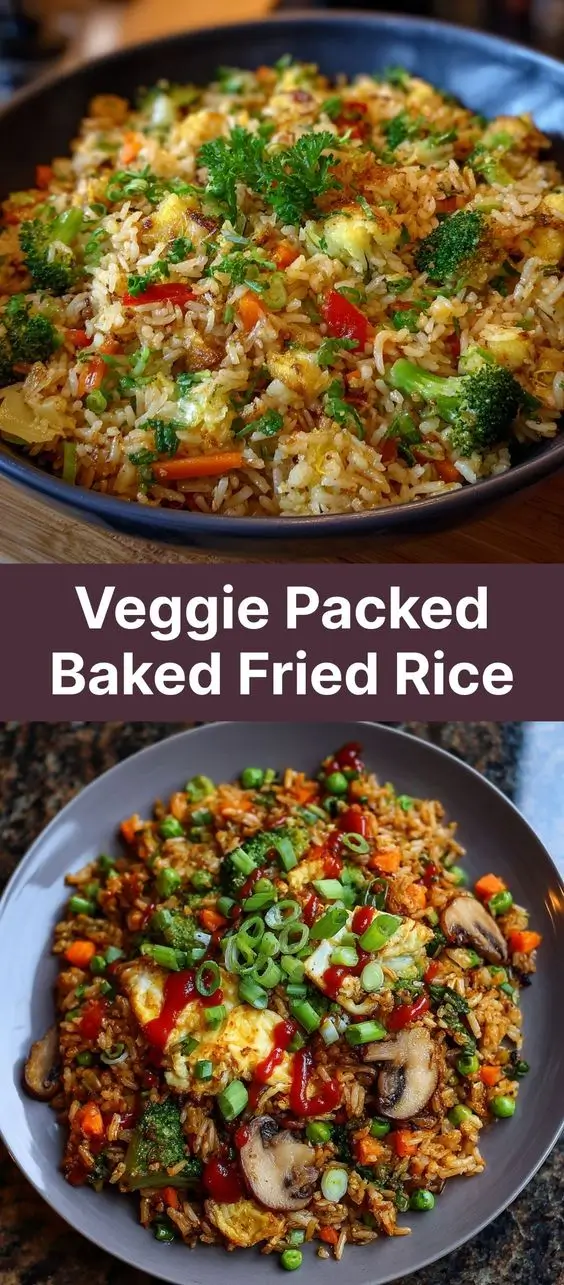
If you’re searching for a hearty, wholesome, and visually vibrant dish that satisfies both your taste buds and nutritional needs, look no further than Veggie Packed Baked Fried Rice. This innovative twist on traditional fried rice takes the bold flavors of stir-fried goodness and transforms them into a comforting casserole-style bake. Perfect for weeknight dinners, potlucks, or meal prepping, this dish combines the convenience of one-pan cooking with the rich umami taste of classic fried rice — all while being loaded with colorful vegetables to boost fiber, vitamins, and antioxidants. Whether you’re feeding a family, trying to sneak in more veggies, or simply craving something warm and satisfying without the greasiness of takeout, this baked version delivers it all.
The History
Fried rice is a culinary staple with roots tracing back over 1,500 years to Sui Dynasty China (589–618 AD), where leftover rice was repurposed to prevent waste. The technique spread across Asia, evolving with regional ingredients and tastes — from Japanese chāhan to Thai khao pad. Traditional fried rice relies on high-heat wok cooking, quick tossing, and minimal moisture to achieve that signature smoky “wok hei” flavor. However, as global kitchens adapted these recipes for different appliances and lifestyles, oven-baked versions began to emerge, especially in Western homes where stovetop mastery wasn’t always feasible. Baked fried rice became popular among home cooks seeking a hands-off method that still delivered deep, complex flavors. Our Veggie Packed Baked Fried Rice honors this evolution by combining time-tested Asian-inspired seasonings with modern baking techniques and a celebration of plant-based nutrition. It’s a fusion of tradition, convenience, and health-conscious innovation.
Ingredients Breakdown
Every ingredient in this recipe plays a crucial role — from providing texture and color to enhancing flavor and boosting nutrition. Here’s a detailed breakdown:
- Cooked and Chilled Jasmine Rice (3 cups): Using day-old rice is key. Cold rice has less moisture, which prevents mushiness and helps each grain stay distinct during baking — mimicking the texture of authentic fried rice.
- Olive Oil (2 tbsp): Adds richness and aids in browning. You can substitute with sesame oil for a deeper Asian aroma, though use sparingly due to its strong flavor.
- Onion (1 medium, diced): Provides a sweet, aromatic base. Yellow onions work best, but red or white onions are suitable alternatives.
- Garlic (4 cloves, minced): Delivers pungent depth. Fresh garlic is essential; avoid pre-minced versions for optimal taste.
- Carrots (1 cup, finely diced): Add natural sweetness, crunch, and a vibrant orange hue. They’re rich in beta-carotene, which converts to vitamin A in the body.
- Green Bell Pepper (1, diced): Contributes freshness and a mild pepper flavor. Swap with red or yellow peppers for added sweetness and visual appeal.
- Frozen Peas (1 cup, thawed): A classic fried rice ingredient. Packed with protein, fiber, and vitamin K, peas add pop and tenderness.
- Corn Kernels (1 cup, fresh or frozen): Brings a juicy sweetness and golden color. Canned corn works too — just drain well.
- Broccoli Florets (1 cup, small pieces): Boosts fiber, vitamin C, and phytonutrients. Blanching before baking ensures tenderness without overcooking.
- Soy Sauce (½ cup low-sodium): The backbone of savory flavor. Use tamari for a gluten-free option or coconut aminos for a soy-free, slightly sweeter alternative.
- Vegetable Broth (½ cup): Keeps the dish moist during baking and enhances overall savoriness without adding fat.
- Sesame Oil (1 tsp): Drizzled at the end for an authentic nutty aroma. Do not bake with large amounts — it’s best used as a finishing oil.
- Scallions (¼ cup, sliced): Used both during cooking and as garnish for a fresh oniony bite.
- Eggs (3 large, optional): Adds protein and richness. Scramble them lightly before mixing in, or omit for a vegan version.
- Spices & Seasonings: Black pepper, crushed red pepper flakes (optional), and a pinch of sugar help balance saltiness and enhance complexity.
- Optional Add-ins: Mushrooms, zucchini, baby spinach, water chestnuts, or bean sprouts can be incorporated for even more texture and nutrients.
Step-by-Step Recipe
- Prep the Rice: Use cooked jasmine or basmati rice that has been refrigerated overnight. Fluff it with a fork to separate clumps. This step is critical for avoiding a soggy bake.
- Preheat Oven: Set your oven to 375°F (190°C). Lightly grease a 9×13-inch baking dish with olive oil or non-stick spray.
- Sauté Aromatics: In a large skillet over medium heat, warm 2 tablespoons of olive oil. Add diced onions and sauté for 3–4 minutes until translucent. Stir in minced garlic and cook for another 30 seconds until fragrant.
- Add Vegetables: Increase heat to medium-high. Add carrots, bell pepper, broccoli, and scallion whites. Stir-fry for 5–6 minutes until vegetables are tender-crisp. If using frozen peas and corn, add them now and cook for 2 more minutes to heat through.
- Incorporate Eggs (Optional): Push the veggie mixture to one side. Crack eggs into the empty space and scramble gently until fully cooked. Then mix into the vegetables.
- Season the Mix: Reduce heat to low. Add the chilled rice to the skillet. Pour in ½ cup low-sodium soy sauce, ½ cup vegetable broth, black pepper, red pepper flakes (if using), and a pinch of sugar. Gently fold everything together until evenly combined and heated through — about 4–5 minutes. Avoid vigorous stirring to keep rice grains intact.
- Transfer to Baking Dish: Spread the fried rice mixture evenly into the prepared baking dish. For extra flavor and moisture retention, drizzle 1 tablespoon of vegetable broth or water on top.
- Bake: Cover the dish tightly with aluminum foil. Bake for 20 minutes. Then remove the foil and bake for an additional 10–15 minutes to allow the top layer to crisp slightly.
- Finish with Sesame Oil: Once out of the oven, drizzle 1 teaspoon of toasted sesame oil over the top. Sprinkle with sliced scallion greens for freshness and color.
- Rest and Serve: Let the baked rice sit for 5 minutes before serving. This allows flavors to meld and makes scooping easier.
Tips
- Use Cold Rice: Never skip this step. Warm rice releases steam during baking, leading to a mushy texture. Refrigerated rice dries out slightly, ensuring better separation.
- Don’t Overmix: When combining rice and veggies, fold gently. Over-stirring breaks down rice grains and creates a dense final product.
- Control Moisture: If your vegetables release a lot of water (like zucchini or mushrooms), sauté them first and drain excess liquid before adding to the rice.
- Boost Umami: Add a splash of hoisin sauce, oyster sauce (vegetarian version available), or a teaspoon of miso paste to deepen flavor complexity.
- Crispy Top Hack: For a golden crust, broil for 2–3 minutes at the end — watch closely to avoid burning.
- Uniform Cutting: Dice all vegetables to similar sizes so they cook evenly and distribute throughout the dish consistently.
- Double Batch Friendly: This recipe scales well. Make two trays and freeze one for later — reheat covered with foil at 350°F for 25–30 minutes.
- Layering Option: For a deconstructed effect, layer half the rice, then all the veggie mix, then remaining rice — like a rice lasagna — before baking.
Variations and Customizations
This recipe is highly adaptable based on dietary preferences, seasonal produce, and pantry availability:
- Vegan Version: Skip the eggs or replace with crumbled firm tofu or tempeh bacon. Ensure soy sauce is vegan-friendly (no fish derivatives).
- Gluten-Free: Use tamari or coconut aminos instead of soy sauce. Confirm all other sauces are certified GF.
- Protein-Packed: Add diced tofu, edamame, chickpeas, seitan, or shredded rotisserie chicken for extra protein.
- Keto/Low-Carb Option: Replace rice with riced cauliflower. Reduce starchy vegetables like carrots and corn. Increase leafy greens and mushrooms.
- Spicy Kick: Stir in sriracha, chili garlic sauce, or diced jalapeños. Top with sliced fresh chilies before serving.
- Thai-Inspired: Swap soy sauce for Thai red curry paste mixed with coconut milk and fish sauce (or veg alternative). Garnish with cilantro and lime wedges.
- Mediterranean Twist: Use brown rice, add sun-dried tomatoes, artichoke hearts, olives, and feta cheese. Season with oregano and lemon zest.
- Indian Fusion: Cook rice with turmeric and cumin. Add peas, potatoes, cashews, and garam masala. Top with mango chutney.
- Breakfast Bake: Include hash browns, diced ham, and scrambled eggs. Serve with hot sauce and avocado slices.
- Seafood Lover’s: Fold in flaked salmon, shrimp, or imitation crab meat after baking to preserve texture.
Health Considerations and Nutritional Value
Veggie Packed Baked Fried Rice is not only delicious but also a nutritionally balanced meal when prepared thoughtfully. Here’s what makes it a smart choice:
- High in Fiber: With multiple vegetables and whole grain options (like brown rice), this dish supports digestive health and promotes satiety.
- Rich in Vitamins & Minerals: Carrots supply vitamin A; broccoli offers vitamin C and K; peas provide folate and iron; bell peppers deliver antioxidants like lycopene and quercetin.
- Lower Sodium Option: Using low-sodium soy sauce and controlling added salt helps manage blood pressure. You can also dilute soy sauce with water or broth.
- Heart-Healthy Fats: Olive oil contributes monounsaturated fats, while sesame oil contains sesamol — a compound linked to anti-inflammatory benefits.
- Plant-Based Power: Easily made vegan, this dish aligns with plant-forward diets associated with reduced risk of chronic diseases like heart disease and type 2 diabetes.
- Balanced Macronutrients: When including eggs or plant proteins, the dish provides a good balance of carbs, protein, and healthy fats — ideal for sustained energy.
- Glycemic Control: Choosing brown rice or cauliflower rice lowers the glycemic index, making it suitable for diabetics or those managing insulin levels.
- Allergen Awareness: Soy and gluten are common allergens. Always label accordingly if serving guests. Offer substitutions when possible.
Nutritional Estimate (per serving, serves 6):
| Nutrient | Amount |
|---|---|
| Calories | ~320 kcal |
| Total Fat | 8g |
| Saturated Fat | 1.5g |
| Cholesterol | 75mg (with eggs) |
| Sodium | 600–800mg (varies with soy sauce) |
| Total Carbohydrates | 52g |
| Dietary Fiber | 6g |
| Sugars | 7g (natural from vegetables) |
| Protein | 12g |
| Vitamin A | 120% DV |
| Vitamin C | 90% DV |
| Iron | 18% DV |
| Calcium | 6% DV |
Ingredients
- 3 cups cooked and chilled jasmine rice (preferably day-old)
- 2 tbsp olive oil
- 1 medium onion, diced
- 4 cloves garlic, minced
- 1 cup carrots, finely diced
- 1 green bell pepper, diced
- 1 cup frozen peas, thawed
- 1 cup corn kernels (frozen, canned, or fresh)
- 1 cup broccoli florets, cut small
- ½ cup low-sodium soy sauce (or tamari/coconut aminos)
- ½ cup vegetable broth
- 3 large eggs, beaten (optional)
- ¼ cup scallions, sliced (separate whites and greens)
- 1 tsp toasted sesame oil
- ½ tsp black pepper
- ¼ tsp red pepper flakes (optional)
- Pinch of sugar (optional, to balance saltiness)
Directions
- Preheat oven to 375°F (190°C). Grease a 9×13-inch baking dish with oil.
- In a large skillet, heat olive oil over medium heat. Add onions and sauté until soft (3–4 minutes).
- Add garlic and cook for 30 seconds until fragrant.
- Stir in carrots, bell pepper, broccoli, and scallion whites. Cook 5–6 minutes until vegetables are tender-crisp.
- If using, push veggies aside, add beaten eggs, and scramble until cooked. Mix into vegetables.
- Add peas and corn; cook 2 minutes to warm through.
- Reduce heat to low. Add chilled rice, soy sauce, vegetable broth, black pepper, red pepper flakes, and sugar. Gently stir to combine. Heat through for 4–5 minutes.
- Transfer mixture to the prepared baking dish. Smooth the top.
- Pour 1 tbsp extra broth over the top if needed to prevent dryness.
- Cover with foil and bake for 20 minutes.
- Remove foil and bake 10–15 minutes more until edges are lightly crisped.
- Drizzle with sesame oil and sprinkle with scallion greens.
- Let rest 5 minutes before serving.
FAQ
Can I use freshly cooked rice?
While possible, it’s not recommended. Fresh rice contains more moisture and tends to become mushy when baked. For best results, use refrigerated rice that has dried slightly overnight.
How do I store leftovers?
Cool completely and store in an airtight container in the refrigerator for up to 4 days. Reheat in the microwave with a splash of water or broth to restore moisture.
Can I freeze baked fried rice?
Yes! Freeze individual portions in freezer-safe containers for up to 3 months. Thaw overnight in the fridge and reheat in the oven or microwave.
Why did my baked rice turn out dry?
This may happen if too much liquid evaporated. Next time, increase broth by ¼ cup or cover tightly during baking. Adding an extra egg or bit of oil can also improve moisture.
Is this recipe gluten-free?
Only if you use a gluten-free soy sauce alternative like tamari or coconut aminos. Regular soy sauce contains wheat.
Can I make it without eggs?
Absolutely. Omit them or substitute with scrambled tofu, mashed beans, or extra vegetables for a vegan version.
What kind of rice works best?
Jasmine or long-grain white rice gives the most authentic texture. Brown rice can be used but may require longer baking and more liquid.
Can I add meat?
Yes! Diced ham, shredded chicken, pork, or beef can be added during the sauté phase. Pre-cook any raw meats before mixing in.
Summary
Veggie Packed Baked Fried Rice is a nutritious, flavorful, and versatile dish that brings the beloved taste of fried rice into a convenient, oven-baked format — perfect for busy households and health-conscious eaters alike.
Packed with colorful vegetables, customizable proteins, and aromatic seasonings, this one-pan wonder delivers comfort, convenience, and wellness in every bite.