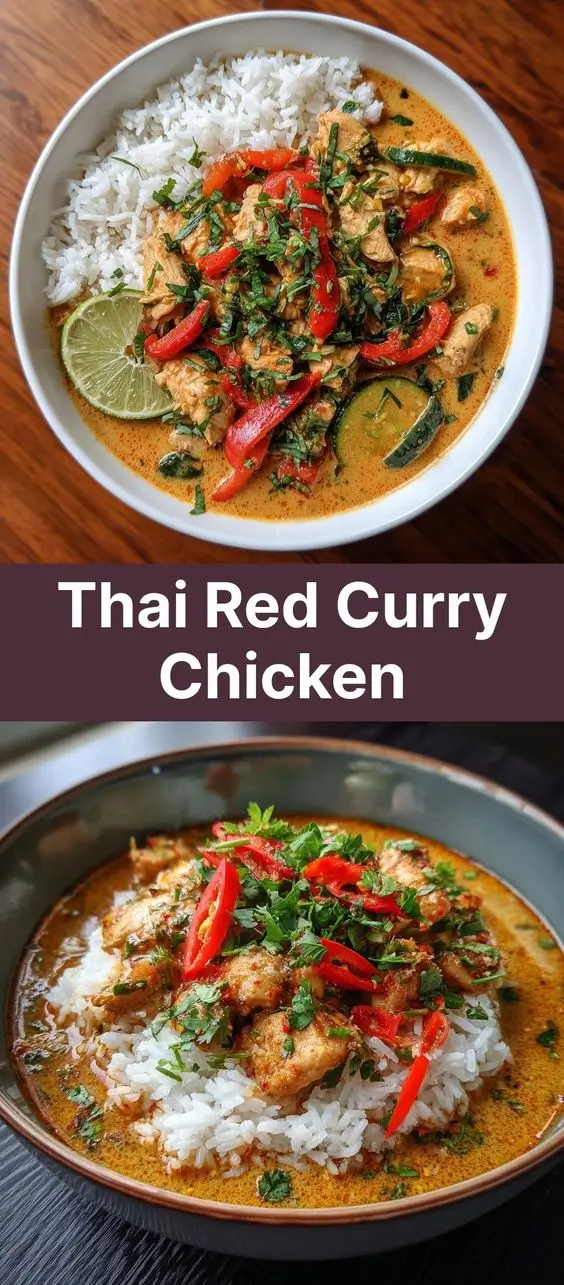
Thai Red Curry Chicken: A Flavorful Journey Through Spices, Tradition, and Comfort
The History of Thai Red Curry Chicken
Thai Red Curry Chicken, known in Thailand as Kaeng Phet Gai, is a beloved dish that traces its roots back centuries into the rich culinary traditions of Southeast Asia. While curry as a concept originated in India, it was adapted uniquely in Thailand through centuries of cultural exchange, trade, and royal influence. The introduction of chili peppers by Portuguese traders in the 16th century revolutionized Thai cuisine, paving the way for fiery curries like red curry. Unlike Indian curries, which often rely on a base of tomatoes, onions, and yogurt, Thai curries emphasize aromatic pastes made from fresh herbs, spices, and chilies, combined with coconut milk to create a balanced, creamy broth.
Red curry gets its name and vibrant hue from the large quantity of red chilies used in the curry paste. Historically, this dish was prepared in royal kitchens and later became a staple in households across Thailand, particularly in the central regions. It evolved as a harmonious blend of spicy, sweet, salty, and sour flavors—a hallmark of authentic Thai cooking. Today, Thai Red Curry Chicken is enjoyed not only throughout Thailand but also globally, celebrated for its bold taste, fragrant aroma, and comforting warmth. Its popularity has soared in Western countries, where it’s often featured on restaurant menus and recreated in home kitchens seeking an exotic yet accessible taste of Thai culture.
Ingredients Breakdown: What Makes Thai Red Curry Chicken So Special?
The magic of Thai Red Curry Chicken lies in its complex layering of ingredients—each contributing to the symphony of flavor, texture, and aroma. Below is a detailed breakdown of the essential components:
Curry Paste (Homemade or Store-Bought)
- Dried Red Chilies: Provide heat and deep red color. Traditionally, spur chilies or bird’s eye chilies are used, though milder varieties can be substituted.
- Lemongrass: Adds a citrusy, floral note. Only the tender inner part of the stalk is used, finely pounded or grated.
- Galangal: A root similar to ginger but more pungent and citrusy. Essential for authentic flavor; cannot be fully replaced by ginger.
- Kaffir Lime Peel: Offers a unique, perfumed zest that enhances fragrance. Fresh peel is preferred over dried.
- Garlic & Shallots: Build depth and sweetness when sautéed.
- Shrimp Paste: Imparts umami richness and complexity. Vegetarian versions may use soy-based alternatives.
- Cumin & Coriander Seeds: Warm, earthy notes ground fresh for maximum potency.
- White Peppercorns: Milder than black pepper, with a cleaner heat.
Protein and Vegetables
- Chicken (Thighs or Breast): Boneless, skinless thighs are preferred for juiciness and ability to absorb flavor.
- Bell Peppers (Red and Green): Add color, crunch, and mild sweetness.
- Bamboo Shoots: Canned or fresh, they provide a subtle earthiness and contrasting texture.
- Thai Eggplant (Optional): Small round eggplants that hold shape during cooking and soak up sauce beautifully.
Liquids and Seasonings
- Coconut Milk: Full-fat canned coconut milk is ideal. The first thick pour creates creaminess; the thinner portion thins the curry.
- Fish Sauce: Salty, savory seasoning that balances sweetness and spice. Use sparingly to avoid overpowering.
- Palm Sugar (or Brown Sugar): Adds a caramel-like sweetness that rounds out the heat.
- Kaffir Lime Leaves: Torn and added whole—they infuse the curry with intense citrus aroma.
- Thai Basil: Added at the end for a peppery, anise-like finish. Not to be confused with sweet basil.
Step-by-Step Recipe: How to Make Authentic Thai Red Curry Chicken at Home
Follow this detailed guide to create a restaurant-quality Thai Red Curry Chicken in your own kitchen. With patience and attention to detail, you’ll achieve a deeply flavorful, aromatic dish that impresses both novices and connoisseurs alike.
Ingredients
- 2–3 tbsp Thai red curry paste (homemade or high-quality store-bought)
- 1 can (400 ml) coconut milk
- 1 lb (450 g) boneless chicken thighs, sliced into bite-sized pieces
- 1 red bell pepper, sliced
- 1 green bell pepper, sliced
- ½ cup bamboo shoots, drained and rinsed
- 4–6 kaffir lime leaves, torn
- 1–2 tsp palm sugar (adjust to taste)
- 2–3 tbsp fish sauce (to taste)
- ¼ cup Thai basil leaves
- 1–2 red chilies, sliced (optional, for extra heat)
- 1 tbsp vegetable oil
- Cooked jasmine rice, for serving
Directions
- Prepare Ingredients: Slice all vegetables and chicken. Measure out fish sauce, sugar, and have herbs ready. This ensures smooth cooking without delays.
- Heat Coconut Cream: Open the can of coconut milk without shaking. Scoop out the thick cream from the top and place it in a wok or heavy-bottomed pot over medium heat.
- Render the Curry Paste: Add 2 tablespoons of red curry paste to the coconut cream. Stir constantly for 2–3 minutes until the paste becomes fragrant and begins to separate slightly, releasing its oils. This step is crucial—it “blooms” the spices and intensifies flavor.
- Add Chicken: Add the sliced chicken to the wok. Stir-fry for 4–5 minutes until the outside turns opaque and starts browning slightly.
- Incorporate Remaining Coconut Milk: Pour in the rest of the coconut milk (the thinner portion). Stir well to combine with the curry base.
- Add Aromatics and Vegetables: Add torn kaffir lime leaves, bamboo shoots, and bell peppers. Stir gently to avoid breaking the vegetables.
- Simmer the Curry: Bring the mixture to a gentle simmer. Do not boil vigorously—this can cause the coconut milk to split. Let it cook uncovered for 8–10 minutes, or until chicken is fully cooked and vegetables are tender-crisp.
- Season to Perfection: Stir in fish sauce and palm sugar. Taste and adjust—balance is key. You want a harmony of salty, sweet, and spicy. If too spicy, add a bit more sugar or coconut milk. If too thick, add a splash of water or broth.
- Add Final Touches: Just before removing from heat, stir in Thai basil and optional fresh chilies. The residual heat will wilt the basil and release its essential oils.
- Serve Immediately: Ladle the hot curry over steaming jasmine rice. Garnish with extra basil leaves, a wedge of lime, and a sprinkle of red chili if desired.
Pro Tips for Perfect Thai Red Curry Chicken Every Time
- Use Full-Fat Coconut Milk: Light coconut milk lacks richness and may result in a watery curry.
- Don’t Skip the Coconut Cream Bloom: Cooking the paste in the thick cream first unlocks deeper, roasted flavors.
- Control the Heat: Simmer gently—boiling can curdle the coconut milk. If separation occurs, remove from heat and whisk in a few spoonfuls of warm water.
- Taste As You Go: Fish sauce and sugar should complement, not dominate. Adjust gradually.
- Fresh Herbs Are Non-Negotiable: Dried basil or lime leaves won’t deliver the same punch. Seek out Asian markets for authentic ingredients.
- Make Your Own Paste When Possible: Homemade curry paste, while time-consuming, offers unmatched freshness and customization.
- Let It Rest: Curries often taste better the next day as flavors meld. Reheat gently on the stove.
Variations and Customizations: Make It Your Own
One of the greatest strengths of Thai Red Curry Chicken is its adaptability. Whether you’re catering to dietary needs, seasonal produce, or adventurous palates, here are some delicious variations:
Protein Swaps
- Shrimp or Prawns: Add peeled shrimp in the last 3–4 minutes of cooking to prevent overcooking.
- Beef or Pork: Use thinly sliced sirloin or pork shoulder. Marinate briefly in soy sauce and cornstarch for tenderness.
- Tofu (Vegetarian/Vegan): Use firm or fried tofu cubes. Press tofu first to improve texture.
Vegetable Variations
- Broccoli or Green Beans: Add crisp-tender greens for color and nutrition.
- Mushrooms: Shiitake or oyster mushrooms add umami depth.
- Snow Peas or Baby Corn: Classic additions in Thai-Chinese fusion dishes.
- Sweet Potatoes: For a heartier, slightly sweet twist—add early to ensure softness.
Dietary Adaptations
- Gluten-Free: Ensure fish sauce is gluten-free (many brands are, but check labels).
- Vegan: Substitute fish sauce with soy sauce or tamari, and use plant-based protein.
- Low-Sodium: Reduce fish sauce and enhance flavor with lime juice and herbs.
Flavor Twists
- Coconut Cream Enrichment: Stir in a tablespoon of peanut butter for a richer, nuttier profile.
- Lemongrass Infusion: Add a bruised lemongrass stalk while simmering, then remove before serving.
- Spice Level Control: Remove seeds from chilies or reduce paste amount for milder heat.
- Fruity Notes: Add pineapple chunks for a sweet-and-spicy tropical variation.
Health Considerations and Nutritional Value
When prepared mindfully, Thai Red Curry Chicken can be a nutritious and balanced meal. Here’s a breakdown of its health aspects:
Nutritional Highlights
- High-Quality Protein: Chicken provides lean protein essential for muscle repair and satiety.
- Healthy Fats: Coconut milk contains medium-chain triglycerides (MCTs), which are metabolized differently than long-chain fats and may support energy and metabolism.
- Fiber-Rich Vegetables: Bell peppers and bamboo shoots contribute fiber, vitamins A and C, and antioxidants.
- Low Carbohydrate Base: When served with cauliflower rice instead of jasmine rice, it fits low-carb or keto diets.
Potential Concerns
- High Sodium Content: Fish sauce and store-bought curry pastes can be sodium-heavy. Opt for reduced-sodium versions and control portions.
- Saturated Fat: Coconut milk is high in saturated fat. While recent studies suggest MCTs may have neutral or beneficial effects, moderation is advised for those with cardiovascular concerns.
- Spiciness: May trigger acid reflux or digestive discomfort in sensitive individuals. Adjust chili content accordingly.
Ways to Make It Healthier
- Use light coconut milk or dilute full-fat with vegetable broth.
- Increase vegetable-to-protein ratio for more fiber and volume.
- Brown less chicken in oil to reduce added fat.
- Choose homemade curry paste to avoid preservatives and excess salt.
Frequently Asked Questions (FAQ)
Can I make Thai Red Curry Chicken ahead of time?
Yes! In fact, the flavors deepen when refrigerated overnight. Reheat gently on the stove, adding a splash of water or coconut milk if needed.
How long does it keep in the fridge?
Stored in an airtight container, it lasts 3–4 days. Freeze for up to 3 months—though texture of coconut milk may change slightly upon thawing.
What’s the difference between red, green, and yellow curry?
Color comes from the chilies used: red curry uses dried red chilies (moderate heat), green uses fresh green chilies (spicier), and yellow uses turmeric and milder spices (mild and aromatic).
Can I use green curry paste instead?
You can, but it will taste distinctly different—brighter and more herbal. Adjust sugar and fish sauce to balance.
Is Thai red curry spicy?
Traditionally yes, but heat level is adjustable. Start with 1 tablespoon of paste and increase gradually.
Where can I buy kaffir lime leaves and Thai basil?
Asian grocery stores, specialty food markets, or online retailers. Some nurseries sell live plants. Frozen kaffir lime leaves retain good flavor.
Can I make it without fish sauce?
Yes. Substitute with soy sauce, tamari, or a vegan fish sauce alternative. Add a pinch of seaweed for umami depth.
Why did my coconut milk split?
Overheating or rapid boiling causes separation. Always simmer gently. If it splits, remove from heat, whisk in warm liquid, and continue.
Can I use chicken breast instead of thighs?
Absolutely, but breasts dry out faster. Cut evenly, don’t overcook, and consider marinating in cornstarch water for tenderness.
What should I serve with Thai red curry?
Jasmine rice is traditional. Also pairs well with sticky rice, roti, cucumber salad, or a simple green papaya slaw.
Summary
Thai Red Curry Chicken is a vibrant, aromatic dish that embodies the essence of Thai cuisine—bold, balanced, and deeply satisfying. With its creamy coconut base, tender chicken, and layers of spice and herb, it’s comfort food with an exotic flair.
Whether you stick to tradition or customize with your favorite ingredients, this versatile curry promises a memorable meal that warms the soul and delights the palate.