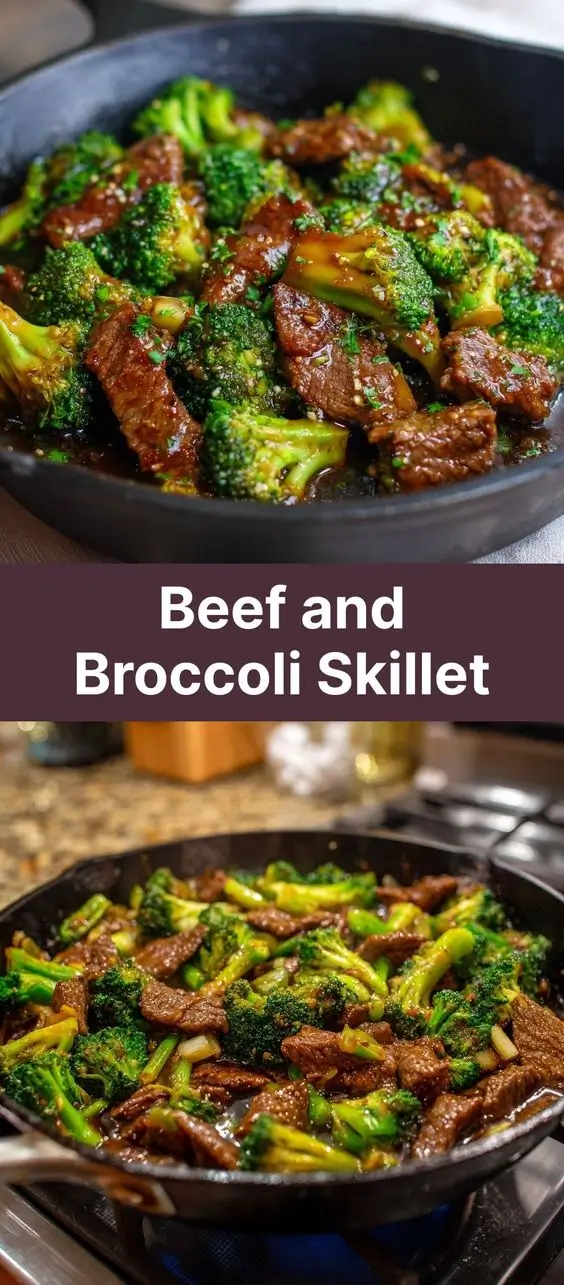
Beef and Broccoli Skillet: A Flavorful, One-Pan Delight
The Beef and Broccoli Skillet is a modern twist on a classic Chinese-American favorite. While traditional takeout versions often rely on deep frying and heavy sauces, this skillet version brings all the savory umami richness into one healthy, quick-cooking dish perfect for weeknight dinners. Originating from Cantonese cuisine—where beef stir-fries with vegetables like broccoli are common—the American adaptation has evolved over decades in home kitchens and Chinese restaurants across the U.S. The beauty of this recipe lies in its simplicity, speed, and bold flavor profile that comes together in under 30 minutes using just one pan.
The History of Beef and Broccoli in American Cuisine
Beef and broccoli as we know it today didn’t originate directly from China but rather emerged from Chinese immigrant communities adapting traditional recipes to American tastes in the mid-20th century. In southern China, especially Guangdong province (Canton), stir-fried beef with greens was already a staple. However, the addition of a thick, glossy sauce made from soy sauce, garlic, ginger, and sometimes oyster sauce became characteristic of the American-Chinese version.
This dish gained widespread popularity during the 1970s and 1980s as Chinese restaurants expanded across North America. It quickly became a go-to option for health-conscious diners seeking something lighter than sweet and sour pork or General Tso’s chicken. Over time, home cooks began recreating it in their own kitchens, leading to countless variations. Today, the Beef and Broccoli Skillet represents a healthier evolution—baked or skillet-seared instead of deep-fried, lower in sodium, and packed with fresh ingredients—all while preserving the rich, satisfying essence of the original.
Ingredients Breakdown: What Makes This Dish Shine
The magic of the Beef and Broccoli Skillet lies in the harmony between high-quality protein, crisp-tender vegetables, and a deeply flavorful sauce. Each ingredient plays a crucial role:
- Flank Steak or Sirloin: These cuts are lean, flavorful, and ideal for quick cooking. Thinly slicing against the grain ensures tenderness even after searing.
- Fresh Broccoli Florets: Chosen for their vibrant color, texture, and nutritional value. They hold up well during cooking without turning mushy.
- Soy Sauce (Low-Sodium Preferred): Provides saltiness and depth. Tamari can be used for a gluten-free alternative.
- Oyster Sauce: Adds sweetness and umami complexity. Vegetarian oyster sauce (mushroom-based) is available for plant-based diets.
- Sesame Oil: Used sparingly at the end for its nutty aroma and rich finish.
- Garlic and Ginger: Freshly minced for maximum pungency and warmth. These aromatics form the backbone of the flavor base.
- Beef Broth or Stock: Enhances moisture and helps build the sauce without excess oil.
- Cornstarch: Acts as a thickening agent to give the sauce a silky cling to the meat and veggies.
- Rice Vinegar or Shaoxing Wine: Adds brightness and balances the richness of the sauce.
- Red Pepper Flakes (Optional): For those who enjoy a touch of heat.
- Green Onions and Sesame Seeds: Garnishes that add freshness and visual appeal.
Optional additions include sliced bell peppers, carrots, mushrooms, or baby corn for extra crunch and color.
Step-by-Step Recipe: How to Make Beef and Broccoli Skillet
Follow these detailed steps to achieve restaurant-quality results right in your kitchen:
- Prepare the Ingredients: Slice 1 pound of flank steak into thin strips against the grain. Cut 4 cups of broccoli into uniform florets. Mince 3 cloves of garlic and 1 tablespoon of fresh ginger.
- Marinate the Beef: In a bowl, combine the beef with 1 tablespoon soy sauce, 1 teaspoon cornstarch, and 1 teaspoon sesame oil. Let sit for 15–20 minutes to tenderize and absorb flavor.
- Make the Sauce: In a separate bowl, whisk together ¼ cup low-sodium soy sauce, 2 tablespoons oyster sauce, 1 tablespoon rice vinegar, ½ cup beef broth, 1 teaspoon sugar (optional), and 1 tablespoon cornstarch. Set aside.
- Blanch the Broccoli (Optional): To ensure perfect texture, blanch broccoli in boiling water for 90 seconds, then plunge into ice water. Drain thoroughly. This step locks in color and speeds up final cooking.
- Heat the Skillet: Place a large cast-iron or stainless steel skillet over medium-high heat. Add 1–2 tablespoons of vegetable oil (or avocado oil for high smoke point).
- Sear the Beef: Working in batches to avoid overcrowding, add beef strips and cook for 1–2 minutes per side until browned but not fully cooked. Remove and set aside.
- Sauté Aromatics: In the same skillet, add another drizzle of oil if needed. Sauté garlic and ginger for 30 seconds until fragrant—do not let them burn.
- Add Broccoli: Toss in the broccoli and stir-fry for 2–3 minutes until bright green and slightly tender.
- Combine Everything: Return the beef to the skillet. Stir the sauce mixture well (to recombine cornstarch) and pour it over the ingredients.
- Simmer and Thicken: Reduce heat to medium and simmer for 3–5 minutes, stirring frequently, until the sauce thickens and coats everything evenly.
- Finish and Serve: Drizzle with ½ teaspoon toasted sesame oil. Taste and adjust seasoning—add more soy sauce for saltiness or a pinch of sugar for balance. Garnish with sliced green onions and sesame seeds.
Serve immediately over steamed jasmine rice, brown rice, quinoa, or cauliflower rice for a low-carb option.
Tips for Perfect Beef and Broccoli Every Time
- Slice Meat Thinly and Against the Grain: This breaks up muscle fibers and prevents chewiness.
- Don’t Skip the Cornstarch in Marinade: It protects the beef during cooking and adds a velvety texture (a technique called “velveting”).
- Use High Heat for Searing: Ensures a good crust without overcooking the inside.
- Avoid Crowding the Pan: Prevents steaming and promotes browning.
- Whisk Sauce Just Before Adding: Cornstarch settles; re-mixing ensures even thickening.
- Blanching Isn’t Mandatory: If short on time, add raw broccoli directly to the skillet and cook a bit longer, adding a splash of water and covering briefly to steam.
- Prep Ahead: Chop all ingredients before starting—this is a fast-moving stir-fry!
- Leftovers Store Well: Keep in an airtight container in the fridge for up to 4 days. Reheat gently on the stove with a splash of water to revive the sauce.
Variations and Customizations
This versatile recipe welcomes creativity. Here are popular twists:
- Protein Swaps: Use thinly sliced chicken breast, pork tenderloin, shrimp, or tofu for different textures and dietary needs.
- Veggie Variations: Add sliced bell peppers, snap peas, carrots, shiitake mushrooms, or bok choy for added nutrition and color.
- Sauce Adjustments: Add hoisin sauce for sweetness, chili garlic sauce for spice, or coconut aminos for a soy-free, paleo-friendly option.
- Gluten-Free Version: Substitute tamari for soy sauce and ensure oyster sauce is gluten-free (or use mushroom stir-fry sauce).
- Keto-Friendly: Replace sugar with erythritol, omit cornstarch (use xanthan gum sparingly), and serve over zucchini noodles.
- Instant Pot Option: Brown meat using sauté function, add ingredients and sauce, then pressure cook for 2 minutes with quick release. Thicken sauce afterward.
- Oven-Baked Skillet: After searing, transfer the skillet to a 375°F oven for 10–12 minutes to meld flavors (great for larger batches).
- Mongolian Beef Style: Increase brown sugar, add red pepper flakes, and serve with crispy fried onions.
Health Considerations and Nutritional Value
The Beef and Broccoli Skillet is inherently nutritious when prepared mindfully. Here’s a breakdown per serving (based on 4 servings, served with ½ cup brown rice):
| Nutrient | Amount Per Serving |
|---|---|
| Calories | ~380 kcal |
| Protein | 28g |
| Total Fat | 14g |
| Saturated Fat | 4g |
| Carbohydrates | 36g |
| Dietary Fiber | 5g |
| Sugars | 8g (mostly natural/added minimal) |
| Sodium | ~600mg (can be reduced with low-sodium sauces) |
Health Benefits:
- High-Quality Protein: Supports muscle repair and satiety.
- Fiber-Rich Vegetables: Broccoli is loaded with fiber, vitamin C, K, folate, and antioxidants like sulforaphane.
- Iron and B Vitamins: Found in beef, essential for energy metabolism and red blood cell production.
- Low in Added Sugars: When prepared with minimal sweeteners, it fits balanced diet plans.
Considerations:
- Sodium Content: Traditional versions can be high in salt. Opt for low-sodium soy sauce and limit added salt.
- Saturated Fat: Choose lean cuts of beef and trim visible fat to reduce intake.
- Digestive Sensitivity: Some may react to garlic, ginger, or cruciferous veggies—adjust to tolerance.
- Gout or Kidney Concerns: Consult a healthcare provider about purine-rich meats and oxalate-containing broccoli if applicable.
Full Ingredient List
For the Skillet:
- 1 lb flank steak or sirloin, thinly sliced
- 4 cups broccoli florets
- 3 cloves garlic, minced
- 1 tbsp fresh ginger, grated
- 2–3 tbsp vegetable or avocado oil (divided)
- 2 green onions, sliced (for garnish)
- 1 tsp sesame seeds (toasted, for garnish)
For the Beef Marinade:
- 1 tbsp low-sodium soy sauce
- 1 tsp cornstarch
- 1 tsp sesame oil
For the Sauce:
- ¼ cup low-sodium soy sauce
- 2 tbsp oyster sauce (or vegetarian alternative)
- 1 tbsp rice vinegar or Shaoxing wine
- ½ cup beef broth
- 1 tsp granulated sugar (optional)
- 1 tbsp cornstarch
- ½ tsp red pepper flakes (optional)
Detailed Directions
Yield: 4 servings
Prep Time: 20 minutes
Cook Time: 15 minutes
Total Time: 35 minutes
- In a medium bowl, combine sliced beef with 1 tablespoon soy sauce, 1 teaspoon cornstarch, and 1 teaspoon sesame oil. Mix well to coat, then marinate at room temperature for 15–20 minutes.
- While the beef marinates, prepare the sauce: In a separate bowl, whisk together ¼ cup soy sauce, 2 tablespoons oyster sauce, 1 tablespoon rice vinegar, ½ cup beef broth, 1 teaspoon sugar (if using), 1 tablespoon cornstarch, and red pepper flakes (if desired). Set aside.
- Cut broccoli into bite-sized florets. Bring a pot of salted water to boil and blanch broccoli for 90 seconds. Immediately transfer to a bowl of ice water to stop cooking. Drain and set aside. (Skip this step if cooking broccoli directly in the skillet.)
- Heat a large skillet or wok over medium-high heat. Add 1 tablespoon of oil. Once shimmering, add half the beef in a single layer and sear for 1–2 minutes per side until browned. Transfer to a plate. Repeat with remaining beef, adding more oil if needed.
- Reduce heat to medium. Add a small amount of oil if the pan is dry. Add minced garlic and grated ginger, stirring constantly for 30 seconds until aromatic.
- Add blanched broccoli to the skillet and stir-fry for 2–3 minutes, tossing frequently to coat with aromatics.
- Return all the beef (and any juices) to the skillet. Stir well to combine.
- Give the sauce mixture a final whisk (cornstarch will have settled), then pour it over the beef and broccoli.
- Stir continuously and bring to a gentle simmer. Cook for 3–5 minutes, allowing the sauce to thicken and cling to the ingredients. If the sauce thickens too much, add a splash of broth or water.
- Remove from heat. Finish with a drizzle of ½ teaspoon toasted sesame oil. Taste and adjust seasoning—add a pinch of salt, more soy sauce, or a dash of vinegar for balance.
- Transfer to a serving platter or divide among bowls. Garnish with sliced green onions and toasted sesame seeds.
- Serve hot over steamed rice or your preferred grain/noodle alternative.
Frequently Asked Questions (FAQ)
Q: Can I use frozen broccoli?
A: Yes, but thaw and drain well first. Frozen broccoli tends to release more water, so you may need to extend cooking time slightly to evaporate excess moisture.
Q: Is this recipe gluten-free?
A: Not by default due to soy and oyster sauce. Use tamari and gluten-free oyster sauce (or mushroom sauce) to make it safe for gluten sensitivities.
Q: Can I make it ahead of time?
A: Absolutely. Prepare components separately and store in the fridge. Reheat the skillet gently on the stove, adding a little liquid to refresh the sauce.
Q: Why did my sauce turn out too thick or too thin?
A: Too thick? Likely too much cornstarch or insufficient liquid—thin with broth. Too thin? Cornstarch may not have been fully activated—simmer longer or mix ½ tsp cornstarch with 1 tbsp cold water and stir in.
Q: Can I cook everything in one pan without marinating?
A: You can, but marinating improves tenderness and flavor absorption. At minimum, toss beef with cornstarch and soy sauce before cooking.
Q: What cut of beef is best?
A: Flank steak, sirloin, ribeye (trimmed), or tri-tip work well. Avoid tough cuts like chuck unless slow-cooked.
Q: How do I store leftovers?
A: Cool completely and store in an airtight container in the refrigerator for up to 4 days. Reheat in a skillet or microwave with a splash of water.
Q: Can I freeze this dish?
A: Yes, though broccoli may soften upon thawing. Freeze in portioned containers for up to 2 months. Thaw overnight and reheat slowly.
Summary
The Beef and Broccoli Skillet is a quick, nutritious, and deeply flavorful one-pan meal that brings the best of Chinese-American comfort food into your kitchen with less oil and more control over ingredients. Packed with lean protein, fiber-rich vegetables, and a glossy homemade sauce, it’s a family-friendly dinner that beats takeout in both taste and healthfulness.