Introduction
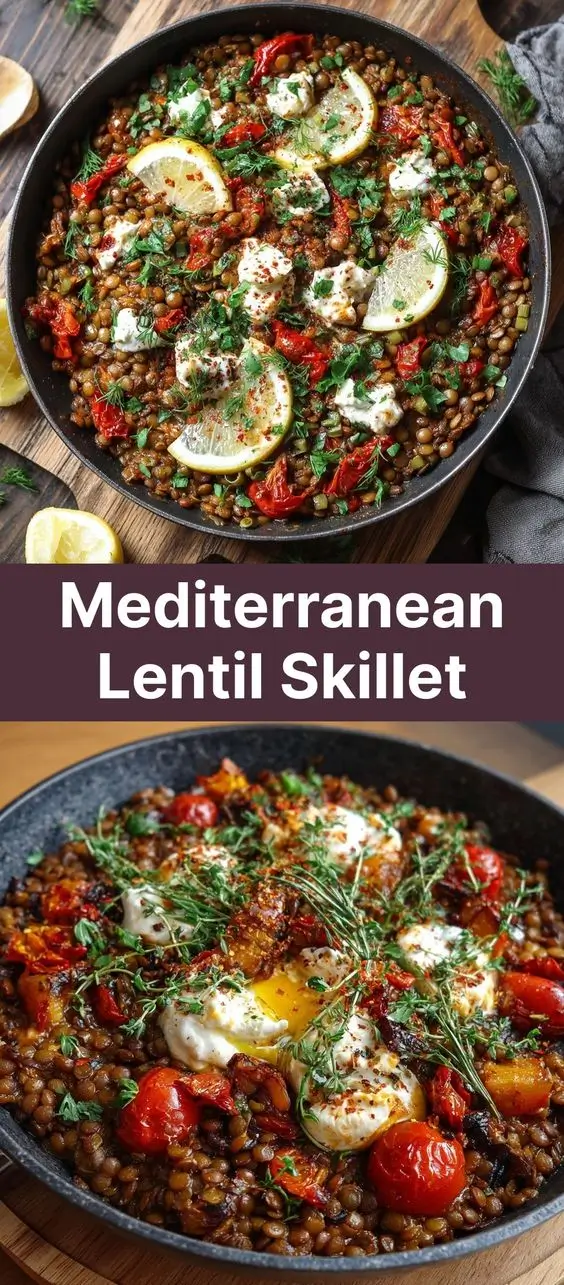
The Mediterranean Lentil Skillet is a vibrant, wholesome one-pan dish that brings the bold flavors of the Mediterranean to your dinner table with minimal effort and maximum nutrition. Inspired by traditional cuisines across Southern Europe, North Africa, and the Middle East, this recipe celebrates simple, plant-based ingredients that are as nourishing as they are delicious. Whether you’re a vegetarian, vegan, or simply looking to incorporate more legumes into your diet, this skillet offers a satisfying meal packed with protein, fiber, and rich umami taste. With its colorful blend of vegetables, aromatic herbs, and earthy lentils, it’s not only a feast for the palate but also a visual delight. Perfect for weeknight dinners, meal prepping, or impressing guests, the Mediterranean Lentil Skillet embodies comfort food at its healthiest.
The History
Lentils have been a dietary staple in the Mediterranean region for over 10,000 years, with archaeological evidence suggesting their cultivation began in the Fertile Crescent—modern-day Turkey, Syria, and Iraq. As one of the first domesticated crops, lentils quickly spread across the Mediterranean basin due to their adaptability to various climates, short growing season, and high nutritional value. Ancient Greeks and Romans revered lentils for their affordability and sustenance, often serving them in stews and porridges. In Mediterranean households throughout history, lentils were associated with prosperity and longevity, sometimes eaten on New Year’s for good luck.
The concept of the “skillet” meal, particularly cooked over an open flame or in cast iron, evolved from rustic rural cooking traditions where families would prepare entire meals in a single pan to conserve fuel and simplify cleanup. Over time, regional variations emerged: in Greece, lentils were simmered with tomatoes and oregano; in Lebanon, they were spiced with cumin and coriander; in Italy, they were enriched with garlic and rosemary. The modern Mediterranean Lentil Skillet blends these influences into a cohesive, flavorful dish that honors ancestral wisdom while fitting seamlessly into today’s fast-paced lifestyle. It reflects a culinary philosophy rooted in balance, seasonality, and communal eating—hallmarks of the famed Mediterranean diet, which has been recognized by UNESCO as an Intangible Cultural Heritage of Humanity.
Ingredients Breakdown
The magic of the Mediterranean Lentil Skillet lies in its harmonious combination of nutrient-dense ingredients, each contributing flavor, texture, and health benefits. Here’s a detailed look at what goes into this hearty dish:
- Brown or Green Lentils: These hold their shape well during cooking and offer a mild earthiness. They’re rich in plant-based protein (about 18g per cooked cup), fiber, iron, and folate, making them ideal for sustained energy and digestive health.
- Olive Oil: A cornerstone of Mediterranean cuisine, extra virgin olive oil provides heart-healthy monounsaturated fats and antioxidants like oleocanthal, known for its anti-inflammatory properties.
- Onion and Garlic: Sautéed until fragrant, these aromatics build the flavor foundation. Garlic contains allicin, which may support immune function and cardiovascular health.
- Carrots and Celery: Part of the classic mirepoix, they add sweetness, crunch, and essential vitamins such as vitamin A (from carrots) and vitamin K (from celery).
- Red Bell Pepper: Adds bright color and a sweet, slightly tangy flavor along with a hefty dose of vitamin C and antioxidants.
- Diced Tomatoes (canned or fresh): Provide acidity and juiciness, enhancing moisture and depth. Lycopene, a powerful antioxidant found in tomatoes, is more bioavailable when cooked.
- Vegetable Broth: Used as the cooking liquid, it enhances savory notes without relying on animal products. Low-sodium versions help control salt intake.
- Dry White Wine (optional): Deglazes the pan and adds complexity. Alcohol evaporates during cooking, leaving behind subtle fruit and floral notes.
- Herbs and Spices: Dried oregano, thyme, and bay leaf evoke the sun-soaked hillsides of Greece and Southern Italy. Fresh parsley added at the end gives a burst of freshness and chlorophyll.
- Lemon Juice: Brightens the entire dish, balancing richness and boosting iron absorption from the lentils thanks to its vitamin C content.
- Kalamata Olives and Capers (optional): For a briny, salty kick reminiscent of coastal Mediterranean cooking. Both are rich in polyphenols and healthy fats.
- Spinach or Kale: Leafy greens stirred in at the end contribute iron, calcium, and a pop of green without overpowering the dish.
Every ingredient serves a purpose—flavor, texture, or function—making this skillet a masterclass in balanced, intentional cooking.
Step-by-Step Recipe
- Rinse and Sort Lentils: Place 1 cup of dried brown or green lentils in a fine-mesh strainer. Rinse thoroughly under cold water, removing any debris or shriveled lentils. Set aside.
- Sauté Aromatics: Heat 2 tablespoons of extra virgin olive oil in a large, deep skillet or Dutch oven over medium heat. Add 1 diced yellow onion, 3 minced garlic cloves, 2 diced carrots, and 2 diced celery stalks. Cook for 6–8 minutes, stirring occasionally, until softened and lightly golden.
- Add Red Bell Pepper: Stir in 1 diced red bell pepper and cook for another 4 minutes until tender-crisp.
- Enhance Flavor Base: If using wine, pour in ¼ cup dry white wine (such as Sauvignon Blanc) and stir, scraping up any browned bits from the bottom of the pan. Let it reduce by half, about 2–3 minutes.
- Season and Bloom Spices: Add 1 teaspoon dried oregano, ½ teaspoon dried thyme, ½ teaspoon sea salt, and ¼ teaspoon black pepper. Stir for 30 seconds to release the essential oils in the spices.
- Incorporate Tomatoes and Lentils: Stir in 1 can (14.5 oz) of diced tomatoes (with juices), the rinsed lentils, and 3 cups of low-sodium vegetable broth. Drop in 1 bay leaf.
- Simmer Until Tender: Bring the mixture to a boil, then reduce heat to low. Cover and simmer for 30–35 minutes, stirring occasionally, until lentils are tender but not mushy. Check liquid levels—if too dry, add ½ cup more broth.
- Add Greens: Remove the bay leaf. Stir in 2 cups of fresh spinach or chopped kale and cook for 2–3 minutes until wilted.
- Finish with Brightness: Turn off the heat. Stir in 2 tablespoons of fresh lemon juice and ¼ cup chopped fresh parsley. Taste and adjust seasoning with additional salt, pepper, or lemon as needed.
- Optional Briny Touch: Fold in ⅓ cup pitted and halved Kalamata olives and 1 tablespoon capers for a tangy, savory punch.
- Serve: Ladle hot into bowls. Drizzle with extra olive oil and garnish with more parsley, lemon zest, or crumbled feta cheese if desired.
Tips
- Don’t Skip the Sauté: Cooking the onions, garlic, and vegetables slowly builds a deep, complex flavor base that boiling alone cannot achieve.
- Use Low-Sodium Broth: This gives you full control over the salt content, especially important if adding olives, capers, or feta later.
- Choose the Right Lentils: Avoid red or yellow lentils—they turn mushy quickly. Stick with brown, green, or French (Puy) lentils for the best texture.
- Check for Doneness: Start testing lentils at 25 minutes. They should be tender with a slight bite—overcooking leads to a porridge-like consistency.
- Acid at the End: Always add lemon juice or vinegar just before serving to preserve its bright, fresh character.
- Let It Rest: Allow the skillet to sit covered for 5–10 minutes after cooking. This helps flavors meld and improves overall mouthfeel.
- Batch Cooking Friendly: This dish tastes even better the next day as flavors continue to develop. Store in an airtight container for up to 5 days or freeze for up to 3 months.
- Cast Iron Advantage: Use a heavy-bottomed skillet or Dutch oven to ensure even heat distribution and prevent scorching.
Variations and Customizations
The Mediterranean Lentil Skillet is highly adaptable to personal preferences, dietary needs, and seasonal availability:
- Protein Boost: Stir in crumbled cooked sausage, shredded chicken, or canned tuna for a non-vegetarian twist.
- Vegan & Gluten-Free: This recipe is naturally gluten-free and vegan as written. Ensure broth and wine are certified GF if needed.
- Spice It Up: Add a pinch of red pepper flakes or smoked paprika for heat and smokiness.
- Herb Swaps: Try marjoram, rosemary, or herbes de Provence instead of oregano for a different aromatic profile.
- Creamy Version: Blend ½ cup of the cooked lentils and stir back in for a thicker, creamier texture without dairy.
- Grain Addition: Serve over quinoa, brown rice, farro, or bulgur for a heartier meal.
- Mediterranean Bowl Style: Top with hummus, roasted red peppers, cucumber slices, cherry tomatoes, and a dollop of tzatziki.
- Cheese Lovers: Sprinkle with crumbled feta, goat cheese, or Parmesan for a salty, creamy finish.
- Seasonal Veggies: In summer, use zucchini or eggplant; in winter, try chopped Swiss chard or leeks.
- Instant Pot Option: Combine all ingredients (except greens and lemon) in an electric pressure cooker. Cook on High pressure for 12 minutes, natural release for 10 minutes, then stir in greens and finish as directed.
Health Considerations and Nutritional Value
A single serving (about 1.5 cups) of Mediterranean Lentil Skillet offers a powerhouse of nutrients:
- Calories: Approximately 280–320 kcal depending on oil and additions.
- Protein: 16–18g – supports muscle repair and satiety.
- Fiber: 14–16g – promotes digestive health, stabilizes blood sugar, and supports gut microbiome diversity.
- Iron: Provides about 30% of the Daily Value (DV); enhanced by vitamin C from tomatoes and lemon, improving non-heme iron absorption.
- Folate: Crucial for DNA synthesis and cell division, especially important for pregnant women.
- Low Glycemic Index: Lentils release glucose slowly, making this dish excellent for diabetics or those managing insulin resistance.
- Heart Health: Monounsaturated fats from olive oil and absence of cholesterol contribute to reduced risk of cardiovascular disease.
- Anti-Inflammatory Properties: Thanks to antioxidants in olive oil, tomatoes, garlic, and herbs, this dish may help lower chronic inflammation linked to arthritis, obesity, and metabolic syndrome.
This meal is naturally low in saturated fat, free of trans fats, and rich in phytonutrients. It aligns perfectly with dietary patterns recommended by the American Heart Association, Dietary Guidelines for Americans, and the World Health Organization for preventing chronic diseases. However, individuals with legume sensitivities or irritable bowel syndrome (IBS) may need to moderate lentil intake due to oligosaccharides that can cause bloating. Rinsing dried lentils well and soaking them briefly (though not required) may reduce gas-producing compounds.
Ingredients
- 1 cup dried brown or green lentils, rinsed and picked over
- 2 tbsp extra virgin olive oil
- 1 medium yellow onion, finely diced
- 3 garlic cloves, minced
- 2 medium carrots, diced
- 2 celery stalks, diced
- 1 red bell pepper, diced
- ¼ cup dry white wine (optional)
- 1 tsp dried oregano
- ½ tsp dried thyme
- ½ tsp sea salt (plus more to taste)
- ¼ tsp freshly ground black pepper
- 1 (14.5 oz) can diced tomatoes, undrained
- 3 cups low-sodium vegetable broth
- 1 bay leaf
- 2 cups fresh spinach or chopped kale
- 2 tbsp fresh lemon juice
- ¼ cup chopped fresh parsley
- Optional: ⅓ cup pitted Kalamata olives, halved
- Optional: 1 tbsp capers, drained
- Optional toppings: crumbled feta, lemon zest, extra parsley, drizzle of olive oil
Directions
- In a large skillet or Dutch oven, heat olive oil over medium heat. Add onion, garlic, carrots, and celery. Sauté for 6–8 minutes until softened.
- Add red bell pepper and cook for 4 minutes more.
- If using wine, pour it in and cook until reduced by half, about 2–3 minutes.
- Stir in oregano, thyme, salt, and pepper. Cook for 30 seconds to bloom the spices.
- Add lentils, diced tomatoes with juice, vegetable broth, and bay leaf. Stir well.
- Bring to a boil, then reduce heat to low. Cover and simmer for 30–35 minutes, stirring occasionally, until lentils are tender.
- Remove bay leaf. Stir in spinach or kale and cook until wilted, about 2–3 minutes.
- Turn off heat. Stir in lemon juice, parsley, and optional olives and capers.
- Taste and adjust seasoning. Add more salt, pepper, or lemon juice as desired.
- Let rest for 5–10 minutes before serving. Garnish with optional toppings and serve warm.
FAQ
Can I use canned lentils instead of dried?
Yes, though texture and flavor may vary slightly. Drain and rinse 2.5 cups of canned lentils and add them in the last 10 minutes of cooking, just to heat through and absorb flavors. Reduce broth to 1 cup to avoid excess liquid.
Is this recipe freezer-friendly?
Absolutely. Cool completely and store in airtight containers or freezer bags for up to 3 months. Thaw overnight in the fridge and reheat on the stove with a splash of broth or water to refresh consistency.
Why are my lentils still hard?
Old lentils lose moisture over time and take longer to cook. Always check expiration dates. Hard water or acidic ingredients added too early (like tomatoes or lemon) can also inhibit softening. Add acid only at the end.
Can I make this in a slow cooker?
Yes! Sauté vegetables first, then transfer to a slow cooker with all other ingredients (except greens, lemon, and parsley). Cook on Low for 6–7 hours or High for 3–4 hours. Stir in greens during the last 30 minutes.
How do I make it spicier?
Add ¼–½ tsp crushed red pepper flakes with the dried herbs, or include a dash of hot sauce at the end. You can also top with sliced fresh chili peppers.
Is this suitable for meal prep?
Excellent for meal prep! Divide into portioned containers and refrigerate for up to 5 days. Reheat gently in the microwave or on the stovetop.
Can I omit the wine?
Yes. Replace with an equal amount of vegetable broth. The wine adds depth, but the dish remains flavorful without it.
Are lentils good for weight loss?
Yes. High in protein and fiber, lentils promote fullness and reduce snacking. Their low glycemic index helps maintain steady energy levels, supporting long-term weight management goals.
Summary
The Mediterranean Lentil Skillet is a nutritious, flavorful one-pan meal that combines earthy lentils with vibrant vegetables, aromatic herbs, and bright citrus notes, embodying the essence of Mediterranean cuisine.
Easy to customize, rich in plant-based protein and fiber, and perfect for meal prep, this skillet delivers both wellness and comfort in every satisfying bite.