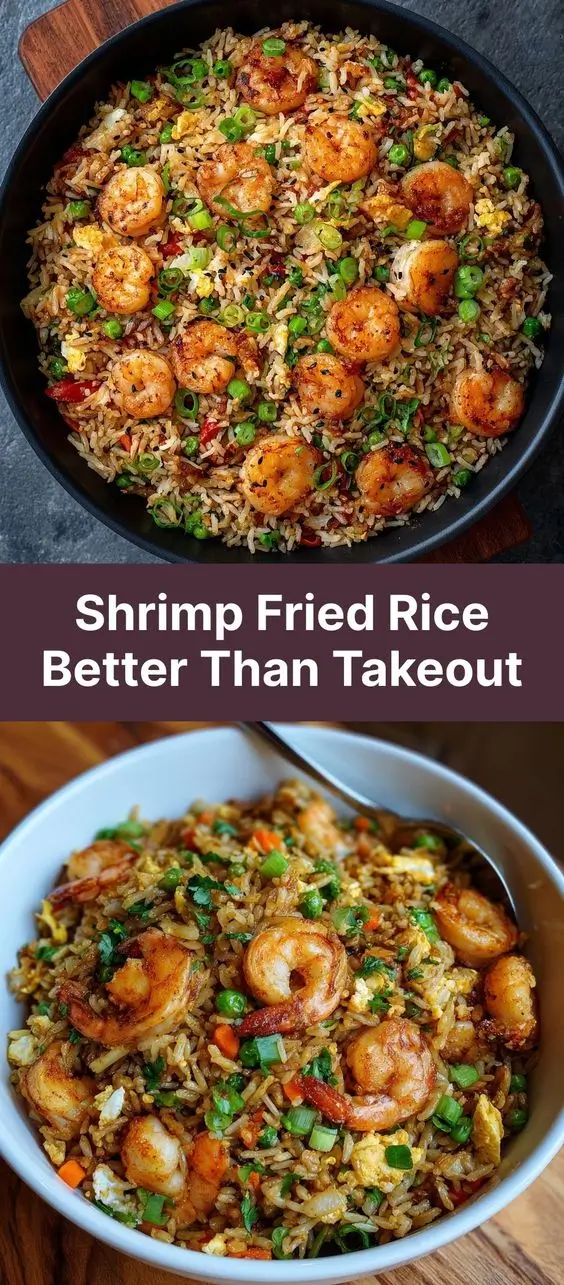
Shrimp Fried Rice Better Than Takeout
The History
Fried rice is a timeless staple in Chinese cuisine, with roots tracing back over 4,000 years to the Sui Dynasty. Originating as a clever method of repurposing leftover rice, this dish was born out of necessity and resourcefulness. Ancient cooks discovered that day-old rice, which had dried slightly overnight, fried more evenly and produced less clumping than freshly cooked grains—making it ideal for stir-frying. Over centuries, fried rice evolved regionally across China, adapting to local tastes, ingredients, and cooking techniques.
As Chinese immigrants traveled the world, they brought their culinary traditions with them, introducing variations of fried rice to new cultures. In America, shrimp fried rice became a beloved menu item in Chinese-American restaurants during the 20th century. While Americanized versions often featured generous amounts of soy sauce, frozen peas, and undercooked shrimp, authentic renditions emphasized balance: umami-rich wok hei (the breath of the wok), properly seared proteins, and aromatic seasonings.
Today, “Better Than Takeout” shrimp fried rice has emerged as a home cook’s triumph—a fusion of traditional techniques and modern accessibility. With fresher ingredients, better control over seasoning, and attention to detail, homemade versions now surpass even the best takeout options. This recipe honors its historical roots while elevating every component to create a restaurant-quality meal right in your kitchen.
Ingredients Breakdown
The magic of exceptional shrimp fried rice lies not just in technique, but in the quality and preparation of each ingredient. Here’s a detailed breakdown:
- Jasmine or Long-Grain White Rice: The foundation of great fried rice. Jasmine rice offers a delicate floral aroma and slightly sticky texture when cooled, while long-grain rice stays fluffy and separate. Avoid short-grain sushi rice, which can become too gummy.
- Cooked and Chilled Rice: Ideally, use rice that’s been cooked at least one day ahead and refrigerated overnight. Cold rice has lost surface moisture, allowing it to fry rather than steam, resulting in distinct, non-clumpy grains.
- Fresh Shrimp: Medium to large shrimp (31–40 count per pound) are ideal. Peeled and deveined, they cook quickly and absorb flavors beautifully. For deeper flavor, leave tails on; for ease of eating, remove them.
- Eggs: Large eggs add richness and texture. Scrambled into small curds during frying, they mimic the golden flecks found in high-end restaurant versions.
- Vegetables: A classic trio includes diced carrots for sweetness and color, frozen peas (thawed) for pop, and finely chopped green onions for freshness. Some variations include bell peppers, corn, or bean sprouts.
- Garlic and Ginger: Freshly minced garlic and grated ginger provide essential aromatic depth. They’re sautéed early to infuse the oil without burning.
- Soy Sauce: Use both light soy sauce for saltiness and dark soy sauce (optional) for color and molasses-like complexity. Together, they offer balanced umami without overpowering.
- Oyster Sauce: Though traditionally made from oysters, many commercial versions contain sugar, salt, and thickeners. It contributes a savory-sweet backbone crucial for authenticity.
- Sesame Oil: Toasted sesame oil is used sparingly at the end for its intense nutty fragrance. Never cook with it over high heat—it burns easily and turns bitter.
- Neutral Cooking Oil: High smoke point oils like peanut, avocado, or canola are perfect for stir-frying. They withstand the high heat needed for proper searing.
- Shaoxing Wine (Optional): A splash adds subtle sweetness and complexity. Dry sherry makes an excellent substitute if unavailable.
- White Pepper: Preferred over black pepper for its milder heat and cleaner finish, especially in delicate dishes like fried rice.
Step-by-Step Recipe
- Prepare Ingredients Ahead: Measure and chop all ingredients before starting. Have rice broken up into individual grains, shrimp patted dry, vegetables ready, and sauces within reach. Stir-fry moves fast—preparation is key.
- Heat the Wok or Skillet: Place a carbon steel wok or large heavy-bottomed skillet over high heat until smoking slightly. Add 1 tablespoon of neutral oil and swirl to coat.
- Cook the Eggs: Pour beaten eggs into the hot wok. Let sit for 2 seconds, then scramble gently with a spatula until soft curds form. Remove immediately and set aside.
- Sear the Shrimp: Add another tablespoon of oil. Toss in shrimp in a single layer and let sear undisturbed for 30 seconds. Flip and cook until just pink and opaque (about 1–2 minutes total). Remove and set aside with eggs.
- Aromatics First: Add a bit more oil if needed. Sauté garlic and ginger for 15–20 seconds until fragrant but not browned.
- Add Vegetables: Toss in carrots and any other firm vegetables. Stir-fry for 1–2 minutes until crisp-tender. Add peas and green onions, cooking briefly to warm through.
- Incorporate Rice: Break up cold rice with fingers or a spoon, then add to the wok. Spread evenly and let sit for 30 seconds to develop slight crust (fond). Toss and repeat several times for even heating and texture.
- Season the Rice: Drizzle soy sauces, oyster sauce, and Shaoxing wine around the edges of the wok so they sizzle and caramelize. Mix thoroughly into the rice.
- Combine Everything: Return eggs and shrimp to the wok. Gently fold everything together, breaking up egg clumps. Cook for another 1–2 minutes until piping hot throughout.
- Finish with Fragrance: Remove from heat. Drizzle with 1 teaspoon toasted sesame oil and sprinkle with white pepper. Toss once more.
- Garnish and Serve: Top with sliced green onions, extra sesame seeds, or a drizzle of chili oil. Serve immediately while hot and aromatic.
Tips
- Use Day-Old Rice: Freshly cooked rice releases too much steam and becomes mushy. Refrigerated rice firms up, fries better, and absorbs flavor more effectively.
- Don’t Overcrowd the Pan: Work in batches if necessary. Too many ingredients lower the pan temperature, leading to steaming instead of frying.
- High Heat is Essential: True fried rice requires intense heat to achieve wok hei—the smoky, charred essence only possible with rapid searing.
- Dry the Shrimp: Pat shrimp completely dry before cooking. Moisture prevents browning and causes splattering.
- Brown the Rice: Allow the rice to sit briefly between tosses. This builds caramelization and enhances flavor through the Maillard reaction.
- Layer Flavors: Add sauces gradually and taste as you go. You can always add more, but you can’t take it away.
- Break Up Clumps Early: Use a rice paddle or spatula to break apart rice chunks before adding to the wok. Once cooking starts, it’s harder to fix clumps.
- Keep Ingredients Moving: Constant stirring ensures even cooking and prevents burning, especially with delicate items like garlic and eggs.
- Prevent Sogginess: Thaw frozen peas fully and pat them dry. Wet ingredients introduce unwanted moisture.
- Rest the Wok: If using electric stove, the wok may struggle to maintain high heat. Consider cooking in smaller portions or using gas flame for best results.
Variations and Customizations
While classic shrimp fried rice is delicious on its own, endless adaptations allow you to tailor the dish to dietary needs, seasonal produce, or cultural influences:
- Protein Swaps: Substitute shrimp with chicken, pork, beef, tofu, or even Chinese lap cheong sausage. Combine multiple proteins for a “house special” effect.
- Vegetarian/Vegan Version: Skip shrimp and eggs. Use crumbled tempeh, edamame, or plant-based protein. Replace oyster sauce with mushroom stir-fry sauce or vegan oyster alternative.
- Gluten-Free Option: Use tamari or certified gluten-free soy sauce. Ensure oyster sauce is GF-labeled, as some brands contain wheat.
- Low-Sodium Adaptation: Opt for reduced-sodium soy sauce and limit added salt. Boost flavor with extra garlic, ginger, and a splash of rice vinegar.
- Keto-Friendly Cauliflower Rice: Pulse cauliflower florets into rice-sized pieces. Sauté until tender-crisp before proceeding. Note: Texture will be softer than grain rice.
- Spicy Kick: Add diced red chili, sriracha, or chili garlic sauce during seasoning. Garnish with sliced Thai bird chilies or crushed red pepper.
- Pineapple Shrimp Fried Rice: Inspired by Hawaiian-Chinese fusion, fold in fresh pineapple chunks and cashews. Finish with a squeeze of lime.
- Kimchi Fried Rice Fusion: Replace half the vegetables with fermented kimchi. Add a fried egg on top for Korean-inspired flair.
- Coconut Fried Rice: Use coconut aminos instead of soy sauce and stir in unsweetened shredded coconut for tropical notes.
- Seafood Medley: Upgrade to scallops, squid, and mussels along with shrimp for a luxurious surf-and-turf feel.
Health Considerations and Nutritional Value
When prepared mindfully, shrimp fried rice can be part of a balanced diet. Here’s a nutritional overview based on a standard serving (approximately 1.5 cups):
| Nutrient | Amount (Approximate) |
|---|---|
| Calories | 380–450 kcal |
| Protein | 20–25g |
| Total Fat | 10–14g |
| Saturated Fat | 2–3g |
| Carbohydrates | 50–60g |
| Dietary Fiber | 3–5g |
| Sugar | 4–6g |
| Sodium | 700–1000mg |
Health Benefits:
- High-Quality Protein: Shrimp is low in fat and rich in lean protein, supporting muscle maintenance and satiety.
- Omega-3 Fatty Acids: Shrimp contains beneficial EPA and DHA, promoting heart and brain health.
- Vitamins & Minerals: Good source of selenium, vitamin B12, phosphorus, and iodine. Eggs contribute choline, vital for liver and brain function.
- Antioxidants: Garlic and ginger possess anti-inflammatory and immune-supportive properties.
Considerations:
- Sodium Content: Traditional recipes can be high in sodium due to soy and oyster sauces. Reduce by using low-sodium alternatives or diluting sauces with water or broth.
- Cholesterol: Shrimp naturally contains cholesterol (~170mg per 3 oz), though current research suggests dietary cholesterol has minimal impact on blood cholesterol for most people.
- Allergens: Contains shellfish (shrimp), eggs, and soy. Always label accordingly for guests with allergies.
- Balancing Carbs: Pair with a side salad or steamed greens to increase fiber and micronutrient intake.
Ingredients
- 3 cups cooked jasmine or long-grain white rice, chilled overnight
- 12 oz (340g) raw shrimp, peeled and deveined
- 3 large eggs, lightly beaten
- 2 tbsp neutral oil (peanut, avocado, or canola), divided
- 3 cloves garlic, minced
- 1 tbsp fresh ginger, grated
- 1/2 cup diced carrots (small cubes)
- 1/2 cup frozen peas, thawed and drained
- 3 green onions, thinly sliced (whites and greens separated)
- 3 tbsp low-sodium soy sauce (or tamari for gluten-free)
- 1 tbsp oyster sauce (or vegetarian alternative)
- 1 tsp Shaoxing wine (or dry sherry)
- 1 tsp toasted sesame oil
- 1/2 tsp white pepper (or black pepper)
- Salt to taste (optional)
Directions
- Prepare all ingredients before beginning. Break up chilled rice with fingers to ensure no clumps remain.
- Heat a large wok or heavy skillet over high heat until very hot. Add 1 tablespoon of neutral oil and swirl to coat.
- Pour in beaten eggs. Let sit 2 seconds, then scramble gently until soft curds form. Transfer to a plate and set aside.
- Add another tablespoon of oil to the same wok. Add shrimp in a single layer and sear for 30 seconds per side until just pink and opaque. Remove and set aside with eggs.
- Add a touch more oil if needed. Sauté garlic, ginger, and the white parts of green onions for 15–20 seconds until fragrant.
- Add carrots and stir-fry for 1 minute. Then add peas and cook another 30 seconds.
- Add the cold rice. Spread evenly and let sit for 30 seconds to develop light browning. Toss and repeat 2–3 times over medium-high heat.
- Pour soy sauce, oyster sauce, and Shaoxing wine around the edges of the wok. Stir constantly to distribute evenly.
- Return eggs and shrimp to the wok. Add green onion tops. Gently fold everything together. Cook for 1–2 minutes until heated through.
- Remove from heat. Drizzle with sesame oil and sprinkle with white pepper. Toss once more.
- Serve immediately, garnished with extra green onions or sesame seeds if desired.
FAQ
Can I use freshly cooked rice?
Yes, but it won’t fry as well. Fresh rice is moist and tends to steam, creating a mushy texture. If you must use it, spread it on a tray and let it air-dry for 20–30 minutes, fluffing occasionally.
How do I store leftovers?
Cool completely and transfer to an airtight container. Refrigerate for up to 3 days. Reheat in a skillet over medium heat with a splash of water to restore moisture.
Can I freeze shrimp fried rice?
Yes. Freeze in portion-sized containers for up to 2 months. Thaw overnight in the fridge and reheat in a wok or microwave.
Why is my fried rice sticky?
Likely due to excess moisture—either from wet rice, unthawed vegetables, or overcrowding the pan. Ensure all ingredients are dry and use high heat with enough oil.
Is shrimp fried rice healthy?
It can be! Using whole ingredients, controlling oil and sodium, and adding plenty of vegetables makes it a nutritious one-pan meal. Balance with a side of veggies or soup for a complete dinner.
Can I make this in an electric skillet or non-stick pan?
Yes, though you may miss some wok hei. Preheat thoroughly and avoid lowering the heat too much. A cast iron or carbon steel pan works best for high-heat searing.
What gives fried rice its yellow color?
Sometimes turmeric or food coloring is used in restaurants, but traditionally, it comes from scrambled eggs mixed throughout. No artificial dyes needed!
Should I rinse the rice before cooking?
Yes—rinsing removes excess starch, preventing gumminess. Rinse under cold water until the water runs clear, then cook as usual.
Summary
This shrimp fried rice recipe delivers bold flavor, perfect texture, and restaurant-quality results—all from your own kitchen. Packed with succulent shrimp, fluffy rice, colorful veggies, and umami-rich seasonings, it truly beats takeout in freshness and taste.
Easy to customize, nutritionally balanced, and ready in under 30 minutes, it’s the ultimate weeknight winner that feels indulgent yet wholesome—comfort food elevated to perfection.