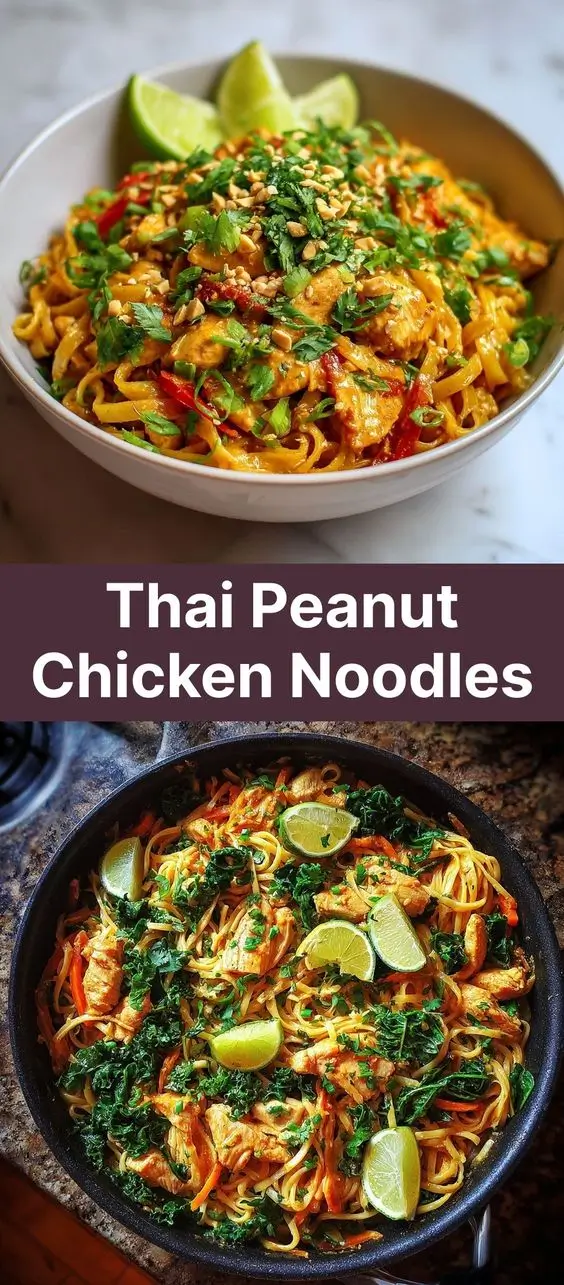
Thai Peanut Chicken Noodles: A Flavorful Fusion of Creamy, Spicy, and Savory
Indulge in the rich, aromatic world of Thai cuisine with this mouthwatering Thai Peanut Chicken Noodles recipe. This dish masterfully blends the creamy nuttiness of peanut butter with bold Thai flavors like lime, chili, garlic, and fresh herbs. Whether you’re craving a comforting weeknight dinner or an exotic meal to impress guests, these noodles deliver on every front—texture, taste, and aroma. Packed with tender chicken, vibrant vegetables, and a luscious sauce that clings perfectly to every strand, this recipe is destined to become a staple in your kitchen.
The History of Thai Peanut Chicken Noodles
While traditional Thai cuisine doesn’t feature peanut butter as prominently as Westernized versions might suggest, the concept of nut-based sauces has deep roots in Southeast Asian culinary traditions. The use of ground peanuts can be traced back to ancient trade routes where nuts were used to thicken and enrich curries and dipping sauces. In Thailand, dishes like Satay Gai (grilled skewered chicken) are famously served with a rich peanut dipping sauce, which inspired many modern fusion recipes.
Thai Peanut Chicken Noodles, as we know them today, are a product of cultural fusion—particularly popularized by Thai-American and pan-Asian restaurants in the late 20th century. Chefs began combining rice or wheat noodles with stir-fried proteins and a creamy peanut-lime sauce to create a balanced, satisfying meal that bridged Eastern and Western palates. Over time, home cooks adapted the dish using accessible ingredients like natural peanut butter, soy sauce, and fresh vegetables, making it a global favorite for its ease, flavor depth, and versatility.
Ingredients Breakdown: What Makes This Dish Shine?
The magic of Thai Peanut Chicken Noodles lies in the harmony of its components. Each ingredient plays a vital role in building layers of flavor and texture:
- Chicken Breast or Thighs: Lean and tender, chicken breast offers a mild canvas for the bold sauce. For more flavor and juiciness, boneless thighs are excellent alternatives.
- Rice Noodles or Udon: Rice noodles provide a gluten-free option with a soft, silky texture, while udon adds chewiness. You can also use soba or even spaghetti in a pinch.
- Natural Peanut Butter: Unsweetened, unsalted peanut butter ensures a rich, authentic flavor without added sugars or oils. Almond or cashew butter can be substituted for variation or allergies.
- Coconut Milk: Full-fat coconut milk adds creaminess and balances the spice, enhancing the sauce’s luxurious mouthfeel.
- Fresh Aromatics: Garlic, ginger, and green onions form the aromatic base, delivering pungency and warmth.
- Soy Sauce or Tamari: Provides umami and saltiness. Use tamari for a gluten-free version.
- Lime Juice: Freshly squeezed lime juice adds bright acidity that cuts through the richness of the peanut sauce.
- Chili Paste or Sriracha: Adds heat and complexity. Adjust to your spice preference.
- Honey or Maple Syrup: A touch of sweetness rounds out the sauce and enhances the natural nuttiness.
- Vegetables: Bell peppers, carrots, broccoli, snap peas, and mushrooms add color, crunch, and nutrition.
- Garnishes: Chopped peanuts, cilantro, lime wedges, red pepper flakes, and sesame seeds elevate both presentation and taste.
Step-by-Step Recipe: How to Make Thai Peanut Chicken Noodles at Home
Ingredients
- 8 oz (225g) rice noodles (or preferred noodle)
- 1 lb (450g) boneless, skinless chicken breasts or thighs, thinly sliced
- 3 tbsp neutral oil (like avocado or vegetable), divided
- 3 cloves garlic, minced
- 1 tbsp fresh ginger, grated
- 1 red bell pepper, julienned
- 1 cup shredded carrots
- 1 cup broccoli florets
- ½ cup snow peas
- ¼ cup natural peanut butter (unsweetened)
- ⅓ cup full-fat coconut milk
- 3 tbsp soy sauce (or tamari)
- 2 tbsp lime juice (about 1 lime)
- 1 tbsp honey or maple syrup
- 1–2 tsp sriracha or chili garlic sauce (adjust to taste)
- 2 green onions, sliced
- Fresh cilantro, chopped (for garnish)
- Roasted peanuts, chopped (for topping)
- Sesame seeds (optional)
- Lime wedges (for serving)
Directions
- Cook the Noodles: Prepare rice noodles according to package instructions—usually soaked in hot water for 6–8 minutes until tender. Drain, rinse under cold water, and set aside. If using udon or other boiled noodles, cook accordingly and toss with a bit of oil to prevent sticking.
- Marinate the Chicken (Optional): For extra flavor, toss the sliced chicken with 1 tbsp soy sauce and 1 tsp cornstarch. Let sit for 15–20 minutes.
- Stir-Fry the Chicken: Heat 2 tbsp oil in a large wok or skillet over medium-high heat. Add the chicken in a single layer and cook for 5–7 minutes, flipping occasionally, until golden and cooked through. Remove and set aside.
- Sauté the Aromatics: In the same pan, add remaining 1 tbsp oil. Sauté garlic and ginger for 30 seconds until fragrant. Be careful not to burn.
- Cook the Vegetables: Add bell pepper, carrots, broccoli, and snow peas. Stir-fry for 4–5 minutes until crisp-tender. Add a splash of water if needed to steam broccoli.
- Prepare the Sauce: In a bowl, whisk together peanut butter, coconut milk, soy sauce, lime juice, honey, and sriracha until smooth. If too thick, add warm water 1 tbsp at a time to reach a pourable consistency.
- Combine Everything: Return the chicken to the pan with the vegetables. Add the cooked noodles and pour the sauce over. Toss gently but thoroughly to coat all ingredients. Cook for another 2–3 minutes on low heat to let flavors meld.
- Finish and Serve: Remove from heat. Garnish with green onions, cilantro, chopped peanuts, sesame seeds, and a squeeze of fresh lime. Serve immediately with extra lime wedges on the side.
Pro Tips for the Perfect Thai Peanut Chicken Noodles
- Don’t Overcook the Noodles: They should be al dente, especially since they’ll be tossed in warm sauce. Overcooked noodles turn mushy.
- Bloom the Spices: Sautéing garlic and ginger before adding liquids maximizes their flavor potential.
- Use Fresh Lime Juice: Bottled juice lacks brightness and can have off-flavors.
- Balance the Sauce: Taste as you go! The ideal sauce is creamy, tangy, slightly sweet, and spicy—not one-note. Adjust honey for sweetness, lime for acidity, and sriracha for heat.
- Add Protein Variations: Swap chicken for shrimp, tofu, tempeh, or beef for variety.
- Double the Sauce: Leftover sauce keeps well in the fridge for up to 5 days—great for quick meals or salad dressings.
- Prep Ahead: Chop veggies and mix the sauce in advance for faster weekday cooking.
- Keep It Vegan: Use maple syrup instead of honey and tofu instead of chicken.
Variations and Customizations
This recipe is highly adaptable to suit dietary needs, preferences, and available ingredients:
- Gluten-Free: Use tamari instead of soy sauce and ensure your peanut butter contains no wheat additives. Choose rice noodles or certified GF options.
- Low-Carb/Keto: Replace noodles with spiralized zucchini (zoodles), shirataki noodles, or cabbage strips.
- Vegetarian/Vegan: Omit chicken and use tofu, edamame, or chickpeas. Ensure peanut butter and sauces are plant-based.
- Spicier Version: Add diced Thai chilies, extra sriracha, or a dash of cayenne pepper.
- Creamier Sauce: Increase coconut milk or add a spoonful of Greek yogurt (if not vegan).
- Nut-Free Option: Substitute sunflower seed butter or tahini (sesame paste) for peanut butter. Note: Tahini changes the flavor profile significantly.
- Different Noodles: Try soba (buckwheat), ramen, or even whole wheat spaghetti for a heartier bite.
- Extra Veggies: Toss in bok choy, bean sprouts, spinach, or kale during the final minute of cooking.
Health Considerations and Nutritional Value
Thai Peanut Chicken Noodles can be a balanced, nutritious meal when prepared with mindful ingredient choices. Here’s a breakdown of its health aspects:
Nutritional Highlights (per serving, approx. 1.5 cups):
- Calories: ~450–550 kcal (varies by ingredients and portion size)
- Protein: 25–30g (from chicken and peanut butter)
- Fat: 20–25g (mostly healthy fats from peanuts and coconut milk)
- Carbohydrates: 40–50g (depends on noodle type)
- Fiber: 5–7g (especially with added vegetables)
- Vitamins & Minerals: Rich in vitamin C (bell peppers, lime), vitamin A (carrots), iron, and potassium.
Health Benefits:
- Peanuts: Contain monounsaturated fats, protein, niacin, and antioxidants. Linked to heart health and satiety.
- Ginger and Garlic: Have anti-inflammatory and immune-boosting properties.
- Coconut Milk: Provides medium-chain triglycerides (MCTs), which may support metabolism (in moderation).
- Vegetables: Boost fiber, micronutrients, and phytonutrients essential for overall wellness.
Considerations:
- Sodium: Soy sauce can be high in sodium. Opt for low-sodium versions or coconut aminos for a healthier swap.
- Sugar: Some peanut butters contain added sugar. Always check labels and choose natural varieties.
- Allergens: Peanuts are a common allergen. Exercise caution when serving to children or guests with food sensitivities.
- Portion Control: The sauce is calorie-dense. Use measuring spoons to avoid over-pouring.
Frequently Asked Questions (FAQ)
Can I make Thai Peanut Chicken Noodles ahead of time?
Yes! You can prep ingredients (chop veggies, slice chicken, mix sauce) up to 2 days in advance. Cooked leftovers keep well in the fridge for 3–4 days. Reheat gently on the stove with a splash of water or broth to loosen the sauce.
Why is my sauce too thick?
Peanut butter and coconut milk thicken when cooled. Thin the sauce with warm water, broth, or additional lime juice until it reaches a silky consistency.
Can I freeze this dish?
Freezing is not recommended due to the dairy-like nature of coconut milk and the texture changes in noodles and vegetables upon thawing. The sauce alone can be frozen for up to 2 months—thaw and re-whisk before use.
Is this recipe spicy?
It can be! The heat level depends on the amount of sriracha or chili paste used. Start with 1 tsp and adjust to taste. Omit for a mild version.
What can I serve with Thai Peanut Chicken Noodles?
They’re a complete meal on their own, but pair beautifully with a simple cucumber salad, spring rolls, or steamed jasmine rice for extra volume.
Can I use chunky peanut butter?
You can, but smooth peanut butter blends more evenly into the sauce. If using chunky, blend or whisk vigorously to avoid lumps.
Are there any substitutes for coconut milk?
For creaminess, try full-fat Greek yogurt (not vegan), heavy cream (higher fat), or unsweetened almond milk (thinner result). Water + extra peanut butter works in a pinch.
How do I prevent the peanut butter from seizing?
Always mix peanut butter with a liquid (coconut milk or warm water) first before adding other ingredients. Adding cold liquids to peanut butter can cause it to clump.
Summary
Thai Peanut Chicken Noodles are a vibrant, satisfying dish that brings the bold flavors of Thailand into your kitchen with ease. Creamy peanut sauce, tender chicken, crisp vegetables, and perfectly cooked noodles come together in a harmonious blend of sweet, sour, salty, and spicy.
Ideal for busy weeknights or meal prep, this adaptable recipe supports various dietary needs and promises a restaurant-quality experience at home—all in under 30 minutes.