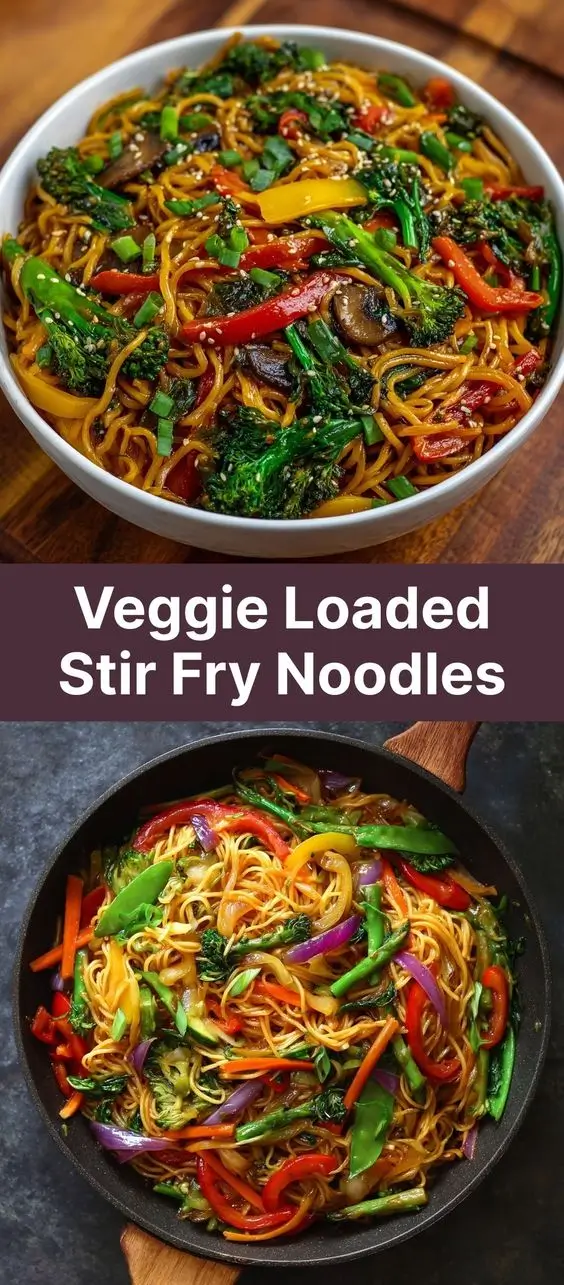
Veggie Loaded Stir Fry Noodles: A Flavor-Packed, Nutrient-Rich Delight
The History of Stir Fry Noodles
Stir fry cooking techniques trace their roots back to ancient China, where the method was developed over 2,000 years ago during the Han Dynasty. The term “stir fry” is a translation of the Chinese word “chao,” which means to stir and cook quickly over high heat. This technique was originally designed to conserve fuel while maximizing flavor and texture. Over time, stir frying became a cornerstone of Chinese culinary tradition, spreading throughout Asia and eventually gaining global popularity.
Noodles themselves have an even longer history, with archaeological evidence suggesting that wheat-based noodles were consumed in China as early as 4,000 years ago. As trade routes expanded, so did the exchange of ingredients and cooking methods. By the 20th century, stir-fried noodles had evolved into countless regional variations—from Cantonese chow mein to Japanese yakisoba and Thai pad see ew.
The modern “veggie loaded” version of stir fry noodles emerged more recently, influenced by rising health consciousness and plant-based eating trends. With an emphasis on fresh vegetables, vibrant colors, and bold sauces, veggie-loaded stir fry noodles represent a fusion of traditional technique and contemporary wellness ideals. Today, this dish is celebrated not only for its delicious taste but also for its adaptability, making it a staple in home kitchens, vegetarian restaurants, and meal prep routines around the world.
Ingredients Breakdown: What Makes This Dish Shine
The magic of veggie loaded stir fry noodles lies in the harmony between fresh produce, savory seasonings, and perfectly cooked noodles. Each ingredient plays a vital role in building layers of flavor, texture, and nutrition. Let’s break them down:
- Noodles: Traditionally, egg noodles or lo mein noodles are used, but you can opt for rice noodles (gluten-free), soba (buckwheat), udon, or even whole wheat spaghetti for added fiber. The key is choosing a noodle that holds up well to high-heat tossing without becoming mushy.
- Vegetables: A colorful mix ensures both visual appeal and nutritional diversity. Common choices include bell peppers (red, yellow, or orange for sweetness), broccoli florets (for crunch and sulforaphane), carrots (for beta-carotene), snap peas (crisp texture), mushrooms (umami depth), baby corn, bok choy or napa cabbage (mild greens), zucchini, and green onions. Freshness is crucial—crisp vegetables retain their integrity when stir-fried.
- Aromatics: Garlic, ginger, and shallots form the aromatic base of most stir fries. Minced garlic adds pungency, fresh ginger brings warmth and slight spice, while shallots contribute subtle sweetness. These are typically sautéed first to infuse the oil with flavor before adding other ingredients.
- Protein (optional): While this recipe focuses on veggies, many people add tofu, tempeh, edamame, seitan, or even chickpeas for plant-based protein. For non-vegetarian versions, shredded chicken, shrimp, or thinly sliced beef can be included.
- Sauce Components: The sauce ties everything together. Soy sauce (or tamari for gluten-free) provides saltiness and umami. Rice vinegar or lime juice adds acidity to balance richness. Sweetness comes from maple syrup, brown sugar, or hoisin sauce. Sesame oil delivers nutty depth, while chili garlic sauce or sriracha introduces heat. Cornstarch may be added to thicken the sauce slightly so it clings to the noodles.
- Garnishes: Toasted sesame seeds, chopped peanuts, cilantro, sliced red chili, lime wedges, and green onion tops elevate the final presentation and add bursts of flavor and crunch.
Step-by-Step Recipe: How to Make Perfect Veggie Loaded Stir Fry Noodles
Follow these detailed steps to achieve restaurant-quality results at home. The secret? Prep ahead, work fast, and use high heat!
Ingredients
- 8 oz (225g) noodles (udon, lo mein, rice, or soba)
- 2 tbsp neutral oil (like avocado or grapeseed), divided
- 1 block (14 oz) firm tofu, pressed and cubed (optional)
- 3 cloves garlic, minced
- 1 tbsp fresh ginger, grated
- 1 medium red bell pepper, julienned
- 1 cup broccoli florets
- 1 large carrot, julienned or spiralized
- 1 cup snap peas, trimmed
- 1 cup shiitake or cremini mushrooms, sliced
- 2 cups bok choy, chopped (stems and leaves separated)
- 1/4 cup green onions, sliced
For the Sauce:
- 1/4 cup low-sodium soy sauce (or tamari)
- 2 tbsp rice vinegar
- 1 tbsp maple syrup or honey
- 1 tbsp sesame oil
- 1 tsp chili garlic sauce (adjust to taste)
- 1 tsp cornstarch
- 2 tbsp water
Directions
- Cook the Noodles: Bring a large pot of salted water to boil. Cook noodles according to package instructions until al dente. Drain and rinse under cold water to stop cooking. Toss with a little oil to prevent sticking. Set aside.
- Prepare the Sauce: In a small bowl, whisk together all sauce ingredients until smooth. Set aside.
- Press and Pan-Fry Tofu (Optional): Press tofu for at least 15 minutes to remove excess water. Cut into cubes. Heat 1 tbsp oil in a large wok or skillet over medium-high heat. Add tofu and cook until golden brown on all sides, about 6–8 minutes. Remove and set aside.
- Stir Fry Aromatics: In the same pan, add remaining 1 tbsp oil. Sauté garlic and ginger for 30 seconds until fragrant—do not let them burn.
- Add Hard Vegetables First: Add carrots, broccoli, and bell pepper. Stir fry for 3–4 minutes until slightly tender but still crisp.
- Add Softer Vegetables: Add mushrooms, snap peas, bok choy stems, and baby corn. Stir fry another 2–3 minutes.
- Incorporate Greens: Add bok choy leaves and green onions. Cook just until wilted, about 1 minute.
- Combine Everything: Return tofu (if using) to the pan. Add cooked noodles and pour sauce over the top. Toss everything together quickly and thoroughly. Continue cooking for 1–2 minutes until sauce thickens and coats the noodles evenly.
- Taste and Adjust: Check seasoning. Add more soy sauce for saltiness, vinegar for tang, or sweetener for balance.
- Serve Immediately: Plate hot, garnished generously with toasted sesame seeds, chopped peanuts, cilantro, and a squeeze of fresh lime juice.
Expert Tips for the Best Stir Fry Results
- Mise en Place is Crucial: Stir frying happens fast! Have all your ingredients chopped, measured, and within reach before turning on the heat.
- Use High Heat: A wok or heavy-bottomed skillet heated to high allows for quick searing without steaming the vegetables. If your stove doesn’t get very hot, work in batches.
- Don’t Overcrowd the Pan: Too many ingredients lower the temperature and cause veggies to release water and become soggy. Cook dense vegetables like broccoli in stages if needed.
- Rinse Noodles After Cooking: Rinsing removes excess starch and prevents clumping. Just make sure to drain well so they don’t dilute your sauce.
- Layer Flavors: Add aromatics first, then harder vegetables, followed by softer ones. Greens go last to preserve color and nutrients.
- Thicken the Sauce Properly: Mix cornstarch with cold liquid before adding to avoid lumps. Stir constantly once added to ensure even thickening.
- Customize Doneness: Prefer softer veggies? Blanch broccoli or carrots briefly before stir frying. Like them extra crisp? Reduce cook time and toss just until heated through.
- Reserve Some Garnishes: Keep some green onions, herbs, or nuts separate to sprinkle on after plating for freshness and contrast.
Variations and Customizations: Make It Your Own
This recipe is incredibly versatile. Here are creative ways to switch things up based on dietary needs, flavor preferences, or what’s in your fridge:
- Gluten-Free Version: Use rice noodles and tamari instead of regular soy sauce. Double-check labels on sauces like hoisin or chili paste for hidden gluten.
- Vegan Option: Ensure no animal-derived ingredients—skip honey (use maple syrup), and confirm tofu is egg-free (most are). Add nutritional yeast for cheesy umami notes.
- Low-Sodium Twist: Opt for reduced-sodium tamari or coconut aminos. Boost flavor with lemon zest, fresh herbs, or a dash of miso paste instead of extra salt.
- Keto-Friendly Adaptation: Replace noodles with spiralized zucchini (zoodles), shirataki noodles, or kelp noodles. Use a low-carb sweetener like erythritol in the sauce.
- Spicy Kick: Add sliced Thai bird chilies, extra sriracha, or a spoonful of sambal oelek. Finish with crushed red pepper flakes.
- Thai-Inspired: Swap soy sauce for fish sauce (or vegan fish sauce), add peanut butter to the sauce, and top with crushed peanuts and fresh basil.
- Japanese-Style: Use soba noodles and a sauce made with soy sauce, mirin, and a touch of miso. Top with nori strips and pickled ginger.
- Mediterranean Fusion: Try whole wheat spaghetti with roasted red peppers, spinach, olives, sun-dried tomatoes, and a lemon-herb sauce.
- Add Fruit: For sweetness and brightness, toss in pineapple chunks, mango, or apple slices near the end of cooking.
- Nut-Free Option: Skip peanut garnish and use sunflower seeds or pumpkin seeds instead. Avoid peanut-based sauces; use tahini or omit entirely.
Health Considerations and Nutritional Value
Veggie loaded stir fry noodles aren’t just tasty—they’re a powerhouse of nutrition when prepared thoughtfully. Here’s how this dish supports a healthy lifestyle:
Key Nutrients and Benefits
- Fiber-Rich: Packed with vegetables and whole grain noodles, this dish promotes digestive health, helps regulate blood sugar, and increases satiety to support weight management.
- Antioxidant Powerhouse: Colorful vegetables provide vitamins A, C, and K, along with antioxidants like lycopene (bell peppers), beta-carotene (carrots), and quercetin (onions), which help combat oxidative stress and inflammation.
- Plant-Based Protein: Tofu, tempeh, or edamame offer complete proteins with essential amino acids, ideal for vegetarians and vegans. Even without added protein, legumes and whole grains contribute meaningful amounts.
- Healthy Fats: Sesame oil contains heart-healthy monounsaturated fats and lignans, which may support cholesterol balance. Using minimal oil overall keeps fat content moderate.
- Low in Saturated Fat: Naturally free of saturated fats (unless using animal products), this dish aligns well with cardiovascular health guidelines.
- Rich in Phytonutrients: Cruciferous vegetables like broccoli contain compounds linked to cancer prevention, while mushrooms offer immune-supportive beta-glucans.
Dietary Considerations
- Sodium Watch: Soy sauce can be high in sodium. To reduce intake, use low-sodium versions, dilute with water, or enhance flavor with umami-rich ingredients like mushrooms, tomato paste, or seaweed.
- Blood Sugar Management: Pair noodles with high-fiber vegetables and protein to slow glucose absorption. Choose low-glycemic noodles like soba (buckwheat) or legume-based pasta.
- Allergen Awareness: Be mindful of common allergens: soy (tofu, soy sauce), wheat (noodles, soy sauce), sesame (oil, seeds), and tree nuts (peanuts, cashews). Offer substitutions as needed.
- Portion Balance: While nutritious, portion size matters. Aim for a ratio of roughly 50% vegetables, 25% protein, and 25% complex carbohydrates for optimal balance.
Estimated Nutritional Information (per serving, serves 4)
| Nutrient | Amount |
|---|---|
| Calories | ~420 kcal |
| Total Fat | 12g |
| Saturated Fat | 2g |
| Cholesterol | 0mg (vegan) |
| Sodium | 600–800mg (varies by sauce) |
| Total Carbohydrates | 65g |
| Dietary Fiber | 8g |
| Sugars | 10g (natural + added) |
| Protein | 15g |
| Vitamin A | 180% DV |
| Vitamin C | 150% DV |
| Iron | 20% DV |
| Calcium | 15% DV |
Note: Values are approximate and depend on specific ingredients and portion sizes.
Frequently Asked Questions (FAQ)
Can I make this stir fry ahead of time?
Yes! You can prep ingredients (chop veggies, make sauce, press tofu) up to 2 days in advance and store separately in airtight containers in the fridge. Cooked stir fry can be refrigerated for up to 3 days. Reheat in a skillet over medium heat with a splash of water or broth to refresh the texture.
Why are my noodles sticky or mushy?
This usually happens if the noodles are overcooked or not rinsed properly. Always cook to al dente, rinse with cold water immediately, and toss with a bit of oil. Avoid leaving them in the colander too long, as they can clump.
Can I freeze veggie stir fry noodles?
Freezing is not ideal due to the high water content in vegetables, which can become soggy upon thawing. However, the sauce can be frozen for up to 3 months. Noodles and tofu freeze better separately if blanched or par-cooked first.
What’s the best substitute for soy sauce?
Use tamari (gluten-free soy alternative), coconut aminos (lower sodium, sweeter), or liquid aminos. For a completely different profile, try miso paste thinned with water or a mushroom-based sauce.
How do I get that “wok hei” (restaurant flavor)?
“Wok hei” refers to the smoky, charred aroma achieved by extremely high heat and constant tossing in a well-seasoned wok. At home, you can mimic it by preheating your pan until smoking hot, cooking in small batches, and avoiding stirring too frequently to allow slight caramelization.
Are there low-carb noodle alternatives?
Absolutely! Try zucchini noodles (zoodles), spaghetti squash, shirataki noodles (konjac root), or kelp noodles. Add them at the very end since they require little to no cooking.
Can I use frozen vegetables?
You can, but fresh is best for texture and flavor. If using frozen, thaw and drain thoroughly to avoid excess moisture. Stir fry quickly over high heat and add later in the process.
Is this recipe kid-friendly?
Yes! Kids often love the colorful mix and fun textures. Reduce spice levels, add a touch more sweetness, and let them choose their favorite veggies. Serve with chopsticks or forks—either way, it’s a hit!
Summary
Veggie loaded stir fry noodles are a vibrant, nutritious, and customizable meal that combines centuries-old cooking techniques with modern health-forward principles. Bursting with colorful vegetables, plant-powered protein, and a savory-sweet sauce, this dish satisfies cravings while nourishing the body.
Whether you’re meal prepping, feeding a family, or exploring global flavors, this easy-to-make stir fry proves that healthy eating can be exciting, delicious, and deeply satisfying—all in one wok.