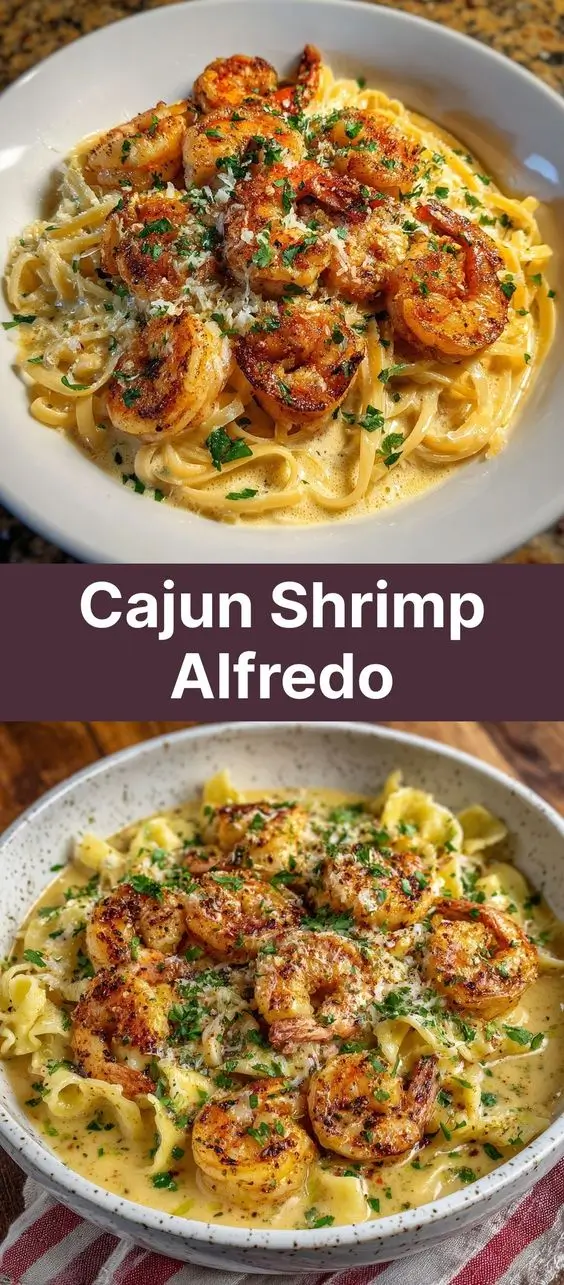
Cajun Shrimp Alfredo: A Spicy Southern Twist on a Classic Comfort Dish
The History of Cajun Shrimp Alfredo
The fusion of Cajun and Italian cuisines may seem like an unlikely pairing at first, but the delicious marriage of bold, spicy flavors with rich, creamy textures tells a different story. Cajun Shrimp Alfredo is a modern culinary innovation born from the melting pot of American regional cooking—specifically, the vibrant food culture of Louisiana. While traditional Alfredo sauce originated in Rome, Italy, as a simple dish of butter, Parmesan cheese, and fettuccine, it was popularized in the United States during the 20th century with the addition of heavy cream for a richer consistency.
Meanwhile, Cajun cuisine hails from the Acadian people—French settlers expelled from Canada’s Maritime provinces who settled in southern Louisiana during the 18th century. Their rustic, flavorful cooking style relies heavily on the “holy trinity” of bell peppers, onions, and celery, along with generous use of spices like paprika, cayenne pepper, garlic powder, and black pepper. Over time, as chefs and home cooks experimented with blending global influences, the idea of adding Cajun-spiced shrimp to a creamy Alfredo base emerged as a restaurant favorite across the South and beyond.
Cajun Shrimp Alfredo represents the perfect harmony between comfort and heat—a dish that warms the soul while igniting the taste buds. Today, it’s a staple in many American-Italian and Southern fusion restaurants, often served over fettuccine or penne pasta, and garnished with fresh parsley, lemon zest, or grated Parmesan. Its popularity continues to grow, especially among those who crave depth of flavor with just the right amount of kick.
Ingredients Breakdown: What Makes This Dish Shine?
The magic of Cajun Shrimp Alfredo lies in its balance—creamy, cheesy indulgence tempered by smoky, spicy seasoning. Each ingredient plays a crucial role in building layers of flavor and texture. Here’s a detailed look at what goes into this mouthwatering dish:
- Shrimp: Large or jumbo shrimp (peeled and deveined) are ideal. They cook quickly, absorb spices beautifully, and provide a tender, succulent bite. Fresh or high-quality frozen shrimp work well—just ensure they’re fully thawed before cooking.
- Cajun Seasoning: The heart of the dish’s flavor. A blend typically includes paprika, garlic powder, onion powder, cayenne pepper, oregano, thyme, black pepper, and salt. You can use store-bought or make your own homemade mix for better control over heat levels and sodium.
- Fettuccine Pasta: The classic choice due to its flat, wide shape that holds onto thick sauces. However, penne, linguine, or even gluten-free pasta alternatives can be used based on preference.
- Heavy Cream: Provides the luxurious base for the Alfredo sauce. It thickens when simmered and blends perfectly with cheese for a velvety texture.
- Butter: Adds richness and helps carry the fat-soluble flavors of the spices. Unsalted butter is preferred so you can control the overall salt content.
- Garlic: Fresh minced garlic brings aromatic depth. Sautéed gently in butter, it infuses the entire dish with warmth and complexity.
- Grated Parmesan Cheese: High-quality, freshly grated Parmigiano-Reggiano melts smoothly and adds umami and saltiness. Avoid pre-grated cheese with anti-caking agents, which can make the sauce grainy.
- Chicken or Vegetable Broth (optional): Used to deglaze the pan and loosen the sauce if needed, adding another layer of savory flavor without diluting creaminess.
- Vegetables (optional additions): Bell peppers, mushrooms, spinach, or cherry tomatoes can be sautéed alongside the shrimp for added color, nutrition, and texture.
- Lemon Juice and Zest: Brightens the dish and cuts through the richness. A small squeeze at the end enhances all other flavors.
- Fresh Parsley: Chopped and used as garnish for freshness and visual appeal.
Step-by-Step Recipe: How to Make Cajun Shrimp Alfredo at Home
With the right technique, you can recreate this restaurant-quality dish in your own kitchen. Follow these detailed steps for foolproof results every time.
- Prepare the Ingredients: Before beginning, gather and measure all ingredients. Peel and devein the shrimp, mince the garlic, grate the Parmesan, and chop the parsley. This ensures smooth execution once cooking begins.
- Cook the Pasta: Bring a large pot of salted water to a boil. Add 1 pound of fettuccine and cook according to package instructions until al dente (usually 9–11 minutes). Reserve ½ cup of pasta water before draining, then set aside.
- Season the Shrimp: In a bowl, toss the shrimp (about 1 to 1.5 pounds) with 1–2 tablespoons of Cajun seasoning, depending on desired spice level. Mix well to coat evenly.
- Sear the Shrimp: Heat 1 tablespoon of olive oil in a large skillet over medium-high heat. Add the seasoned shrimp in a single layer and cook for 1–2 minutes per side until pink, opaque, and slightly charred at the edges. Do not overcrowd the pan—cook in batches if necessary. Remove shrimp and set aside.
- Build the Sauce Base: In the same skillet, melt 3 tablespoons of unsalted butter over medium heat. Add 4 cloves of minced garlic and sauté for 30 seconds until fragrant (do not let it brown). If using vegetables like diced bell peppers or mushrooms, add them now and cook until softened, about 5 minutes.
- Add Cream and Simmer: Pour in 1 ½ cups of heavy cream, stirring gently. Bring to a gentle simmer and let it reduce slightly for 2–3 minutes. For a lighter version, half-and-half can be used, though the sauce will be less rich.
- Incorporate Cheese: Gradually whisk in 1 cup of freshly grated Parmesan cheese, a little at a time, allowing each addition to melt completely before adding more. Continue until the sauce is smooth and creamy.
- Adjust Consistency: If the sauce is too thick, add reserved pasta water or a splash of chicken broth, one tablespoon at a time, until desired consistency is reached. The sauce should coat the back of a spoon.
- Combine Pasta and Sauce: Add the cooked fettuccine directly into the skillet with the Alfredo sauce. Toss thoroughly to coat every strand. Use tongs or two forks to lift and mix gently.
- Return Shrimp to Pan: Gently fold in the seared shrimp along with any accumulated juices. Cook for another 1–2 minutes just to reheat everything together. Avoid overcooking the shrimp, as they can become rubbery.
- Finish and Garnish: Remove from heat. Stir in 1 teaspoon of lemon juice and a pinch of lemon zest. Taste and adjust seasoning—add more Cajun spice, salt, or black pepper as needed. Sprinkle with chopped fresh parsley and extra Parmesan before serving.
Tips for Perfect Cajun Shrimp Alfredo Every Time
- Don’t Overcook the Shrimp: Shrimp cook very quickly—overcooking leads to toughness. Remove them from the heat as soon as they turn pink and form a loose “C” shape; a tight “O” means they’re overdone.
- Use Freshly Grated Cheese: Pre-grated cheeses contain cellulose to prevent clumping, which can interfere with smooth melting. Freshly grated Parmesan ensures a silky sauce.
- Bloom the Spices: For deeper flavor, add a portion of the Cajun seasoning when sautéing the garlic and vegetables to toast the spices in fat, enhancing their aroma.
- Reserve Pasta Water: The starchy water helps bind the sauce to the pasta and adjusts thickness without diluting flavor.
- Make Ahead Components: You can prep the shrimp and seasoning ahead of time. Store in an airtight container in the fridge for up to 24 hours. The sauce can also be made in advance and gently reheated with a splash of cream.
- Low and Slow Reheating: When reheating leftovers, do so gently over low heat with a bit of milk or broth to restore creaminess.
- Balancing Heat: If the dish turns out spicier than expected, stir in a tablespoon of cream or sour cream to mellow the heat. A touch of honey or sugar can also help balance intense spice.
Variations and Customizations
Cajun Shrimp Alfredo is highly adaptable—perfect for tailoring to dietary needs, preferences, or seasonal ingredients. Try these creative twists:
- Protein Swaps: Replace shrimp with grilled chicken, Andouille sausage, crawfish, or even scallops for a similar Cajun flair.
- Dairy-Free Version: Use coconut cream instead of heavy cream and nutritional yeast or vegan Parmesan in place of dairy cheese. Add a bit of cashew butter for creaminess.
- Gluten-Free Option: Use gluten-free fettuccine or zucchini noodles (zoodles) for a low-carb, grain-free alternative. If using zoodles, sauté briefly and toss with warm sauce to avoid sogginess.
- Spice Level Control: Reduce or omit cayenne pepper for mild flavor, or add hot sauce (like Crystal or Tabasco) for extra Louisiana-style heat.
- Vegetable-Packed Alfredo: Stir in sautéed spinach, sun-dried tomatoes, artichoke hearts, or roasted red peppers for added nutrients and color.
- Smoky Flavor Boost: Add a pinch of smoked paprika or a few drops of liquid smoke to deepen the Cajun profile.
- Creamy Tomato Twist: Mix in a spoonful of marinara or crushed tomatoes for a “pink” Cajun Alfredo variation.
- Seafood Medley: Combine shrimp with lump crab meat or flaked white fish for a luxurious surf-and-turf Alfredo experience.
Health Considerations and Nutritional Value
While Cajun Shrimp Alfredo is undeniably indulgent, it does offer some nutritional benefits when prepared thoughtfully:
- Shrimp: Low in calories and high in protein, shrimp are rich in selenium, vitamin B12, phosphorus, and omega-3 fatty acids. They support heart health and brain function.
- Garlic and Spices: Garlic has natural antibacterial properties and may help lower blood pressure. Cayenne pepper contains capsaicin, which can boost metabolism and reduce appetite.
- Cheese and Cream: These contribute calcium and healthy fats but are high in saturated fat and calories. Moderation is key, especially for those managing cholesterol or weight.
- Portion Control: This dish is energy-dense. Serving smaller portions with a side salad or steamed vegetables balances the meal.
- Lower-Calorie Modifications: Use light cream, Greek yogurt, or blended silken tofu as partial substitutes for heavy cream. Increase shrimp-to-pasta ratio to boost protein and reduce refined carbs.
- Sodium Awareness: Both Parmesan and Cajun seasoning can be high in sodium. Opt for low-sodium seasoning blends and limit added salt where possible.
A typical serving (1.5 cups) of traditional Cajun Shrimp Alfredo contains approximately:
- Calories: 650–800
- Protein: 30–35g
- Fat: 35–45g (saturated fat: 20–25g)
- Carbohydrates: 45–55g
- Fiber: 2–4g
- Sodium: 800–1200mg (varies widely based on ingredients)
Ingredients
- 1 pound fettuccine pasta (or preferred variety)
- 1 to 1.5 pounds large shrimp, peeled and deveined
- 2 tablespoons Cajun seasoning (store-bought or homemade), divided
- 3 tablespoons unsalted butter
- 1 tablespoon olive oil
- 4 cloves garlic, minced
- 1 ½ cups heavy cream
- 1 cup freshly grated Parmesan cheese
- ½ cup reserved pasta water (as needed)
- 1 teaspoon lemon juice
- ½ teaspoon lemon zest (optional)
- ¼ cup fresh parsley, chopped
- Salt and black pepper to taste
- Optional: ½ cup diced bell peppers, sliced mushrooms, or baby spinach
Directions
- Bring a large pot of salted water to a boil. Cook fettuccine according to package directions until al dente. Reserve ½ cup of pasta water, then drain and set aside.
- In a bowl, toss shrimp with 1 tablespoon of Cajun seasoning until fully coated.
- Heat olive oil in a large skillet over medium-high heat. Add shrimp in a single layer and cook 1–2 minutes per side until pink and opaque. Transfer to a plate and set aside.
- In the same skillet, melt butter over medium heat. Add garlic (and optional vegetables, if using) and sauté for 1–2 minutes until fragrant and softened.
- Pour in heavy cream and bring to a gentle simmer. Let reduce slightly for 2–3 minutes.
- Gradually whisk in Parmesan cheese until sauce is smooth and creamy. Add more cream or reserved pasta water as needed to reach desired consistency.
- Stir in the cooked fettuccine and toss to coat thoroughly.
- Return shrimp to the skillet. Add remaining 1 tablespoon Cajun seasoning (adjust to taste), lemon juice, and zest. Gently combine and heat through for 1–2 minutes.
- Taste and adjust seasoning. Add salt only if needed, as Parmesan and Cajun seasoning already contain salt.
- Remove from heat. Garnish with chopped parsley and extra Parmesan.
- Serve immediately with garlic bread and a crisp green salad.
FAQ
Can I make Cajun Shrimp Alfredo ahead of time?
Yes, but it’s best enjoyed fresh. You can prep ingredients in advance and assemble quickly before serving. Reheat gently with a splash of cream to revive the sauce.
How do I store leftovers?
Store in an airtight container in the refrigerator for up to 3 days. Reheat slowly on the stove with a little milk or broth to prevent separation.
Can I freeze this dish?
Freezing is not recommended due to the dairy-based sauce, which may separate upon thawing and lose its creamy texture.
Is Cajun seasoning the same as Creole seasoning?
They are similar but differ slightly. Cajun seasoning typically contains more garlic and cayenne with no salt, while Creole seasoning includes herbs like oregano and basil and often contains salt. They can be used interchangeably in most recipes.
What wine pairs well with Cajun Shrimp Alfredo?
A chilled glass of Chardonnay or Viognier complements the richness and spice. For a bolder pairing, try a Riesling with slight sweetness to balance the heat.
Can I use frozen shrimp?
Absolutely—just thaw them properly in the refrigerator overnight or under cold running water. Pat dry before seasoning to ensure good searing.
Why did my Alfredo sauce turn out grainy?
This usually happens when the cheese is added to a sauce that’s too hot or when using pre-grated cheese with additives. Always melt cheese gradually over low to medium heat.
Summary
Cajun Shrimp Alfredo combines the fiery, aromatic essence of Louisiana seasoning with the luxuriously creamy texture of classic Italian Alfredo, creating a bold and satisfying fusion dish. Perfect for weeknight dinners or special occasions, it delivers big flavor with minimal effort when made using fresh ingredients and proper technique.