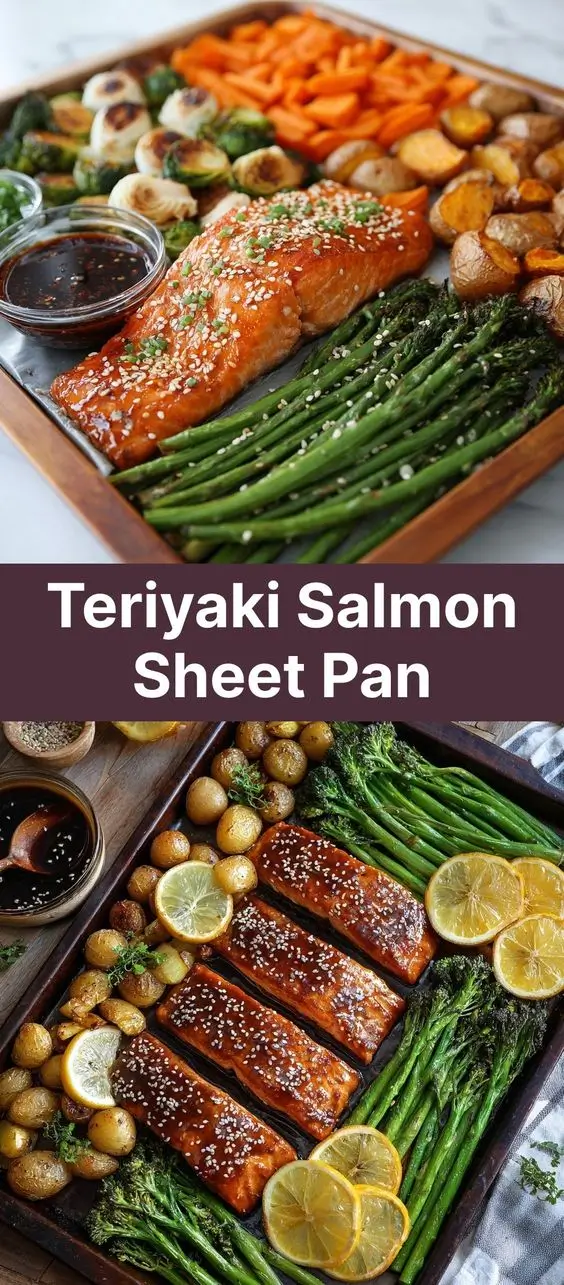
Teriyaki Salmon Sheet Pan: A Complete Guide to the Perfect One-Pan Meal
The History of Teriyaki Salmon
The origins of teriyaki salmon trace back to Japan, where “teri” means luster and “yaki” refers to grilling or broiling. This cooking method involves glazing fish—typically salmon—with a sweet soy-based sauce that gives it a glossy finish when cooked. Teriyaki as a technique dates to the 17th century during the Edo period, initially used for preserving fish and enhancing flavor through caramelization.
Over time, teriyaki became a staple in Japanese home cooking and later gained global popularity, especially in North America, where adaptations using sheet pans and oven-roasting methods emerged. The sheet pan version of teriyaki salmon is a modern twist on the traditional dish, aligning with contemporary desires for quick, healthy, and easy-to-clean meals. It combines the rich umami of Japanese cuisine with the convenience of Western one-pan dinners, making it a favorite among busy families and health-conscious eaters alike.
Ingredients Breakdown: What Makes This Dish Shine
The beauty of teriyaki salmon lies in its balance of sweet, salty, savory, and umami flavors. Each ingredient plays a crucial role in creating that signature glossy glaze and tender texture.
- Salmon Fillets: Rich in omega-3 fatty acids and protein, wild-caught salmon provides a buttery texture and deep flavor that pairs perfectly with the teriyaki sauce.
- Soy Sauce (or Tamari): The base of the teriyaki glaze, providing saltiness and depth. Low-sodium versions help control salt intake.
- Mirin: A sweet rice wine that adds subtle sweetness and shine to the glaze. If unavailable, a mix of rice vinegar and sugar can substitute.
- Brown Sugar: Enhances caramelization and balances the saltiness of the soy sauce. Honey or maple syrup can be used for a natural alternative.
- Fresh Ginger: Grated ginger infuses the sauce with warmth and zing, elevating the overall aroma and complexity.
- Garlic: Minced garlic adds a pungent kick that complements the richness of salmon.
- Sesame Oil: Just a drizzle enhances nuttiness and helps develop flavor when sautéing aromatics.
- Vegetables (Broccoli, Bell Peppers, Carrots, Snap Peas): These colorful veggies not only add nutrition but also absorb the teriyaki glaze beautifully during roasting.
- Olive Oil: Used to coat the vegetables, promoting even browning and preventing sticking.
- Sesame Seeds and Green Onions (for garnish): Add visual appeal and a finishing crunch and freshness.
Step-by-Step Recipe: How to Make Teriyaki Salmon on a Sheet Pan
- Preheat the Oven: Set your oven to 400°F (200°C). This high heat ensures the salmon cooks evenly and the vegetables caramelize slightly without drying out the fish.
- Prepare the Teriyaki Sauce: In a small saucepan, combine 1/3 cup soy sauce, 1/4 cup mirin, 2 tablespoons brown sugar, 1 tablespoon sesame oil, 1 tablespoon grated fresh ginger, and 2 cloves minced garlic. Bring to a gentle simmer over medium heat, stirring until the sugar dissolves. Let it reduce for 5–7 minutes until slightly thickened. Remove from heat and set aside.
- Prepare the Vegetables: Cut 2 cups broccoli florets, 1 sliced red bell pepper, 1 sliced yellow bell pepper, 1 cup sliced carrots, and 1 cup snap peas into uniform pieces. Place them on a large rimmed baking sheet. Drizzle with 1–2 tablespoons olive oil and season lightly with salt and pepper. Toss to coat evenly.
- Roast the Vegetables First: Spread the vegetables in a single layer and roast for 10 minutes. This jump-starts their cooking so they finish at the same time as the salmon.
- Prepare the Salmon: Pat 4 salmon fillets (about 6 oz each) dry with paper towels. Place them skin-side down on the sheet pan, nestled among the partially roasted vegetables.
- Glaze the Salmon: Brush the top of each salmon fillet generously with the prepared teriyaki sauce. Reserve about 1/4 cup of sauce for drizzling after cooking.
- Finish Roasting: Return the sheet pan to the oven and bake for 12–15 minutes, or until the salmon is opaque and flakes easily with a fork. The internal temperature should reach 145°F (63°C).
- Garnish and Serve: Remove from oven. Sprinkle with toasted sesame seeds and chopped green onions. Drizzle with reserved teriyaki sauce for extra flavor.
Tips for the Best Teriyaki Salmon Sheet Pan Dinner
- Uniform Cutting: Ensure all vegetables are cut to similar sizes to promote even cooking.
- Don’t Overcrowd the Pan: Use a large, rimmed baking sheet (jelly roll pan) and spread ingredients in a single layer. Overcrowding leads to steaming instead of roasting.
- Skin-On Salmon: Cooking salmon skin-side down helps protect the delicate flesh and results in crispier skin if desired.
- Watch the Glaze: The sugar in the teriyaki sauce can burn at high temperatures. If edges begin to darken too quickly, tent loosely with foil.
- Use Parchment Paper or Foil: Lining the pan makes cleanup effortless and prevents sticking.
- Let it Rest: Allow the salmon to rest for 2–3 minutes after removing from the oven for juicier results.
- Double the Sauce: Make extra teriyaki sauce to use as a dipping sauce or to serve over rice.
Variations and Customizations
This recipe is highly adaptable to suit different tastes, dietary needs, and pantry availability.
- Protein Swaps: Try teriyaki chicken, tofu, shrimp, or even cod for a different take on the dish.
- Vegetable Options: Swap in zucchini, asparagus, mushrooms, green beans, or baby potatoes depending on the season.
- Grain Pairings: Serve over steamed white rice, brown rice, quinoa, cauliflower rice, or soba noodles.
- Dietary Adjustments:
- Low-Sodium: Use low-sodium soy sauce or coconut aminos.
- Gluten-Free: Substitute tamari or gluten-free soy sauce.
- Sugar-Free: Replace brown sugar with a sugar-free sweetener like monk fruit or erythritol.
- Vegan Option: Use firm tofu instead of salmon and ensure the sugar and soy sauce are vegan-certified.
- Spicy Kick: Add a teaspoon of sriracha or red pepper flakes to the teriyaki sauce for heat lovers.
- Fruit Twist: Add pineapple chunks to the sheet pan—they caramelize beautifully and complement the teriyaki flavor.
- Herb Infusion: Stir fresh cilantro or basil into the finished dish for a bright, aromatic finish.
Health Considerations and Nutritional Value
Teriyaki salmon is not only delicious but also packed with essential nutrients, especially when prepared mindfully.
- Omega-3 Fatty Acids: Salmon is one of the best sources of EPA and DHA, which support heart and brain health.
- High-Quality Protein: Each serving provides about 35–40 grams of protein, aiding in muscle repair and satiety.
- Vitamins and Minerals: Rich in vitamin D, B12, selenium, and potassium—nutrients vital for immune function, energy metabolism, and electrolyte balance.
- Antioxidant-Rich Vegetables: Colorful veggies provide fiber, vitamin C, and phytonutrients that fight inflammation.
- Consider Sodium Content: Traditional teriyaki sauce can be high in sodium. Opt for reduced-sodium versions or make your own to control salt levels.
- Sugar Awareness: Store-bought sauces often contain added sugars. Homemade sauce allows you to reduce sugar or use natural alternatives.
- Balanced Meal: When served with whole grains and plenty of vegetables, this dish offers a well-rounded macronutrient profile.
A typical serving (one fillet with 1.5 cups vegetables and 1/2 cup brown rice) contains approximately:
- Calories: 450–500
- Protein: 38g
- Fat: 20g (mostly healthy fats)
- Carbohydrates: 35g
- Fiber: 6g
- Sodium: 800–1000mg (adjustable based on sauce choice)
Ingredients
- 4 (6 oz) salmon fillets, skin-on
- 2 cups broccoli florets
- 1 red bell pepper, sliced
- 1 yellow bell pepper, sliced
- 1 cup sliced carrots
- 1 cup snap peas
- 2 tbsp olive oil
- Salt and freshly ground black pepper, to taste
- 1/3 cup low-sodium soy sauce (or tamari)
- 1/4 cup mirin (or substitute: 2 tbsp rice vinegar + 1 tbsp sugar)
- 2 tbsp brown sugar (or honey/maple syrup)
- 1 tbsp sesame oil
- 1 tbsp fresh ginger, grated
- 2 cloves garlic, minced
- Toasted sesame seeds, for garnish
- 2 green onions, thinly sliced
Directions
- Preheat oven to 400°F (200°C). Line a large baking sheet with parchment paper or aluminum foil.
- In a small saucepan, combine soy sauce, mirin, brown sugar, sesame oil, ginger, and garlic. Simmer over medium heat for 5–7 minutes, stirring occasionally, until slightly thickened. Remove from heat and set aside.
- On the prepared baking sheet, toss broccoli, bell peppers, carrots, and snap peas with olive oil, salt, and pepper. Spread in an even layer.
- Roast vegetables for 10 minutes.
- While vegetables roast, prepare salmon by patting fillets dry. After 10 minutes, remove pan from oven and push vegetables to the sides. Place salmon fillets in the center, skin-side down.
- Brush the top of each fillet generously with teriyaki sauce.
- Return to oven and bake for 12–15 minutes, until salmon is cooked through and reaches an internal temperature of 145°F.
- Remove from oven. Let rest for 2–3 minutes. Garnish with sesame seeds and green onions. Drizzle with reserved teriyaki sauce.
- Serve immediately with rice or your preferred grain.
FAQ
Can I use frozen salmon?
Yes, but thaw it completely in the refrigerator overnight before cooking for best texture and even cooking.
Can I make this ahead of time?
You can prep the vegetables and sauce up to 2 days in advance. Assemble and cook just before serving for optimal freshness.
Can I grill instead of bake?
Absolutely! Grill salmon over medium heat for 4–5 minutes per side, basting with sauce. Roast vegetables separately or use a grill basket.
How do I store leftovers?
Store in an airtight container in the refrigerator for up to 3 days. Reheat gently in the oven or microwave.
Is teriyaki salmon safe to eat cold?
Yes, some people enjoy it chilled in salads or sushi bowls. Just ensure it was properly refrigerated within 2 hours of cooking.
Why is my salmon dry?
Overcooking is the most common cause. Remove salmon from the oven as soon as it flakes easily with a fork.
Can I freeze teriyaki salmon?
Yes, though texture may change slightly. Freeze in a single layer, then transfer to freezer bags for up to 2 months. Thaw in fridge before reheating.
Summary
Teriyaki salmon sheet pan is a flavorful, nutritious, and effortless meal that brings together succulent salmon, vibrant vegetables, and a glossy homemade teriyaki glaze—all cooked on one pan for minimal cleanup.
Perfect for weeknights, meal prep, or impressing guests, this dish balances tradition and convenience while delivering restaurant-quality taste with home-cooked comfort.