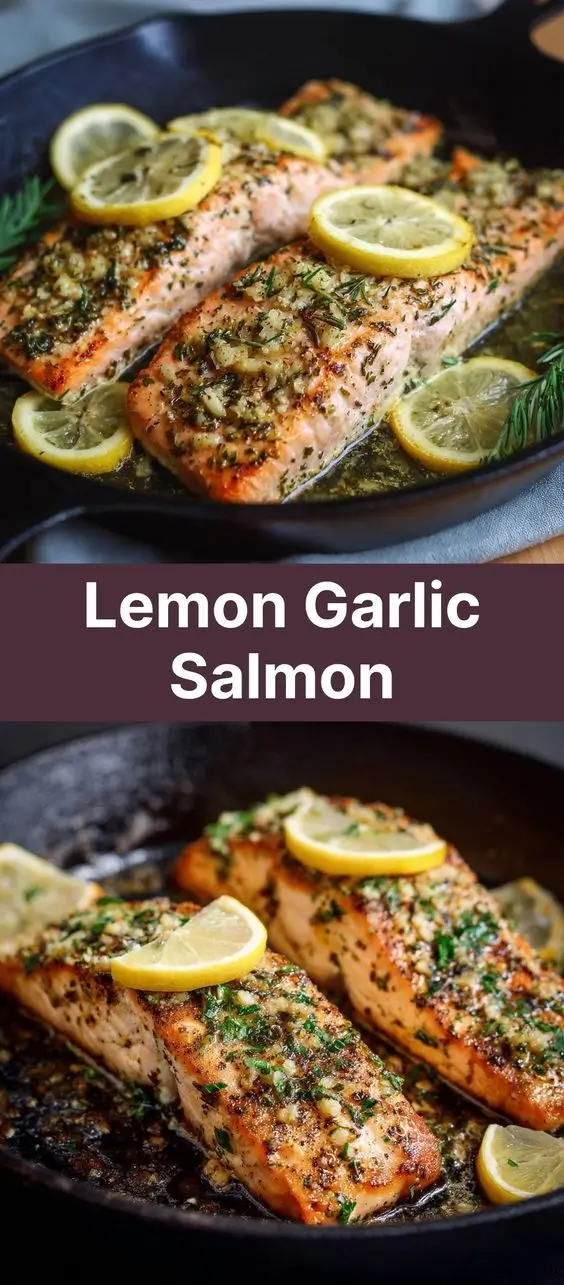
Lemon Garlic Salmon: A Flavorful and Healthy Delight
When it comes to combining bold flavor with nutritional excellence, few dishes match the elegance of Lemon Garlic Salmon. This dish is a culinary masterpiece that brings together the bright acidity of fresh lemons, the pungent aroma of garlic, and the rich, buttery texture of wild-caught salmon. Whether you’re preparing a weeknight dinner or hosting a special gathering, this recipe delivers restaurant-quality results with minimal effort.
The History of Lemon Garlic Salmon
While there isn’t a single documented origin for lemon garlic salmon, its roots can be traced back to Mediterranean and European coastal cuisines, where fresh seafood has long been paired with citrus and aromatic herbs. The use of lemon to enhance fish dates back centuries—ancient Greeks and Romans often used lemon juice (or similar souring agents like verjuice) to preserve and flavor their catch. Garlic, too, has played a central role in European cooking, prized not only for its robust taste but also for its medicinal properties.
In modern times, particularly during the 20th century, chefs began refining these traditional pairings, leading to the rise of dishes like lemon garlic salmon in both home kitchens and fine dining establishments. With the growing popularity of heart-healthy diets such as the Mediterranean diet, which emphasizes omega-3-rich fish, olive oil, citrus, and garlic, this dish has gained international acclaim. Today, lemon garlic salmon stands as a symbol of wholesome, flavorful cooking that honors tradition while embracing contemporary health standards.
Ingredients Breakdown: Why Each One Matters
The magic of lemon garlic salmon lies in its simplicity and the quality of its ingredients. Let’s explore each component and understand how it contributes to the overall taste and nutrition:
- Fresh Salmon Fillets: The star of the dish. Look for wild-caught Atlantic or Pacific salmon if possible, as they offer superior flavor and higher omega-3 fatty acid content compared to farmed varieties. The natural oils in salmon help carry flavors and keep the fish moist during cooking.
- Fresh Lemons: Two parts are used—zest and juice. Lemon zest contains essential oils that add intense citrus fragrance, while the juice provides acidity that cuts through the richness of the salmon, balancing the palate.
- Fresh Garlic: Minced or thinly sliced, garlic infuses the dish with its signature savory depth. When sautéed gently in oil, garlic becomes sweet and nutty rather than harsh.
- Extra Virgin Olive Oil: Acts as the base for the marinade and cooking medium. High-quality EVOO adds fruitiness and helps form an emulsion with lemon juice, coating the salmon evenly.
- Fresh Herbs (Parsley, Dill, or Thyme): Optional but highly recommended. These herbs add freshness and complexity. Parsley offers a clean finish, dill complements the fish with a mild anise note, and thyme gives earthy undertones.
- Salt and Black Pepper: Essential seasonings that enhance all other flavors without overpowering them.
- Honey or Maple Syrup (optional): A small amount can be added to balance acidity, especially if your lemons are very tart.
- Butter (optional): Used during the final sear or basting to enrich the sauce and give the salmon a glossy, restaurant-style finish.
Step-by-Step Recipe: How to Make Perfect Lemon Garlic Salmon
Follow these detailed steps to create tender, flaky, and aromatic lemon garlic salmon every time:
- Prepare the Salmon: Start by selecting 4 skin-on salmon fillets (6–8 ounces each), preferably with even thickness. Pat them dry with paper towels—this ensures a better sear and prevents steaming. Remove any pin bones using tweezers if necessary.
- Make the Marinade: In a small bowl, whisk together the juice of 1 large lemon (about ¼ cup), 1 tablespoon of finely grated lemon zest, 4 cloves of minced garlic, 3 tablespoons of extra virgin olive oil, 1 teaspoon of dried oregano or 1 tablespoon fresh thyme, ½ teaspoon sea salt, and freshly ground black pepper to taste. For a touch of sweetness, stir in 1 teaspoon of honey or maple syrup.
- Marinate the Salmon: Place the salmon fillets in a shallow glass or ceramic dish. Pour the marinade over them, making sure each piece is well-coated. Cover and refrigerate for 20–30 minutes. Avoid marinating longer than 30 minutes, as the acid from the lemon can start to “cook” the surface of the fish, altering its texture.
- Preheat Your Cooking Surface: While the salmon marinates, preheat your oven to 375°F (190°C) if baking, or heat a heavy oven-safe skillet (like cast iron) over medium-high heat if pan-searing.
- Sear the Salmon (Optional but Recommended): Remove salmon from the marinade and let excess drip off. Heat 1 tablespoon of olive oil in the skillet. Place salmon skin-side down (if skin-on) and sear for 3–4 minutes until golden brown and crisp. Flip carefully and transfer the skillet to the preheated oven. Bake for 8–10 minutes, depending on thickness, until the internal temperature reaches 125–130°F (52–54°C). The fish will continue to cook slightly as it rests.
- Baste with Butter (Optional): During the last 2 minutes of cooking, add 1–2 tablespoons of unsalted butter and a few slices of garlic to the pan. Tilt the pan and spoon the melted butter over the salmon for added richness and flavor.
- Rest Before Serving: Transfer the cooked salmon to a plate, loosely tent with foil, and let rest for 5 minutes. This allows juices to redistribute, ensuring moist, tender flakes.
- Garnish and Serve: Sprinkle with chopped fresh parsley or dill, and serve immediately with a wedge of fresh lemon on the side.
Tips for Success: Expert Advice for the Best Results
- Don’t Overcook: Salmon is best when slightly translucent in the center. Aim for medium-rare to medium doneness. Overcooking leads to dry, chalky fish.
- Use Fresh Ingredients: Bottled lemon juice and powdered garlic lack the vibrancy of fresh counterparts. Always opt for fresh lemons and garlic for maximum flavor impact.
- Skin-On vs. Skin-Off: Cooking with the skin on helps protect the delicate flesh and creates a crispy layer when seared properly. You can easily remove it after cooking if desired.
- Room Temperature Start: Let the salmon sit at room temperature for 10–15 minutes before cooking to ensure even cooking throughout.
- Check Doneness with a Fork: Gently flake the thickest part of the fillet. If it separates easily and appears opaque with a hint of translucency, it’s done.
- Save the Juices: Spoon any pan drippings or sauce over the salmon before serving to intensify flavor.
- Pair Wisely: Serve with light sides like roasted asparagus, quinoa, wild rice, or a mixed green salad to complement without overwhelming.
Variations and Customizations: Make It Your Own
Lemon garlic salmon is incredibly versatile. Here are some creative ways to customize the recipe:
- Cajun-Style: Add smoked paprika, cayenne pepper, onion powder, and oregano to the marinade for a spicy kick.
- Asian-Inspired: Replace half the lemon juice with soy sauce or tamari, add grated ginger, sesame oil, and a splash of rice vinegar. Garnish with green onions and sesame seeds.
- Creamy Version: After cooking, deglaze the pan with a splash of white wine, then stir in heavy cream or coconut milk and simmer briefly for a luscious sauce.
- Herb-Crusted: Press a mixture of breadcrumbs, Parmesan cheese, chopped herbs, and lemon zest onto the salmon before baking for a crunchy topping.
- Grilled Lemon Garlic Salmon: Marinate and grill over medium heat for 4–5 minutes per side. Use a grilling plank or foil to prevent sticking.
- Dairy-Free and Vegan Alternative: Use firm tofu or king oyster mushrooms as substitutes, adjusting cooking time accordingly.
- Sheet Pan Dinner: Arrange salmon on a sheet pan with chopped vegetables (bell peppers, zucchini, cherry tomatoes), drizzle with the same marinade, and roast at 400°F for 15–18 minutes.
Health Considerations and Nutritional Value
Lemon garlic salmon isn’t just delicious—it’s a powerhouse of nutrition. Here’s why it should be a regular part of a balanced diet:
- Rich in Omega-3 Fatty Acids: Salmon is one of the best sources of EPA and DHA, essential fats linked to reduced inflammation, improved brain function, and lower risk of heart disease.
- High-Quality Protein: A 6-ounce serving provides about 34 grams of complete protein, supporting muscle repair and satiety.
- Vitamin D and B12: Salmon is naturally high in vitamin D (important for immune function and bone health) and vitamin B12 (essential for nerve function and red blood cell formation).
- Selenium and Potassium: These minerals support antioxidant defense systems and healthy blood pressure regulation.
- Lemon Benefits: Citrus fruits are rich in vitamin C, flavonoids, and limonene, which may have anti-cancer and detoxifying effects.
- Garlic’s Healing Properties: Contains allicin, a compound known for antimicrobial, antiviral, and cholesterol-lowering effects.
- Heart-Healthy Fats: Extra virgin olive oil contributes monounsaturated fats and polyphenols that promote cardiovascular wellness.
Nutrition Facts (per 6 oz serving, approximate):
- Calories: 367
- Protein: 34g
- Fat: 24g (mostly unsaturated)
- Carbohydrates: 3g
- Fiber: 0.5g
- Sugar: 2g (natural from lemon and optional honey)
- Sodium: 480mg (adjustable based on salt used)
- Omega-3s: ~2,000–3,000 mg
This dish is suitable for keto, paleo, gluten-free, and low-carb diets. Those with fish allergies should avoid it entirely, and individuals on blood thinners should consult a doctor regarding high vitamin K intake (though salmon itself is low in K, certain garnishes like kale may affect levels).
Full Ingredient List
- 4 salmon fillets (6–8 oz each), skin-on preferred
- Juice of 1 large lemon (~¼ cup)
- 1 tablespoon fresh lemon zest
- 4 cloves garlic, finely minced
- 3 tablespoons extra virgin olive oil
- 1 teaspoon dried oregano or 1 tbsp fresh thyme (or dill)
- ½ teaspoon sea salt (or to taste)
- Freshly ground black pepper (to taste)
- 1 teaspoon honey or maple syrup (optional)
- 1–2 tablespoons unsalted butter (optional, for basting)
- Chopped fresh parsley or dill (for garnish)
- Lemon wedges (for serving)
Detailed Directions
- Pat salmon fillets dry with paper towels and check for pin bones. Place in a non-reactive dish.
- In a mixing bowl, combine lemon juice, lemon zest, minced garlic, olive oil, oregano/thyme, salt, pepper, and honey. Whisk until emulsified.
- Pour marinade over salmon, turning to coat evenly. Cover and refrigerate for 20–30 minutes.
- Remove salmon from fridge and let sit at room temperature for 10 minutes before cooking.
- Preheat oven to 375°F (190°C). Heat an oven-safe skillet over medium-high heat.
- Add 1 tablespoon olive oil to the hot skillet. Carefully place salmon fillets skin-side down. Sear undisturbed for 3–4 minutes until skin is crispy.
- Flip salmon gently and transfer skillet to the oven. Bake for 8–10 minutes, or until internal temperature reaches 125–130°F (52–54°C).
- During the last 2 minutes, add butter and extra garlic slices to the pan. Baste the salmon with the foaming butter using a spoon.
- Remove from oven and let rest for 5 minutes.
- Garnish with fresh herbs and serve with lemon wedges. Drizzle with pan juices for extra flavor.
Frequently Asked Questions (FAQ)
Q: Can I use frozen salmon?
A: Yes, but thaw it completely in the refrigerator overnight. Never cook frozen salmon directly, as it won’t sear properly and may become watery.
Q: Is it safe to eat undercooked salmon?
A: If using sushi-grade salmon and consuming raw or rare, yes—but for this recipe, we recommend cooking to at least 125°F for safety and texture. Fully cooked salmon should reach 145°F according to USDA guidelines, though many chefs prefer 125–130°F for optimal moisture.
Q: Can I make this ahead of time?
A: You can marinate the salmon up to 30 minutes in advance, but do not cook it too early. Reheating may dry it out. If needed, reheat gently in the oven at 275°F for 5–8 minutes.
Q: What sides go well with lemon garlic salmon?
A: Try roasted vegetables (asparagus, broccoli, carrots), mashed cauliflower, quinoa, couscous, wild rice, or a simple arugula salad with vinaigrette.
Q: Can I bake the salmon without searing first?
A: Absolutely. Place marinated salmon on a lined baking sheet and bake at 375°F for 12–15 minutes. The result will be tender but less crispy.
Q: How do I store leftovers?
A: Store cooled salmon in an airtight container in the refrigerator for up to 2 days. Reheat gently or enjoy cold in salads.
Q: Why did my salmon stick to the pan?
A: This usually happens if the pan wasn’t hot enough or if you tried to move the fish too soon. Ensure the skillet is properly heated and allow the skin to crisp before flipping.
Summary
Lemon garlic salmon is a harmonious blend of zesty citrus, aromatic garlic, and succulent fish, delivering a nutritious and unforgettable meal. Simple enough for beginners yet elegant enough for guests, it embodies the essence of healthy gourmet cooking.