Introduction
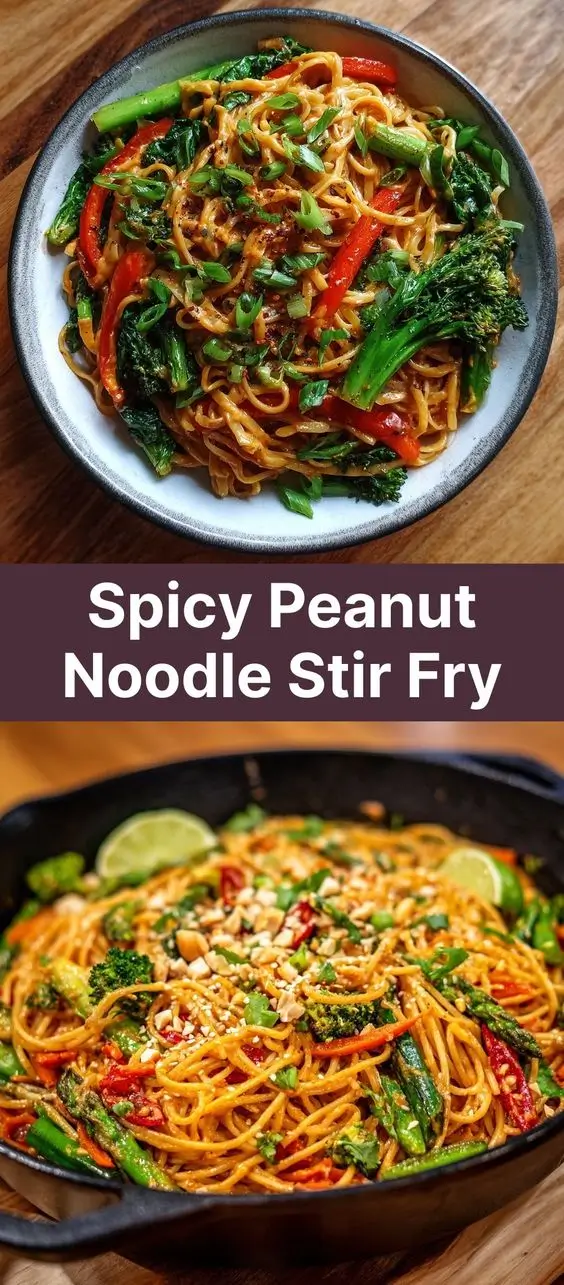
Spicy Peanut Noodle Stir Fry is a vibrant, bold, and deeply satisfying dish that brings together the rich creaminess of peanut butter with the fiery kick of chili for a flavor explosion in every bite. This Asian-inspired noodle dish has become a modern favorite across homes, food trucks, and trendy cafes worldwide due to its perfect balance of savory, sweet, spicy, and tangy notes. Whether you’re looking for a quick weeknight dinner, a plant-based meal option, or something to impress guests without spending hours in the kitchen, this stir fry delivers on all fronts.
The History
The roots of Spicy Peanut Noodle Stir Fry can be traced back to Southeast Asian culinary traditions, particularly from countries like Thailand, Indonesia, and Vietnam, where peanuts are a staple ingredient used in sauces, marinades, and dressings. Dishes such as Thai Pad Thai, Indonesian Gado Gado, and Vietnamese Bun Cha Gio have long featured peanut-based sauces as central components. However, the modern version of Spicy Peanut Noodle Stir Fry as we know it today emerged in the fusion cuisine movement of the late 20th century, particularly in North America and Western Europe.
Chefs and home cooks began experimenting by combining traditional Asian stir-fry techniques with Western ingredients and preferences—resulting in bolder, spicier, and more robustly flavored dishes. The use of peanut butter as a base for sauces became increasingly popular due to its accessibility, affordability, and rich umami profile. Over time, variations incorporating vegetables, proteins, and different types of noodles evolved, making this dish a versatile canvas for culinary creativity. Today, it stands as a beloved comfort food that bridges cultures and palates.
Ingredients Breakdown
The magic of Spicy Peanut Noodle Stir Fry lies in its harmonious blend of simple yet potent ingredients. Each component plays a crucial role in building layers of flavor, texture, and aroma:
- Peanut Butter: The star ingredient, providing richness, nuttiness, and body to the sauce. Opt for natural, unsweetened varieties to avoid added sugars and hydrogenated oils.
- Soy Sauce or Tamari: Adds saltiness and depth. Tamari is a gluten-free alternative with a smoother, richer taste.
- Rice Vinegar or Apple Cider Vinegar: Brings brightness and acidity, balancing the richness of the peanut butter.
- Chili Garlic Sauce or Sriracha: Delivers the signature heat. Adjust quantity based on spice tolerance.
- Maple Syrup or Honey: A touch of sweetness to round out the flavors. For vegans, maple syrup is ideal.
- Fresh Ginger and Garlic: Provide aromatic warmth and pungency essential to the dish’s complexity.
- Sesame Oil: Used both in the sauce and for finishing, adding a toasty, nutty depth.
- Noodles: Traditionally rice noodles, soba, udon, or even spaghetti work well. Whole grain or legume-based noodles add fiber and protein.
- Vegetables: Common choices include bell peppers, carrots, snap peas, broccoli, cabbage, mushrooms, and spinach—chosen for crunch, color, and nutrition.
- Protein (optional): Tofu, tempeh, chicken, shrimp, or edamame can be added for extra sustenance.
- Toppings: Chopped peanuts, green onions, cilantro, lime wedges, and sesame seeds elevate freshness and presentation.
Step-by-Step Recipe
- Cook the Noodles: Bring a large pot of salted water to a boil. Cook your chosen noodles according to package instructions until al dente. Drain and rinse under cold water to stop the cooking process. Toss with a small amount of neutral oil (like vegetable or avocado) to prevent sticking. Set aside.
- Prepare the Sauce: In a medium bowl, whisk together ½ cup natural peanut butter, ¼ cup soy sauce (or tamari), 3 tablespoons rice vinegar, 1–2 tablespoons honey or maple syrup, 1 tablespoon sesame oil, 1 tablespoon chili garlic sauce (adjust to taste), 2 minced garlic cloves, and 1 tablespoon grated fresh ginger. If the sauce is too thick, gradually add warm water (3–4 tablespoons) until it reaches a smooth, pourable consistency.
- Stir-Fry the Vegetables: Heat 1–2 tablespoons of neutral oil in a large wok or skillet over medium-high heat. Add harder vegetables first (e.g., carrots, broccoli) and stir-fry for 3–4 minutes. Then add softer vegetables (bell peppers, snap peas, mushrooms) and cook another 2–3 minutes until crisp-tender. For leafy greens like spinach or bok choy, add them last and wilt briefly.
- Add Protein (if using): If including tofu, chicken, or shrimp, cook separately beforehand. Pan-sear until golden and heated through, then toss into the vegetables during the last minute of cooking.
- Combine Everything: Return the cooled noodles to the pot or add them directly to the wok with the vegetables. Pour the prepared peanut sauce over the top. Toss everything thoroughly using tongs or two forks until evenly coated and heated through. Do not overheat, as excessive heat can cause the peanut butter to separate.
- Adjust Seasoning: Taste and adjust—add more soy sauce for saltiness, vinegar for tang, honey for sweetness, or chili sauce for heat.
- Serve: Divide into bowls and garnish generously with chopped roasted peanuts, sliced green onions, fresh cilantro, a squeeze of lime juice, and a sprinkle of sesame seeds.
Tips
- Prevent Clumping: Always rinse cooked noodles with cold water and toss with a bit of oil to keep them separated.
- Sauce Consistency: The sauce should be fluid enough to coat the noodles smoothly. Warm water is key—add it slowly until desired thinness is achieved.
- Balancing Flavors: Use the “taste-as-you-go” method. The ideal sauce should hit all five tastes: salty, sweet, sour, bitter, and umami.
- High-Heat Cooking: Keep the stir-fry moving constantly to avoid burning, especially when adding sauce.
- Meal Prep Friendly: Cook components separately and store in airtight containers. Assemble and reheat quickly for lunch or dinner.
- Texture Matters: Don’t overcook vegetables—retain their crunch for contrast against the creamy sauce.
- Use Fresh Aromatics: Pre-minced garlic or ground ginger lacks the punch of freshly grated versions. Always opt for fresh when possible.
Variations and Customizations
One of the greatest strengths of Spicy Peanut Noodle Stir Fry is its adaptability. Here are some creative twists to suit dietary needs, flavor cravings, or seasonal ingredients:
- Vegan & Plant-Based: Use maple syrup instead of honey and choose tofu or tempeh as the protein source.
- Gluten-Free: Substitute soy sauce with tamari or coconut aminos and use rice noodles or gluten-free pasta.
- Low-Carb/Keto: Replace noodles with spiralized zucchini (zoodles), shirataki noodles, or sautéed cabbage strips.
- Mediterranean Twist: Swap peanut butter for almond butter, add sun-dried tomatoes, olives, and feta cheese for a fusion flair.
- Tropical Version: Incorporate mango, pineapple, red onion, and crushed macadamia nuts for a sweet and spicy island vibe.
- Thai-Inspired: Add lemongrass, kaffir lime leaves, fish sauce (or vegan alternative), and Thai basil for authentic street-food vibes.
- Meat Lovers: Try grilled chicken, beef strips, pork tenderloin, or shrimp for a heartier version.
- Extra Crunch: Top with crispy wonton strips, fried shallots, or crushed ramen noodles.
- Nut-Free Option: Replace peanut butter with sunflower seed butter or tahini (sesame paste), adjusting seasoning accordingly.
- Cold Noodle Salad: Chill the dish after mixing and serve cold—perfect for summer picnics or packed lunches.
Health Considerations and Nutritional Value
When prepared thoughtfully, Spicy Peanut Noodle Stir Fry can be a nutritious, well-rounded meal. Let’s break down the health aspects:
- Peanut Butter: Rich in healthy monounsaturated fats, protein, vitamin E, magnesium, and niacin. However, portion control is important due to calorie density. Choose natural versions without added sugar or palm oil.
- Soy Sauce: High in sodium, so those monitoring blood pressure should use low-sodium versions or limit intake. Tamari generally contains less salt than regular soy sauce.
- Noodles: Refined wheat or rice noodles offer quick energy but low fiber. Opt for whole grain, buckwheat (soba), lentil, or chickpea-based noodles for higher protein and fiber content.
- Vegetables: Packed with vitamins A, C, K, antioxidants, and dietary fiber. The more colorful your veggie mix, the broader the nutrient profile.
- Added Sugars: Be mindful of sweeteners in both the sauce and store-bought condiments like chili garlic sauce. Use sparingly or substitute with monk fruit or stevia if needed.
- Allergens: Contains peanuts—a major allergen. Always label clearly if serving others. Also check for cross-contamination risks in shared kitchens.
Estimated Nutritional Profile (per serving, approx. 1.5 cups with tofu and mixed veggies):
| Calories: | 480–550 kcal |
| Protein: | 18–22g |
| Fat: | 20–25g (mostly healthy fats) |
| Carbohydrates: | 55–65g |
| Dietary Fiber: | 7–9g |
| Sugar: | 8–12g (depending on sweetener) |
| Sodium: | 800–1200mg (adjustable) |
This dish provides sustained energy, supports muscle repair (especially with added plant or animal protein), and promotes digestive health thanks to fiber-rich vegetables and whole grains.
Ingredients
- 8 oz (225g) noodles (rice, soba, or whole wheat)
- ½ cup natural creamy peanut butter (unsweetened)
- ¼ cup soy sauce or tamari
- 3 tbsp rice vinegar or apple cider vinegar
- 1–2 tbsp maple syrup or honey
- 1 tbsp sesame oil
- 1 tbsp chili garlic sauce or sriracha (adjust to taste)
- 2 cloves garlic, minced
- 1 tbsp fresh ginger, grated
- 3–4 tbsp warm water (for thinning sauce)
- 2 tbsp neutral oil (avocado, grapeseed, or vegetable)
- 2 cups mixed vegetables (carrots, bell pepper, broccoli, snap peas, mushrooms)
- 1 cup baby spinach or bok choy (optional)
- 1 cup cubed firm tofu, cooked chicken, or shrimp (optional)
- ¼ cup chopped roasted peanuts
- 3 green onions, sliced
- Fresh cilantro, chopped
- Lime wedges, for serving
- Sesame seeds, for garnish
Directions
- Cook the noodles in boiling salted water according to package directions. Drain, rinse under cold water, toss with a little oil, and set aside.
- In a bowl, whisk together peanut butter, soy sauce, rice vinegar, maple syrup, sesame oil, chili garlic sauce, garlic, and ginger. Gradually add warm water until smooth and creamy.
- Heat neutral oil in a large wok or skillet over high heat. Add carrots, broccoli, and bell peppers; stir-fry for 3–4 minutes.
- Add mushrooms and snap peas; cook 2–3 minutes more until vegetables are crisp-tender.
- If using protein, add it now and heat through. Stir in spinach just until wilted.
- Add drained noodles and pour sauce over everything. Toss continuously for 1–2 minutes until fully combined and warmed (do not boil).
- Taste and adjust seasoning—more vinegar for tang, honey for sweetness, or chili for heat.
- Transfer to serving bowls and top with chopped peanuts, green onions, cilantro, sesame seeds, and a generous squeeze of fresh lime juice.
- Serve immediately, ideally while still warm and fragrant.
FAQ
Can I make this ahead of time?
Yes! Prepare the sauce and chop vegetables up to 2 days in advance. Cook noodles and protein just before assembling. The dish reheats well in a pan over low heat with a splash of water to refresh the sauce.
Why is my sauce separating?
Peanut butter can seize or split if exposed to high heat or insufficient liquid. Always mix the sauce with warm water first and toss gently over low-medium heat. Avoid boiling.
Is this dish spicy?
It depends on how much chili sauce you add. Start with 1 teaspoon and increase gradually. You can also remove seeds from fresh chilies or use mild alternatives like paprika for kids or sensitive palates.
Can I freeze Spicy Peanut Noodle Stir Fry?
Freezing is not recommended due to the dairy-free sauce potentially separating upon thawing and vegetables becoming soggy. Best enjoyed fresh or refrigerated for up to 3 days.
What can I use instead of peanut butter?
Sunflower seed butter, almond butter, cashew butter, or tahini work well. Note that each will alter the flavor slightly—tahini adds bitterness, while nut butters enhance richness.
How do I keep the noodles from getting mushy?
Do not overcook them initially. Rinse with cold water immediately after draining and only reheat briefly when tossing with sauce.
Can I make it oil-free?
Yes—sauté vegetables in vegetable broth or water instead of oil. Skip sesame oil or replace with toasted sesame powder for flavor.
Summary
Spicy Peanut Noodle Stir Fry is a dynamic, flavor-packed meal that combines creamy peanut sauce with vibrant vegetables, chewy noodles, and customizable proteins. Quick to prepare, endlessly adaptable, and bursting with bold Asian-inspired flavors, it’s a modern classic that satisfies both adventurous eaters and picky palates alike.