Lentil Tikka Masala: A Hearty, Plant-Based Twist on a Classic Favorite
Introduction
Lentil Tikka Masala is a rich, aromatic, and deeply satisfying plant-based adaptation of the beloved Indian-inspired dish, Chicken Tikka Masala. While traditional versions feature marinated chicken grilled in a tandoor and simmered in a creamy tomato-based sauce, this lentil-centric variation brings all the bold flavors and luxurious textures while being entirely vegan-friendly. Packed with protein-rich lentils, warming spices, and a velvety masala gravy, Lentil Tikka Masala is perfect for cozy dinners, meal prepping, or impressing guests at dinner parties. Whether you’re vegetarian, vegan, or simply looking to reduce your meat intake without sacrificing flavor, this dish delivers comfort and complexity in every bite.
The History
Chicken Tikka Masala is widely regarded as Britain’s national dish, though its origins are steeped in culinary cross-pollination between Indian and British food traditions. The story goes that South Asian chefs in the UK during the mid-20th century adapted traditional Indian tandoori cooking to suit local palates by creating a creamy, spiced tomato sauce to serve alongside grilled chicken tikka. Over time, it evolved into a global favorite.
As plant-based eating has gained momentum, innovative home cooks and chefs began reimagining classic meat dishes with legumes, vegetables, and tofu. Lentil Tikka Masala emerged as a standout alternative—offering the same depth of flavor, texture contrast, and nutritional benefits without relying on animal products. Lentils, a staple in Indian cuisine for thousands of years, naturally lend themselves to this transformation. Known as “dal” in Hindi, lentils are celebrated for their affordability, sustainability, and high protein and fiber content. By combining ancient legume traditions with modern fusion flair, Lentil Tikka Masala bridges cultures and eras—one delicious spoonful at a time.
Ingredients Breakdown
Creating an authentic-tasting yet accessible Lentil Tikka Masala begins with understanding each ingredient’s role in building layers of flavor, aroma, and texture:
- Dry Brown or Green Lentils (1 cup): These hold their shape well after cooking and provide a hearty, meaty texture. Red lentils can be used but will break down more, resulting in a creamier, dal-like consistency.
- Plain Yogurt or Vegan Yogurt (½ cup): Used in the marinade to tenderize the lentils (yes, even legumes benefit from marinating!) and add tanginess. Coconut or soy-based yogurt works perfectly for a vegan version.
- Smoked Paprika or Kashmiri Red Chili Powder (1 tsp): Adds color and mild heat. Traditional recipes use Kashmiri chili for vibrant red hue without excessive spice; smoked paprika mimics the smoky depth if grilled elements aren’t possible.
- Ginger-Garlic Paste (1 tbsp): The aromatic foundation of most Indian curries. Freshly made paste offers superior flavor over powdered forms.
- Garam Masala (1 tsp): A warming blend of ground spices like cinnamon, cardamom, cloves, cumin, and black pepper. It’s often added toward the end of cooking to preserve its volatile oils.
- Ground Cumin & Coriander (1 tsp each): Earthy and citrusy notes that form the backbone of the masala base.
- Turmeric (½ tsp): Adds golden color and subtle earthiness along with anti-inflammatory properties.
- Onion (1 large, finely chopped): Builds sweetness and body when sautéed slowly.
- Tomatoes (2 cups crushed or pureed): Preferably fire-roasted or canned for consistent flavor. They form the acidic counterpoint to the richness of the sauce.
- Fresh Cream or Coconut Milk (½ cup): Gives the sauce its signature silkiness. Full-fat coconut milk is ideal for a dairy-free version.
- Vegetable Oil or Ghee (3 tbsp): For sautéing aromatics. Ghee adds nuttiness, while neutral oil keeps it vegan.
- Fresh Cilantro (for garnish): Brightens the finished dish with herbal freshness.
- Lemon Juice (1 tbsp): Added at the end to lift the flavors and balance richness.
- Salt & Black Pepper (to taste): Essential for seasoning throughout the process.
Step-by-Step Recipe
Step 1: Cook the Lentils
- Rinse 1 cup of dry brown or green lentils under cold water until the water runs clear.
- In a medium pot, combine lentils with 3 cups of water and a pinch of salt. Bring to a boil, then reduce heat and simmer uncovered for 25–30 minutes, or until tender but still holding their shape. Avoid overcooking—they should not be mushy.
- Drain and set aside. Reserve about ½ cup of cooking liquid in case you need to thin the sauce later.
Step 2: Marinate the Lentils (Optional but Recommended)
- In a bowl, mix together ½ cup plain or vegan yogurt, 1 tsp lemon juice, 1 tsp ginger-garlic paste, ½ tsp smoked paprika, ½ tsp garam masala, ¼ tsp turmeric, and salt to taste.
- Add the cooked lentils to the marinade and stir gently to coat. Let sit for at least 30 minutes (or up to 2 hours in the fridge). This step enhances flavor absorption and gives the lentils a “grilled” depth.
Step 3: Sauté the Aromatics
- Heat 2 tbsp oil or ghee in a heavy-bottomed skillet or Dutch oven over medium heat.
- Add 1 finely chopped onion and sauté for 8–10 minutes, stirring occasionally, until soft and golden brown.
- Stir in 1 tsp ground cumin, 1 tsp ground coriander, ½ tsp turmeric, and a pinch of chili powder. Toast for 30 seconds until fragrant.
- Add 1 tbsp ginger-garlic paste and cook for another minute.
Step 4: Build the Tomato Gravy
- Pour in 2 cups of crushed tomatoes (preferably fire-roasted). Stir well and bring to a gentle simmer.
- Cook uncovered for 12–15 minutes, allowing the sauce to thicken and deepen in flavor. Stir occasionally to prevent sticking.
- Use a wooden spoon to mash any large tomato chunks for a smoother texture.
Step 5: Simmer with Lentils and Cream
- Add the marinated lentils (with marinade) to the tomato sauce. Stir to combine.
- Pour in ½ cup of heavy cream or full-fat coconut milk. Stir gently.
- Simmer on low heat for 10–12 minutes, allowing the flavors to meld. If the sauce becomes too thick, add reserved lentil water or vegetable broth to reach desired consistency.
- Stir in 1 tsp garam masala and season with salt and black pepper to taste.
- Finish with 1 tbsp lemon juice and fresh cilantro.
Step 6: Serve Warm
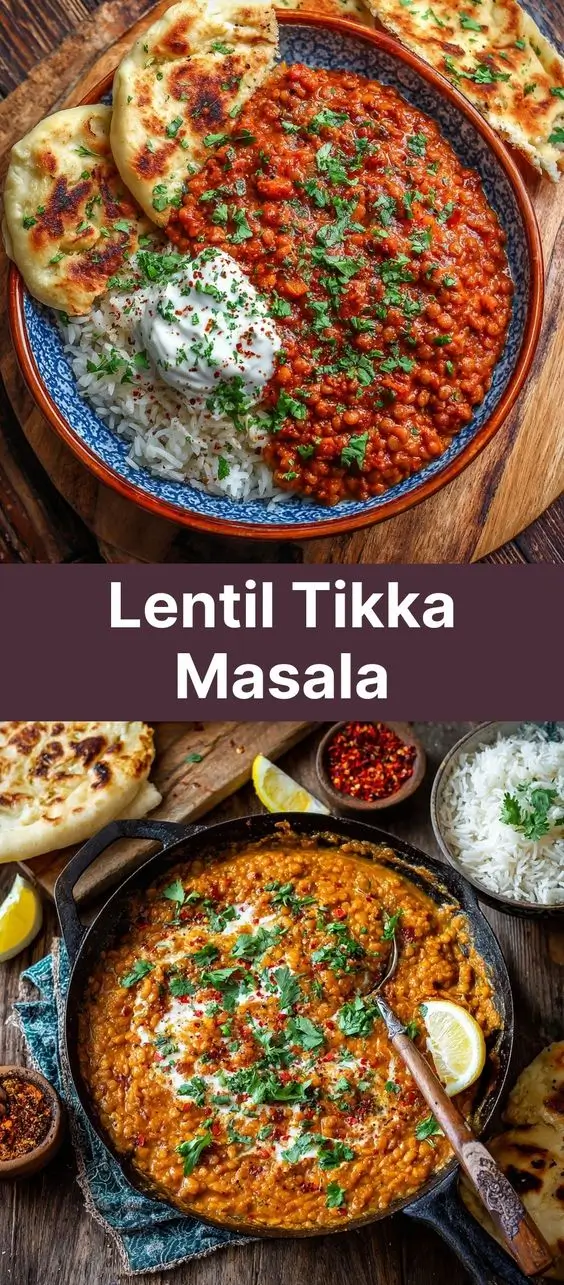
- Serve hot over basmati rice, jeera rice, or with naan bread.
- Garnish with extra cilantro, a swirl of cream or coconut milk, and a sprinkle of garam masala.
Tips
- Don’t skip the marination: Even a short 30-minute soak infuses the lentils with flavor and helps them absorb the spices better.
- Caramelize the onions slowly: Deep browning equals deep flavor. Rushing this step leads to a flat-tasting sauce.
- Bloom the spices: Always toast ground spices in oil for 20–30 seconds before adding liquids to unlock their essential oils.
- Use fire-roasted tomatoes: Their slightly charred flavor mimics the traditional tandoor effect.
- Adjust creaminess: For a lighter version, use Greek yogurt instead of cream. For ultra-richness, double the coconut milk.
- Low and slow simmers yield better results: Allow the curry to bubble gently for at least 10 minutes after adding lentils for maximum flavor development.
- Taste and adjust: Balance acidity (tomatoes), sweetness (onions), salt, and heat throughout the cooking process.
- Make ahead magic: Like many curries, Lentil Tikka Masala tastes even better the next day as the spices mature.
Variations and Customizations
Protein Variants
- Red Lentil Version: Use split red lentils for a softer, creamier texture similar to traditional dal. Reduce cooking time to 15–20 minutes.
- Chickpea Tikka Masala: Substitute lentils with canned or cooked chickpeas for a different legume profile.
- Tofu or Paneer Addition: Add grilled paneer (Indian cheese) or smoked tofu cubes for extra protein and texture contrast.
Spice Level Adjustments
- Mild: Omit chili powder or use only a pinch of cayenne. Increase cream or coconut milk.
- Medium: Use ½ tsp Kashmiri chili or paprika + ¼ tsp cayenne.
- Hot: Add ½ tsp cayenne, fresh green chilies, or a dash of hot sauce.
Flavor Twists
- Smoky Version: Add ½ tsp liquid smoke or grill the marinated lentils on a skewer for 5 minutes before adding to sauce.
- Creamy Cashew Base: Blend soaked cashews with water to replace cream for a richer, nuttier sauce.
- Coconut Lime Twist: Add 1 tsp lime zest and substitute some coconut milk with coconut cream for tropical brightness.
- Curry Leaf Infusion: Temper 8–10 fresh curry leaves in hot oil before adding onions for authentic South Indian flair.
Dietary Adaptations
- Gluten-Free: Naturally gluten-free—just ensure all packaged ingredients (like yogurt or broth) are certified GF.
- Oil-Free: Sauté onions in water or vegetable broth instead of oil.
- Low-Fat: Replace cream with unsweetened almond milk and reduce oil to 1 tsp.
- Keto-Friendly: Not traditionally keto due to lentils, but could be adapted using cauliflower florets or mushrooms as base (though not a true lentil version).
Health Considerations and Nutritional Value
Lentil Tikka Masala is not only flavorful but also highly nutritious, making it a smart choice for health-conscious eaters:
Nutritional Highlights (Per Serving, Approximate)
- Calories: ~320 kcal
- Protein: 18g – Excellent plant-based source, supports muscle repair and satiety.
- Fiber: 15g – Promotes digestive health, regulates blood sugar, and enhances fullness.
- Carbohydrates: 45g (mostly complex carbs from lentils)
- Fat: 10g (healthy fats from oil/coconut milk; mostly unsaturated)
- Iron: 30% DV – Vital for oxygen transport; enhanced by vitamin C from tomatoes.
- Folate: 70% DV – Important for cell division and especially beneficial during pregnancy.
- Potassium & Magnesium: Support heart and nerve function.
Health Benefits
- Heart Health: Lentils are linked to reduced cholesterol and blood pressure due to high fiber and polyphenol content.
- Blood Sugar Control: Low glycemic index and high fiber help stabilize glucose levels, ideal for diabetics.
- Weight Management: High protein and fiber increase satiety, reducing overall calorie intake.
- Anti-Inflammatory Properties: Turmeric (curcumin), garlic, and ginger have potent anti-inflammatory and antioxidant effects.
- Gut Health: Prebiotic fibers in lentils feed beneficial gut bacteria.
Considerations
- Sodium Content: Can be high if using canned tomatoes or store-bought broths. Opt for no-salt-added versions and control added salt.
- Phytates and Lectins: Present in raw lentils but largely neutralized by soaking and thorough cooking.
- Gas and Bloating: Some people may experience digestive discomfort from legumes. Soaking and rinsing lentils thoroughly, and introducing them gradually into the diet, can help.
- Allergies: Be mindful of nut allergies when using cashew cream. Coconut allergies are rare but possible.
Ingredients
- 1 cup dry brown or green lentils
- 3 cups water (for cooking lentils)
- ½ cup plain or vegan yogurt
- 1 tsp lemon juice (for marinade)
- 1 tbsp ginger-garlic paste (divided)
- 1 tsp smoked paprika or Kashmiri chili powder (divided)
- 1 tsp garam masala (divided)
- ½ tsp turmeric powder (divided)
- Salt to taste
- 2 tbsp vegetable oil or ghee
- 1 large onion, finely chopped
- 1 tsp ground cumin
- 1 tsp ground coriander
- Pinch of cayenne (optional)
- 2 cups crushed fire-roasted tomatoes
- ½ cup heavy cream or full-fat coconut milk
- Black pepper to taste
- 1 tbsp lemon juice (final touch)
- Fresh cilantro, chopped (for garnish)
Directions
- Cook Lentils: Rinse lentils and cook in 3 cups water with a pinch of salt for 25–30 minutes until tender. Drain and reserve ½ cup cooking liquid.
- Marinate: In a bowl, combine yogurt, 1 tsp lemon juice, 1 tsp ginger-garlic paste, ½ tsp smoked paprika, ½ tsp garam masala, ¼ tsp turmeric, and salt. Add cooked lentils and marinate for 30+ minutes.
- Sauté Onions: Heat oil in a pot. Add onions and cook 8–10 minutes until golden. Stir in cumin, coriander, ½ tsp turmeric, and optional cayenne. Toast 30 seconds.
- Add Aromatics: Stir in remaining 1 tsp ginger-garlic paste. Cook 1 minute.
- Build Sauce: Add crushed tomatoes. Simmer 12–15 minutes until thickened.
- Combine: Add marinated lentils and all marinade. Stir well.
- Add Cream: Pour in cream or coconut milk. Simmer 10–12 minutes on low. Adjust thickness with reserved water if needed.
- Season: Stir in remaining ½ tsp garam masala, salt, and black pepper.
- Finish: Off heat, stir in 1 tbsp lemon juice and garnish with cilantro.
- Serve: With rice or naan. Garnish with extra cream and herbs.
FAQ
Can I use canned lentils?
Yes, but they may be softer. Drain and rinse 2.5 cups canned lentils. Skip cooking step and marinate directly. Reduce simmer time to 8 minutes.
How long does it keep?
Refrigerate in an airtight container for up to 5 days. Freezes well for up to 3 months. Reheat gently on stove with a splash of water or broth.
Is Lentil Tikka Masala spicy?
It’s mildly to moderately spiced depending on chili use. You can easily adjust heat to preference.
Can I make it in a slow cooker?
Absolutely! After sautéing onions and spices, transfer to a slow cooker. Add tomatoes, marinated lentils, and cream. Cook on low for 4–6 hours or high for 2–3 hours.
What can I serve with it?
Basmati rice, jeera rice, quinoa, roti, naan, or even over roasted sweet potatoes. A side of cucumber raita (or vegan version with coconut yogurt) complements it beautifully.
Why did my sauce separate?
This can happen if the temperature is too high or if dairy curdles. To prevent: maintain low heat, add cream gradually, and avoid boiling after adding dairy alternatives.
Can I make it nut-free?
Yes. Avoid cashew cream. Stick to coconut milk or dairy/soy cream. Ensure all other ingredients are nut-free.
Can kids eat this?
Yes! Many children enjoy the creamy, mildly spiced version. Serve with extra rice to dilute heat if needed.
Summary
Lentil Tikka Masala is a rich, aromatic, and nutritious plant-based reinvention of a global favorite, combining protein-packed lentils with a luxuriously spiced tomato-cream gravy. Easy to customize, packed with health benefits, and deeply satisfying, it’s a must-have recipe for weeknights, meal prep, or sharing with loved ones.