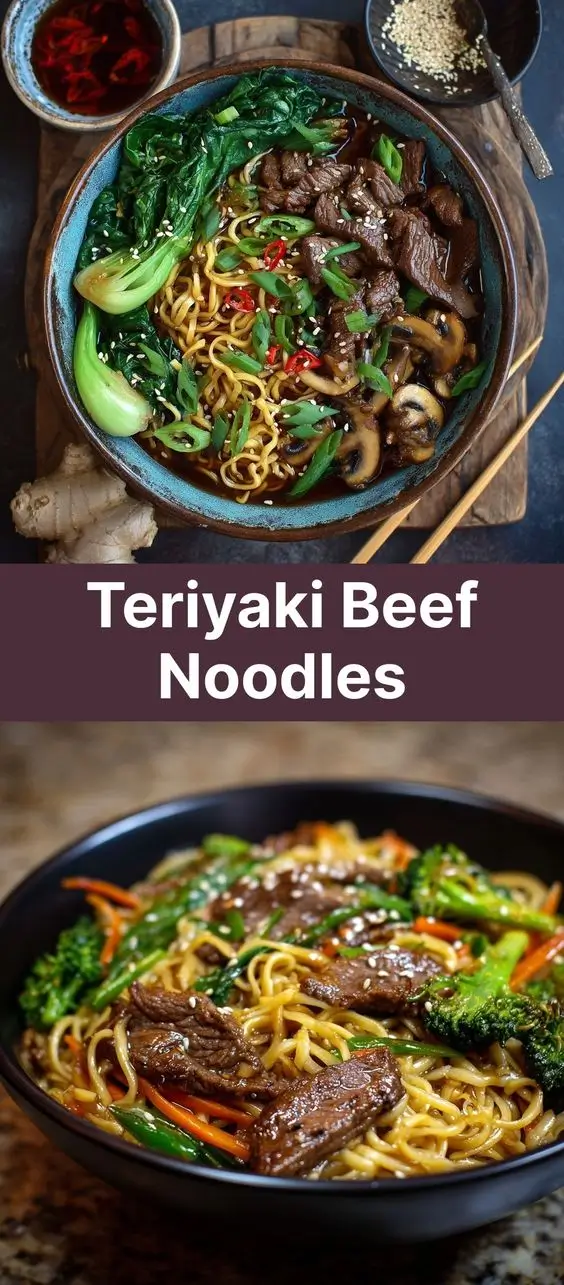
Teriyaki Beef Noodles: A Flavorful Fusion of Japanese and Asian-Inspired Cuisine
The History of Teriyaki Beef Noodles
The origins of teriyaki beef noodles trace back to traditional Japanese cooking, where “teri” means luster and “yaki” refers to grilling or broiling. Originally, teriyaki was a method of preparing fish—typically salmon or mackerel—by glazing it with a mixture of soy sauce, mirin, and sugar, then broiling it until it developed a beautiful glossy sheen. This technique dates back to the Edo period (1603–1868) when Japan began refining its culinary arts with emphasis on balance, presentation, and umami-rich flavors.
As Japanese cuisine spread globally during the 20th century, particularly after World War II, adaptations of teriyaki emerged in regions like Hawaii and North America. Immigrant communities fused traditional Japanese techniques with local tastes, giving rise to what we now know as teriyaki chicken and, later, teriyaki beef. The incorporation of noodles—especially soba, udon, and ramen—into teriyaki-based dishes reflects the broader trend of pan-Asian fusion. In this context, teriyaki beef noodles represent a delicious hybrid: a dish that honors Japanese roots while embracing the versatility and convenience of stir-fried noodle meals popularized in Chinese and Southeast Asian street food culture.
Today, teriyaki beef noodles are celebrated worldwide as a quick, satisfying meal that balances sweet, salty, savory, and slightly tangy notes. Found in home kitchens, bento boxes, and upscale urban eateries alike, this dish exemplifies how cultural exchange enriches global gastronomy—one delectable bite at a time.
Ingredients Breakdown: What Makes This Dish Shine?
The magic of teriyaki beef noodles lies in its harmonious blend of ingredients, each contributing depth, texture, and flavor. Below is an in-depth look at every component:
- Soy Sauce: The backbone of the teriyaki glaze, soy sauce provides saltiness and umami. Use reduced-sodium soy sauce if you’re watching your salt intake, or opt for tamari for a gluten-free alternative.
- Honey or Brown Sugar: Adds sweetness that balances the saltiness of soy sauce. Honey lends a floral note, while brown sugar imparts a deeper molasses-like richness. Both help create the signature caramelized glaze when cooked.
- Rice Vinegar: Introduces a subtle tanginess that brightens the overall flavor profile and cuts through the richness of the beef.
- Fresh Ginger: Grated or minced ginger adds warmth and zing. It’s not just flavorful—it also aids digestion and brings a refreshing kick.
- Garlic: Minced garlic enhances aroma and deepens the savory complexity. When sautéed, it becomes sweet and nutty, blending seamlessly into the sauce.
- Sesame Oil: Used sparingly, toasted sesame oil contributes a nutty fragrance that elevates the dish’s aromatic profile.
- Beef (Flank Steak, Sirloin, or Ribeye): Thinly sliced against the grain ensures tenderness. Flank steak offers bold flavor and good marbling, while sirloin strikes a balance between leanness and juiciness.
- Noodles (Udon, Soba, Ramen, or Rice Noodles): Udon provides chewiness; soba offers earthy buckwheat notes; ramen delivers springiness; rice noodles bring lightness and work well for gluten-free diets.
- Vegetables (Bell Peppers, Broccoli, Carrots, Snap Peas, Mushrooms): These add color, crunch, fiber, and nutrients. They also absorb the teriyaki sauce beautifully during stir-frying.
- Green Onions and Sesame Seeds: For garnish—green onions add freshness, while sesame seeds contribute visual appeal and a delicate crunch.
- Cornstarch (optional): Used to thicken the teriyaki sauce or to velvety-coat the beef slices before cooking, improving texture and helping retain moisture.
- Water or Broth: Helps dilute the sauce slightly and allows even coating over the noodles and ingredients.
Step-by-Step Recipe: How to Make Perfect Teriyaki Beef Noodles at Home
Follow these detailed steps to recreate restaurant-quality teriyaki beef noodles in your own kitchen. With proper prep and timing, this entire meal can be ready in under 30 minutes.
Preparation (10 minutes)
- Marinate the Beef: Slice 1 pound of flank steak or sirloin into thin strips across the grain. Place in a bowl and toss with 1 tablespoon soy sauce, 1 teaspoon cornstarch, and a dash of black pepper. Let sit for 10–15 minutes while you prepare other ingredients.
- Cook the Noodles: Bring a large pot of water to boil. Cook 8 oz of your preferred noodles (udon, soba, etc.) according to package instructions until al dente. Drain, rinse under cold water to stop cooking, and toss with a tiny bit of oil to prevent sticking. Set aside.
- Chop Vegetables: Slice 1 red bell pepper, 1 cup broccoli florets, 1 medium carrot (julienned), and ½ cup snap peas. Mince 2 cloves of garlic and grate 1-inch piece of fresh ginger.
- Prepare the Teriyaki Sauce: In a small bowl, whisk together:
- ¼ cup soy sauce
- 2 tablespoons honey or brown sugar
- 1 tablespoon rice vinegar
- 1 tablespoon water
- 1 teaspoon toasted sesame oil
- 1 teaspoon cornstarch (for thickening)
- Minced garlic and grated ginger
Cooking (15 minutes)
- Stir-Fry the Beef: Heat 1 tablespoon vegetable oil in a large wok or skillet over high heat. Add the marinated beef in a single layer and sear for 1–2 minutes per side until browned but still tender. Remove and set aside.
- Sauté the Vegetables: In the same pan, add another teaspoon of oil if needed. Toss in all chopped vegetables and stir-fry for 3–4 minutes until crisp-tender. You want them vibrant and slightly charred at the edges.
- Combine Everything: Return the beef to the pan. Give the teriyaki sauce a quick re-whisk and pour it over the contents. Stir constantly as the sauce heats up and begins to bubble and thicken—about 2–3 minutes.
- Add the Noodles: Add the cooked noodles to the wok. Use tongs or two spatulas to toss everything thoroughly, ensuring each strand is coated in the glossy teriyaki glaze. Cook for another 1–2 minutes to warm through.
Finishing Touches
- Taste and Adjust: Sample the dish. Add a splash more soy sauce for saltiness, honey for sweetness, or a squeeze of lime for brightness.
- Garnish and Serve: Transfer to serving bowls. Top generously with sliced green onions, a sprinkle of toasted sesame seeds, and optional red pepper flakes for heat.
Pro Tips for the Best Teriyaki Beef Noodles
- Slice Beef Against the Grain: This breaks up muscle fibers, making the meat much more tender. Look for the direction of the striations and cut perpendicular to them.
- Don’t Overcook the Beef: High heat for a short time gives you juicy, flavorful results. Overcooking leads to toughness, especially with lean cuts.
- Use Fresh Ginger and Garlic: Avoid pre-minced versions from jars—they lack vibrancy and often contain preservatives.
- Thicken the Sauce Properly: Cornstarch must be dissolved in cold liquid first (like water) before adding to hot mixtures to avoid clumping.
- Prep Everything Before Cooking: Stir-frying happens quickly. Have all ingredients chopped, measured, and within reach—a principle known as “mise en place.”
- Reserve Some Sauce: Keep a few tablespoons of teriyaki sauce uncooked to drizzle on top after plating for enhanced flavor and visual appeal.
- Noodle Rinsing Matters: Rinsing cooked noodles stops residual heat from overcooking them and removes excess starch, preventing gumminess.
- High Heat is Key: A blazing-hot wok or skillet ensures proper searing and prevents steaming, which would dull flavors and textures.
Variations and Customizations: Make It Your Own
One of the greatest strengths of teriyaki beef noodles is its adaptability. Whether catering to dietary needs, regional preferences, or creative whims, here are numerous ways to customize the dish:
Dietary Adaptations
- Gluten-Free: Use tamari instead of soy sauce and choose 100% buckwheat soba or rice noodles.
- Low-Sugar: Replace honey with monk fruit syrup or stevia-based sweeteners. Reduce or omit added sugar entirely—the natural glutamates in soy sauce will still provide savoriness.
- Keto-Friendly: Swap noodles for spiralized zucchini (zoodles), shirataki noodles, or cabbage ribbons. Use a keto-approved sweetener in the sauce.
- Dairy-Free: Naturally dairy-free—no substitutions needed!
Protein Swaps
- Chicken: Substitute beef with boneless chicken thighs or breasts for classic teriyaki chicken noodles.
- Shrimp: Cook peeled shrimp separately and add at the end for a seafood twist.
- Tofu or Tempeh: Press extra-firm tofu, cube it, and pan-sear until golden before adding to the stir-fry. Marinate in teriyaki sauce for deeper flavor.
- Pork: Thinly sliced pork tenderloin works beautifully and absorbs the sauce well.
Noodle Options
- Udon: Thick, chewy wheat noodles ideal for hearty portions.
- Soba: Nutty, slightly bitter buckwheat noodles that pair wonderfully with rich sauces.
- Ramen: Springy and versatile—great for soupy or dry preparations.
- Rice Noodles: Light and delicate, perfect for summer bowls or Thai-inspired variations.
- Spaghetti: In a pinch, regular Italian pasta can stand in—though it lacks the authentic texture.
Flavor Twists
- Spicy Teriyaki: Add sriracha, gochujang, or chili garlic paste to the sauce. Garnish with sliced jalapeños.
- Pineapple Addition: Toss in fresh pineapple chunks for a tropical flair—pairs exceptionally well with beef.
- Coconut Milk Base: Replace some water with coconut milk for a creamy, subtly sweet variation.
- Sesame-Ginger Boost: Double the ginger and add 1–2 tablespoons of tahini or peanut butter for nuttiness.
- Herb-Forward: Finish with cilantro, Thai basil, or mint for a fresh lift.
Health Considerations and Nutritional Value
While teriyaki beef noodles are undeniably delicious, understanding their nutritional makeup helps ensure they fit into a balanced diet.
Nutrition Per Serving (approximate, based on 4 servings):
- Calories: ~550 kcal
- Protein: 28g (excellent source from beef and soy)
- Carbohydrates: 60g (mainly from noodles and sweeteners)
- Fats: 18g (mostly unsaturated from oils and lean beef)
- Sodium: ~900mg (can vary widely depending on soy sauce used)
- Sugars: 14g (naturally occurring and added)
- Fiber: 4g (from vegetables and whole grain options like soba)
Health Benefits
- High-Quality Protein: Supports muscle repair, satiety, and metabolic health.
- B Vitamins (B12, Niacin): Abundant in beef—essential for energy metabolism and nervous system function.
- Iron and Zinc: Beef is rich in heme iron (easily absorbed) and immune-supportive zinc.
- Antioxidants from Vegetables: Bell peppers (vitamin C), carrots (beta-carotene), and broccoli (sulforaphane) boost immunity and cellular health.
- Ginger and Garlic: Possess anti-inflammatory, antimicrobial, and digestive properties.
Potential Concerns
- High Sodium Content: Traditional soy sauce is very salty. Opt for low-sodium versions and control portion sizes.
- Added Sugars: Commercial teriyaki sauces often contain excessive sugar. Homemade versions allow full control over sweetness levels.
- Saturated Fat: Depending on the cut of beef, saturated fat may be moderate. Choose leaner cuts like sirloin to minimize this.
- Refined Carbs: White flour noodles spike blood sugar. Use whole grain, legume-based, or vegetable noodles for lower glycemic impact.
Healthy Modifications
- Use half the amount of sauce and stretch with extra veggies.
- Increase the vegetable-to-noodle ratio for higher fiber and volume with fewer calories.
- Swap white noodles for black bean noodles, lentil pasta, or kelp noodles.
- Drizzle sauce on instead of tossing entire dish to reduce sodium and sugar intake.
- Add fermented sides like kimchi or pickled vegetables to aid digestion.
Full Ingredients List
- 1 lb flank steak or sirloin, thinly sliced
- 8 oz udon, soba, ramen, or rice noodles
- 2 tbsp vegetable oil (divided)
- 1 red bell pepper, sliced
- 1 cup broccoli florets
- 1 medium carrot, julienned
- ½ cup sugar snap peas
- 4 green onions, sliced
- 1 tbsp toasted sesame seeds
For the Teriyaki Sauce:
- ¼ cup soy sauce (or tamari for GF)
- 2 tbsp honey or brown sugar
- 1 tbsp rice vinegar
- 1 tsp toasted sesame oil
- 1 tbsp water
- 1 tsp cornstarch
- 2 cloves garlic, minced
- 1-inch piece ginger, grated
Directions Recap
- Marinate sliced beef in 1 tbsp soy sauce, 1 tsp cornstarch, and pepper for 10–15 minutes.
- Cook noodles according to package; drain, rinse, and set aside.
- Whisk together all teriyaki sauce ingredients in a bowl.
- Heat 1 tbsp oil in a wok; sear beef until browned. Remove and set aside.
- Add remaining oil; stir-fry vegetables for 3–4 minutes until crisp-tender.
- Return beef to pan; pour in sauce and cook until thickened (~2–3 minutes).
- Add noodles and toss to coat evenly. Warm through for 1–2 minutes.
- Adjust seasoning. Garnish with green onions and sesame seeds.
- Serve immediately, optionally with lime wedges or chili oil on the side.
Frequently Asked Questions (FAQ)
Can I make teriyaki beef noodles ahead of time?
Yes! You can prep components separately: slice and marinate beef (up to 24 hours in advance), chop vegetables (store in airtight container for 2–3 days), and cook noodles (rinse, chill, and toss with oil). Reheat quickly in a wok when ready to serve.
How do I store leftovers?
Store in an airtight container in the refrigerator for up to 3–4 days. Reheat in a skillet over medium heat with a splash of water or broth to loosen the sauce. Avoid microwaving for too long, as it can make beef rubbery.
Can I freeze teriyaki beef noodles?
We don’t recommend freezing the full assembled dish—noodles may become mushy upon thawing. However, you can freeze the cooked beef and sauce separately for up to 2 months. Thaw overnight and recombine with freshly cooked noodles and veggies.
Why is my teriyaki sauce too thin?
If the sauce isn’t thickening, ensure the cornstarch is fully dissolved before heating. Simmer for a few extra minutes, stirring constantly. If needed, mix ½ tsp cornstarch with 1 tsp cold water and stir into the bubbling sauce.
Is teriyaki sauce healthy?
Homemade teriyaki sauce is healthier than store-bought versions, which often contain high fructose corn syrup and artificial additives. By controlling ingredients, you can make a clean, balanced version rich in flavor without excess sugar or preservatives.
Can I use frozen vegetables?
Yes, but thaw and pat dry first to avoid excess moisture in the stir-fry. Fresh vegetables yield better texture and color, but frozen ones are a convenient alternative.
What cut of beef is best for teriyaki?
Flank steak, sirloin, flat iron, or ribeye are excellent choices due to their flavor and ability to stay tender when sliced thin and cooked quickly. Avoid stewing cuts like chuck unless braising.
Can I make this vegetarian?
Absolutely! Replace beef with marinated tofu, tempeh, seitan, or mushrooms (shiitake or oyster mushrooms work great). Use the same teriyaki sauce for a plant-powered version.
Are teriyaki beef noodles spicy?
Traditionally, no. But you can easily make them spicy by adding chili paste, crushed red pepper, or fresh chilies to the sauce or as garnish.
What wine pairs well with teriyaki beef noodles?
A light-bodied red like Pinot Noir complements the beef, while a semi-dry Riesling or sparkling sake balances the sweetness and saltiness. For non-alcoholic options, try ginger beer or green tea.
Summary
Teriyaki beef noodles combine tender slices of marinated beef, vibrant vegetables, and chewy noodles tossed in a glossy, homemade teriyaki glaze that’s sweet, salty, and deeply satisfying. Quick to prepare and endlessly customizable, this dish brings the taste of Japanese-inspired comfort food straight to your dinner table.
Perfect for weeknight meals or meal prepping, teriyaki beef noodles offer balanced nutrition, bold flavors, and the flexibility to suit various dietary needs—all in one colorful, aromatic bowl that delights both palate and eye.