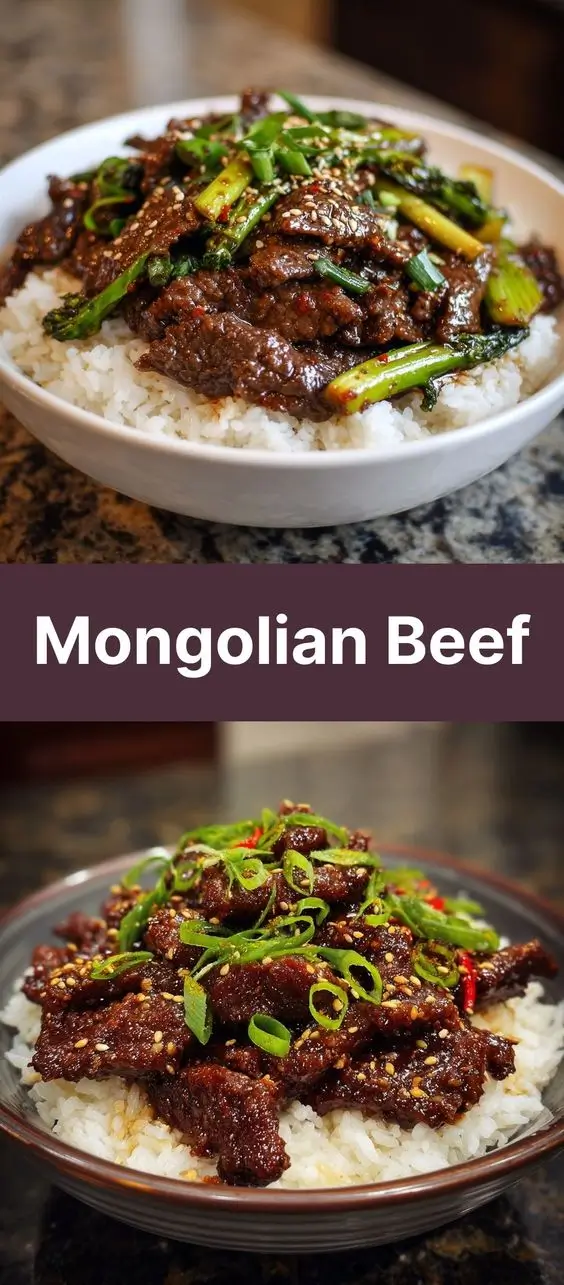
Mongolian Beef: A Flavorful Journey from the Steppes to Your Kitchen
The History of Mongolian Beef
Despite its name, Mongolian beef does not originate from Mongolia in the traditional culinary sense. Instead, this dish is a product of Chinese-American cuisine, developed primarily in restaurants across the United States during the 20th century. The term “Mongolian” in this context likely refers more to the concept of grilled or stir-fried meats associated with nomadic cultures rather than an authentic recipe from Mongolia itself.
In actuality, traditional Mongolian cuisine relies heavily on dairy, mutton, and animal fats due to the country’s harsh climate and pastoral lifestyle. Dishes like buuz (steamed dumplings), khorkhog (meat cooked with hot stones), and airag (fermented mare’s milk) dominate their food culture—there is no classic soy-ginger-scallion sauce-drenched beef dish resembling what we call “Mongolian beef” today.
The modern version of Mongolian beef emerged in American Chinese restaurants as part of a broader trend of adapting Chinese cooking techniques for Western palates. It shares similarities with dishes such as General Tso’s chicken and Szechuan beef but stands out due to its savory-sweet glaze and tender strips of marinated beef. Over time, it gained popularity through takeout menus, food blogs, and viral TikTok recipes, becoming a staple comfort dish loved for its rich flavor and quick preparation.
Today, Mongolian beef represents a delicious fusion of East Asian flavors and American innovation—a testament to how immigrant cuisines evolve when meeting new cultural landscapes. Its global appeal continues to grow, with chefs and home cooks alike experimenting with ingredients and techniques to perfect their own versions.
Ingredients Breakdown
To achieve the signature taste and texture of authentic-tasting Mongolian beef, each ingredient plays a crucial role—from tenderizing the meat to building layers of umami-rich flavor. Below is a detailed breakdown:
For the Beef & Marinade:
- Flank steak or sirloin (1.5 lbs / 680g): These cuts are ideal because they’re flavorful, relatively lean, and slice well into thin strips. Flank steak offers a robust beefy taste, while sirloin provides tenderness. For best results, partially freeze the meat before slicing to get clean, even pieces.
- Soy sauce (¼ cup): Adds saltiness and depth. Use low-sodium soy sauce if you prefer better control over salt levels. Tamari can be used for a gluten-free alternative.
- Rice wine or dry sherry (2 tbsp): Enhances flavor and helps tenderize the meat. If unavailable, substitute with dry white wine or apple juice mixed with a splash of vinegar.
- Cornstarch (2 tbsp): Coats the beef and creates a velvety texture after stir-frying. This technique, known as “velveting,” locks in moisture and prevents overcooking.
- Baking soda (½ tsp): A small amount further tenderizes the beef by altering its pH. Be careful not to exceed this quantity, as too much can leave a soapy aftertaste.
- Vegetable oil (1 tbsp): Prevents the cornstarch-coated beef from clumping and adds richness.
For the Sauce:
- Brown sugar (⅓ cup): Provides the characteristic sweetness that balances the salty soy base. Light or dark brown sugar works; dark adds molasses notes.
- Soy sauce (½ cup): Deepens the umami profile. Again, low-sodium is recommended to avoid excessive salt.
- Water or beef broth (½ cup): Thins the sauce to the right consistency. Broth enhances savoriness.
- Sesame oil (1 tsp): Imparts nutty aroma. Always use toasted sesame oil for maximum flavor.
- Garlic (3 cloves, minced): Freshly minced garlic delivers pungent, aromatic complexity.
- Ginger (1 tbsp fresh grated): Adds warmth and brightness. Avoid dried ginger for this application.
For Stir-Frying:
- High-smoke-point oil (3–4 tbsp): Peanut, avocado, or canola oil works best for high-heat searing without burning.
- Green onions (4–5, sliced): Used both during cooking and as garnish. The white parts go into the stir-fry; green tops add freshness at the end.
- Cornstarch slurry (1 tbsp cornstarch + 2 tbsp water): Thickens the sauce to glossy perfection during the final simmer.
Step-by-Step Recipe
- Prepare the Beef: Slice the flank steak against the grain into thin strips (about ¼ inch thick). Place in a bowl and add soy sauce, rice wine, cornstarch, baking soda, and 1 tablespoon of vegetable oil. Mix thoroughly with your hands until all pieces are evenly coated. Let marinate for at least 20 minutes (or up to 2 hours in the refrigerator).
- Make the Sauce: In a separate bowl, whisk together brown sugar, soy sauce, water (or broth), sesame oil, minced garlic, and grated ginger. Set aside. This pre-mixing ensures even distribution of flavors later.
- Heat the Wok or Skillet: Place a large wok or heavy-bottomed skillet over high heat. Add 2 tablespoons of oil and swirl to coat. Wait until the oil begins to shimmer—or a drop of water sizzles instantly upon contact.
- Stir-Fry the Beef: Working in batches to avoid overcrowding, add the marinated beef in a single layer. Sear for about 1.5 to 2 minutes per side, stirring occasionally, until browned but still slightly pink inside. Remove and set aside. Do not fully cook the beef at this stage—it will finish cooking in the sauce.
- Sauté Aromatics: Reduce heat to medium-high. Add another tablespoon of oil if needed. Toss in the white parts of the sliced green onions and stir-fry for 30 seconds until fragrant.
- Add Sauce Mixture: Pour the prepared sauce into the wok. Bring to a simmer, stirring constantly. Allow it to bubble gently for 1 minute to meld the flavors.
- Thicken the Sauce: Stir the cornstarch slurry again (it settles quickly) and pour it into the simmering sauce. Continue stirring for 1–2 minutes until the sauce thickens to a syrupy, glossy consistency.
- Combine Beef and Sauce: Return the seared beef (and any accumulated juices) to the wok. Add the green parts of the scallions. Stir everything together and cook for another 1–2 minutes until the beef is fully cooked and well-coated with sauce.
- Taste and Adjust: Sample the dish. You may want to add a splash of rice vinegar for acidity, more sugar for sweetness, or red pepper flakes for heat. Balance is key.
- Serve Immediately: Plate hot over steamed jasmine rice, brown rice, cauliflower rice, or noodles. Garnish with extra green onions and a sprinkle of toasted sesame seeds.
Tips for Perfect Mongolian Beef
- Slice Against the Grain: Cutting perpendicular to the muscle fibers shortens them, making the beef easier to chew and more tender.
- Don’t Skip Velveting: The cornstarch-baking soda marinade isn’t just for show—it dramatically improves texture. It’s a pro technique used in many Chinese kitchens.
- Use High Heat: Stir-frying requires intense heat to create that smoky wok hei flavor. Don’t lower the temperature unless food starts to burn.
- Avoid Overcrowding: Cook beef in batches. Adding too much meat at once lowers the pan temperature and causes steaming instead of searing.
- Prep Everything Ahead: Stir-fries move fast. Have all ingredients chopped, sauces mixed, and tools ready before heating the wok.
- Control Sweetness: Some store-bought versions are overly sweet. Adjust sugar gradually based on your preference and the brand of soy sauce used.
- Let It Rest Briefly: After cooking, let the dish sit for 1–2 minutes before serving. This allows flavors to settle and sauce to cling better.
- Double the Batch: This dish reheats well and tastes great the next day. Freeze leftovers for up to 3 months in airtight containers.
Variations and Customizations
Mongolian beef is highly adaptable. Whether you’re catering to dietary needs, flavor preferences, or seasonal availability, here are some creative twists:
Spicy Mongolian Beef
Add 1–2 teaspoons of chili garlic sauce, sriracha, or crushed red pepper flakes to the sauce mixture. For extra heat, include sliced fresh Thai chilies or a drizzle of Lao Gan Ma chili crisp at the end.
Vegetarian/Vegan Version
Replace beef with thick slices of portobello mushrooms, seitan, tofu, or Impossible Meat. Marinate and cook similarly. Use tamari instead of soy sauce and ensure sugar is vegan (some brown sugars use bone char).
Pineapple Mongolian Beef (Hawaiian-Inspired)
Add canned or fresh pineapple chunks during the final stir. The natural enzymes and sweetness complement the savory sauce beautifully—perfect for tropical-themed dinners.
Keto/Low-Carb Adaptation
Omit brown sugar and replace with erythritol or monk fruit sweetener (use half the volume). Serve over zucchini noodles or broccoli rice. Ensure sugar-free soy sauce or coconut aminos are used.
Gluten-Free Option
Swap regular soy sauce with tamari or certified gluten-free soy sauce. Confirm all other ingredients (like rice wine) are GF-labeled if necessary.
Instant Pot or Slow Cooker Method
While not traditional, you can adapt this recipe: Brown beef using sauté mode, add sauce ingredients, and pressure cook for 10 minutes. Thicken sauce separately with slurry and combine. Best for meal prep.
Meal Prep Friendly
Cook the full batch, divide into portioned containers with rice, and refrigerate for up to 4 days. Reheat gently in a skillet or microwave, adding a splash of water to revive the sauce.
Health Considerations and Nutritional Value
Understanding the nutritional content of Mongolian beef helps make informed choices, especially for those managing conditions like hypertension, diabetes, or weight goals.
Nutrition Facts (Per Serving, Approximate – serves 4):
- Calories: ~450 kcal
- Protein: 30–35g (excellent source)
- Fat: 15–18g (mostly unsaturated from oils)
- Carbohydrates: 40–45g (primarily from sugar and cornstarch)
- Sodium: 900–1,200mg (high—depends on soy sauce used)
- Sugar: 25–30g (significant—mainly added sugars)
Health Notes:
- High Sodium Content: Traditional recipes rely heavily on soy sauce. To reduce sodium, opt for low-sodium soy sauce, dilute with water, or increase herbs and spices to maintain flavor.
- Sugar Levels: The generous amount of brown sugar makes this dish less suitable for diabetics unless modified. Consider using a natural zero-calorie sweetener or reducing sugar by half.
- Heart Health: Using lean beef and healthy oils (like avocado or peanut) keeps saturated fat moderate. Pairing with brown rice or quinoa boosts fiber intake.
- Balanced Meal Tip: Add steamed vegetables like broccoli, bok choy, or snap peas to increase vitamins, minerals, and fiber. This transforms the dish into a more nutritionally complete plate.
- Digestibility: The inclusion of ginger aids digestion and reduces bloating, making this dish surprisingly gut-friendly despite its richness.
Complete Ingredients List
- 1.5 lbs (680g) flank steak or top sirloin, thinly sliced
- ¼ cup soy sauce (low-sodium preferred)
- 2 tbsp rice wine or dry sherry
- 2 tbsp cornstarch
- ½ tsp baking soda
- 1 tbsp vegetable oil (for marinade)
- ⅓ cup packed brown sugar
- ½ cup soy sauce
- ½ cup water or low-sodium beef broth
- 1 tsp toasted sesame oil
- 3 cloves garlic, minced
- 1 tbsp fresh ginger, grated
- 3–4 tbsp high-heat cooking oil (peanut, canola, or avocado)
- 4–5 green onions, sliced (whites and greens separated)
- 1 tbsp cornstarch + 2 tbsp water (slurry)
- Toasted sesame seeds (optional garnish)
Directions Recap
- Slice beef against the grain; marinate with soy sauce, rice wine, cornstarch, baking soda, and oil for 20+ minutes.
- Whisk sauce ingredients (brown sugar, soy sauce, water, sesame oil, garlic, ginger) in a bowl.
- Heat oil in wok over high heat. Stir-fry beef in batches until seared; remove and set aside.
- Add more oil if needed; sauté white parts of green onions for 30 seconds.
- Pour in sauce mixture; bring to a simmer.
- Stir cornstarch slurry and add to sauce; cook until thickened (1–2 mins).
- Return beef and juices to wok; add green onion tops. Stir to coat and heat through (1–2 mins).
- Taste and adjust seasoning. Serve immediately over rice.
Frequently Asked Questions (FAQ)
Is Mongolian beef actually from Mongolia?
No. Despite the name, this dish was created in Chinese-American restaurants and is not part of traditional Mongolian cuisine, which focuses on dairy, lamb, and preserved foods rather than stir-fried beef in sweet soy sauce.
Can I use a different cut of beef?
Yes. Besides flank steak and sirloin, you can use ribeye (more marbled and juicy), strip steak, or even ground beef for a quicker version. Avoid tougher cuts like chuck unless slow-cooked.
How do I store leftovers?
Store cooled Mongolian beef in an airtight container in the refrigerator for up to 4 days. Reheat in a skillet over medium heat with a splash of water to refresh the sauce.
Can I freeze Mongolian beef?
Yes. Freeze in portioned containers for up to 3 months. Thaw overnight in the fridge before reheating. Texture remains good, though vegetables may soften slightly.
Why is my sauce too thin/thick?
If too thin, mix additional cornstarch slurry (1:2 ratio) and stir in. If too thick, dilute with warm water or broth, one tablespoon at a time.
Can I make it without alcohol?
Yes. Replace rice wine with apple juice, broth, or non-alcoholic rice wine substitute. The flavor will be slightly less complex but still delicious.
What can I serve with Mongolian beef?
Popular pairings include steamed white or brown rice, lo mein noodles, fried rice, cauliflower rice, or a side of stir-fried vegetables like broccoli, bell peppers, or snow peas.
Is Mongolian beef spicy?
Not traditionally. The standard recipe is savory-sweet. However, many variations include chili paste or red pepper flakes for heat. Customize to your taste!
Can I use honey instead of brown sugar?
Yes. Substitute honey or maple syrup for brown sugar in equal amounts. Note that honey may caramelize faster, so monitor the sauce closely.
How can I make it healthier?
Reduce sugar, use low-sodium soy sauce, increase vegetables, choose lean beef, and serve over whole grains or cauliflower rice. Baking or air-frying the beef (lightly oiled) also cuts down on oil usage.
Summary
Mongolian beef is a beloved Chinese-American stir-fry featuring tender strips of marinated beef in a rich, savory-sweet sauce infused with garlic, ginger, and green onions. Though not authentically Mongolian, its bold flavors and ease of preparation have made it a household favorite worldwide.