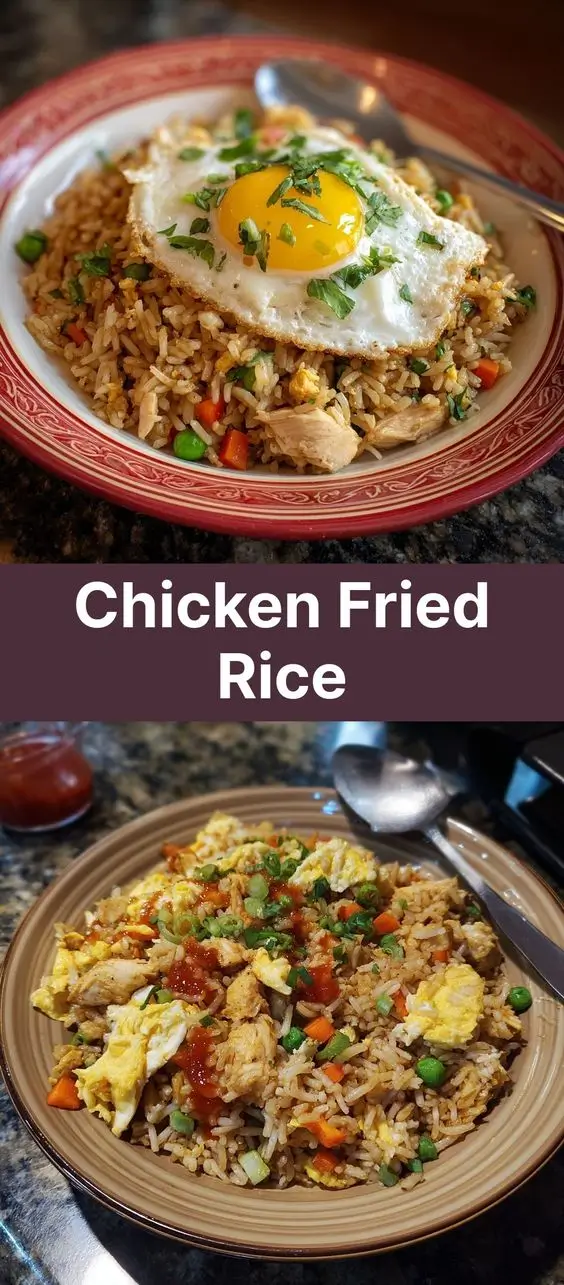
Chicken Fried Rice: The Ultimate Comfort Dish
Introduction
Chicken fried rice is a beloved staple in households and restaurants around the world, especially in Asian cuisine. It’s a versatile, quick, and satisfying dish that transforms simple ingredients into a flavorful meal. Whether you’re cleaning out your fridge or preparing a planned dinner, chicken fried rice delivers on taste, texture, and convenience. With its golden-brown rice, tender pieces of chicken, colorful vegetables, and aromatic seasonings, this dish brings comfort with every bite.
The History
Fried rice traces its roots back to China over 1,500 years ago during the Sui Dynasty (589–618 AD). Legend has it that Emperor Yang of Sui promoted leftover rice dishes to reduce food waste. Over time, fried rice evolved regionally across China, incorporating local ingredients and cooking styles. When Chinese immigrants brought their culinary traditions to other parts of Asia, North America, and beyond, fried rice adapted further—giving rise to variations like Thai pineapple fried rice, Japanese chāhan, and American-Chinese chicken fried rice.
In the United States, chicken fried rice became popular in Chinese-American restaurants during the 20th century. Chefs modified traditional recipes to suit local tastes, often using more vegetables, soy sauce, and scrambled egg for richness. Today, chicken fried rice is not just a side dish—it’s a full-fledged main course enjoyed globally for its balance of protein, carbs, and veggies.
Ingredients Breakdown
The magic of chicken fried rice lies in the harmony of its components. Each ingredient plays a specific role:
- Cooked rice: Preferably day-old jasmine or long-grain white rice. Cold rice has less moisture, preventing mushiness when stir-fried.
- Chicken breast or thigh: Boneless, skinless chicken provides lean protein. Thighs offer juicier results due to higher fat content.
- Vegetables: Common additions include peas, carrots, onions, garlic, green onions, and bell peppers. These add color, crunch, and nutrients.
- Eggs: Scrambled into the rice, eggs contribute creaminess and extra protein.
- Soy sauce: Adds umami and saltiness. Low-sodium versions help control salt intake.
- Oils: Neutral oils like vegetable or canola oil are ideal for high-heat cooking. Sesame oil is used at the end for aroma.
- Aromatics: Garlic, ginger, and green onions build depth of flavor.
- Seasonings: Salt, pepper, white pepper, oyster sauce, or hoisin sauce enhance complexity.
Optional garnishes include cilantro, sesame seeds, lime wedges, or chili flakes for heat.
Step-by-Step Recipe
- Prepare Ingredients: Dice the cooked chicken into small cubes. Chop carrots, onions, and green onions. Mince garlic and grate ginger. Beat eggs in a bowl and set aside.
- Use Cold Rice: Ensure your rice is fully cooled—preferably refrigerated overnight. Break up any clumps with your fingers before cooking.
- Scramble Eggs: Heat 1 tablespoon of oil in a large wok or skillet over medium-high heat. Pour in beaten eggs and scramble until just set. Remove and set aside.
- Cook Chicken: In the same pan, add another tablespoon of oil. Add diced chicken and sauté until golden and cooked through (about 4–5 minutes). Remove and set aside with eggs.
- Sauté Aromatics: Add a bit more oil if needed. Sauté onions for 1–2 minutes, then add garlic and ginger. Cook for 30 seconds until fragrant.
- Add Vegetables: Stir in carrots, peas, and any other vegetables. Cook for 3–4 minutes until tender-crisp.
- Combine Rice: Increase heat to high. Add the cold rice, breaking it apart as it hits the hot surface. Stir-fry for 2–3 minutes until heated through and slightly toasted.
- Season: Drizzle soy sauce (and optional oyster sauce) evenly over the rice. Mix thoroughly until rice turns golden brown.
- Reintroduce Proteins: Return the cooked chicken and scrambled eggs to the wok. Toss everything together.
- Finish with Green Onions & Sesame Oil: Stir in sliced green onions and a splash (½–1 tsp) of sesame oil for fragrance.
- Taste and Adjust: Add salt, pepper, or more soy sauce as needed.
- Serve Hot: Plate immediately while hot and fluffy.
Tips for Perfect Chicken Fried Rice
- Always use cold rice: Freshly cooked rice releases too much steam and becomes sticky. Refrigerating it dries out the grains for better searing.
- High heat is key: A blazing-hot wok ensures proper “wok hei” (breath of the wok)—the smoky flavor characteristic of authentic stir-fries.
- Don’t overcrowd the pan: Cook in batches if necessary. Overcrowding lowers the temperature and steams instead of fries the ingredients.
- Pre-cook proteins and eggs: Removing them prevents overcooking and allows even browning.
- Layer flavors: Add soy sauce gradually. You can always add more, but you can’t take it away.
- Toast the rice: Let the rice sit briefly in the pan without stirring to develop crispy bits (called “socarrat” in Spanish cuisine).
- Use chopsticks or a spatula: A wide metal spatula gives you better control for flipping and tossing.
- Rest the dish briefly: Letting it sit covered for a minute after cooking helps flavors meld.
Variations and Customizations
Chicken fried rice is highly adaptable. Here are some creative twists:
- Thai-Style: Add curry powder, fish sauce, and top with crushed peanuts and cilantro.
- Pineapple Chicken Fried Rice: Incorporate diced fresh pineapple, red bell pepper, and cashews for a sweet-savory tropical flair.
- Keto-Friendly: Substitute cauliflower rice for regular rice. Use extra chicken and healthy fats like avocado oil.
- Spicy Version: Add sriracha, chili garlic sauce, or diced jalapeños during cooking.
- Vegan Option: Omit chicken and eggs; use tofu or tempeh and vegan sauces.
- Seafood Fusion: Mix in shrimp or imitation crab for a surf-and-turf twist.
- Kimchi Fried Rice: Stir in chopped kimchi and top with a fried egg for a Korean-inspired version.
- Cantonese Style: Keep it simple—just egg, scallions, light soy sauce, and minimal vegetables for purity of flavor.
- Hawaiian Fried Rice: Include ham, mushrooms, tomatoes, and a pineapple ring on top.
- Gluten-Free: Use tamari instead of soy sauce to accommodate gluten sensitivities.
Health Considerations and Nutritional Value
When prepared thoughtfully, chicken fried rice can be part of a balanced diet. Here’s a breakdown per typical serving (approx. 1.5 cups):
- Calories: ~350–450 kcal (depends on oil and portion size)
- Protein: ~20–25g (from chicken and egg)
- Carbohydrates: ~45–55g (mostly from rice)
- Fats: ~10–15g (healthy fats increase with sesame oil or added nuts)
- Fiber: ~3–5g (especially with added vegetables)
- Sodium: Can range from 600–1200mg depending on soy sauce usage
Nutritional Tips:
- Brown rice option: Swap white rice for brown rice to increase fiber and lower glycemic index.
- Reduce sodium: Use low-sodium soy sauce and limit added salt.
- Boost veggies: Double the vegetables to increase vitamins A, C, and K, plus antioxidants.
- Control oil: Measure oil instead of pouring freely—stick to 1–2 tablespoons total for the entire recipe.
- Portion control: Serve with a side salad or miso soup to make the meal more filling without excess calories.
- Avoid trans fats: Choose heart-healthy oils like avocado or grapeseed oil when possible.
Note: Individuals with hypertension, diabetes, or kidney issues should monitor sodium and carbohydrate intake accordingly.
Ingredients
- 3 cups cooked and chilled white rice (jasmine or long-grain)
- 1.5 cups cooked chicken, diced (about 2 breasts or 3 thighs)
- 2 large eggs, beaten
- 1/2 cup frozen peas, thawed
- 1/2 cup carrots, finely diced
- 1/2 medium onion, finely chopped
- 3 green onions, sliced (whites and greens separated)
- 3 cloves garlic, minced
- 1 tbsp fresh ginger, grated
- 3 tbsp vegetable oil (divided)
- 2–3 tbsp soy sauce (low-sodium preferred)
- 1 tsp sesame oil
- Salt and pepper to taste
- Optional: 1 tsp oyster sauce, 1/2 tsp white pepper, 1 tbsp hoisin sauce
Directions
- Break up chilled rice with your fingers to separate grains. Set aside.
- In a large wok or non-stick skillet, heat 1 tablespoon of vegetable oil over medium heat. Add beaten eggs and scramble until soft curds form. Transfer to a plate.
- Add another tablespoon of oil to the pan. Increase heat to medium-high. Add diced chicken and cook until lightly browned and fully cooked (4–5 min). Remove and set aside.
- Add remaining oil. Sauté onions for 1–2 minutes, then add garlic, ginger, and the white parts of green onions. Stir for 30 seconds until fragrant.
- Add carrots and peas. Stir-fry for 3–4 minutes until tender but crisp.
- Raise heat to high. Add the cold rice, spreading it out to toast slightly. Stir-fry for 2–3 minutes, breaking up clumps.
- Pour soy sauce (and oyster/hoisin sauce if using) around the edges so it sizzles and coats the rice evenly. Mix well.
- Return chicken and scrambled eggs to the wok. Toss everything together for 1–2 minutes.
- Stir in the green parts of the green onions and sesame oil. Cook for another 30 seconds.
- Taste and season with salt, pepper, or additional soy sauce as needed.
- Remove from heat and serve immediately.
FAQ
Q: Can I use freshly cooked rice?
A: Yes, but spread it on a tray and let it cool completely (even freeze for 10–15 minutes) to reduce moisture. Cold rice works best for texture.
Q: Can I freeze chicken fried rice?
A: Absolutely! Store in airtight containers for up to 3 months. Reheat in a skillet with a splash of water or broth to restore moisture.
Q: What kind of rice is best?
A: Long-grain varieties like jasmine or basmati work well. Avoid sticky short-grain sushi rice unless you prefer a chewier texture.
Q: Can I make it vegetarian?
A: Yes! Replace chicken with tofu, edamame, or chickpeas. Use plant-based protein and skip animal-derived sauces.
Q: Why is my fried rice soggy?
A: Likely due to wet rice, too many ingredients, or low heat. Always use dry, cold rice and cook over high heat with enough oil.
Q: How do I get restaurant-style char flavor?
A: Maximize heat and avoid stirring constantly. Let rice sit briefly to caramelize, creating those desirable browned bits.
Q: Can I add other meats?
A: Definitely. Shrimp, pork, beef, or even spam can be used alone or in combination with chicken.
Q: Is chicken fried rice gluten-free?
A: Only if you use certified gluten-free tamari instead of soy sauce and ensure all other ingredients are GF-safe.
Summary
Chicken fried rice is a timeless, customizable dish that combines savory chicken, fluffy rice, and vibrant vegetables in a richly seasoned medley. Quick to prepare and endlessly adaptable, it’s the perfect solution for weeknight dinners, meal prep, or impressing guests with minimal effort.