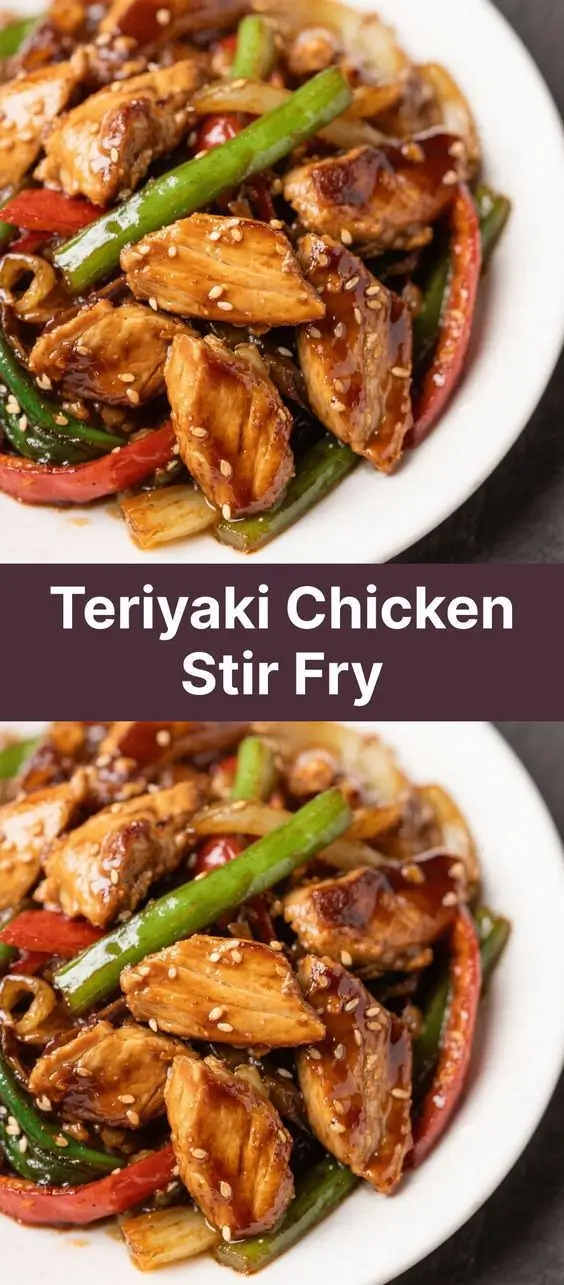
Teriyaki Chicken Stir Fry: A Flavorful Journey from Tradition to Your Table
The History of Teriyaki Chicken Stir Fry
The origins of teriyaki chicken stir fry trace back to Japan, where the term “teriyaki” itself is a combination of two Japanese words: teri, meaning luster or shine, and yaki, meaning grilled or broiled. Traditionally, teriyaki referred to a cooking technique in which fish—most commonly salmon or yellowtail—was broiled or grilled with a glaze made from soy sauce, mirin (sweet rice wine), and sugar. This method dates as far back as the 17th century during the Edo period, when Japanese cuisine began emphasizing the natural flavors of ingredients enhanced by balanced seasonings.
As Japanese immigrants traveled to Hawaii and later to the mainland United States in the late 19th and early 20th centuries, they brought their culinary traditions with them. In Hawaii, local cooks adapted the traditional teriyaki method using available ingredients, including chicken, which was more accessible than certain types of fish. The dish evolved further in American kitchens, where stir-frying—a Chinese cooking method—was incorporated for speed and texture. Thus, teriyaki chicken stir fry emerged as a delicious fusion of Japanese seasoning techniques and Chinese-American wok cooking practices.
By the mid-20th century, teriyaki chicken had become a staple in Japanese-American restaurants across the U.S. Its popularity soared due to its sweet-savory flavor profile, vibrant colors, and quick preparation time—qualities that align perfectly with modern home cooking preferences. Today, teriyaki chicken stir fry is celebrated not only in North America but also globally, appearing on restaurant menus, meal prep guides, and family dinner tables alike. It stands as a testament to the beautiful evolution of food through cultural exchange and adaptation.
Ingredients Breakdown: What Goes Into a Perfect Teriyaki Chicken Stir Fry
To create an authentic and mouthwatering teriyaki chicken stir fry, selecting high-quality ingredients is essential. Each component plays a role in building layers of flavor, texture, and visual appeal. Below is a detailed breakdown of every ingredient used in this recipe:
For the Teriyaki Sauce:
- Soy Sauce: Provides the foundational umami and saltiness. Use reduced-sodium soy sauce if you prefer better control over salt content, or tamari for a gluten-free alternative.
- Honey or Brown Sugar: Adds sweetness that balances the saltiness of soy sauce. Honey lends a floral note and glossy finish, while brown sugar offers a deeper molasses-like richness.
- Mirin: A sweet Japanese rice wine that contributes both sweetness and a subtle tang. If unavailable, dry sherry or a mix of rice vinegar and sugar can be substituted.
- Rice Vinegar: Enhances brightness and helps cut through the richness of the sauce.
- Fresh Ginger: Grated ginger adds warmth and zing, elevating the aromatic quality of the sauce.
- Garlic: Minced garlic deepens the savory complexity and pairs beautifully with ginger.
- Cornstarch: Used as a thickening agent to give the sauce a velvety, clingy consistency that coats the chicken and vegetables evenly.
- Water or Broth: Dilutes the sauce slightly and helps blend all components smoothly before reduction.
For the Stir Fry:
- Chicken Breast or Thighs: Boneless, skinless chicken breasts are lean and widely preferred, but thighs offer juicier results due to higher fat content. Cut into uniform bite-sized pieces for even cooking.
- Vegetable Oil: A neutral oil with a high smoke point (like canola, grapeseed, or avocado oil) ensures proper searing without burning.
- Assorted Vegetables: Common choices include bell peppers (red, yellow, or orange), broccoli florets, snap peas, carrots, mushrooms, onions, and baby corn. These add color, crunch, and nutrients.
- Sesame Oil (for finishing): A few drops drizzled at the end enhance nuttiness and elevate aroma.
- Sesame Seeds and Green Onions: For garnish—adds visual flair and a mild, fresh contrast.
Optional Additions:
- Pineapple chunks (for a tropical twist)
- Red pepper flakes (for heat)
- Lime juice (for extra citrus brightness)
- Bok choy or napa cabbage (for leafy greens)
Step-by-Step Recipe: How to Make Teriyaki Chicken Stir Fry at Home
Follow this comprehensive guide to prepare a restaurant-quality teriyaki chicken stir fry right in your own kitchen. With careful attention to timing and temperature, you’ll achieve tender chicken, crisp-tender vegetables, and a glossy, flavorful sauce that brings everything together.
Step 1: Prepare the Teriyaki Sauce
- In a small saucepan, combine ¼ cup soy sauce, 2 tablespoons honey (or brown sugar), 2 tablespoons mirin, 1 tablespoon rice vinegar, 1 teaspoon grated fresh ginger, and 1 minced garlic clove.
- Whisk gently over medium heat until the sweetener dissolves completely.
- In a separate bowl, mix 1 tablespoon cornstarch with 2 tablespoons cold water to make a slurry.
- Slowly pour the slurry into the warm sauce while stirring continuously.
- Continue cooking for 2–3 minutes until the sauce thickens and turns glossy. Remove from heat and set aside. Reserve about 2 tablespoons for drizzling later, if desired.
Step 2: Marinate the Chicken (Optional but Recommended)
- Place cubed chicken in a bowl and add 3 tablespoons of the prepared teriyaki sauce.
- Toss well to coat, then let marinate for 15–30 minutes at room temperature (or up to 2 hours in the refrigerator for deeper flavor).
Step 3: Prep the Vegetables
- Wash and cut all vegetables into uniform sizes—about 1-inch pieces—to ensure even cooking.
- Keep them separated by cooking time; harder veggies like carrots and broccoli take longer than softer ones like bell peppers and mushrooms.
Step 4: Cook the Chicken
- Heat 1 tablespoon of vegetable oil in a large wok or non-stick skillet over high heat.
- Add the marinated chicken in a single layer, avoiding overcrowding.
- Sear for 5–6 minutes, turning occasionally, until golden brown and cooked through (internal temperature should reach 165°F).
- Remove chicken and set aside on a plate.
Step 5: Stir Fry the Vegetables
- Add another teaspoon of oil to the same pan.
- Begin with longer-cooking vegetables: sauté carrots and broccoli for 2–3 minutes.
- Add medium-cook veggies like bell peppers, onions, and mushrooms; stir fry for another 2 minutes.
- Finally, toss in snap peas and any quick-cooking greens; cook for 1 minute more until vibrant and crisp-tender.
Step 6: Combine Everything
- Return the cooked chicken to the wok with the vegetables.
- Pour in the remaining teriyaki sauce and toss everything together.
- Stir constantly for 1–2 minutes until the sauce reheats and evenly coats all ingredients.
- Turn off the heat and drizzle with a half teaspoon of toasted sesame oil for added fragrance.
Step 7: Serve
- Divide the stir fry over steamed white rice, brown rice, quinoa, or cauliflower rice for a low-carb option.
- Garnish generously with sliced green onions and a sprinkle of sesame seeds.
- Optionally, serve with a wedge of lime or pineapple slices on the side.
Pro Tips for the Best Teriyaki Chicken Stir Fry
- High Heat is Key: Always use high heat when stir frying to achieve the characteristic “wok hei” (breath of the wok)—a smoky, seared flavor that cannot be replicated on low heat.
- Don’t Overcrowd the Pan: Cooking in batches prevents steaming and ensures proper browning of the chicken and vegetables.
- Prep Ahead: Mise en place—having all ingredients chopped, measured, and ready—is crucial because stir frying happens quickly.
- Thicken Sauce Gradually: If the sauce becomes too thick, thin it with a splash of water or broth. If too thin, simmer a bit longer or add a touch more cornstarch slurry.
- Use Fresh Aromatics: Fresh ginger and garlic make a noticeable difference compared to powdered versions.
- Rest the Sauce: Letting the sauce cool slightly before adding it to the stir fry prevents curdling or breaking, especially if using cornstarch.
- Toast Sesame Seeds: Lightly toast sesame seeds in a dry pan for 1–2 minutes to intensify their nutty flavor before using as garnish.
Variations and Customizations
One of the greatest strengths of teriyaki chicken stir fry is its versatility. Here are several creative ways to customize the dish based on dietary needs, flavor preferences, or seasonal ingredients:
Dietary Adaptations:
- Gluten-Free: Substitute regular soy sauce with tamari or a certified gluten-free soy sauce. Ensure all other ingredients (like mirin substitutes) are GF-compliant.
- Low-Sugar: Replace honey or brown sugar with monk fruit sweetener or erythritol-based alternatives. Reduce overall sweetener by half for a less sweet version.
- Keto-Friendly: Use low-carb vegetables like zucchini, mushrooms, and spinach. Sweeten the sauce with a keto-approved sweetener and serve over cauliflower rice.
- Vegetarian/Vegan: Swap chicken with tofu, tempeh, seitan, or a plant-based chicken substitute. Use maple syrup instead of honey to keep it vegan.
Flavor Twists:
- Spicy Teriyaki: Add sriracha, gochujang (Korean chili paste), or red pepper flakes to the sauce for a fiery kick.
- Pineapple Teriyaki: Include fresh or canned pineapple chunks during the final mixing stage for a sweet-tart tropical flavor.
- Garlic-Ginger Boost: Double the amount of fresh garlic and ginger for a more pungent, aromatic profile.
- Sesame-Lime Version: Finish with lime zest and juice along with extra toasted sesame oil and seeds for a citrusy-nutty variation.
Global Fusion Inspirations:
- Thai-Inspired: Add lemongrass, kaffir lime leaves, and coconut milk for a Thai-teriyaki hybrid.
- Korean Fusion: Use gochujang and a dash of sesame oil in the sauce, and top with kimchi.
- Mediterranean Twist: Incorporate olives, cherry tomatoes, and oregano for a surprising East-meets-West blend.
Meal Prep & Storage Ideas:
- Cook double the batch and store portions in airtight containers for up to 4 days in the fridge.
- Freeze fully cooked stir fry (without garnishes) for up to 3 months. Reheat in a skillet or microwave, adding a splash of water to refresh the sauce.
- Pre-chop vegetables and marinate chicken ahead of time for rapid weeknight meals.
Health Considerations and Nutritional Value
Teriyaki chicken stir fry can be a nutritious and balanced meal when prepared mindfully. Here’s a breakdown of its health aspects and how to optimize it for various wellness goals:
Nutritional Highlights (per serving, approx. 1.5 cups with rice):
- Calories: ~400–500 kcal (varies with portion size and ingredients)
- Protein: 25–30g (from chicken and optionally tofu or legumes)
- Carbohydrates: 45–55g (mostly from rice and natural sugars in sauce/veggies)
- Fat: 8–12g (primarily healthy unsaturated fats from oils and sesame)
- Sodium: Can range from 600–1000mg depending on soy sauce usage; opt for low-sodium versions to reduce intake.
Health Benefits:
- Lean Protein Source: Chicken breast supports muscle repair and satiety.
- Rich in Antioxidants: Colorful vegetables provide vitamins A, C, K, and phytonutrients that support immune function and reduce inflammation.
- Ginger and Garlic: Known for anti-inflammatory, antimicrobial, and digestive benefits.
- Fiber Content: Especially high when using brown rice and fiber-rich veggies like broccoli and carrots.
Potential Concerns:
- High Sodium: Traditional soy sauce is sodium-dense. To mitigate, dilute with water, use low-sodium soy sauce, or increase herbs and spices to maintain flavor.
- Sugar Content: Store-bought teriyaki sauces often contain added sugars. Homemade versions allow full control over sweetener quantity and type.
- Refined Carbs: White rice has a high glycemic index. Choose brown rice, quinoa, or cauliflower rice for better blood sugar management.
How to Make It Healthier:
- Reduce oil by using a non-stick pan or cooking spray.
- Increase vegetable-to-protein ratio for more volume and fewer calories.
- Use natural sweeteners in moderation and avoid processed additives.
- Add fermented ingredients like kimchi or pickled ginger for gut health.
Complete Ingredients List
For the Teriyaki Sauce:
- ¼ cup low-sodium soy sauce
- 2 tablespoons honey (or brown sugar / maple syrup)
- 2 tablespoons mirin (or substitute: 1 tbsp rice vinegar + 1 tsp sugar)
- 1 tablespoon rice vinegar
- 1 teaspoon freshly grated ginger
- 1 clove garlic, minced
- 1 tablespoon cornstarch
- 2 tablespoons water (for slurry)
For the Stir Fry:
- 1 lb boneless, skinless chicken breasts or thighs, cubed
- 2 tablespoons vegetable oil (divided)
- 1 red bell pepper, sliced
- 1 yellow bell pepper, sliced
- 1 cup broccoli florets
- 1 medium carrot, julienned
- 1 cup snap peas
- ½ cup sliced mushrooms
- ½ onion, sliced
- ½ teaspoon toasted sesame oil
- 2 green onions, sliced (for garnish)
- 1 tablespoon sesame seeds, toasted
Serving Suggestion:
- 2 cups cooked white rice, brown rice, or cauliflower rice
Directions
- Make the Sauce: In a small saucepan, combine soy sauce, honey, mirin, rice vinegar, ginger, and garlic. Warm over medium heat until sugar dissolves. In a separate bowl, mix cornstarch with 2 tablespoons water. Whisk slurry into sauce and cook for 2–3 minutes until thickened. Remove from heat and set aside.
- Marinate Chicken: Place chicken cubes in a bowl, add 3 tablespoons of teriyaki sauce, and toss. Let sit 15–30 minutes.
- Prep Vegetables: Wash, peel (if needed), and slice all vegetables uniformly.
- Cook Chicken: Heat 1 tbsp oil in a wok or large skillet over high heat. Add chicken in a single layer and cook 5–6 minutes until browned and cooked through. Transfer to a plate.
- Stir Fry Vegetables: Add remaining oil to the pan. Sauté carrots and broccoli first for 2 minutes. Add bell peppers, onions, mushrooms; cook 2 minutes. Then add snap peas; cook 1 minute more.
- Combine: Return chicken to the pan. Pour in the rest of the teriyaki sauce. Toss well and cook 1–2 minutes until heated through.
- Finish: Turn off heat. Drizzle with sesame oil. Garnish with green onions and sesame seeds.
- Serve: Spoon over rice. Enjoy immediately.
FAQ: Frequently Asked Questions About Teriyaki Chicken Stir Fry
Can I use frozen vegetables?
Yes, but thaw and drain them well to prevent excess moisture. Fresh or flash-frozen work best; avoid overcooking to maintain texture.
How do I prevent the sauce from being too salty?
Use low-sodium soy sauce, balance with extra sweetness or acidity (like vinegar or citrus), and taste as you go. You can also dilute with a bit of water or pineapple juice.
Can I make this in advance?
Yes! Prepare components separately: cook chicken, blanch veggies, and make sauce ahead. Reheat and combine when ready to serve for best texture.
Is teriyaki chicken stir fry healthy?
It can be! When made with lean protein, plenty of vegetables, controlled sodium/sugar, and whole grains, it’s a well-balanced meal rich in nutrients.
Why did my sauce turn out too thick or too thin?
Too thick: Add a splash of water or broth and reheat. Too thin: Mix additional cornstarch slurry (½ tsp cornstarch + 1 tbsp water) and stir into simmering sauce.
Can I bake the chicken instead of stir frying?
Absolutely. Bake marinated chicken at 400°F for 18–20 minutes, then toss with stir-fried veggies and sauce.
What can I substitute for mirin?
Use a mixture of 1 tbsp rice vinegar + 1 tsp sugar per 1 tbsp mirin. Dry sherry or sweet marsala also work in a pinch.
Can I use store-bought teriyaki sauce?
Yes, but homemade allows better control over ingredients. If using bottled, choose one with minimal preservatives and adjust thickness as needed.
Summary
Teriyaki chicken stir fry is a harmonious blend of sweet, savory, and umami flavors, featuring tender chicken, crisp vegetables, and a glossy homemade sauce served over fluffy rice. Rooted in Japanese tradition and shaped by global influences, it’s a quick, customizable, and nutritious meal perfect for busy weeknights or special dinners.