Introduction
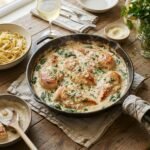
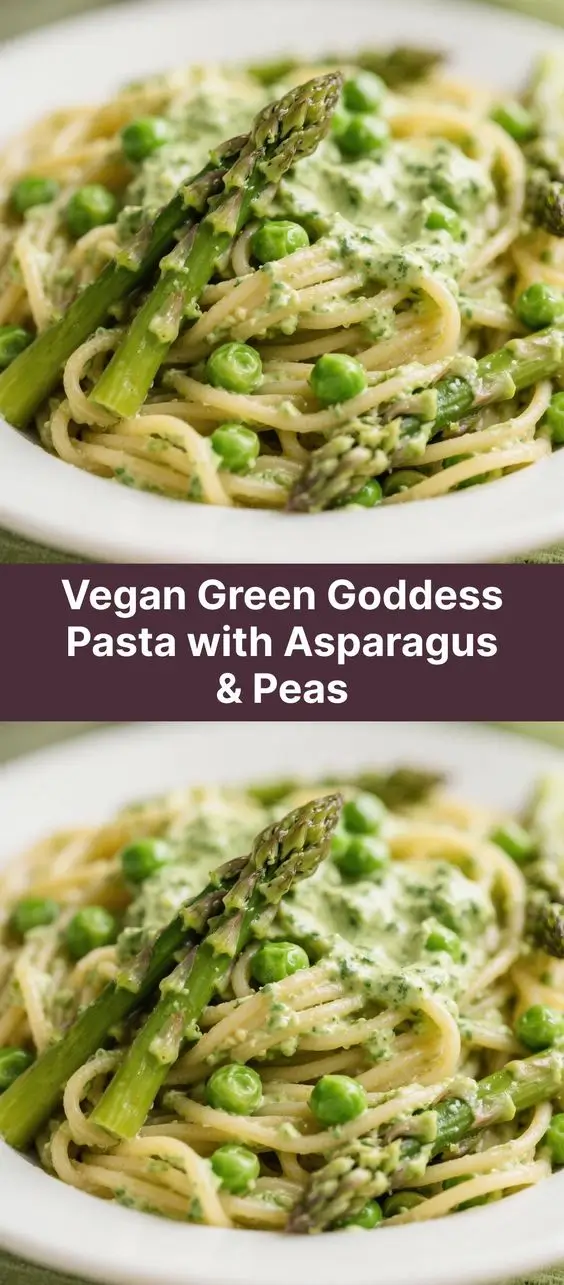
Welcome to a vibrant, nutrient-packed dish that’s as delicious as it is beautiful—Vegan Green Goddess Pasta with Asparagus & Peas. This recipe brings together the lush creaminess of plant-based sauces with the fresh, crisp bite of seasonal vegetables, all tossed over tender pasta for a meal that satisfies both the palate and the soul. Perfect for spring and early summer when asparagus and peas are at their peak, this dish is not only a feast for the eyes but also a powerhouse of flavor and nutrition. Whether you’re a committed vegan, flexitarian, or simply looking to add more plant-based meals to your weekly rotation, this recipe will become a fast favorite. With its silky avocado-basil sauce, tender-crisp vegetables, and satisfying whole grain or legume-based pasta, every bite delivers freshness, balance, and comfort.
The History
The term “Green Goddess” traces back to the 1920s at San Francisco’s Palace Hotel, where chefs created a bright green salad dressing made from mayonnaise, anchovies, tarragon, chives, and scallions, reportedly named after a popular play of the time called *The Green Goddess*. While the original version was far from vegan, modern reinterpretations have embraced plant-based ingredients without sacrificing the signature emerald hue or herbaceous depth. In recent years, the “Green Goddess” label has evolved into a broader culinary concept—symbolizing anything vibrantly green, rich in herbs, and bursting with fresh, clean flavors. Our Vegan Green Goddess Pasta honors this legacy by transforming the creamy, herby essence of the original dressing into a dairy-free sauce using avocado, cashews, and a medley of garden-fresh greens. Paired with spring vegetables like asparagus and peas, this dish reimagines a classic for today’s health-conscious, environmentally aware food lovers.
Ingredients Breakdown
The magic of this dish lies in its carefully curated ingredients, each chosen to contribute color, texture, flavor, and nutrition:
- Pasta: Opt for whole wheat, chickpea, lentil, or brown rice pasta to boost fiber and protein content. Chickpea pasta adds a nutty taste and holds up well to thick sauces.
- Asparagus: A springtime staple, asparagus brings a crisp-tender texture and earthy-sweet flavor. It’s rich in folate, vitamins A, C, E, and K, and antioxidants.
- Peas: Fresh or frozen, peas add natural sweetness and a pop of color. They’re packed with plant protein, fiber, and vitamin C.
- Avocado: The base of the creamy sauce, avocado lends richness and healthy monounsaturated fats while keeping the sauce smooth and luscious.
- Raw Cashews: Soaked and blended, cashews deepen the creaminess and add a subtle nuttiness. They also contribute heart-healthy fats and plant protein.
- Fresh Herbs: Basil, parsley, and chives form the aromatic core of the Green Goddess profile. Basil adds sweetness, parsley gives freshness, and chives bring a mild oniony zing.
- Garlic: For savory depth and immune-boosting properties.
- Lemon Juice: Brightens the sauce, enhances green color, and balances the richness of avocado and nuts.
- Nutritional Yeast: Imparts a cheesy, umami flavor without any dairy—essential for that satisfying “cheesy” note in vegan cooking.
- Plant-Based Milk: Unsweetened almond, oat, or soy milk helps achieve the right pourable consistency for the sauce.
- Olive Oil: A drizzle enriches the sauce and aids in nutrient absorption from the greens.
- Salt & Pepper: To enhance all the flavors in harmony.
- Optional Add-ins: Spinach or arugula can be blended into the sauce for extra nutrients and color; jalapeño or green onion can add a spicy kick.
Step-by-Step Recipe
- Soak the Cashews: If using raw cashews, cover them in boiling water and let soak for at least 20–30 minutes (or overnight in room temperature water). Drain and rinse before using.
- Cook the Pasta: Bring a large pot of salted water to a boil. Cook your choice of pasta according to package instructions until al dente. Reserve ½ cup of pasta water before draining.
- Prepare the Vegetables: While the pasta cooks, trim the woody ends off the asparagus and cut spears into 1–2 inch pieces. If using fresh peas, shell them; if frozen, no need to thaw. Blanch the asparagus and peas: bring a small pot of water to a boil, add vegetables, and cook for 2–3 minutes until bright green and tender-crisp. Immediately plunge into ice water to stop cooking, then drain. (Alternatively, sauté in olive oil for 4–5 minutes over medium heat.)
- Make the Green Goddess Sauce: In a high-speed blender, combine the soaked and drained cashews, flesh of one ripe avocado, 1 cup packed fresh basil, ½ cup fresh parsley, 2–3 tablespoons chopped chives, 2 cloves garlic, juice of one lemon, 3 tablespoons nutritional yeast, ½ teaspoon sea salt, freshly ground black pepper, ¼ cup unsweetened plant-based milk, and 1 tablespoon extra virgin olive oil. Blend on high until completely smooth and creamy, scraping down the sides as needed. Add more plant milk (1 tablespoon at a time) if too thick. Taste and adjust seasoning—add more lemon for brightness, salt for savoriness, or herbs for freshness.
- Combine Everything: In a large mixing bowl, add the drained pasta, blanched asparagus and peas, and Green Goddess sauce. Toss thoroughly to coat. Add reserved pasta water (2–4 tablespoons) if needed to loosen the sauce and help it cling to the noodles.
- Serve Immediately: Divide among bowls. Garnish with extra chopped herbs, a sprinkle of nutritional yeast, cracked black pepper, lemon zest, or toasted pine nuts for crunch.
Tips
- Prevent Avocado Browning: The lemon juice in the sauce helps, but serve immediately for the brightest green color. If preparing ahead, press plastic wrap directly onto the sauce surface or add a little extra lemon/lime juice.
- Boost Creaminess Without Nuts: Replace cashews with cooked white beans (cannellini or navy) for a nut-free version. The sauce will be slightly less rich but still creamy and flavorful.
- Use Seasonal Veggies: Swap asparagus and peas with zucchini ribbons, broccoli florets, sugar snap peas, or green beans depending on availability.
- Double the Sauce: This sauce freezes well! Store in an airtight container with parchment pressed on the surface for up to 3 months. Thaw in the fridge and re-blend before use.
- Enhance Umami: Add 1 teaspoon white miso paste or ½ teaspoon mushroom powder to the sauce for deeper savory notes.
- Texture Matters: Don’t overcook the pasta or vegetables. Al dente pasta and crisp-tender veggies provide the best mouthfeel.
- Meal Prep Friendly: Cook components separately and store for up to 3 days. Combine and toss just before serving to maintain texture and color.
- Add Protein: Toss in cooked lentils, marinated tofu cubes, tempeh bacon, or hemp seeds for added protein.
Variations and Customizations
This recipe is incredibly versatile—here are some creative ways to make it your own:
- Gluten-Free: Use gluten-free pasta made from brown rice, quinoa, or lentils.
- Keto-Friendly: Replace pasta with spiralized zucchini (zoodles) or shirataki noodles. Reduce peas (higher carb) and increase low-carb greens like spinach or kale.
- Herb Variations: Try dill, cilantro, tarragon, or mint for a different herbal profile. Dill adds a tangy note, while mint brings a refreshing twist.
- Spicy Kick: Blend in a small jalapeño (seeded) or add red pepper flakes to the sauce.
- Creamier Texture: Add 2–3 tablespoons silken tofu to the blender for extra silkiness.
- Mediterranean Twist: Stir in sun-dried tomatoes, kalamata olives, and capers after tossing.
- Asian-Inspired Version: Replace basil with cilantro, add ginger and soy sauce/tamari to the sauce, and top with sesame seeds and nori strips.
- Warm Version: Gently warm the sauce in a pan with a splash of vegetable broth instead of serving cold. Sauté the veggies in garlic and olive oil for a heartier feel.
- Pantry-Friendly: Use frozen asparagus and peas in a pinch—just thaw and pat dry to avoid watery sauce.
Health Considerations and Nutritional Value
This Vegan Green Goddess Pasta is not only delicious but also nutritionally robust. Here’s what makes it a wholesome choice:
- Heart-Healthy Fats: Avocado and olive oil provide monounsaturated fats that support cardiovascular health and aid in the absorption of fat-soluble vitamins (A, D, E, K).
- High in Fiber: Whole grain or legume-based pasta, along with peas and vegetables, contributes significant dietary fiber, promoting digestive health and satiety.
- Rich in Vitamins & Minerals: Asparagus is high in folate and vitamin K; peas offer vitamin C and manganese; leafy herbs deliver antioxidants like flavonoids and carotenoids.
- Plant-Based Protein: Legume pasta and cashews add complete amino acids, making this a balanced meal even without animal products.
- Dairy-Free & Cholesterol-Free: Naturally free from animal products, this dish supports lower cholesterol levels and reduced risk of chronic diseases.
- Low in Added Sugar: With no sweeteners beyond natural fruit sugars in vegetables, this recipe is ideal for blood sugar management.
- Anti-Inflammatory Properties: Garlic, herbs, and omega-3s from walnuts (if used) help reduce inflammation in the body.
- Considerations: Those with nut allergies should skip cashews or replace them with white beans or sunflower seeds (soaked). Monitor sodium if using store-bought pasta or adding extra salt. For low-FODMAP diets, omit garlic and use garlic-infused oil instead, and limit cashews to ¼ cup per serving.
A single serving (approx. 1.5 cups) provides roughly: 450–550 calories, 18–22g fat (mostly healthy), 60–70g carbohydrates, 15–20g protein, 10–14g fiber, depending on pasta choice and portion size.
Ingredients
- 8 oz (225g) pasta (chickpea, whole wheat, or lentil recommended)
- 1 bunch asparagus, trimmed and cut into 1-inch pieces
- 1 cup fresh or frozen peas
- 1 ripe avocado, pitted and scooped
- ½ cup raw cashews, soaked in hot water for 20–30 minutes
- 1 cup fresh basil leaves, packed
- ½ cup fresh parsley, packed
- 3 tbsp fresh chives, chopped
- 2 cloves garlic
- Juice of 1 large lemon (about 3–4 tbsp)
- 3 tbsp nutritional yeast
- ¼ cup unsweetened plant-based milk (almond, oat, or soy)
- 1 tbsp extra virgin olive oil
- ½ tsp sea salt, or to taste
- Freshly ground black pepper, to taste
- Optional: 1 cup baby spinach or arugula (for extra greens in sauce)
- Optional garnishes: lemon zest, toasted pine nuts, hemp seeds, red pepper flakes
Directions
- Soak cashews in boiling water for 20–30 minutes. Drain and set aside.
- Bring a large pot of salted water to a boil. Cook pasta according to package directions until al dente. Reserve ½ cup pasta water, then drain and set aside.
- In another pot, bring 2 cups of water to a boil. Add asparagus and peas; cook for 2–3 minutes until vibrant green and tender-crisp. Drain and immediately rinse under cold water to preserve color and texture. Set aside.
- In a high-speed blender, combine soaked cashews, avocado, basil, parsley, chives, garlic, lemon juice, nutritional yeast, plant milk, olive oil, salt, and pepper. Add spinach or arugula if using. Blend on high speed for 1–2 minutes, stopping to scrape down the sides, until completely smooth and creamy. Add more plant milk (1 tbsp at a time) if needed to reach desired consistency.
- In a large serving bowl, combine cooked pasta, asparagus, and peas. Pour Green Goddess sauce over and toss gently until everything is evenly coated. Add 2–4 tablespoons of reserved pasta water to loosen the sauce and help it adhere to the noodles.
- Taste and adjust seasoning—add more salt, lemon juice, or herbs as desired.
- Divide into bowls and garnish with extra herbs, lemon zest, toasted pine nuts, or a drizzle of olive oil.
- Serve immediately for the best flavor, texture, and color.
FAQ
Can I make this recipe nut-free?
Yes! Substitute cashews with ½ cup cooked cannellini beans or white beans. The sauce will be less rich but still creamy and flavorful. You can also try sunflower seeds (soaked) for a nutty alternative.
How do I keep the sauce from turning brown?
The avocado may oxidize over time. To prevent browning, use plenty of lemon juice, serve immediately, and minimize air exposure. Press plastic wrap directly on the sauce if storing briefly.
Can I prepare this ahead of time?
Best served fresh, but you can prep components separately: cook pasta, blanch veggies, and make sauce up to one day ahead. Store each in airtight containers in the fridge. Re-blend sauce before tossing to refresh texture.
Is this recipe freezer-friendly?
The sauce freezes well for up to 3 months. Freeze in an ice cube tray or airtight container with parchment on the surface. Thaw in the fridge and re-blend. Do not freeze the assembled dish.
What pasta works best?
Chickpea, lentil, or black bean pasta adds protein and fiber. For gluten-free, choose certified GF pasta. Long shapes like fettuccine or penne work best for coating with sauce.
Can I cook the vegetables with the pasta?
Yes! Add asparagus 4 minutes before the pasta finishes cooking, and peas during the last 2 minutes. Drain together and proceed.
Can I bake or reheat this dish?
Reheating may dull the color and alter the texture. If needed, gently warm in a skillet over low heat with a splash of water or broth. Avoid microwaving for long to prevent mushiness.
Why is my sauce too thick or too thin?
Too thick? Add more plant milk or pasta water. Too thin? Add more avocado, cashews, or a spoonful of tahini to thicken. Adjust gradually.
Summary (in two lines)
Indulge in a creamy, vibrant Vegan Green Goddess Pasta with Asparagus & Peas—a celebration of spring produce and plant-powered goodness. Packed with nutrients, flavor, and a luxuriously smooth avocado-cashew sauce, this dish proves that healthy eating can be utterly delicious.