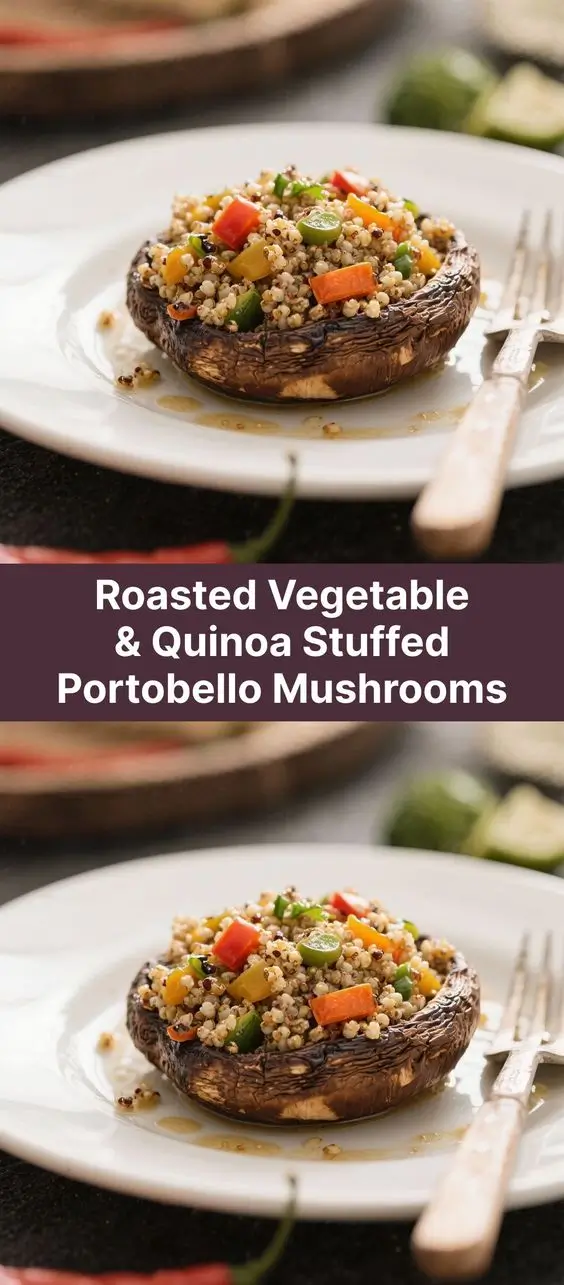
Roasted Vegetable & Quinoa Stuffed Portobello Mushrooms
If you’re searching for a dish that marries earthy richness with wholesome nutrition, look no further than Roasted Vegetable & Quinoa Stuffed Portobello Mushrooms. This plant-based entrée is not only visually stunning but also bursting with flavor and texture. Whether you’re hosting a dinner party, cooking for one, or meal prepping for the week, these stuffed mushrooms are a satisfying centerpiece that caters to vegetarians, vegans, and health-conscious eaters alike. With a foundation of meaty Portobello caps, fluffy quinoa, and a rainbow of roasted vegetables, this recipe delivers on both taste and nourishment. Let’s dive deep into everything you need to know about crafting this culinary gem from scratch.
The History
Mushroom-based dishes have been enjoyed across cultures for centuries, particularly in European and Asian cuisines where fungi were prized for their umami depth and versatility. The Portobello mushroom—technically a mature Agaricus bisporus, the same species as the common button mushroom—gained popularity in the United States during the 1980s as chefs sought hearty, meaty alternatives for vegetarian fare. Its large cap and dense texture made it ideal for stuffing, grilling, and roasting.
Quinoa, an ancient grain native to the Andes, has been cultivated for over 5,000 years by indigenous peoples in Peru, Bolivia, and Ecuador. Revered by the Incas as “chisaya mama” or “mother of all grains,” quinoa was valued for its complete protein profile and resilience in harsh climates. It wasn’t until the early 2000s that quinoa gained global recognition, especially among health enthusiasts and gluten-free communities.
The fusion of quinoa and Portobello mushrooms in a single dish reflects the modern culinary trend of combining global superfoods into nutrient-dense, flavorful meals. While there isn’t a specific origin story for this exact recipe, its roots lie in the farm-to-table movement, Mediterranean-inspired vegetarian cooking, and the rise of mindful eating. Today, Roasted Vegetable & Quinoa Stuffed Portobellos grace menus at upscale vegan restaurants and home kitchens worldwide, symbolizing a harmonious blend of tradition, innovation, and wellness.
Ingredients Breakdown
Every ingredient in this recipe plays a crucial role in building layers of flavor, texture, and nutrition. Here’s a detailed breakdown:
- Portobello Mushrooms: These large, flat mushrooms provide a sturdy base with a rich, savory (umami) flavor. Their wide caps act like natural bowls for the stuffing.
- Quinoa: A high-protein, gluten-free pseudo-grain that cooks up fluffy and slightly nutty. It binds the stuffing while adding fiber and essential amino acids.
- Olive Oil: Used for roasting and sautéing, it enhances browning and adds heart-healthy monounsaturated fats.
- Garlic: Fresh minced garlic brings pungency and depth, elevating the entire flavor profile.
- Onion: Yellow or red onions add sweetness when caramelized and contribute to the aromatic base.
- Bell Peppers: Red, yellow, or orange peppers bring color, sweetness, and a crisp-tender texture after roasting.
- Zucchini: Mild in flavor and tender when cooked, zucchini absorbs surrounding flavors and adds moisture.
- Cherry Tomatoes: Halved tomatoes burst during roasting, releasing juicy acidity that balances the dish.
- Spinach or Kale: Leafy greens boost iron, vitamins, and volume without overpowering taste. They wilt beautifully into the mix.
- Fresh Herbs: Parsley, thyme, or rosemary add brightness and herbaceous complexity. Basil can also be used for a Mediterranean twist.
- Lemon Juice: A splash brightens the stuffing and cuts through richness.
- Vegetable Broth: Used to cook quinoa instead of water, it intensifies savory notes throughout.
- Spices: Smoked paprika, cumin, salt, and black pepper enhance warmth and depth. Optional red pepper flakes add heat.
- Cheese (optional): Feta, goat cheese, or Parmesan can be added for creaminess and tang (omit for vegan version).
- Panko Breadcrumbs (optional): For a golden, crispy topping—use gluten-free if needed.
Step-by-Step Recipe
Follow these detailed steps to create perfectly roasted vegetable and quinoa stuffed Portobello mushrooms with maximum flavor and texture.
- Preheat Oven: Set your oven to 375°F (190°C). Line a baking sheet with parchment paper or lightly grease it to prevent sticking.
- Prepare the Mushrooms: Select 4 large Portobello caps (about 4–5 inches wide). Gently wipe them clean with a damp cloth—avoid soaking, as mushrooms absorb water. Carefully remove the stems (save for stock or chop and add to stuffing) and use a spoon to scrape out the dark gills. This prevents excess moisture and bitterness. Place caps gill-side up on the baking sheet.
- Season Mushroom Caps: Drizzle each cap with olive oil (about ½ tsp per mushroom), then sprinkle with salt, pepper, and a pinch of garlic powder. Use your fingers to rub the seasoning evenly over the surface. Flip them over so they sit smooth-side down, creating a stable base for stuffing.
- Cook the Quinoa: Rinse ¾ cup quinoa under cold water to remove saponins (which can cause bitterness). In a small saucepan, combine quinoa with 1½ cups low-sodium vegetable broth. Bring to a boil, reduce heat, cover, and simmer for 15 minutes or until liquid is absorbed and quinoa is fluffy. Remove from heat and let sit covered for 5 minutes. Fluff with a fork.
- Roast the Vegetables: While quinoa cooks, chop 1 medium zucchini, 1 bell pepper, ½ red onion, and ½ cup cherry tomatoes into ½-inch pieces. Toss with 1 tbsp olive oil, salt, pepper, ½ tsp smoked paprika, and 1 minced garlic clove. Spread on a separate baking sheet and roast for 20–25 minutes at 375°F, stirring once halfway, until tender and slightly caramelized.
- Sauté Aromatics: In a skillet over medium heat, warm 1 tbsp olive oil. Add ½ diced onion and cook until translucent (5 minutes). Add 2 minced garlic cloves and sauté for 30 seconds until fragrant. Stir in 2 cups chopped spinach or kale and cook just until wilted (2–3 minutes). Remove from heat.
- Combine Stuffing Mixture: In a large bowl, mix the cooked quinoa, roasted vegetables, sautéed aromatics, 1 tbsp chopped fresh parsley, juice of ½ lemon, ½ tsp dried thyme, and optional ingredients like ¼ cup crumbled feta or 2 tbsp nutritional yeast. Season with salt and pepper to taste. Mix gently to preserve texture.
- Stuff the Mushrooms: Spoon the quinoa-vegetable mixture generously into each mushroom cap, mounding it slightly. If using, sprinkle the tops with 2–3 tbsp panko breadcrumbs mixed with a little olive oil for crunch.
- Final Bake: Return the stuffed mushrooms to the oven and bake for 18–22 minutes, until the filling is heated through and the mushrooms are tender when pierced with a fork. If desired, broil for the last 2–3 minutes to brown the top.
- Rest and Serve: Allow mushrooms to rest for 5 minutes before serving. Garnish with extra herbs, microgreens, or a drizzle of balsamic glaze for elegance.
Tips
- Choose Uniform Mushrooms: Pick Portobellos that are firm, evenly shaped, and free of bruises for even cooking and presentation.
- Dry the Caps: After cleaning, pat the mushrooms dry with a paper towel to prevent sogginess during baking.
- Don’t Overstuff: While it’s tempting to pile high, too much filling may spill over. Leave a small border around the edge.
- Toast the Quinoa: For enhanced nuttiness, toast rinsed quinoa in a dry pan for 2–3 minutes before adding broth.
- Use Roasted Garlic: Swap raw garlic for 2–3 cloves of roasted garlic in the stuffing for a sweeter, mellower flavor.
- Add Umami Boosters: Incorporate sun-dried tomatoes, tamari, or a dash of soy sauce into the mix for deeper savory notes.
- Make Ahead: Prepare the stuffing and roast vegetables up to 2 days in advance. Store separately in the fridge and assemble before baking.
- Freeze for Later: Fully assembled (but unbaked) stuffed mushrooms can be frozen. Wrap individually in foil, thaw in fridge, then bake as directed (add 5–10 minutes).
- Grill Option: For a smoky flavor, grill the mushrooms over medium heat for 6–8 minutes per side in a grill basket or foil tray.
- Serve on a Bed: Present on a cushion of arugula, mashed sweet potatoes, or wild rice for an elegant plating.
Variations and Customizations
This recipe is highly adaptable—perfect for dietary preferences, seasonal produce, or pantry creativity.
- Vegan Version: Skip cheese and use nutritional yeast for a cheesy flavor. Ensure breadcrumbs are vegan.
- Gluten-Free: Use certified gluten-free quinoa and skip or substitute regular breadcrumbs with GF oats or almond flour.
- Protein-Packed: Add ½ cup cooked lentils, chickpeas, or crumbled tempeh bacon to the stuffing.
- Mediterranean Style: Include chopped artichoke hearts, Kalamata olives, and oregano. Top with feta and serve with tzatziki.
- Mexican-Inspired: Use cumin, chili powder, and lime juice. Mix in black beans, corn, and cilantro. Top with avocado slices.
- Autumn Harvest: Swap summer veggies for roasted butternut squash, apples, pecans, and sage.
- Herb Garden Delight: Use fresh basil, dill, chives, and tarragon for a garden-fresh twist.
- Creamy Version: Stir in hummus, tahini, or cashew cream into the stuffing for richness.
- Low-Carb/Keto-Friendly: Replace quinoa with finely chopped cauliflower rice.
- Breakfast Stuffed Mushrooms: Add scrambled tofu, turmeric, and green onions. Top with a poached egg.
Health Considerations and Nutritional Value
These stuffed Portobellos aren’t just delicious—they’re packed with nutrients that support overall well-being.
- Low in Calories, High in Volume: One stuffed mushroom contains approximately 220–280 calories, making it ideal for weight management.
- Rich in Protein: Quinoa provides all nine essential amino acids, offering about 8g of complete protein per serving.
- Fiber-Rich: Between quinoa, vegetables, and mushrooms, each serving delivers 7–10g of dietary fiber, supporting digestion and satiety.
- Heart-Healthy Fats: Olive oil contributes monounsaturated fats, which may help lower bad cholesterol levels.
- Antioxidant Powerhouse: Bell peppers (vitamin C), spinach (vitamin K), tomatoes (lycopene), and mushrooms (ergothioneine) offer protective antioxidants.
- Immune Support: Garlic and mushrooms contain compounds shown to enhance immune function.
- B-Vitamins and Minerals: Quinoa and mushrooms supply B2, B3, B6, selenium, copper, and phosphorus.
- Diabetes-Friendly: The complex carbs and fiber help regulate blood sugar levels.
- Anti-Inflammatory: Ingredients like turmeric (if added), olive oil, and leafy greens have known anti-inflammatory effects.
- Gluten-Free and Plant-Based: Suitable for those with celiac disease or following a vegan lifestyle.
Note: For individuals on blood thinners, monitor intake of vitamin K-rich greens like kale. Those with kidney issues should consult a healthcare provider regarding potassium content from mushrooms and vegetables.
Ingredients
- 4 large Portobello mushroom caps
- ¾ cup uncooked quinoa, rinsed
- 1½ cups low-sodium vegetable broth
- 3 tbsp olive oil (divided)
- 1 medium red or yellow bell pepper, diced
- 1 medium zucchini, diced
- ½ red onion, diced
- ½ cup cherry tomatoes, halved
- ½ cup diced yellow onion
- 3 cloves garlic, minced (divided)
- 2 cups fresh spinach or kale, chopped
- 1 tbsp fresh parsley, chopped
- 1 tbsp lemon juice
- ½ tsp smoked paprika
- ½ tsp dried thyme
- ¼ tsp black pepper
- Salt to taste
- Optional: ¼ cup crumbled feta, goat cheese, or nutritional yeast
- Optional: 2–3 tbsp panko breadcrumbs (or gluten-free alternative)
- Optional garnish: balsamic glaze, microgreens, extra herbs
Directions
- Preheat oven to 375°F (190°C). Line a baking sheet with parchment paper.
- Clean Portobello caps with a damp cloth. Remove stems and scrape out gills. Place caps smooth-side down on the baking sheet. Drizzle with 1 tsp olive oil each, season with salt and pepper, and set aside.
- In a saucepan, combine rinsed quinoa and vegetable broth. Bring to a boil, reduce heat, cover, and simmer for 15 minutes. Remove from heat, let stand 5 minutes, then fluff with a fork.
- Toss bell pepper, zucchini, red onion, and cherry tomatoes with 1 tbsp olive oil, ½ tsp smoked paprika, salt, and 1 minced garlic clove. Spread on a baking sheet and roast for 20–25 minutes, stirring once. Set aside.
- In a skillet over medium heat, warm 1 tbsp olive oil. Sauté ½ cup diced onion until soft (5 minutes). Add remaining 2 garlic cloves and cook 30 seconds. Stir in spinach/kale and cook until wilted. Remove from heat.
- In a large bowl, combine cooked quinoa, roasted vegetables, sautéed mixture, parsley, lemon juice, thyme, black pepper, and optional cheese or nutritional yeast. Mix well and adjust seasoning.
- Spoon stuffing into mushroom caps, mounding slightly. Top with optional panko mixed with a drizzle of olive oil.
- Bake for 18–22 minutes until mushrooms are tender and filling is hot. Broil 2–3 minutes for a golden top if desired.
- Let rest 5 minutes. Garnish and serve warm.
FAQ
Can I make this ahead of time?
Yes! Prepare the stuffing and roast vegetables up to 2 days in advance. Assemble just before baking. You can also fully assemble and refrigerate for up to 24 hours—add 5 minutes to baking time.
Can I freeze stuffed mushrooms?
Absolutely. Freeze unbaked stuffed mushrooms on a tray until solid, then wrap individually in plastic and foil. Thaw overnight in the fridge and bake as directed, adding 5–10 minutes.
How do I prevent soggy mushrooms?
Remove the gills, avoid over-oiling, and don’t cover while baking. Roast caps upside down initially to allow moisture to escape.
What can I use instead of quinoa?
Try brown rice, farro, barley, millet, or cauliflower rice for different textures and dietary needs.
Are Portobello mushrooms safe to eat raw?
While technically edible raw, they are best cooked to enhance digestibility and flavor. Cooking also reduces any potential microbial load.
Can I use baby bella or cremini mushrooms?
Yes, but they’re smaller. Use more mushrooms per serving or prepare them as appetizers.
How long do leftovers last?
Store in an airtight container in the refrigerator for up to 4 days. Reheat in the oven or toaster oven to maintain texture.
Is this recipe kid-friendly?
Many children enjoy the mild flavors and fun “stuffed” concept. Try adding cheese or sweet corn to appeal to younger palates.
Can I cook this on the grill?
Yes! Grill over medium heat (375°F) for 6–8 minutes per side in a grill basket or foil pouch.
Why did my quinoa turn out mushy?
Overcooking or using too much liquid can cause this. Stick to a 1:2 ratio of quinoa to liquid and avoid lifting the lid during cooking.
Summary
Roasted Vegetable & Quinoa Stuffed Portobello Mushrooms are a nutritious, flavorful, and visually impressive dish that combines the umami richness of mushrooms with the wholesome goodness of quinoa and seasonal vegetables.
Perfect for vegetarians, vegans, and health-focused food lovers, this recipe is easily customizable, meal-prep friendly, and sure to become a staple in your culinary repertoire.