Chicken Piccata with Roasted Vegetables: A Flavorful, Healthy Delight
Introduction
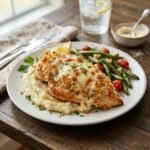
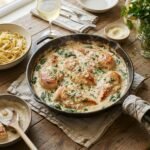
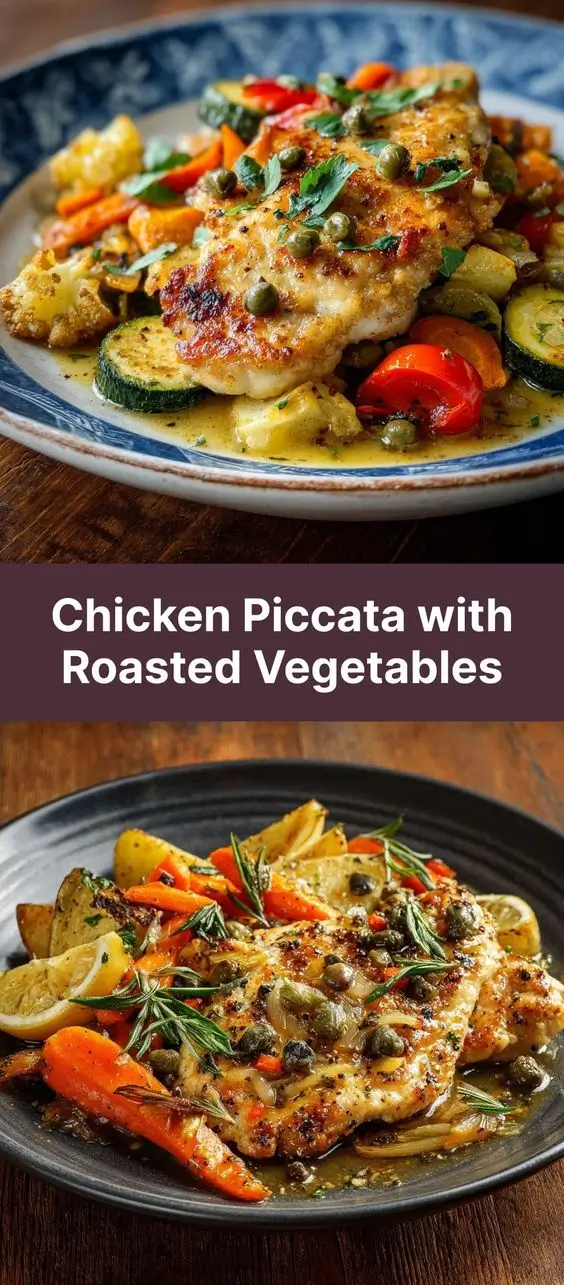
Chicken Piccata with Roasted Vegetables is a harmonious blend of zesty, savory, and earthy flavors that come together to create a restaurant-quality meal in the comfort of your own kitchen. This dish features tender chicken breasts bathed in a bright lemon-caper sauce, paired perfectly with a medley of roasted seasonal vegetables. Not only is it visually stunning with its vibrant colors, but it also delivers a burst of freshness and wholesome goodness in every bite.
Whether you’re preparing a weeknight dinner or hosting guests for a special occasion, this recipe strikes the perfect balance between elegance and simplicity. The tangy richness of the piccata sauce complements the caramelized sweetness of the roasted vegetables, making it a well-rounded meal that satisfies both taste buds and nutritional needs. Let’s dive into the rich history, detailed ingredients, and step-by-step instructions to help you master this classic Italian-American favorite.
The History
Chicken Piccata traces its roots back to Italy, specifically the northern regions where delicate preparations of veal and poultry are celebrated. The term “piccata” comes from the Italian word piccante, meaning “piquant” or “tangy,” which aptly describes the sharp, citrusy flavor profile of the sauce. Originally, the dish was made with vitello alla piccata—veal cutlets cooked in a sauce of lemon juice, butter, white wine, and capers.
As Italian immigrants brought their culinary traditions to America in the late 19th and early 20th centuries, they adapted recipes based on ingredient availability and local tastes. Chicken became a more accessible and affordable alternative to veal, leading to the rise of Chicken Piccata as a staple in Italian-American cuisine. Today, it’s found on menus across the United States, often served with pasta, rice, or vegetables.
The addition of roasted vegetables is a modern twist that aligns with contemporary preferences for healthier, plant-forward sides. While traditionalists may serve piccata with spaghetti, pairing it with roasted vegetables enhances the dish’s texture, adds fiber and nutrients, and reduces reliance on refined carbohydrates—making it ideal for low-carb, gluten-free, or Mediterranean-style diets.
Ingredients Breakdown
For the Chicken Piccata:
- 4 boneless, skinless chicken breasts (6 oz each) – These provide lean protein and a mild base that absorbs the bold flavors of the sauce.
- Salt and freshly ground black pepper – Essential for seasoning at every stage.
- ½ cup all-purpose flour (or gluten-free flour blend) – Used for dredging to create a light crust and help thicken the sauce.
- 2 tablespoons olive oil – Adds richness and aids in browning.
- 2 tablespoons unsalted butter – Enhances mouthfeel and contributes to the velvety sauce.
- ¾ cup dry white wine (e.g., Sauvignon Blanc or Pinot Grigio) – Deglazes the pan and brings acidity and depth.
- ¾ cup low-sodium chicken broth – Forms the liquid base of the sauce while adding savory umami notes.
- ⅓ cup fresh lemon juice (about 2 large lemons) – The star ingredient; provides brightness and signature tartness.
- 1 tablespoon lemon zest – Intensifies citrus aroma without extra acidity.
- ¼ cup brined capers, drained and rinsed – Salty, briny pop that defines piccata.
- 2 tablespoons cold unsalted butter, cubed – Swirled in at the end for a glossy, emulsified finish.
- Fresh parsley, chopped (for garnish) – Adds color and a hint of freshness.
For the Roasted Vegetables:
- 1 pound mixed vegetables (such as zucchini, yellow squash, bell peppers, red onion, cherry tomatoes, broccoli, asparagus) – Choose colorful, seasonal produce for maximum visual appeal and nutrition.
- 2 tablespoons olive oil – Coats veggies evenly and promotes browning.
- 1 teaspoon garlic powder (or 3 cloves minced garlic) – Infuses savory depth.
- ½ teaspoon dried oregano or thyme – Earthy herbal notes that complement both chicken and sauce.
- Salt and black pepper to taste
- Optional: 1 tablespoon balsamic vinegar or honey – For a touch of sweetness that balances roasting bitterness.
Step-by-Step Recipe
Preparing the Roasted Vegetables (Start First):
- Preheat oven to 425°F (220°C). Line a large baking sheet with parchment paper or lightly grease it.
- Wash and chop all vegetables into uniform, bite-sized pieces—this ensures even cooking.
- In a large bowl, toss the chopped vegetables with olive oil, garlic, oregano, salt, and pepper until evenly coated.
- Spread them out in a single layer on the prepared baking sheet. Avoid overcrowding to allow proper caramelization.
- Roast for 20–25 minutes, flipping halfway through, until golden brown and tender-crisp. If using cherry tomatoes, add them during the last 10 minutes to prevent bursting too soon.
- Remove from oven and set aside. Optionally drizzle with balsamic glaze before serving.
Preparing the Chicken Piccata:
- Place chicken breasts on a cutting board. Cover with plastic wrap and gently pound to an even ½-inch thickness using a meat mallet or rolling pin. This ensures uniform cooking and tenderness.
- Season both sides generously with salt and pepper.
- Place flour in a shallow dish. Dredge each chicken breast in the flour, shaking off excess. Set aside on a clean plate.
- In a large skillet over medium-high heat, warm the olive oil and 2 tablespoons of butter until shimmering but not smoking.
- Add two chicken breasts at a time (do not crowd the pan) and cook for 3–4 minutes per side, until golden brown and cooked through (internal temperature should reach 165°F). Transfer to a plate and cover loosely with foil to keep warm. Repeat with remaining chicken if needed.
- Reduce heat to medium. Carefully pour in the white wine to deglaze the pan, scraping up any browned bits (these add immense flavor).
- Add chicken broth, lemon juice, lemon zest, and capers. Stir and simmer for 4–5 minutes, allowing the sauce to reduce slightly by about one-third.
- Return the chicken breasts to the skillet, along with any accumulated juices. Spoon sauce over them and simmer gently for another 2 minutes to reheat and infuse flavor.
- Turn off the heat. Stir in the 2 tablespoons of cold butter, one cube at a time, swirling the pan to create a silky, cohesive sauce. Do not boil after adding butter to prevent separation.
- Taste and adjust seasoning—add more salt, pepper, or a splash of lemon juice if desired.
Plating:
- Divide roasted vegetables among four plates.
- Place one chicken breast beside or slightly over the vegetables.
- Ladle generous amounts of the warm lemon-caper sauce over the chicken.
- Garnish with freshly chopped parsley and additional lemon slices for presentation.
Tips for Success
- Don’t skip pounding the chicken: Uniform thickness prevents overcooking and ensures even searing.
- Use fresh lemon juice: Bottled lemon juice lacks brightness and can have off-flavors.
- Don’t rinse capers unless overly salty: Rinsing removes excess brine, but some salt is essential for authentic taste.
- Control sauce thickness: If too thin, let it reduce longer. If too thick, add a splash of broth.
- Butter emulsification is key: Adding cold butter off-heat creates a restaurant-style glossy finish.
- Roast veggies ahead: You can roast vegetables up to an hour in advance and re-warm them in the oven.
- Prevent soggy veggies: Spread them in a single layer and use high heat for proper browning.
- Wine substitute: If avoiding alcohol, replace wine with additional broth plus 1 tsp apple cider vinegar for acidity.
Variations and Customizations
This versatile recipe welcomes endless adaptations to suit dietary needs and flavor preferences:
Gluten-Free Version:
Replace all-purpose flour with a gluten-free 1:1 baking blend or almond flour for dredging. Ensure your broth and wine are certified gluten-free.
Dairy-Free Option:
Omit butter entirely or use plant-based alternatives like vegan butter or extra olive oil. Note: the sauce will lack some richness, so consider adding a teaspoon of Dijon mustard for depth.
Vegan Twist (Plant-Based “Piccata”):
Substitute chicken with thick slices of pressed tofu, tempeh, or cauliflower steaks. Marinate in lemon juice and herbs before pan-searing. Use vegetable broth instead of chicken broth.
Seafood Alternative:
Swap chicken for firm fish fillets like tilapia, cod, or halibut. Reduce cooking time to 2–3 minutes per side to avoid overcooking.
Creamy Piccata:
For a richer sauce, stir in 2–3 tablespoons of heavy cream or crème fraîche at the end along with the butter.
Herb Variations:
Experiment with fresh dill, tarragon, or basil instead of parsley for unique aromatic profiles.
Spicy Kick:
Add a pinch of red pepper flakes to the sauce or sprinkle with chili oil before serving.
Different Vegetable Combos:
Try sweet potatoes, carrots, fennel, green beans, or Brussels sprouts for roasting. Root vegetables benefit from being par-boiled first for tenderness.
Health Considerations and Nutritional Value
Chicken Piccata with Roasted Vegetables is inherently nutritious when prepared with mindful techniques. Here’s a breakdown of its health benefits:
Nutritional Highlights (per serving, approx.):
- Calories: ~380–420 kcal
- Protein: ~35g – Supports muscle repair and satiety.
- Fat: ~18g – Mostly healthy fats from olive oil and butter; low in saturated fat if moderated.
- Carbohydrates: ~15–20g – Primarily from vegetables and minimal flour coating.
- Fiber: ~4–6g – From a variety of non-starchy vegetables.
- Vitamin C: High from lemon juice and bell peppers—boosts immunity and aids iron absorption.
- Vitamin A, K, and Folate: Abundant in leafy greens and colorful veggies.
- Antioxidants: Present in capers, garlic, and deeply pigmented vegetables.
Health Benefits:
- Low in refined carbs: When served without pasta, this dish fits low-carb and keto-friendly plans.
- Heart-healthy fats: Olive oil contains monounsaturated fats linked to reduced cardiovascular risk.
- Lean protein source: Chicken breast is low in saturated fat and supports metabolic health.
- Anti-inflammatory properties: Garlic, lemon, capers, and herbs contain compounds that may reduce inflammation.
- Hydration support: High water content in vegetables helps maintain fluid balance.
Considerations:
- Sodium: Capers and broth can be high in sodium. Opt for low-sodium broth and rinse capers thoroughly. Limit added salt if on a restricted diet.
- Alcohol content: Most alcohol evaporates during simmering, but trace amounts remain. Use non-alcoholic wine or broth-vinegar mix for complete elimination.
- Balanced plate: Add a small portion of quinoa or farro if more complex carbs are desired for endurance athletes or growing children.
Ingredients
Chicken Piccata:
- 4 boneless, skinless chicken breasts (6 oz each), pounded to ½ inch
- Salt and freshly ground black pepper, to taste
- ½ cup all-purpose flour (or GF alternative)
- 2 tbsp olive oil
- 4 tbsp unsalted butter, divided
- ¾ cup dry white wine
- ¾ cup low-sodium chicken broth
- ⅓ cup fresh lemon juice
- 1 tbsp lemon zest
- ¼ cup capers, drained and rinsed
- ¼ cup fresh parsley, chopped
Roasted Vegetables:
- 1 lb mixed vegetables (zucchini, bell peppers, red onion, broccoli, etc.), chopped
- 2 tbsp olive oil
- 1 tsp garlic powder
- ½ tsp dried oregano
- Salt and pepper, to taste
- Optional: 1 tbsp balsamic vinegar or honey
Directions
- Preheat oven to 425°F (220°C). Prepare a baking sheet.
- Chop vegetables uniformly and toss with olive oil, garlic, oregano, salt, and pepper.
- Spread on baking sheet in a single layer. Roast 20–25 minutes, flipping once.
- Prepare chicken: Pound to ½ inch thickness, season, then dredge in flour.
- Heat oil and 2 tbsp butter in a large skillet over medium-high heat.
- Cook chicken 3–4 minutes per side until golden and internal temp reaches 165°F. Set aside.
- Reduce heat to medium, add wine to deglaze, scraping browned bits.
- Add broth, lemon juice, zest, and capers. Simmer 4–5 minutes until slightly reduced.
- Return chicken to skillet, spoon sauce over, simmer 2 minutes.
- Turn off heat, swirl in remaining 2 tbsp cold butter until smooth.
- Taste and adjust seasoning.
- Plate: Serve chicken alongside roasted vegetables, spoon sauce over top, garnish with parsley and lemon.
FAQ
Can I make Chicken Piccata ahead of time?
Yes, but best assembled just before serving. Cook chicken and sauce separately, then reheat gently. Roasted vegetables can be stored and re-warmed. Reheating may cause sauce to separate—stir in a splash of broth and whisk over low heat.
How do I store leftovers?
Store in airtight containers in the refrigerator for up to 3 days. Reheat in a skillet over low heat to preserve texture. Freezing is not recommended due to potential sauce separation and sogginess in vegetables.
Why did my sauce break?
Sauces break when butter separates from liquid—often due to boiling after adding butter or using cold liquids. Always add cold butter off-heat and whisk gently. If broken, try blending in a teaspoon of cornstarch slurry or a bit of warm broth while whisking vigorously.
Can I use frozen vegetables?
Fresh is ideal for roasting. Frozen vegetables release too much water and won’t caramelize properly. If necessary, thaw and pat dry completely before roasting at high heat.
Is Chicken Piccata spicy?
No, it’s tangy and briny, not spicy. The capers and lemon dominate, not heat. Add red pepper flakes if you prefer a kick.
Can I use bottled lemon juice?
Freshly squeezed is strongly recommended. Bottled juice often contains preservatives and lacks the vibrant, aromatic quality crucial to the dish.
What wine pairs well with Chicken Piccata?
A crisp white like Pinot Grigio, Sauvignon Blanc, or Vermentino mirrors the lemony notes. Serve chilled for a refreshing contrast.
Summary
Chicken Piccata with Roasted Vegetables is a vibrant, nutrient-dense meal combining tender, lemony chicken in a caper-infused sauce with a rainbow of caramelized seasonal vegetables. Elegant enough for company yet simple enough for busy nights, it’s a balanced, flavorful dish that celebrates the best of Italian-American comfort food with a healthy twist.