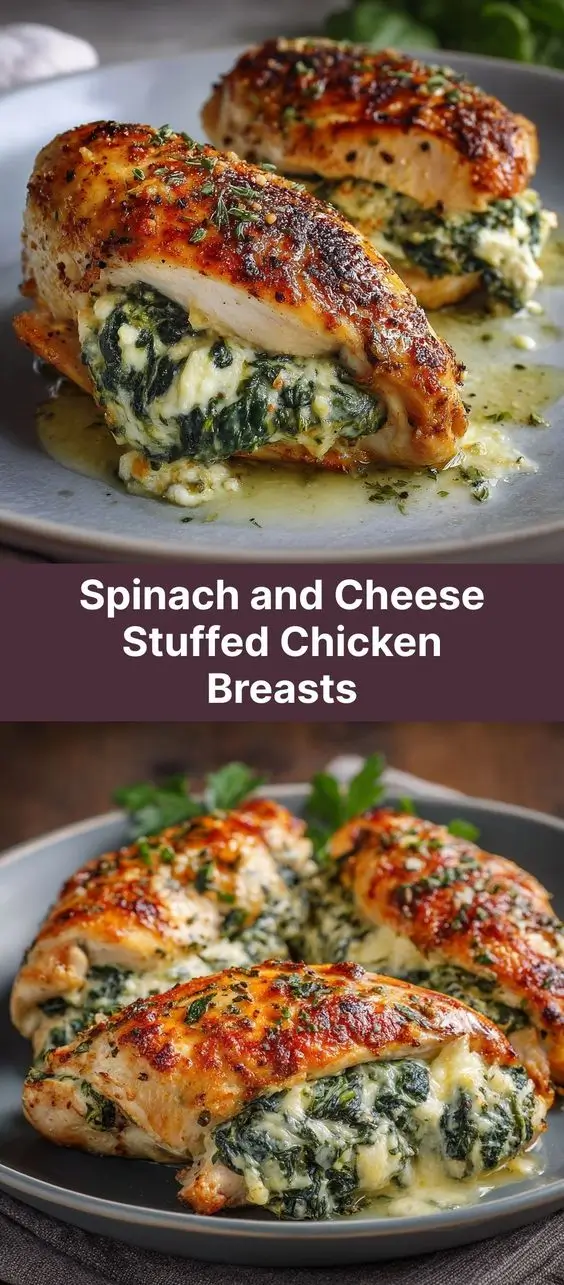
Spinach and Cheese Stuffed Chicken Breasts: A Gourmet Delight for Any Occasion
The History: Where Culinary Tradition Meets Modern Elegance
The concept of stuffed chicken breasts dates back centuries, rooted in European culinary traditions where chefs sought to elevate simple proteins into elegant dishes. In countries like France, Italy, and Germany, the practice of deboning and filling poultry with flavorful ingredients became a hallmark of fine dining. The idea was not only to enhance taste but also to demonstrate craftsmanship in the kitchen.
Spinach and cheese stuffed chicken emerged as a popular variation during the 20th century, particularly influenced by Mediterranean cuisine. With its emphasis on fresh vegetables, herbs, and dairy, this dish perfectly embodies the balance of health and indulgence. Spinach, long celebrated for its nutritional benefits, pairs beautifully with creamy cheeses such as mozzarella, feta, or goat cheese, creating a harmonious blend that complements the mild flavor of chicken.
In American home cooking, this recipe gained traction in the 1980s and 1990s as interest in gourmet-style meals grew. Cookbooks and television chefs began featuring stuffed chicken recipes, highlighting their versatility and impressive presentation. Today, spinach and cheese stuffed chicken breasts are a staple at dinner parties, weeknight family meals, and even meal-prep routines due to their adaptability and satisfying flavor profile.
Ingredients Breakdown: What Makes This Dish Shine
The magic of spinach and cheese stuffed chicken lies in the careful selection and combination of high-quality ingredients. Each component plays a vital role in building layers of flavor, texture, and nutrition.
- Chicken Breasts: Boneless, skinless chicken breasts are preferred for their lean meat and ease of preparation. They provide a neutral canvas that absorbs the flavors of the stuffing while remaining tender when cooked properly.
- Fresh Spinach: Young, tender spinach leaves offer a mild earthiness without bitterness. When sautéed lightly, they soften and release moisture, contributing to the juiciness of the filling. Frozen spinach can be used as an alternative but should be thoroughly drained to prevent sogginess.
- Cheese Blend: A mix of cheeses adds depth and creaminess. Common choices include mozzarella for meltability, Parmesan for saltiness and umami, and feta or goat cheese for tang. Ricotta can also be added for extra richness and body.
- Aromatics: Garlic and onions (or shallots) form the flavor base. Sautéed until fragrant, they infuse the entire dish with savory warmth.
- Herbs: Fresh herbs like parsley, thyme, or basil bring brightness and freshness. Dried herbs work too, though fresh ones are recommended for optimal aroma.
- Breadcrumbs: Optional but useful for binding the filling and absorbing excess liquid. Panko breadcrumbs add a slight crunch if sprinkled on top before baking.
- Olive Oil: Used for searing and sautéing, it enhances flavor and helps create a golden crust on the chicken.
- Seasonings: Salt, black pepper, paprika, and red pepper flakes (optional) round out the seasoning profile, balancing savory, spicy, and herbal notes.
- Butter or Cream (optional): For a richer sauce, some versions include butter or heavy cream in the pan after cooking to create a luxurious gravy.
Step-by-Step Recipe: Crafting Perfection One Cutlet at a Time
- Prepare the Chicken: Start with 4 boneless, skinless chicken breasts. Place each breast between two sheets of plastic wrap and gently pound to about ½-inch thickness using a meat mallet or rolling pin. Alternatively, slice horizontally through the thickest part of the breast to create a pocket—be careful not to cut all the way through.
- Sauté the Spinach: Heat 1 tablespoon olive oil in a large skillet over medium heat. Add 1 finely chopped shallot or small onion and cook until translucent, about 3 minutes. Add 2 cloves minced garlic and cook for 30 seconds more. Stir in 5–6 cups fresh spinach (in batches if needed) and cook just until wilted, about 2–3 minutes. Remove from heat and let cool slightly.
- Make the Filling: In a bowl, combine the cooled spinach mixture with ¾ cup crumbled feta, ½ cup shredded mozzarella, ¼ cup grated Parmesan, 2 tablespoons ricotta (if using), 2 tablespoons chopped fresh parsley, ½ teaspoon dried oregano, salt, and freshly ground black pepper. Mix well until evenly combined. Taste and adjust seasonings as needed.
- Stuff the Chicken: Lay the pounded chicken breasts flat on a clean surface. Divide the filling evenly among them, placing it in the center. If you created pockets, carefully spoon the filling inside. Fold the sides over the filling and roll up tightly, securing with toothpicks or kitchen twine. For pounded cutlets, fold the edges inward and roll from one end to enclose the filling completely.
- Optional Breading: For a crisp exterior, dip the stuffed chicken in flour, then beaten egg, and finally breadcrumbs. This step is optional but adds texture and helps seal in moisture.
- Sear the Chicken: Preheat oven to 375°F (190°C). Heat 2 tablespoons olive oil in an oven-safe skillet over medium-high heat. Sear the stuffed chicken breasts for 3–4 minutes per side, or until golden brown. This develops flavor through the Maillard reaction.
- Bake: Transfer the skillet to the preheated oven. Bake for 20–25 minutes, or until the internal temperature reaches 165°F (74°C) when measured with a meat thermometer inserted into the thickest part of the chicken (avoiding the filling).
- Rest and Serve: Remove from oven and let rest for 5–10 minutes before slicing. This allows juices to redistribute and prevents the filling from spilling out. Carefully remove toothpicks or twine before serving.
- Optional Sauce: While the chicken rests, use the same skillet to make a quick pan sauce. Deglaze with ½ cup chicken broth, scraping up browned bits. Add 2 tablespoons butter and stir until melted. Optionally, stir in 2 tablespoons cream or lemon juice for added richness or acidity.
Tips for Success: Mastering the Art of Stuffed Chicken
- Uniform Thickness: Pounding the chicken ensures even cooking. Uneven pieces may result in dry spots or undercooked centers.
- Don’t Overstuff: Too much filling can cause the chicken to burst open during cooking. Aim for about ¼ to ⅓ cup per breast, depending on size.
- Dry Spinach Thoroughly: Excess moisture from spinach can make the filling watery. After wilting, press it between paper towels or a clean kitchen cloth to remove liquid.
- Secure Properly: Use toothpicks or kitchen twine to keep rolls closed. Check occasionally during cooking to ensure they haven’t loosened.
- Use a Meat Thermometer: Guessing doneness leads to overcooking. Insert the thermometer into the meat—not the cheese—to get an accurate reading.
- Let It Rest: Skipping the resting phase increases the chance of a messy plate. Letting the chicken sit ensures juiciness and structural integrity.
- Cook Immediately or Chill: If preparing ahead, assemble and refrigerate unbaked chicken for up to 8 hours. Bring to room temperature before searing.
- Non-Stick Skillet Tip: Avoid non-stick pans for searing; they don’t promote browning. Use stainless steel or cast iron for best results.
Variations and Customizations: Make It Your Own
One of the greatest strengths of this recipe is its adaptability. Whether you’re catering to dietary preferences, seasonal ingredients, or global flavor profiles, there’s room to innovate.
- Mediterranean Twist: Add sun-dried tomatoes, kalamata olives, and artichoke hearts to the filling. Use feta and oregano for authentic Greek flair.
- Italian Style: Incorporate marinara sauce into the pan after baking, top with extra mozzarella, and broil briefly for a mini chicken Parmesan effect.
- Low-Carb/Keto Version: Skip breadcrumbs and use almond flour for coating. Opt for full-fat cheeses and serve with roasted vegetables or cauliflower mash.
- Dairy-Free Option: Replace cheese with dairy-free alternatives like cashew ricotta or nutritional yeast-based blends. Nutritional yeast adds a cheesy flavor without actual dairy.
- Gluten-Free Adaptation: Ensure breadcrumbs are certified gluten-free or omit entirely. The dish holds together well without breading if secured properly.
- Spicy Kick: Add diced jalapeños, crushed red pepper flakes, or smoked paprika to the filling. Serve with a chipotle cream sauce for extra heat.
- Premium Upgrade: Use prosciutto-wrapped chicken for added saltiness and texture. Wrap each stuffed breast in a slice before searing.
- Vegetable Variations: Swap spinach with Swiss chard, kale, or arugula. Roasted mushrooms or caramelized onions also pair beautifully with cheese.
- Global Inspirations: Try Indian spices like garam masala and cilantro; Mexican flavors with corn, black beans, and pepper jack cheese; or French-inspired herbes de Provence and Dijon mustard in the filling.
Health Considerations and Nutritional Value
Spinach and cheese stuffed chicken breasts can be both delicious and nutritious when prepared thoughtfully. Here’s a breakdown of key health aspects:
- High-Quality Protein: Chicken breast is an excellent source of lean protein, essential for muscle repair, immune function, and satiety. One 6-ounce serving provides roughly 50 grams of protein.
- Iron and Vitamins from Spinach: Spinach is rich in iron (important for oxygen transport), vitamin K (for blood clotting and bone health), vitamin A (for vision and immunity), and folate (crucial for cell division).
- Calcium and Probiotics (from Cheese): Depending on the cheese used, you may gain calcium for strong bones and, in fermented cheeses like feta or aged varieties, beneficial probiotics.
- Fat Content: While cheese adds flavor, it also contributes saturated fat. To reduce fat, use part-skim mozzarella, limit quantities, or increase the ratio of spinach to cheese.
- Sodium Awareness: Cheese, especially feta and Parmesan, can be high in sodium. Those monitoring blood pressure should use lower-sodium options or reduce added salt.
- Balanced Meal Pairing: Serve with whole grains like quinoa or brown rice and steamed vegetables to create a well-rounded plate. Avoid heavy sauces unless made with low-fat bases.
- Portion Control: A single stuffed breast is typically sufficient per person. Overeating protein-rich meals can strain kidneys in sensitive individuals.
- Allergen Notes: Contains dairy and possibly gluten (if breadcrumbs are used). Always label accordingly for guests with allergies.
Nutritional Estimate (Per Serving, Approximate):
| Nutrient | Amount |
|---|---|
| Calories | 380 kcal |
| Protein | 42g |
| Total Fat | 18g |
| Saturated Fat | 8g |
| Carbohydrates | 6g |
| Fiber | 2g |
| Sugar | 2g |
| Sodium | 650mg |
Full Ingredient List
- 4 boneless, skinless chicken breasts (6 oz each)
- 2 tbsp olive oil (divided)
- 1 small onion or shallot, finely chopped
- 2 garlic cloves, minced
- 5–6 cups fresh baby spinach (or 10 oz frozen, thawed and squeezed dry)
- ¾ cup crumbled feta cheese
- ½ cup shredded mozzarella
- ¼ cup grated Parmesan cheese
- 2 tbsp ricotta cheese (optional)
- 2 tbsp fresh parsley, chopped
- ½ tsp dried oregano
- Salt and freshly ground black pepper to taste
- ¼ cup all-purpose flour (optional, for dredging)
- 1 large egg, beaten (optional)
- ½ cup breadcrumbs (regular or Panko; gluten-free if desired)
- Toothpicks or kitchen twine
- ½ cup chicken broth (for sauce)
- 2 tbsp butter (for sauce)
- 2 tbsp heavy cream or lemon juice (optional, for sauce)
Directions Recap
- Pound chicken breasts to ½-inch thickness and create pockets or flatten for rolling.
- Sauté onion and garlic in 1 tbsp oil; wilt spinach, then cool.
- Mix spinach with cheeses, herbs, and seasonings.
- Divide filling and stuff into chicken, rolling and securing with toothpicks.
- (Optional) Dredge in flour, egg, and breadcrumbs.
- Sear in hot oil in an oven-safe skillet for 3–4 minutes per side until golden.
- Bake at 375°F for 20–25 minutes until internal temperature reaches 165°F.
- Rest for 5–10 minutes before slicing.
- Make pan sauce with broth, butter, and optional cream or lemon juice.
- Serve warm with your favorite sides.
FAQ: Frequently Asked Questions
Can I prepare these ahead of time?
Yes! Assemble the stuffed chicken up to 24 hours in advance, cover, and refrigerate. Bring to room temperature for 20–30 minutes before cooking.
Can I freeze stuffed chicken breasts?
Absolutely. Freeze uncooked stuffed chicken on a tray, then transfer to freezer bags. Cook from frozen—add 5–10 minutes to baking time. Fully cooked versions can also be frozen and reheated gently.
Why did my chicken burst open during cooking?
Likely causes include overstuffing, insufficient securing, or uneven pounding. Roll tightly, don’t overfill, and use toothpicks generously.
Can I cook this in an air fryer?
Yes. Preheat air fryer to 370°F. Lightly spray stuffed chicken with oil and cook for 18–22 minutes, flipping halfway, until internal temperature reaches 165°F.
What sides go well with this dish?
Excellent pairings include garlic mashed potatoes, roasted asparagus, wild rice pilaf, quinoa salad, grilled zucchini, or a crisp garden salad with vinaigrette.
Is it safe to eat slightly pink chicken?
Color is not a reliable indicator. Always use a meat thermometer. Chicken is safe at 165°F, even if slightly pink near the bone or in thicker areas.
Can I use chicken thighs instead?
Yes, though they require different handling. Thighs are more forgiving and stay juicier, but may need longer cooking. Adjust time accordingly.
How do I store leftovers?
Cool completely and store in an airtight container in the refrigerator for up to 3–4 days. Reheat gently in the oven or microwave.
Summary
Spinach and cheese stuffed chicken breasts combine elegance and comfort in one satisfying dish, perfect for both weeknights and special occasions.
Packed with protein, nutrients, and customizable flavors, this recipe offers endless possibilities while delivering consistent, restaurant-quality results at home.