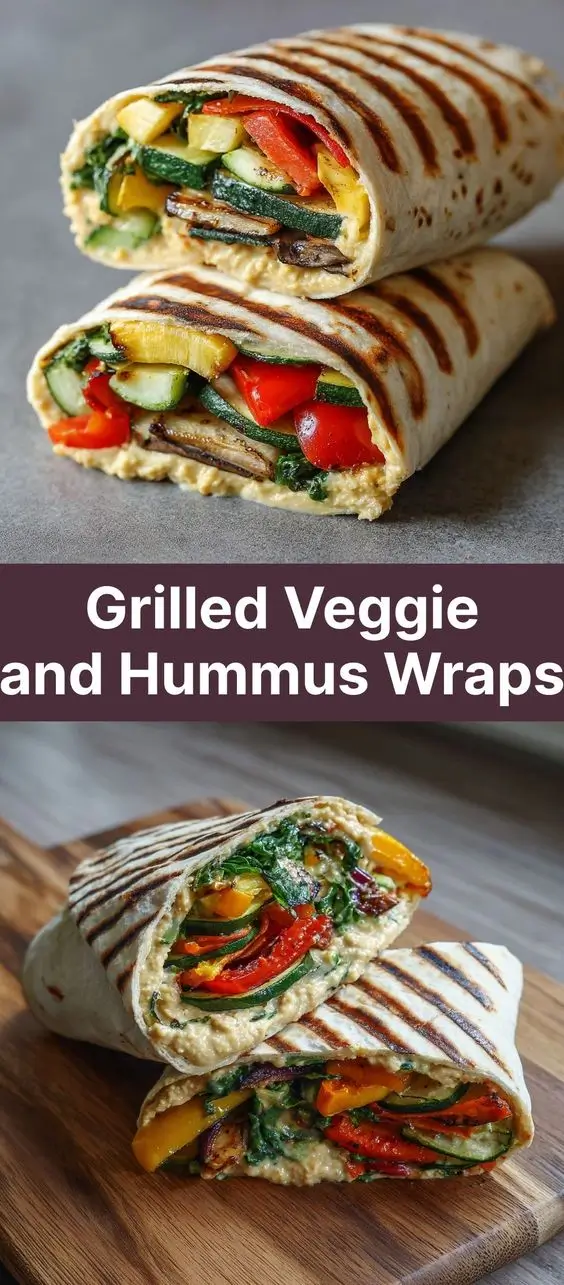
Grilled Veggie and Hummus Wraps: A Flavorful, Healthy Delight
The History
The concept of wraps as a culinary innovation emerged in the late 20th century, gaining popularity in Western cuisine during the 1980s and 1990s as a convenient and portable alternative to traditional sandwiches. While flatbreads have been used for centuries across Middle Eastern, Mediterranean, and South Asian cultures—such as lavash, pita, and roti—the modern wrap evolved from these ancient traditions by incorporating new fillings and global flavors. Grilled vegetables, long celebrated in cuisines from Greece to Morocco, brought depth, smokiness, and nutrition to meals, while hummus, a creamy chickpea-based spread with roots tracing back over a thousand years to the Levant region, became a staple protein-rich condiment.
The fusion of grilled veggies and hummus within a wrap format represents a harmonious blend of old-world ingredients and contemporary dining habits. As health-conscious eating surged in the 2000s, this combination rose in prominence due to its plant-based richness, fiber content, and balanced macros. Today, grilled veggie and hummus wraps are a favorite among vegetarians, vegans, meal preppers, and busy professionals seeking nutritious, flavorful, and satisfying on-the-go meals. Their adaptability has led to countless regional and personal variations, making them a global comfort food with deep cultural resonance.
Ingredients Breakdown
The magic of grilled veggie and hummus wraps lies not only in their taste but also in the synergy of wholesome, nutrient-dense ingredients. Each component plays a vital role in creating a well-rounded, satisfying meal:
- Whole Wheat Tortillas or Flatbreads: These serve as the base, offering complex carbohydrates, fiber, and sustained energy. Whole grain options add texture and a nutty flavor while supporting digestive health.
- Hummus (Classic or Flavored): Made primarily from blended chickpeas, tahini, lemon juice, garlic, and olive oil, hummus provides plant-based protein, healthy fats, and creaminess. It acts as both a binder and flavor enhancer.
- Zucchini: Mild in flavor and tender when grilled, zucchini adds moisture, vitamins (like vitamin C and B6), and antioxidants such as lutein and zeaxanthin.
- Red Bell Peppers: Sweet and vibrant, they bring color, crunch, and an exceptional dose of vitamin C—more than an orange! They also contain capsaicinoids that may support metabolism.
- Eggplant: With its meaty texture, eggplant absorbs smoky grill flavors beautifully. It’s rich in nasunin, an antioxidant found in the skin that supports brain health.
- Red Onion: Adds sharpness and bite; grilling mellows its pungency into a sweet, caramelized delight. Red onions are high in quercetin, a flavonoid with anti-inflammatory properties.
- Portobello Mushrooms: Large, earthy, and hearty, these mushrooms offer umami depth and a nearly meat-like consistency, making them ideal for plant-based diets.
- Asparagus: Tender-crisp spears contribute elegance and nutrients like folate, vitamin K, and fiber. Grilling enhances their natural sweetness.
- Olive Oil: Used for brushing veggies before grilling, extra virgin olive oil imparts heart-healthy monounsaturated fats and aids in the absorption of fat-soluble vitamins.
- Fresh Herbs (Parsley, Basil, Cilantro): These add brightness, aroma, and phytonutrients. Parsley is especially rich in chlorophyll and vitamin K.
- Lemon Juice: A splash before serving lifts all the flavors, boosts vitamin C, and prevents browning of cut vegetables.
- Optional Add-ins: Spinach, arugula, avocado slices, sun-dried tomatoes, feta cheese (or vegan feta), olives, pickled jalapeños, or roasted garlic can elevate texture and taste.
Step-by-Step Recipe
- Prepare the Vegetables: Wash and slice all vegetables uniformly—about ¼-inch thick—to ensure even grilling. Cut zucchini and eggplant into lengthwise planks, bell peppers into flat panels, red onion into rounds, mushrooms into thick slices, and trim woody ends from asparagus.
- Marinate the Veggies: In a large bowl, toss the vegetables with 3–4 tablespoons of extra virgin olive oil, freshly ground black pepper, sea salt, smoked paprika (optional), and minced garlic. Let sit for 15–20 minutes to absorb flavors.
- Preheat the Grill: Heat a gas or charcoal grill to medium-high (around 375°F–400°F). Alternatively, use a grill pan on the stovetop for indoor cooking. Ensure the grates are clean and lightly oiled to prevent sticking.
- Grill the Vegetables: Place the vegetables directly on the grill. Cook without moving for 3–5 minutes per side, depending on thickness, until distinct char marks appear and they become tender but still hold shape. Rotate carefully using tongs. Remove each type as it finishes (bell peppers and asparagus cook faster than eggplant or onions).
- Cool and Chop (Optional): Allow grilled veggies to cool slightly. For easier wrapping, chop them into bite-sized strips or leave whole if using larger tortillas.
- Warm the Tortillas: Briefly heat tortillas on the grill or in a dry skillet for 10–15 seconds per side. This makes them more pliable and less likely to crack when rolled.
- Spread the Hummus: Lay each tortilla flat and evenly spread 2–3 tablespoons of hummus over the surface, leaving a ½-inch border around the edge.
- Layer the Fillings: Arrange grilled vegetables horizontally in the center third of the tortilla. Add fresh greens, herbs, optional extras like avocado or feta, and a squeeze of fresh lemon juice.
- Roll Tightly: Fold the sides inward slightly, then begin rolling from the bottom up, tucking in the fillings as you go. Apply gentle pressure to create a compact wrap.
- Serve or Pack: Serve immediately, sliced in half diagonally for presentation, or wrap in parchment paper or foil for later consumption. If preparing ahead, avoid refrigerating wrapped versions unless necessary—chill can make tortillas stiff.
Tips
- Don’t Overcook the Veggies: Aim for tender-crisp texture. Mushy vegetables can make the wrap soggy and harder to roll.
- Use High-Quality Tortillas: Look for soft, flexible wraps made with minimal preservatives. Whole wheat, spinach, or sprouted grain varieties add nutritional value.
- Pat Veggies Dry After Grilling: Excess moisture can weaken the tortilla. Blot grilled vegetables gently with paper towels if needed.
- Add Crunch: Include raw elements like shredded carrots, cabbage, cucumber ribbons, or microgreens to contrast the soft grilled textures.
- Double Wrap for Sturdiness: For overstuffed wraps, place a second smaller tortilla inside the first to act as a moisture barrier and prevent breakage.
- Grill the Tortillas Too: Lightly charring the tortilla after filling adds flavor and structural integrity—great for picnic-style wraps.
- Make Ahead Smartly: Grill veggies and store in airtight containers in the fridge for up to 5 days. Assemble wraps just before eating to maintain freshness.
- Keep Warm Without Sogginess: If serving at a gathering, wrap assembled wraps in foil and keep in a warm oven (not above 170°F) for up to 30 minutes.
- Customize for Dietary Needs: Use gluten-free tortillas, soy-free hummus, or oil-free marinades to accommodate allergies or restrictions.
- Balance Flavors: Taste as you build—ensure there’s a harmony of salty (hummus, feta), sweet (grilled peppers), acidic (lemon), and bitter (arugula) notes.
Variations and Customizations
One of the greatest strengths of grilled veggie and hummus wraps is their incredible versatility. Here are some creative twists to suit different tastes, seasons, and dietary preferences:
- Mediterranean Style: Add kalamata olives, crumbled feta, sun-dried tomatoes, and oregano-infused hummus. Drizzle with tzatziki or lemon-tahini sauce.
- Middle Eastern Fusion: Use za’atar-spiced hummus, grilled halloumi cheese, pickled turnips, and fresh mint. Serve with a side of tabbouleh.
- Spicy Southwest: Swap classic hummus for chipotle or roasted red pepper hummus. Include grilled corn, black beans, jalapeños, and cilantro-lime slaw.
- Asian-Inspired: Use sesame-ginger hummus, add grilled bok choy, snap peas, carrots, and scallions. Top with crushed peanuts and a drizzle of tamari or ponzu.
- Protein-Packed Version: Layer in grilled tofu, tempeh, falafel, or lentils to boost satiety and protein content.
- Low-Carb/Keto Option: Replace tortillas with large lettuce leaves (romaine, butter lettuce, or collard greens) for a refreshing, crunchy wrap alternative.
- Breakfast Wrap: Add scrambled eggs or tofu scramble, sautéed spinach, and a dollop of herbed hummus for a morning-friendly version.
- Seasonal Rotations: In summer, use fresh squash and heirloom tomatoes; in fall, try grilled apples, Brussels sprouts, and sage. Winter calls for root vegetables like parsnips or beets (pre-roast for tenderness).
- Dessert Wrap Idea: Yes, really! Spread sweet hummus (made with maple syrup, cinnamon, and vanilla) on a whole grain wrap and fill with grilled peaches, bananas, and chopped nuts.
- Kid-Friendly Twist: Make mini wraps using small tortillas, call them “veggie pinwheels,” and let kids assemble their own with safe, fun tools.
Health Considerations and Nutritional Value
Grilled veggie and hummus wraps are a powerhouse of nutrition when prepared thoughtfully. They align well with plant-forward, Mediterranean, flexitarian, and sustainable eating patterns. Here’s a breakdown of key health benefits:
- Fiber-Rich: The combination of whole grains, legumes (chickpeas), and diverse vegetables delivers 8–12 grams of fiber per wrap—supporting gut health, blood sugar regulation, and satiety.
- Heart-Healthy Fats: Olive oil and tahini provide monounsaturated fats, which help lower LDL cholesterol and reduce cardiovascular risk.
- Plant-Based Protein: Hummus contributes about 5–7 grams of protein per ¼ cup. Pairing it with veggies creates a complete amino acid profile when combined with other plant sources throughout the day.
- Low Glycemic Impact: Especially when using whole grain or low-carb bases, these wraps release energy slowly, avoiding blood sugar spikes.
- Antioxidant Abundance: Colorful vegetables supply carotenoids, flavonoids, and polyphenols that combat oxidative stress and inflammation.
- Weight Management Support: High volume, low calorie density, and strong satiety make this dish excellent for healthy weight loss or maintenance.
- Digestive Benefits: Fermented components like naturally cultured hummus (if using artisanal versions) may promote a healthy microbiome.
- Potential Concerns: Store-bought hummus or tortillas may contain added sugars, sodium, or preservatives. Always read labels. Those with nightshade sensitivities should omit peppers, eggplant, or tomatoes. Gluten-sensitive individuals must choose certified gluten-free wraps.
- Nutrient Retention Tip: Grilling preserves more nutrients than boiling and enhances flavor without needing excessive salt or fat.
On average, one standard grilled veggie and hummus wrap contains approximately:
- Calories: 350–450 kcal
- Protein: 10–14g
- Fat: 15–20g (mostly unsaturated)
- Carbohydrates: 45–55g
- Fiber: 10g
- Sodium: 400–700mg (varies widely based on hummus brand)
- Vitamins & Minerals: Excellent source of Vitamins A, C, K, folate, potassium, and iron (especially when paired with dark leafy greens).
Ingredients
- 6 whole wheat or multigrain tortillas (10-inch)
- 1 cup hummus (store-bought or homemade)
- 1 medium zucchini, sliced lengthwise
- 1 medium yellow squash, sliced lengthwise
- 1 large red bell pepper, quartered and seeded
- 1 small eggplant, sliced into rounds
- 1 red onion, cut into ½-inch thick rounds
- 8 oz portobello mushrooms, stems removed, caps sliced
- 1 bunch asparagus, tough ends trimmed
- 3–4 tablespoons extra virgin olive oil
- 1 teaspoon sea salt
- ½ teaspoon black pepper
- 1 teaspoon smoked paprika (optional)
- 2 cloves garlic, minced
- 1 lemon, juiced and zested
- 1 cup fresh spinach or arugula
- ¼ cup chopped fresh parsley or basil
- 1 ripe avocado, sliced (optional)
- ½ cup crumbled feta or vegan cheese (optional)
Directions
- In a large mixing bowl, combine zucchini, yellow squash, bell pepper, eggplant, red onion, mushrooms, and asparagus. Drizzle with olive oil, then add salt, pepper, smoked paprika, and minced garlic. Toss gently to coat all pieces evenly. Let marinate at room temperature for 15–20 minutes.
- Preheat grill or grill pan over medium-high heat. Lightly oil the grates to prevent sticking.
- Place vegetables on the grill in a single layer. Close the lid and cook for 3–5 minutes per side, turning once, until tender and grill-marked. Remove quicker-cooking items (like asparagus and peppers) earlier. Transfer all grilled veggies to a tray and let cool slightly.
- If desired, chop larger vegetable pieces into strips for easier wrapping.
- Warm tortillas on the grill for 10 seconds per side. Stack and cover with a clean cloth to keep soft.
- Spread 2 tablespoons of hummus onto each tortilla, spreading toward the edges but leaving a margin.
- Layer grilled vegetables horizontally down the center third of each tortilla. Top with spinach, herbs, avocado, cheese, and a squeeze of lemon juice.
- Fold the left and right sides of the tortilla inward about ½ inch. Starting from the bottom, tightly roll upward, tucking in the fillings as you go.
- Serve immediately, optionally slicing in half crosswise or diagonally. Secure with parchment paper or foil if packing for later.
FAQ
- Can I make grilled veggie wraps ahead of time?
- Yes, but best results come from assembling just before eating. You can prep and grill the vegetables up to 5 days in advance and store them in an airtight container in the refrigerator. Assemble wraps within a few hours of serving to prevent sogginess.
- How do I keep my wraps from falling apart?
- Use fresh, pliable tortillas and warm them before use. Avoid overfilling, roll tightly, and fold in the sides. Double-layering tortillas or using a strip of lettuce as an inner liner can reinforce structure.
- Are these wraps vegan?
- They can be! Simply ensure your hummus is vegan (no dairy) and skip feta or use a plant-based alternative. Check tortilla ingredients for honey or dairy derivatives.
- Can I freeze grilled veggie wraps?
- Not recommended. Freezing affects texture—tortillas become soggy or brittle upon thawing. However, grilled vegetables freeze well for up to 3 months and can be used in soups, bowls, or future wraps after thawing.
- What can I use instead of hummus?
- Try mashed avocado, white bean spread, baba ganoush, tzatziki (if not vegan), or cashew cream. Each offers unique flavor and creaminess.
- Is grilling necessary, or can I roast the veggies?
- Roasting works perfectly! Toss veggies with oil and roast at 400°F for 20–25 minutes, flipping halfway. Broiling for the last few minutes adds charred flavor.
- How do I prevent the tortilla from cracking?
- Always warm the tortilla before rolling. Cold or dry tortillas are prone to cracking. Microwave for 10 seconds wrapped in a damp paper towel if no stove or grill is available.
- Are these wraps kid-friendly?
- Absolutely! Let children choose their favorite veggies and help assemble. Use fun shapes (cut with cookie cutters) or call them “rainbow rolls” to spark interest.
Summary
Grilled veggie and hummus wraps are a delicious, nutritious, and infinitely customizable meal perfect for lunch, dinner, or meal prep. Packed with fiber, plant-based protein, and vibrant flavors, they celebrate seasonal produce and healthy eating.
Whether enjoyed fresh off the grill or packed for a picnic, these wraps offer a satisfying balance of smoky, creamy, and fresh elements—making them a beloved favorite across diets and generations.