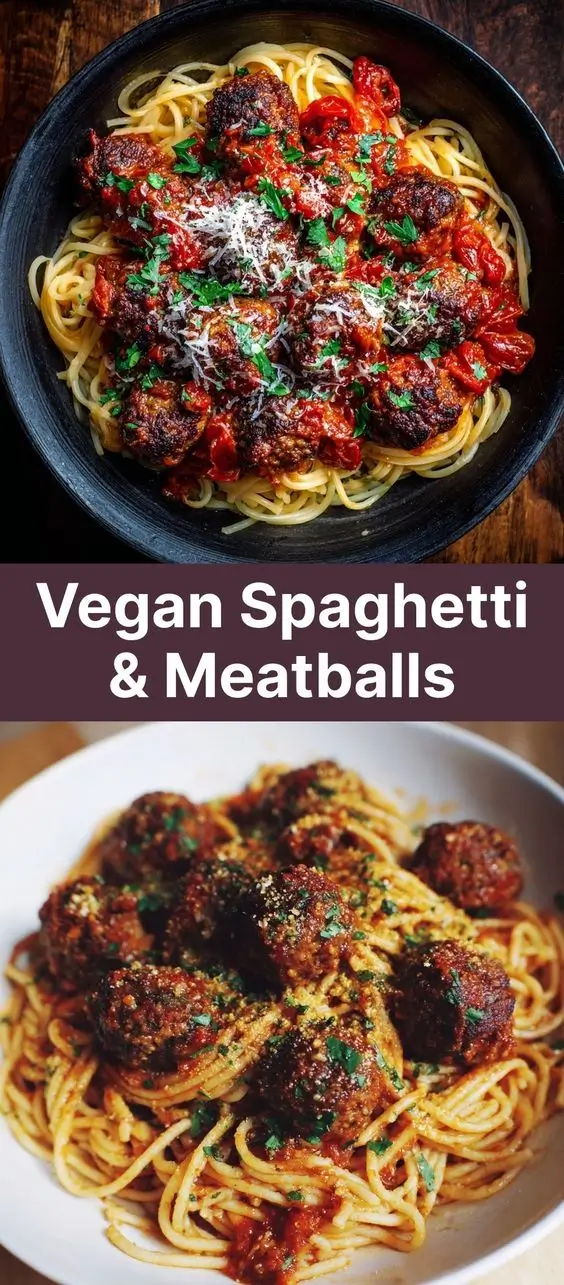
Vegan Spaghetti & Meatballs: A Hearty, Plant-Based Comfort Classic
There’s something undeniably comforting about a plate of spaghetti and meatballs—warm, savory, and deeply satisfying. Traditionally made with animal products, this beloved Italian-American dish has evolved to embrace plant-based alternatives that are just as delicious, if not more so. Enter vegan spaghetti and meatballs: a cruelty-free, nutritious, and flavorful twist on the classic that satisfies both vegans and omnivores alike. Whether you’re fully committed to a plant-based lifestyle or simply exploring meatless meals, this recipe is a must-try. Packed with protein-rich ingredients, aromatic herbs, and a rich tomato sauce, it brings all the comfort of the original without compromising your values or taste buds.
The History of Spaghetti and Meatballs
While often thought of as quintessential Italian cuisine, spaghetti and meatballs as we know it today is actually an Italian-American creation. In traditional Italian cooking, pasta and meat are typically served as separate courses. However, when Italian immigrants arrived in the United States during the late 19th and early 20th centuries, they found more affordable access to meat and larger portions than back home. This abundance led to the fusion of meatballs with pasta dishes, giving birth to the now-iconic combination of spaghetti smothered in tomato sauce and topped with large, tender meatballs.
Over time, the dish became a staple in American homes and restaurants. As dietary preferences have shifted, especially with the rise of vegetarianism and veganism, chefs and home cooks began reimagining the meatball component using plant-based proteins like lentils, mushrooms, beans, and textured vegetable protein (TVP). Today, vegan versions honor the spirit of the original while embracing sustainability, health, and ethical eating.
Ingredients Breakdown: What Makes Vegan Meatballs Work?
The magic of vegan spaghetti and meatballs lies in how well plant-based ingredients mimic the texture, flavor, and umami depth of traditional meat. Let’s break down the key components:
- Lentils or Beans: Cooked brown or green lentils are the most popular base for vegan meatballs due to their hearty texture and high protein and fiber content. Black beans or chickpeas can also be used but may alter the color and taste slightly.
- Mushrooms: Finely chopped cremini or button mushrooms add moisture, richness, and a meaty umami flavor. When sautéed, they release deep savory notes that closely resemble ground meat.
- Breadcrumbs: Act as a binder and give structure. Use gluten-free breadcrumbs if needed, or make your own from stale bread. Oat flour or ground flaxseed can serve as alternatives.
- Flax Egg: A mixture of ground flaxseed and water replaces the binding function of eggs. It’s essential for holding the meatballs together during baking or frying.
- Nutritional Yeast: Adds a cheesy, nutty flavor and boosts the overall savoriness. It also contributes B vitamins, making the dish more nutritionally balanced.
- Herbs and Seasonings: Garlic, onion powder, dried oregano, basil, thyme, smoked paprika, salt, and black pepper build complexity and mimic the seasoned profile of traditional meatballs.
- Olive Oil: Enhances moisture and helps with browning. It also carries fat-soluble flavors, making the seasoning more robust.
For the sauce, a rich marinara made from crushed tomatoes, garlic, fresh herbs, and a splash of red wine (optional) ties everything together. The spaghetti can be whole wheat, legume-based (like lentil or chickpea pasta), or traditional semolina—your choice depending on dietary needs.
Step-by-Step Recipe: How to Make Perfect Vegan Spaghetti & Meatballs
Ingredients
For the Vegan Meatballs:
- 1 cup cooked green or brown lentils (about ½ cup dry, cooked according to package)
- 1 cup finely chopped cremini mushrooms
- ½ cup finely diced onion
- 2 cloves garlic, minced
- ¾ cup breadcrumbs (gluten-free if needed)
- 2 tablespoons ground flaxseed + 5 tablespoons water (flax egg)
- 2 tablespoons nutritional yeast
- 1 teaspoon dried oregano
- 1 teaspoon dried basil
- ½ teaspoon smoked paprika
- ½ teaspoon onion powder
- 1 teaspoon salt
- ½ teaspoon black pepper
- 2 tablespoons olive oil (plus more for baking sheet or pan)
For the Marinara Sauce:
- 2 tablespoons olive oil
- 3 cloves garlic, minced
- 1 small onion, finely diced
- 1 (28-ounce) can crushed tomatoes (preferably San Marzano)
- 2 tablespoons tomato paste
- 1 teaspoon sugar (optional, to balance acidity)
- 1 teaspoon dried oregano
- 1 teaspoon dried basil
- ½ teaspoon red pepper flakes (optional)
- Salt and black pepper to taste
- ¼ cup fresh basil, chopped (added at the end)
- 2 tablespoons red wine (optional, for depth)
For Serving:
- 12 ounces spaghetti (whole wheat, gluten-free, or regular)
- Fresh parsley or basil, for garnish
- Vegan Parmesan cheese (store-bought or homemade from nuts and nutritional yeast)
Directions
- Prepare the Flax Egg: In a small bowl, mix 2 tablespoons ground flaxseed with 5 tablespoons water. Set aside for 10–15 minutes until thickened and gel-like.
- Cook the Lentils (if not pre-cooked): If starting from dry lentils, rinse and cook ½ cup lentils in 1½ cups water until tender but not mushy (about 20–25 minutes). Drain and let cool.
- Sauté the Vegetables: Heat 1 tablespoon olive oil in a skillet over medium heat. Add onions and sauté for 3–4 minutes until translucent. Add garlic and mushrooms, then cook for another 6–8 minutes until mushrooms have released their moisture and the mixture is deeply browned. Remove from heat and let cool slightly.
- Make the Meatball Mixture: In a large mixing bowl, mash the cooked lentils with a fork or potato masher until mostly broken down but still slightly chunky. Add the sautéed mushroom mixture, flax egg, breadcrumbs, nutritional yeast, herbs, spices, salt, pepper, and 2 tablespoons olive oil. Mix thoroughly until well combined. The mixture should hold together when pressed; if too wet, add more breadcrumbs. If too dry, add a splash of water or olive oil.
- Form the Meatballs: Preheat oven to 375°F (190°C). Line a baking sheet with parchment paper and lightly brush with olive oil. Scoop about 2 tablespoons of mixture and roll into balls (you should get 18–20 meatballs). Place on the baking sheet, leaving space between each.
- Bake the Meatballs: Bake for 25–30 minutes, flipping halfway through, until golden brown and firm to the touch. Alternatively, pan-fry in a little olive oil over medium heat for 8–10 minutes, turning gently, until evenly browned.
- Make the Marinara Sauce: While meatballs bake, heat olive oil in a large saucepan over medium heat. Add onions and sauté until soft (4–5 minutes). Add garlic and cook for 30 seconds until fragrant. Stir in tomato paste and cook for 1 minute to deepen flavor. Pour in crushed tomatoes, sugar (if using), red wine (if using), oregano, basil, red pepper flakes, salt, and pepper. Bring to a simmer, then reduce heat and cook uncovered for 20–25 minutes, stirring occasionally. Stir in fresh basil at the end.
- Cook the Spaghetti: Bring a large pot of salted water to a boil. Cook spaghetti according to package instructions until al dente. Drain, reserving ½ cup pasta water.
- Combine or Serve Separately: You can either place the cooked spaghetti on plates, top with sauce and meatballs, or gently toss the spaghetti with some sauce in the pot before plating. Add meatballs on top.
- Garnish and Serve: Sprinkle with fresh parsley or basil and a generous amount of vegan Parmesan. Drizzle with extra virgin olive oil if desired.
Tips for Success
- Don’t skip the mushroom sauté: Cooking the mushrooms until deeply browned adds crucial umami and prevents sogginess in the meatballs.
- Cool the mixture before shaping: Warm mixtures can become sticky and hard to handle. Letting it cool for 10–15 minutes improves texture and makes rolling easier.
- Chill for firmer meatballs: For even better results, refrigerate the mixture for 30 minutes before shaping. This helps bind ingredients and reduces crumbling.
- Uniform size matters: Roll meatballs to the same size so they cook evenly.
- Don’t overcrowd the baking sheet: Allow space for air circulation to ensure even browning.
- Use starchy pasta water: When tossing spaghetti with sauce, a splash of reserved pasta water helps the sauce cling better.
- Freeze extras: Uncooked or cooked meatballs freeze beautifully for up to 3 months. Thaw and reheat in sauce for quick meals.
Variations and Customizations
This recipe is highly adaptable. Try these creative twists:
- Gluten-Free: Use certified gluten-free breadcrumbs and gluten-free pasta.
- Oil-Free: Skip added oils by using water or vegetable broth to sauté vegetables and lining the baking sheet with parchment instead of oiling.
- Walnut or Mushroom Base: Replace half the lentils with finely chopped walnuts for a richer, nuttier texture.
- Thai-Inspired: Swap Italian herbs for lemongrass, ginger, soy sauce, and cilantro. Serve over rice noodles with a peanut-lime sauce.
- BBQ Style: Coat baked meatballs in barbecue sauce and serve on buns as sliders.
- Stuffed Meatballs: Insert a small piece of vegan mozzarella in the center before baking for a melty surprise.
- Different Grains: Substitute quinoa, bulgur, or oats for part of the breadcrumbs for added texture and nutrients.
- Spicy Kick: Add cayenne, jalapeño, or extra red pepper flakes to the meatball mix or sauce.
Health Considerations and Nutritional Value
Vegan spaghetti and meatballs offer numerous health benefits compared to their traditional counterpart:
- Lower in Saturated Fat: Plant-based ingredients eliminate cholesterol and reduce saturated fat intake, supporting heart health.
- High in Fiber: Lentils, whole grain pasta, and vegetables contribute significant dietary fiber, aiding digestion and promoting satiety.
- Rich in Protein: Lentils and nutritional yeast provide complete amino acid profiles when combined with grains, ensuring adequate protein intake.
- Packed with Vitamins and Minerals: Iron, folate, potassium, and B vitamins from lentils; lycopene from tomatoes; antioxidants from herbs and olive oil.
- Anti-Inflammatory Properties: Ingredients like garlic, turmeric (optional addition), olive oil, and mushrooms have natural anti-inflammatory effects.
- Weight Management Friendly: High volume, low-calorie density makes this dish ideal for maintaining or losing weight without feeling deprived.
A typical serving (1 cup pasta + 3–4 meatballs + ½ cup sauce) contains approximately:
- Calories: 400–450
- Protein: 18–22g
- Fiber: 10–12g
- Fat: 10–14g (mostly healthy unsaturated fats)
- Carbohydrates: 65–70g
- Sodium: Varies based on added salt and canned ingredients (use low-sodium options if concerned)
For those managing diabetes, pairing this meal with a side salad can help balance blood sugar. Using legume-based pasta increases protein and lowers glycemic index even further.
Frequently Asked Questions (FAQ)
Can I make these meatballs ahead of time?
Yes! Prepare the mixture and store it covered in the fridge for up to 2 days before baking. You can also bake them and refrigerate for 4–5 days or freeze for longer storage.
Can I pan-fry instead of baking?
Absolutely. Pan-frying gives a crispier exterior. Use medium heat and turn gently to avoid breaking.
Why are my meatballs falling apart?
This usually happens due to insufficient binder (breadcrumbs or flax egg), too much moisture, or handling too soon after cooking. Make sure to use enough breadcrumbs, sauté mushrooms well, and let meatballs rest for a few minutes after baking before moving them.
Can I use canned lentils?
Yes, but drain and rinse them thoroughly, and pat dry to remove excess moisture. Freshly cooked lentils tend to have better texture.
Is there a nut-free option?
Yes—this recipe is naturally nut-free unless you add walnuts. Stick to seeds like sunflower or pumpkin for crunch if desired.
What can I substitute for flaxseed?
Chia seeds (same ratio) work similarly. Commercial egg replacers like Bob’s Red Mill or Ener-G can also be used per package instructions.
Can I cook the meatballs directly in the sauce?
Yes, for a “meatball soup” style dish. Simmer them gently in the sauce for 15–20 minutes. They’ll be softer but very flavorful.
How do I reheat leftovers?
Warm in a skillet with a splash of water or sauce to prevent drying. Microwave works too, but cover to retain moisture.
Summary
Vegan spaghetti and meatballs bring all the comfort and flavor of the classic dish without any animal products, using wholesome ingredients like lentils, mushrooms, and aromatic herbs to create satisfying, protein-rich meatballs. Paired with a rich marinara and your favorite pasta, it’s a nourishing, family-friendly meal that celebrates plant-based eating at its finest.