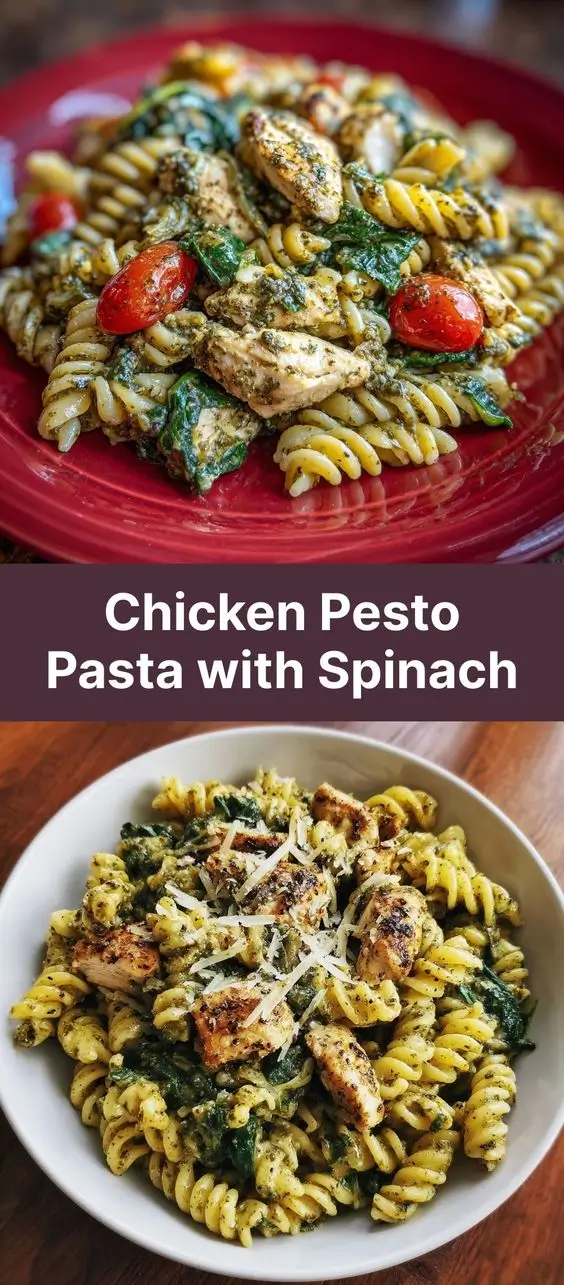
Chicken Pesto Pasta with Spinach
The History of Chicken Pesto Pasta with Spinach
The origins of Chicken Pesto Pasta with Spinach can be traced back to the fusion of Italian culinary traditions and modern American comfort food sensibilities. While pasta itself has deep roots in Italian cuisine—dating as far back as the Etruscans and Romans—the addition of chicken as a protein-rich centerpiece is a more recent development, popularized in the 20th century as global palates began embracing heartier, balanced meals. Pesto, on the other hand, hails from Genoa in the Liguria region of Italy. Traditional pesto alla genovese is made from fresh basil, pine nuts, garlic, Parmesan cheese, and olive oil, pounded together using a mortar and pestle. This fragrant sauce was originally served with trofie or trenette pasta, often accompanied by potatoes and green beans.
Spinach, a nutrient-dense leafy green, has been cultivated for centuries, with origins in ancient Persia before spreading to India, China, and eventually Europe. Its mild flavor and tender texture make it an excellent complement to rich sauces like pesto. The combination of chicken, pesto, and spinach in a single dish likely emerged in the late 20th century within health-conscious and family-oriented cooking circles, particularly in North America. As home cooks sought nutritious yet delicious weeknight dinners, this trio proved to be a winning formula—offering vibrant color, bold flavor, and balanced macronutrients. Today, Chicken Pesto Pasta with Spinach is a staple in many households and restaurants alike, symbolizing the perfect harmony between taste, nutrition, and ease of preparation.
Ingredients Breakdown
Understanding each ingredient in Chicken Pesto Pasta with Spinach not only enhances your appreciation of the dish but also allows for informed substitutions based on dietary needs or availability. Below is a detailed look at the components that make this meal so satisfying:
- Pasta (preferably whole wheat or gluten-free): Typically penne, fusilli, or fettuccine are used due to their ability to hold onto thick pesto sauce. Whole wheat adds fiber and a nuttier flavor, while gluten-free options make the dish accessible to those with sensitivities.
- Boneless, skinless chicken breasts or thighs: Lean and versatile, chicken provides high-quality protein. Thighs offer more moisture and flavor, while breasts are lower in fat and cook quickly when sliced thinly.
- Fresh baby spinach: Tender and mildly earthy, baby spinach wilts easily into the hot pasta without overpowering other flavors. It’s packed with iron, folate, and vitamins A and K.
- Homemade or store-bought basil pesto: The star of the dish, pesto brings a burst of herbal freshness. Key ingredients include basil, garlic, extra virgin olive oil, pine nuts (or substitutes), Parmesan cheese, and lemon juice for brightness.
- Extra virgin olive oil: Used for sautéing chicken and spinach, it adds richness and heart-healthy monounsaturated fats.
- Garlic: Minced fresh garlic enhances both the chicken and spinach components, adding depth and aroma.
- Lemon zest and juice: Brightens the entire dish, cutting through the richness of the pesto and cheese.
- Salt and freshly ground black pepper: Essential seasonings that elevate all other flavors.
- Grated Parmesan or Pecorino Romano cheese: Adds umami and saltiness; often stirred in or sprinkled on top before serving.
- Optional add-ins: Sun-dried tomatoes, roasted red peppers, artichoke hearts, cherry tomatoes, or mushrooms can enhance texture and flavor complexity.
- Pine nuts or walnuts: Often toasted and sprinkled on top for crunch and nuttiness. Walnuts are a budget-friendly alternative with similar earthy notes.
Step-by-Step Recipe
Follow these detailed steps to create a restaurant-quality Chicken Pesto Pasta with Spinach right in your kitchen:
- Cook the pasta: Bring a large pot of salted water to a boil (use about 1 tablespoon of salt per 4 quarts of water). Add your chosen pasta and cook according to package instructions until al dente—usually 9–12 minutes. Reserve ½ cup of pasta water before draining. Set aside.
- Prepare the chicken: While the pasta cooks, season the chicken breasts with salt, pepper, and a pinch of garlic powder. Heat 1–2 tablespoons of olive oil in a large skillet over medium-high heat. Add the chicken and cook for 5–7 minutes per side, depending on thickness, until golden brown and cooked through (internal temperature should reach 165°F / 74°C). Remove from the pan, let rest for 5 minutes, then slice into thin strips or bite-sized cubes.
- Sauté the garlic and spinach: In the same skillet, reduce heat to medium and add another drizzle of olive oil if needed. Add minced garlic and sauté for 30 seconds until fragrant—do not let it burn. Add the fresh spinach in batches, stirring frequently until wilted, about 2–3 minutes. Season lightly with salt and pepper.
- Combine everything: Return the sliced chicken to the skillet with the spinach. Add the drained pasta and pour in ⅓ to ½ cup of prepared pesto, starting with less and adjusting to taste. Toss well to coat all ingredients evenly. If the mixture seems dry, gradually add reserved pasta water, one tablespoon at a time, until the sauce reaches a creamy, cohesive consistency.
- Finish with enhancements: Stir in a squeeze of fresh lemon juice and a teaspoon of lemon zest. Sprinkle in grated Parmesan cheese and toss again. Taste and adjust seasoning as needed.
- Serve immediately: Divide among plates or bowls. Garnish with additional Parmesan, a drizzle of pesto, toasted pine nuts, cracked black pepper, and optional fresh basil leaves.
Tips for the Best Chicken Pesto Pasta with Spinach
- Cook pasta al dente: Overcooked pasta becomes mushy when mixed with pesto and warm ingredients. Always taste-test a minute or two before the package’s suggested time.
- Use high-quality pesto: Whether homemade or store-bought, opt for pesto with real ingredients—look for visible bits of basil, no artificial preservatives, and a vibrant green color.
- Don’t skip the pasta water: The starchy liquid helps emulsify the pesto, creating a silky sauce that clings to every noodle.
- Toasting nuts boosts flavor: Lightly toast pine nuts or walnuts in a dry skillet over low heat for 2–3 minutes until fragrant and golden. Cool before using.
- Marinate the chicken (optional): For extra flavor, marinate chicken in a mix of olive oil, lemon juice, garlic, and herbs for 30 minutes before cooking.
- Prevent pesto from oxidizing: To keep pesto bright green, cover the surface with a thin layer of olive oil or press plastic wrap directly onto it if storing.
- Balance richness: If the dish feels too heavy, increase the proportion of spinach or serve with a side salad dressed in vinaigrette.
- Make ahead wisely: Cook components separately and assemble just before serving to maintain optimal texture.
Variations and Customizations
This recipe is incredibly adaptable—perfect for accommodating different diets, preferences, or what you have on hand. Consider these creative twists:
- Vegetarian version: Omit the chicken and boost plant-based protein with white beans, chickpeas, or grilled tofu.
- Vegan adaptation: Use dairy-free pesto (without cheese or with nutritional yeast) and vegan Parmesan. Replace chicken with marinated tempeh or lentils.
- Gluten-free option: Choose certified gluten-free pasta made from rice, corn, quinoa, or legumes.
- Keto-friendly twist: Substitute traditional pasta with spiralized zucchini (zoodles), spaghetti squash, or shirataki noodles. Use a low-carb pesto and increase healthy fats with avocado slices or olives.
- Different greens: Swap spinach with arugula for peppery notes, kale (massaged first), Swiss chard, or even broccoli rabe.
- Seafood variation: Replace chicken with grilled shrimp, seared scallops, or flaked salmon for a luxurious take.
- Spicy kick: Add red pepper flakes, harissa paste, or a dash of sriracha to the pesto for heat.
- Herb variations: Blend pesto with mint, parsley, or cilantro instead of or alongside basil for unique flavor profiles.
- Nut-free pesto: Use sunflower seeds or pumpkin seeds instead of pine nuts or walnuts.
- Creamy version: Stir in a splash of heavy cream, half-and-half, or cashew cream for a richer, more decadent sauce.
Health Considerations and Nutritional Value
Chicken Pesto Pasta with Spinach is more than just flavorful—it’s a nutritionally balanced meal when prepared mindfully. Here’s a breakdown of its key health aspects:
Protein Powerhouse: Chicken breast offers approximately 26 grams of lean protein per 3-ounce serving, supporting muscle maintenance, satiety, and metabolic function.
Fiber and Micronutrients from Spinach: One cup of raw spinach contains just 7 calories but delivers over 100% of your daily vitamin K, 15% of vitamin A, and significant amounts of folate, magnesium, and iron. Its high antioxidant content supports eye health and reduces inflammation.
Heart-Healthy Fats: Extra virgin olive oil and nuts in pesto provide monounsaturated fats and omega-3 fatty acids (especially if walnuts are used), which are linked to improved cardiovascular health and reduced LDL cholesterol.
Carbohydrates: Depending on the pasta used, this dish can range from moderate to high in carbs. Whole grain or legume-based pastas offer more fiber (up to 8g per serving) and a lower glycemic index, promoting stable blood sugar levels.
Caloric Considerations: A typical serving (about 1.5 cups) ranges from 450–600 calories. To lighten it up, use less pesto, increase spinach volume, or reduce cheese and oil slightly.
Sodium Watch: Store-bought pesto and Parmesan can be high in sodium. Opt for low-sodium versions or make your own pesto to control salt content.
Allergen Notes: Contains common allergens such as tree nuts (pine nuts/walnuts), dairy (Parmesan), and wheat (in regular pasta). Always check labels if serving guests with allergies.
Balanced Meal Tip: Serve with a side of steamed vegetables or a mixed green salad to further boost fiber and micronutrient intake.
Ingredients
- 12 oz (340g) pasta (penne, fusilli, or fettuccine)
- 2 boneless, skinless chicken breasts (about 1 lb / 450g)
- 3 tbsp extra virgin olive oil, divided
- 3 cloves garlic, minced
- 5 oz (about 5 cups) fresh baby spinach
- ¾ cup basil pesto (homemade or high-quality store-bought)
- ½ cup grated Parmesan cheese, plus extra for garnish
- 1 lemon (zest and 1 tbsp juice)
- Salt and freshly ground black pepper, to taste
- ¼ cup toasted pine nuts or walnuts (optional)
- Red pepper flakes (optional, for heat)
Directions
- Bring a large pot of salted water to a rolling boil. Add pasta and cook until al dente. Reserve ½ cup of pasta water, then drain and set aside.
- Season chicken breasts with salt, pepper, and a pinch of garlic powder. Heat 2 tbsp olive oil in a large skillet over medium-high heat. Add chicken and cook for 6–7 minutes per side until internal temperature reaches 165°F. Transfer to a plate, rest for 5 minutes, then slice.
- In the same skillet, add 1 tbsp olive oil and sauté minced garlic for 30 seconds. Add spinach in batches, stirring until wilted, about 2–3 minutes. Season with salt and pepper.
- Return chicken to the skillet. Add cooked pasta, pesto, and half the Parmesan. Toss well, adding reserved pasta water gradually until sauce is creamy and coats the pasta.
- Stir in lemon zest, lemon juice, and remaining Parmesan. Adjust seasoning to taste.
- Divide into bowls. Top with extra pesto, grated Parmesan, toasted nuts, black pepper, and optional red pepper flakes.
- Serve immediately, ideally with crusty bread or a side salad.
FAQ
Can I make this recipe ahead of time?
Yes, but best results come from assembling just before serving. You can pre-cook the chicken and pasta, and wash the spinach. Reheat gently with a splash of water or broth to revive moisture.
How do I store leftovers?
Store in an airtight container in the refrigerator for up to 3 days. Reheat in a skillet over low heat with a bit of olive oil or water to loosen the sauce. Avoid microwaving at high power to prevent rubbery chicken.
Can I freeze Chicken Pesto Pasta with Spinach?
Freezing is not ideal due to the delicate nature of pesto (it may darken and separate) and spinach (can become soggy). However, you can freeze the cooked chicken and pesto separately for up to 3 months.
Why is my pesto turning brown?
Exposure to air causes oxidation. To prevent this, minimize air contact by pressing plastic wrap onto the surface or topping with a thin layer of oil. Lemon juice in the pesto also helps preserve color.
Is store-bought pesto healthy?
It varies widely. Check the label: the best options list basil, olive oil, nuts, cheese, and garlic as primary ingredients, with minimal additives and lower sodium. Organic and refrigerated varieties often have better quality.
Can I use frozen spinach?
Yes, but thaw completely and squeeze out excess moisture to avoid a watery dish. Use about 10 oz frozen spinach, thawed and drained, to replace 5 oz fresh.
What can I serve with this dish?
Pair with a crisp garden salad, garlic bread, roasted vegetables, or a glass of chilled Pinot Grigio or Sauvignon Blanc for a complete meal experience.
Summary
Chicken Pesto Pasta with Spinach is a vibrant, nutritious, and satisfying dish that combines tender chicken, al dente pasta, and fresh spinach in a rich, aromatic basil pesto sauce. Quick enough for weeknights yet elegant for entertaining, it’s a modern classic that celebrates flavor, balance, and wholesome ingredients.