Vegan Chickpea Buddha Bowl: A Nutrient-Packed Plant-Based Delight
Introduction
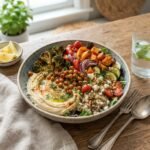
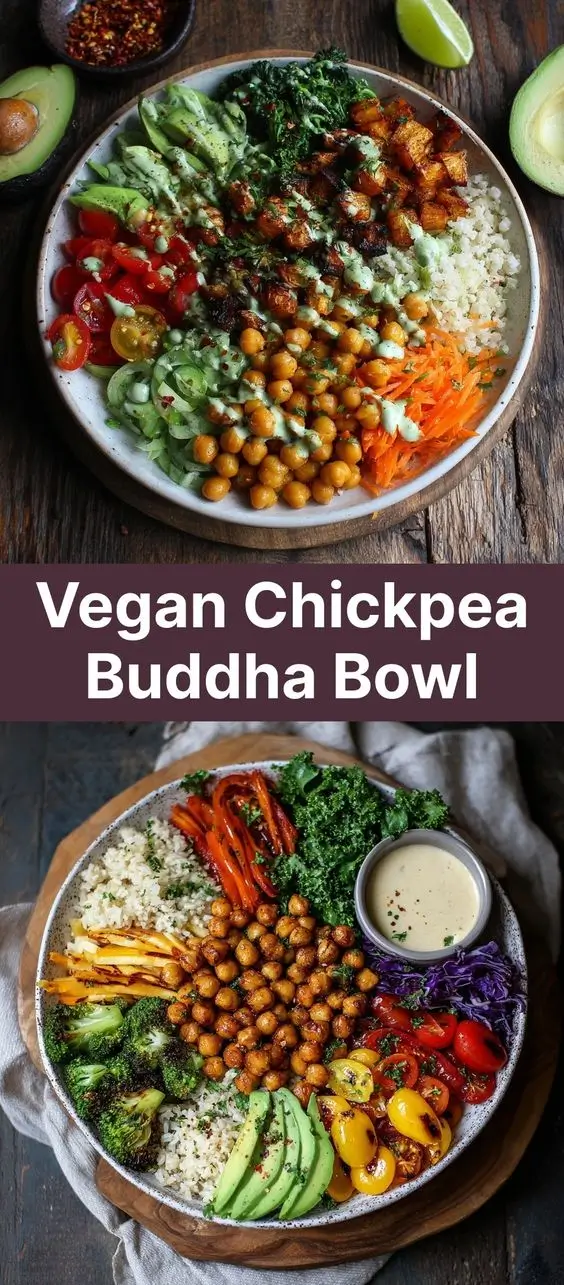
The Vegan Chickpea Buddha Bowl is more than just a meal—it’s a celebration of vibrant colors, bold flavors, and wholesome nutrition. Originating from the broader plant-based food movement, this bowl has gained immense popularity for its simplicity, versatility, and nourishing qualities. Perfect for lunch or dinner, it combines protein-rich chickpeas with a medley of fresh vegetables, whole grains, and a zesty homemade dressing to create a satisfying, balanced dish that supports energy, digestion, and overall well-being. Whether you’re a seasoned vegan or simply looking to incorporate more plant-based meals into your routine, this Buddha bowl is an excellent choice.
The History
The term “Buddha Bowl” is believed to have originated in the early 2000s within the health-conscious and wellness communities of the United States, particularly on the West Coast. While not directly tied to Buddhist cuisine, the name reflects the idea of abundance, balance, and mindfulness—qualities often associated with Buddhist philosophy. These bowls typically feature a harmonious mix of whole foods arranged in a round vessel, resembling the rounded belly of the laughing Buddha statue.
Buddha bowls evolved as a way to enjoy a complete, nutrient-dense meal using seasonal, plant-based ingredients. As plant-forward diets grew in popularity, so did variations of these bowls. The inclusion of chickpeas—a staple legume in Mediterranean, Middle Eastern, and Indian cuisines—added a hearty, protein-rich component that made the bowls even more satisfying. Today, the Vegan Chickpea Buddha Bowl stands as a modern embodiment of ancient culinary wisdom, combining global flavors with contemporary nutritional science.
Ingredients Breakdown
Every ingredient in this Vegan Chickpea Buddha Bowl is chosen for both flavor and function. Here’s a detailed look at what goes into the bowl and why:
- Chickpeas: Also known as garbanzo beans, these are rich in plant-based protein, fiber, iron, and complex carbohydrates. They provide sustained energy and help maintain satiety.
- Quinoa: A complete protein containing all nine essential amino acids, quinoa is also high in fiber, magnesium, and B vitamins. It serves as the perfect base for the bowl.
- Leafy Greens (kale or spinach): Packed with vitamins A, C, and K, as well as folate and antioxidants, leafy greens support immune function and detoxification.
- Avocado: Provides heart-healthy monounsaturated fats, potassium, and fiber. Its creamy texture balances the earthiness of other ingredients.
- Cherry Tomatoes: High in lycopene and vitamin C, they add sweetness and a burst of juicy freshness.
- Cucumber: Hydrating and crisp, cucumber contributes water content and digestive enzymes.
- Red Cabbage: Rich in anthocyanins (antioxidants), red cabbage adds color, crunch, and anti-inflammatory benefits.
- Carrots: A great source of beta-carotene, which converts to vitamin A in the body, supporting eye health and immunity.
- Red Onion: Contains quercetin, a flavonoid with anti-inflammatory and antimicrobial properties.
- Lemon Juice: Enhances flavor while aiding digestion and increasing iron absorption from plant foods.
- Tahini: Made from ground sesame seeds, tahini offers calcium, healthy fats, and a rich, nutty taste for the dressing.
- Maple Syrup or Agave: Natural sweeteners that balance acidity without refined sugars.
- Spices (cumin, paprika, garlic powder): Add depth, warmth, and antioxidant support.
Step-by-Step Recipe
Ingredients
- 1 can (15 oz) chickpeas, drained and rinsed (or 1.5 cups cooked)
- 1 cup uncooked quinoa (or 3 cups cooked)
- 2 cups water or vegetable broth (for cooking quinoa)
- 2 cups chopped kale or baby spinach
- 1 ripe avocado, sliced
- 1 cup cherry tomatoes, halved
- 1/2 cucumber, diced
- 1 cup shredded red cabbage
- 1 large carrot, julienned or grated
- 1/4 red onion, thinly sliced
- 2 tablespoons olive oil
- 1 teaspoon ground cumin
- 1/2 teaspoon smoked paprika
- 1/2 teaspoon garlic powder
- Salt and pepper to taste
- Optional toppings: pumpkin seeds, sunflower seeds, sprouts, microgreens, olives
For the Tahini Dressing
- 1/4 cup tahini
- 2 tablespoons lemon juice (about 1 lemon)
- 1 tablespoon maple syrup or agave nectar
- 1 clove garlic, minced
- 2–4 tablespoons water (to thin)
- Salt to taste
Directions
- Cook the Quinoa: Rinse quinoa under cold water to remove saponins (which can cause bitterness). In a saucepan, bring 2 cups of water or vegetable broth to a boil. Add quinoa, reduce heat to low, cover, and simmer for 15 minutes or until liquid is absorbed. Remove from heat, fluff with a fork, and let it sit covered for 5 minutes.
- Roast the Chickpeas: Preheat oven to 400°F (200°C). Pat chickpeas dry with a clean towel (removing skins helps them crisp up). Toss with olive oil, cumin, smoked paprika, garlic powder, salt, and pepper. Spread on a parchment-lined baking sheet in a single layer. Roast for 25–30 minutes, flipping halfway, until golden and crispy.
- Prepare the Vegetables: While quinoa and chickpeas cook, wash and chop all vegetables. Set aside in separate bowls or arrange on a platter for easy assembly.
- Make the Tahini Dressing: In a small bowl, whisk together tahini, lemon juice, maple syrup, minced garlic, and salt. Add water one tablespoon at a time until the dressing reaches a smooth, pourable consistency.
- Massage the Kale (if using): Place chopped kale in a bowl and drizzle with a bit of olive oil and lemon juice. Gently massage for 1–2 minutes until the leaves soften and turn deep green. This step reduces bitterness and improves texture.
- Assemble the Bowls: Start with a base of warm quinoa. Layer with kale or spinach, roasted chickpeas, avocado slices, cherry tomatoes, cucumber, red cabbage, carrots, and red onion. Drizzle generously with tahini dressing.
- Add Crunch (Optional): Top with toasted pumpkin seeds, sunflower seeds, or a sprinkle of hemp seeds for extra texture and nutrients.
- Serve Immediately: Enjoy your Buddha bowl fresh for the best flavor and texture. Store leftovers separately to maintain freshness.
Tips
- Meal Prep Friendly: Cook quinoa and roast chickpeas in advance. Store components separately in airtight containers for up to 4 days. Assemble bowls fresh when ready to eat.
- Boost Protein: Add edamame, tempeh, or tofu cubes for an extra protein punch.
- Crispy Chickpeas Tip: For maximum crunch, ensure chickpeas are very dry before roasting and don’t overcrowd the pan.
- Dressing Consistency: If tahini dressing thickens in the fridge, stir in a little warm water before serving.
- Flavor Variations: Swap tahini for almond butter or sunflower seed butter if you have allergies.
- Warm Components: Serve quinoa and chickpeas warm for a comforting contrast against cool vegetables.
- Use Seasonal Produce: Customize based on what’s in season—try roasted sweet potatoes in winter or fresh corn in summer.
Variations and Customizations
The beauty of the Vegan Chickpea Buddha Bowl lies in its adaptability. Here are some creative twists to keep your meals exciting:
- Mediterranean Style: Add kalamata olives, artichoke hearts, and a lemon-herb vinaigrette. Swap quinoa for bulgur.
- Mexican-Inspired: Use brown rice or cauliflower rice, black beans instead of chickpeas, corn, salsa, and a lime-cilantro dressing. Top with crushed tortilla chips.
- Asian Fusion: Replace tahini dressing with a ginger-sesame sauce. Add pickled radishes, edamame, and shredded nori. Use soba noodles or brown rice.
- Curried Chickpeas: Toss roasted chickpeas in curry powder and coconut milk before roasting for a fragrant twist.
- Grain-Free Option: Substitute quinoa with riced cauliflower, shredded Brussels sprouts, or mixed greens.
- Winter Version: Include roasted butternut squash, beets, and sautéed Swiss chard. Drizzle with pomegranate molasses.
- Raw Version: Skip cooking—use sprouted chickpeas, raw veggies, and a cashew-based dressing for a fully raw experience.
Health Considerations and Nutritional Value
This Vegan Chickpea Buddha Bowl is a powerhouse of essential nutrients, making it ideal for supporting long-term health. Here’s a breakdown of its key benefits:
- High in Fiber: With chickpeas, quinoa, and vegetables, this bowl delivers over 15 grams of fiber per serving, promoting gut health and regulating blood sugar levels.
- Plant-Based Protein: Approximately 20 grams of protein per bowl from chickpeas, quinoa, and seeds—enough to support muscle repair and satiety.
- Heart-Healthy Fats: Avocado and tahini contribute monounsaturated and polyunsaturated fats, which help reduce bad cholesterol (LDL) and support cardiovascular health.
- Rich in Antioxidants: Colorful vegetables like red cabbage, tomatoes, and carrots contain phytonutrients that combat oxidative stress and inflammation.
- Gluten-Free and Dairy-Free: Naturally suitable for those with gluten intolerance or dairy sensitivities (ensure all ingredients are certified gluten-free if needed).
- Low Glycemic Index: The combination of fiber, protein, and healthy fats ensures slow digestion and steady energy release, making it diabetes-friendly.
- Nutrient Density: Packed with vitamins (A, C, E, K, B6), minerals (iron, magnesium, potassium, calcium), and essential fatty acids, this bowl supports immune function, bone health, and hormonal balance.
Note: Individuals with thyroid concerns should moderate raw cruciferous vegetables (like cabbage and kale) due to goitrogens. Lightly steaming or massaging these greens reduces their impact.
Frequently Asked Questions (FAQ)
Can I make this bowl ahead of time?
Yes! You can prep all components (quinoa, roasted chickpeas, chopped veggies, dressing) up to 4 days in advance. Store them separately and assemble just before eating to prevent sogginess.
Is this recipe kid-friendly?
Absolutely. Many children enjoy the colorful presentation and crunchy textures. Let kids build their own bowls to encourage engagement and healthy eating habits.
How can I make it oil-free?
Omit olive oil when roasting chickpeas—use vegetable broth or aquafaba (chickpea brine) instead. For the dressing, increase water or use citrus juice as the base.
Can I freeze this dish?
We don’t recommend freezing assembled bowls. However, cooked quinoa and roasted chickpeas can be frozen for up to 3 months. Thaw and re-crisp in the oven before use.
Are canned chickpeas healthy?
Yes, canned chickpeas are nutritious and convenient. Just be sure to rinse them thoroughly to reduce sodium content by up to 40%.
What can I substitute for tahini?
You can use natural almond butter, cashew butter, or sunflower seed butter. For a nut-free option, try soy nut butter or omit entirely and use a lemony vinaigrette.
Can I use frozen vegetables?
Fresh vegetables work best for texture and crunch. However, you can use thawed and drained frozen peas, corn, or spinach if needed.
Is this bowl suitable for weight loss?
Yes, when portion-controlled. The high fiber and protein content promote fullness, reducing overall calorie intake. Focus on generous vegetables and moderate higher-calorie items like avocado and seeds.
Summary
The Vegan Chickpea Buddha Bowl is a vibrant, nutrient-dense meal that combines plant-powered protein, whole grains, and colorful vegetables with a creamy tahini dressing for a delicious and satisfying experience.
Easy to customize, meal-prep friendly, and rich in health-promoting compounds, this bowl is a cornerstone of a balanced, compassionate, and sustainable diet.