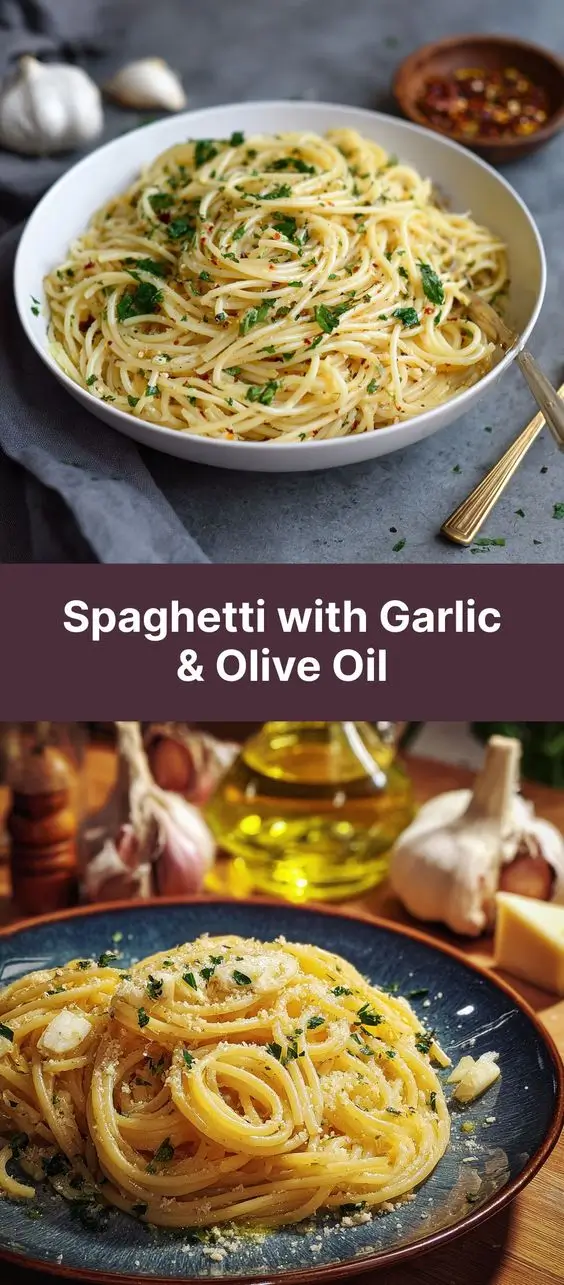
Spaghetti with Garlic & Olive Oil: A Timeless Italian Classic
The History
Spaghetti with Garlic & Olive Oil, known in Italy as Spaghetti Aglio e Olio, is a quintessential dish that hails from the southern region of Campania, particularly Naples. With roots stretching back centuries, this humble yet flavorful recipe embodies the essence of Italian cucina povera—“poor kitchen”—a culinary tradition that transforms simple, affordable ingredients into deeply satisfying meals. Historically, Neapolitan fishermen and laborers relied on pantry staples like dried pasta, garlic, olive oil, and chili flakes to prepare quick, nourishing meals after long days at sea or in the fields.
The dish gained widespread popularity beyond Naples during the 20th century, especially after World War II, when food scarcity made resourceful cooking essential across Italy. Over time, Aglio e Olio evolved from a regional specialty into a national treasure and eventually an international favorite. Today, it’s celebrated not only for its simplicity but also for its bold flavors and versatility. Chefs and home cooks alike appreciate how this minimalist recipe allows high-quality ingredients to shine, making it a staple in both rustic trattorias and upscale Italian restaurants around the world.
Ingredients Breakdown
The beauty of Spaghetti with Garlic & Olive Oil lies in its minimalism. Every ingredient serves a purpose, contributing texture, aroma, or depth to the final dish. Here’s a detailed look at each component:
- Spaghetti: The classic choice due to its ability to hold onto the silky oil-based sauce. While any long pasta can work (like linguine or bucatini), spaghetti remains traditional.
- Extra Virgin Olive Oil: The soul of the dish. High-quality extra virgin olive oil provides fruitiness, richness, and a smooth mouthfeel. Its low smoke point means it should be heated gently to preserve flavor.
- Garlic: Fresh garlic cloves are thinly sliced or finely minced to infuse the oil with their pungent, aromatic essence. When cooked slowly, garlic turns sweet and mellow, avoiding bitterness.
- Red Pepper Flakes (Peperoncino): Adds a subtle heat that balances the richness of the oil. The amount can be adjusted based on preference, from a gentle warmth to a fiery kick.
- Fresh Parsley: Flat-leaf parsley adds a bright, herbaceous note that cuts through the oil’s richness. It’s typically chopped finely and added at the end for freshness.
- Pasta Water: Often overlooked but crucial. The starchy, salty water helps emulsify the sauce, binding the oil and creating a creamy texture without dairy.
- Salt: Used to season the pasta water, enhancing the overall flavor profile. Sea salt or kosher salt is preferred for even distribution.
- Parmesan Cheese (Optional): Though not traditional in authentic Neapolitan versions, many modern variations include grated Parmigiano-Reggiano or Pecorino Romano for added umami and creaminess.
Step-by-Step Recipe
- Boil the Pasta: Fill a large pot with cold water and bring it to a rolling boil. Add a generous amount of salt—about 1–2 tablespoons per quart of water. Add 12 ounces (340g) of spaghetti and cook according to package instructions until al dente, usually 8–10 minutes. Reserve 1 cup of pasta water before draining.
- Prepare the Aromatics: While the pasta cooks, peel and thinly slice 4–6 garlic cloves (depending on size and preference). Chop a small handful (about ¼ cup) of fresh flat-leaf parsley. Have ½ teaspoon of red pepper flakes ready.
- Infuse the Oil: In a large skillet or sauté pan, heat ½ cup (120ml) of extra virgin olive oil over medium-low heat. Add the sliced garlic and cook slowly, stirring frequently, until golden but not browned—about 3–5 minutes. Burnt garlic turns bitter, so monitor carefully.
- Add Heat: Stir in the red pepper flakes and let them sizzle for about 30 seconds to release their aroma. Remove from heat if the garlic is done but pasta isn’t ready yet; you can reheat later.
- Combine Pasta and Sauce: Once the spaghetti is drained, immediately add it to the skillet with the garlic-infused oil. Toss well to coat every strand. Begin adding reserved pasta water, one tablespoon at a time, tossing continuously until the sauce becomes glossy and clings to the pasta. You may need ¼ to ½ cup depending on starch content.
- Finish with Freshness: Remove from heat and stir in the chopped parsley. Taste and adjust seasoning with additional salt if needed.
- Serve Immediately: Plate the spaghetti while hot. Optionally, top with freshly grated Parmesan cheese, though purists may skip this for authenticity.
Tips
- Use High-Quality Olive Oil: Since this dish relies heavily on olive oil, choose a premium extra virgin variety with a fruity, peppery finish. Avoid using refined or “light” olive oils.
- Don’t Burn the Garlic: Keep the heat low when sautéing garlic. Golden is good; brown is bitter. If garlic starts browning too fast, remove the pan from heat temporarily.
- Cook Garlic Slices Evenly: Slice garlic uniformly so all pieces cook at the same rate. For more intense flavor, mince it finely; for subtlety, leave in thin slices.
- Reserve Plenty of Pasta Water: Starchy water is key to emulsification. Don’t skimp—reserve at least 1 cup, even if you don’t use it all.
- Toss Vigorously: Use tongs or two forks to toss the pasta energetically. This helps create a creamy, cohesive sauce without adding butter or cream.
- Cook Pasta Al Dente: Overcooked pasta falls apart when tossed with oil. Aim for firmness to ensure it holds up during mixing.
- Time It Right: Coordinate your timing so the garlic oil is ready just as the pasta finishes cooking. Delayed assembly can result in cooled oil that doesn’t adhere well.
- Warm the Serving Plates: For restaurant-quality presentation, warm your plates in the oven or with hot water before plating to keep the dish warm longer.
Variations and Customizations
While traditional Spaghetti Aglio e Olio remains beloved in its pure form, countless creative adaptations have emerged over time. These variations allow for personalization while maintaining the spirit of the original:
- Lemon Zest & Juice: Brighten the dish with freshly grated lemon zest and a squeeze of juice added at the end. The acidity cuts the oil beautifully.
- Toasted Breadcrumbs: Replace cheese with crispy pangrattato (toasted breadcrumbs) for a vegan-friendly crunch. Sauté stale breadcrumbs in olive oil with garlic until golden.
- Seafood Addition: Turn it into Spaghetti ai Frutti di Mare by adding sautéed shrimp, clams, mussels, or calamari. Cook seafood separately and fold in at the end.
- Roasted Cherry Tomatoes: Roast halved cherry tomatoes with olive oil and thyme, then mix into the finished pasta for sweetness and color.
- Spinach or Greens: Stir in baby spinach, arugula, or sautéed kale just before serving for added nutrition and texture.
- Capers & Anchovies: Introduce a briny, savory dimension with rinsed capers and mashed anchovy fillets melted into the oil—a nod to Puttanesca flavors.
- Different Pasta Shapes: Try bucatini (hollow strands that trap sauce), linguine, or even short pasta like penne for variety.
- Herb Swaps: Substitute parsley with basil, chives, or oregano for different aromatic profiles.
- Creamy Version: For a richer twist, whisk in a small amount of heavy cream or plant-based alternative along with the pasta water.
- Vegan Cheese Option: Use nutritional yeast or vegan Parmesan to mimic cheesy umami without animal products.
Health Considerations and Nutritional Value
Spaghetti with Garlic & Olive Oil is surprisingly balanced when prepared mindfully. Here’s a breakdown of its health aspects and approximate nutritional value per serving (based on 1/4 of the recipe using whole wheat spaghetti and moderate oil):
- Calories: ~450–550 kcal (varies with oil quantity)
- Carbohydrates: 70–80g (mostly complex carbs from pasta)
- Fat: 20–30g (primarily heart-healthy monounsaturated fats from olive oil)
- Protein: 10–12g (more with additions like seafood or cheese)
- Fiber: 5–7g (higher with whole grain pasta)
- Sodium: Moderate; control by reducing added salt and choosing low-sodium options where possible.
Health Benefits:
- Heart Health: Extra virgin olive oil is rich in antioxidants and anti-inflammatory compounds linked to reduced risk of cardiovascular disease.
- Blood Sugar Control: When made with whole grain pasta, the dish has a lower glycemic index, helping maintain steady blood sugar levels.
- Antimicrobial Properties: Garlic contains allicin, which has natural antibacterial and antiviral effects.
- Digestive Support: Olive oil may aid digestion and promote gut health when consumed in moderation.
Considerations:
- High Fat Content: While healthy, olive oil is calorie-dense. Stick to recommended portions (about 1–2 tbsp per serving) unless dietary needs require otherwise.
- Gluten Sensitivity: Traditional spaghetti contains gluten. Use gluten-free pasta for those with celiac disease or intolerance.
- Aphrodisiac Myth: Garlic is often called an aphrodisiac, though scientific evidence is limited. Still, its reputation adds charm!
- Low Protein: As served, the dish is low in protein. Pair with a side salad, grilled chicken, fish, or legumes for a complete meal.
Ingredients
- 12 oz (340g) dried spaghetti (preferably bronze-cut for better sauce adherence)
- ½ cup (120ml) extra virgin olive oil (high quality)
- 4–6 large garlic cloves, thinly sliced or finely minced
- ½ tsp red pepper flakes (adjust to taste)
- ¼ cup fresh flat-leaf parsley, finely chopped
- Salt, to taste (plus extra for pasta water)
- 1 cup reserved pasta cooking water
- Optional: Grated Parmigiano-Reggiano or Pecorino Romano (¼ cup)
Directions
- Bring a large pot of water to a boil. Add salt generously (about 1–2 tbsp), then add spaghetti. Cook until al dente, following package directions. Before draining, reserve 1 cup of starchy pasta water.
- While pasta cooks, heat olive oil in a large skillet over medium-low heat. Add sliced garlic and cook slowly, stirring often, until fragrant and lightly golden (do not brown).
- Add red pepper flakes and stir for 30 seconds to bloom their flavor. Remove from heat if necessary to prevent burning while waiting for pasta.
- Toss thoroughly to coat all strands. Gradually add reserved pasta water, one ladle at a time, tossing constantly until the sauce becomes smooth and emulsified.
- Remove from heat. Stir in chopped parsley. Season with salt to taste.
- Serve immediately in warmed bowls. Top with optional grated cheese if desired.
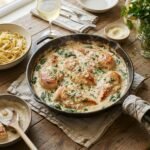
<4>Drain pasta and immediately transfer to the skillet with garlic oil.
FAQ
Is Spaghetti Aglio e Olio traditionally served with cheese?
No, authentic Neapolitan versions do not include cheese. However, many outside Italy enjoy it with Parmesan or Pecorino for added depth.
Can I make this ahead of time?
Best served fresh, but components can be prepped in advance. Cook pasta just before serving, and infuse oil shortly before combining.
Why does my sauce feel greasy?
Too much oil or insufficient starchy water can prevent emulsification. Always use reserved pasta water and toss vigorously to bind the sauce properly.
Can I use garlic powder instead of fresh garlic?
Not recommended. Fresh garlic provides superior flavor and texture. Garlic powder lacks the aromatic complexity needed for this dish.
Is this dish vegan?
Yes, if you omit cheese. Use nutritional yeast for a cheesy flavor without animal products.
What wine pairs well with Aglio e Olio?
A crisp white wine like Pinot Grigio, Vermentino, or Falanghina complements the garlic and oil without overpowering it.
How do I store leftovers?
Store in an airtight container in the refrigerator for up to 2 days. Reheat gently in a pan with a splash of water or broth to loosen the sauce.
Can I freeze Spaghetti Aglio e Olio?
Freezing is not ideal due to texture changes in pasta and separation of oil. Best enjoyed fresh.
Summary
Spaghetti with Garlic & Olive Oil is a masterclass in simplicity—elevating few ingredients into a rich, aromatic, and deeply satisfying meal rooted in Italian tradition.
With its balance of bold garlic, spicy heat, herbal freshness, and luxurious olive oil, this timeless dish proves that extraordinary flavor doesn’t require complexity.