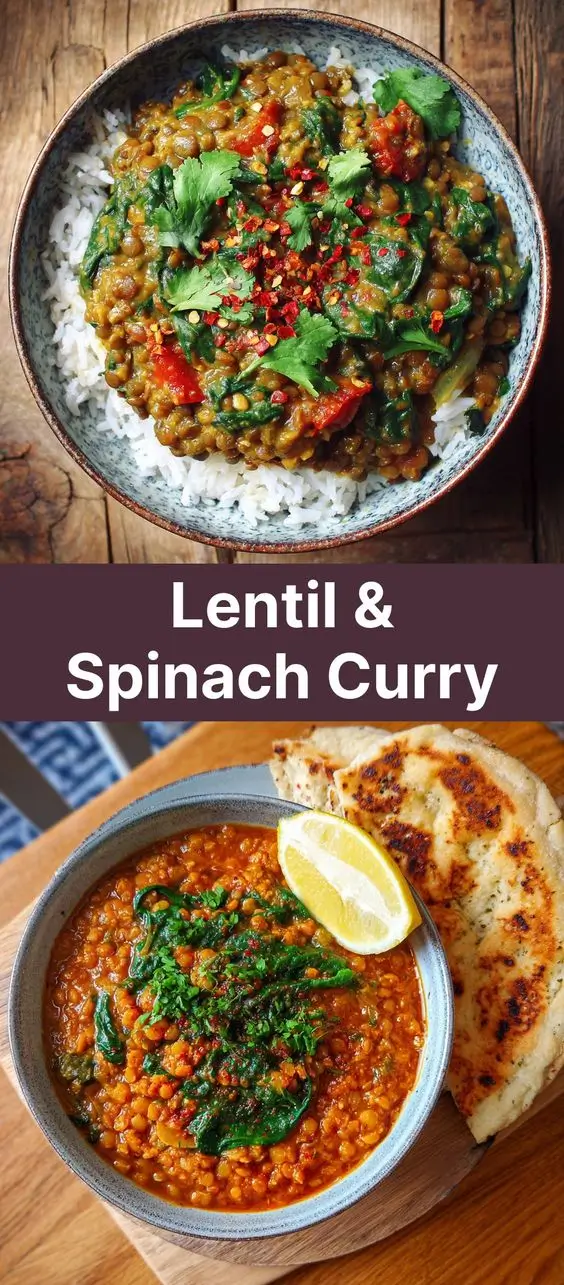
Lentil & Spinach Curry: A Hearty, Nutrient-Rich Delight from the Heart of Indian Cuisine
The History of Lentil & Spinach Curry
Lentil and spinach curry, often known in South Asia as Palak Dal or Palak Masoor, is a beloved dish that traces its roots back centuries through the rich culinary traditions of India. This nourishing combination of lentils (dal) and leafy greens (palak) has long been a staple in vegetarian households across regions like Punjab, Uttar Pradesh, and Gujarat. Historically, lentils have played a vital role in Indian diets due to their affordability, high protein content, and ease of storage—making them an ideal source of sustenance for millions.
The integration of spinach into dal reflects both seasonal availability and Ayurvedic principles, where green leafy vegetables are considered sattvic—promoting purity, balance, and health. Over time, regional variations evolved based on local spices, cooking techniques, and cultural preferences. In some areas, tamarind or jaggery is added for tanginess or sweetness; in others, coconut milk gives it a creamy twist. The dish also gained popularity globally as part of the broader appreciation for Indian vegetarian cuisine, especially among those seeking plant-based meals rich in iron, fiber, and complex carbohydrates.
Today, lentil and spinach curry stands not only as a comfort food but also as a symbol of sustainable eating—a fusion of ancient wisdom and modern nutritional science. Its global appeal continues to grow with the rise of veganism, clean eating movements, and interest in anti-inflammatory, gut-friendly foods.
Ingredients Breakdown: What Makes This Curry So Special?
The magic of lentil and spinach curry lies in its humble yet powerful ingredients, each contributing unique flavors, textures, and health benefits. Let’s explore them one by one:
- Red Lentils (Masoor Dal): These are hulled and split lentils that cook quickly without soaking. They turn soft and creamy when simmered, providing a velvety base for the curry. High in plant-based protein and folate, they support heart health and energy metabolism.
- Fresh Spinach (Palak): Packed with iron, vitamin K, antioxidants like lutein, and dietary nitrates, spinach adds vibrant color and earthy flavor. It wilts down significantly, blending seamlessly into the dal while boosting its nutrient density.
- Onions, Garlic & Ginger: The holy trinity of Indian cooking. Onions add natural sweetness when sautéed, garlic brings pungency and immune-boosting compounds, and ginger offers warmth and aids digestion.
- Tomatoes: Fresh or canned tomatoes lend acidity and body to the sauce, balancing the richness of the lentils. Rich in lycopene, they enhance antioxidant activity in the dish.
- Spices: Turmeric (anti-inflammatory), cumin seeds (digestive aid), coriander powder (earthy depth), garam masala (warm aromatic blend), red chili powder (heat), and mustard seeds (nutty pop) work together to create layers of flavor.
- Ghee or Coconut Oil: Used for tempering spices (tadka), ghee enriches the aroma and helps absorb fat-soluble vitamins. For a vegan version, coconut oil works beautifully and imparts a subtle tropical note.
- Green Chilies & Fresh Cilantro: Add freshness, brightness, and mild heat. Cilantro also contributes detoxifying properties and a citrusy finish.
- Vegetable Broth or Water: Forms the liquid base. Using broth deepens the savory profile, while water keeps it simple and light.
- Lemon Juice (optional): A splash at the end enhances flavor and increases iron absorption from the spinach due to vitamin C.
Step-by-Step Recipe: How to Make Perfect Lentil & Spinach Curry at Home
Follow this detailed guide to prepare a fragrant, creamy, and deeply satisfying lentil and spinach curry right in your kitchen. Serves 4–6.
Ingredients
- 1 cup red lentils (masoor dal), rinsed and drained
- 4 cups fresh spinach leaves, washed and roughly chopped (about 10 oz)
- 1 large onion, finely diced
- 3 cloves garlic, minced
- 1-inch piece ginger, grated
- 1 medium tomato, chopped (or ½ cup canned diced tomatoes)
- 2 tablespoons ghee or coconut oil
- 1 teaspoon cumin seeds
- ½ teaspoon mustard seeds (optional)
- 1 dried red chili (optional)
- 1 teaspoon ground coriander
- ½ teaspoon turmeric powder
- ¼–½ teaspoon red chili powder (adjust to taste)
- 1 teaspoon garam masala
- 4 cups vegetable broth or water
- Salt to taste
- 1–2 green chilies, slit (optional)
- Juice of ½ lemon (optional)
- Fresh cilantro, chopped (for garnish)
Directions
- Rinse the Lentils: Place red lentils in a fine-mesh strainer and rinse under cold water until the water runs clear. This removes excess starch and prevents foaming during cooking.
- Cook the Lentils: In a large pot, combine rinsed lentils with 4 cups of vegetable broth or water. Bring to a boil over medium-high heat, then reduce to a simmer. Skim off any foam that forms on top. Cook uncovered for 15–20 minutes, stirring occasionally, until lentils are soft and mushy. Add more water if needed to maintain a soupy consistency.
- Prepare the Aromatics: While the lentils cook, heat ghee or coconut oil in a separate skillet over medium heat. Add cumin seeds and mustard seeds. Once they begin to sizzle and pop (about 30 seconds), add the diced onion. Sauté for 6–8 minutes until golden brown.
- Add Ginger-Garlic Paste: Stir in minced garlic and grated ginger. Cook for another 1–2 minutes until fragrant but not burnt.
- Incorporate Tomatoes and Spices: Add chopped tomatoes, ground coriander, turmeric, red chili powder, and salt. Cook for 5–7 minutes, mashing the tomatoes slightly, until the mixture thickens and the oil begins to separate from the masala.
- Blend in Spinach: Add the chopped spinach in batches, stirring continuously. Cook until fully wilted and integrated into the masala—about 4–5 minutes. You can puree this mixture for a smoother curry, or leave it slightly chunky for texture.
- Combine with Lentils: Once lentils are cooked, pour the spinach-masala mixture into the pot. Stir well to combine. Simmer together for 8–10 minutes on low heat to allow flavors to meld.
- Finish with Garam Masala: Sprinkle in garam masala and add slit green chilies if using. Stir once more and let it rest off the heat for 5 minutes.
- Tadka (Optional Tempering): For extra aroma, heat 1 tablespoon ghee in a small pan. Add ½ teaspoon cumin seeds and a dried red chili. Let them crackle, then pour this hot oil over the finished curry. This step elevates the fragrance dramatically.
- Final Touches: Squeeze in lemon juice just before serving to brighten the flavors. Garnish generously with fresh chopped cilantro.
Tips for the Best Lentil & Spinach Curry
- Don’t Skip the Tadka: The final tempering of spices in hot oil unlocks essential oils and intensifies the overall flavor profile. Even a quick 30-second tadka makes a noticeable difference.
- Use Fresh Ingredients: Fresh garlic, ginger, and spinach make a world of difference compared to powdered or frozen substitutes. If you must use frozen spinach, thaw and squeeze out excess moisture first.
- Control the Consistency: If the curry is too thick, add warm water or broth gradually. If too thin, simmer uncovered for a few more minutes to reduce.
- Balancing Flavors: Taste and adjust seasoning before serving. Need more tang? Add lemon juice. Too spicy? Stir in a spoonful of plain yogurt or coconut milk. Bland? Boost with a pinch more salt or spices.
- Soak for Creamier Texture (Optional): Though not necessary for red lentils, soaking them for 20–30 minutes can help achieve an even creamier texture and shorten cooking time slightly.
- Low and Slow Wins: Avoid boiling vigorously after adding the spinach mixture. Gentle simmering preserves color and prevents separation.
- Rest Before Serving: Allowing the curry to sit for 10–15 minutes after cooking lets the flavors deepen further—like many stews, it tastes better the second time around!
Variations and Customizations
This recipe is incredibly versatile. Here are some delicious ways to customize your lentil and spinach curry:
- Vegan Creamy Version: Stir in ¼–½ cup full-fat coconut milk at the end for a luxurious, dairy-free creaminess. Especially popular in coastal Indian and Sri Lankan versions.
- Protein Boost: Add cooked chickpeas, tofu cubes, or paneer (Indian cottage cheese) for extra protein and texture contrast.
- Different Lentils: Try yellow moong dal for a milder taste, or brown lentils (urad dal) for a heartier bite. Note: Cooking times may vary.
- Other Greens: Substitute or mix in kale, Swiss chard, collard greens, or methi (fenugreek leaves). Just be aware that tougher greens need longer cooking.
- Spice Level Adjustments: For a mild curry, omit green and red chilies. For fiery heat, add a pinch of cayenne or extra green chilies.
- Gluten-Free & Allergy-Friendly: Naturally gluten-free! Ensure all broths and spices are certified GF if needed. Use coconut oil instead of ghee for a vegan option.
- Aromatic Twists: Infuse the oil with cinnamon stick, cardamom pods, or bay leaf during tempering for a royal touch.
- Instant Pot/Pressure Cooker Method: Rinse lentils, add all ingredients except cilantro, lemon juice, and tadka to the pot. Cook on high pressure for 6 minutes, natural release for 10 minutes. Finish with sautéed spinach and final touches.
- Freezer-Friendly: Cool completely and freeze in airtight containers for up to 3 months. Thaw overnight in the fridge and reheat gently on the stove.
- Meal Prep Powerhouse: Prepare a big batch on Sunday and portion it out for weekday lunches. Pairs perfectly with quinoa, brown rice, or naan bread.
Health Considerations and Nutritional Value
Lentil and spinach curry isn’t just delicious—it’s a nutritional powerhouse packed with disease-fighting compounds and essential nutrients.
Nutritional Highlights (Per Serving, Approximate)
| Nutrient | Amount |
|---|---|
| Calories | ~220 kcal |
| Protein | 12g |
| Dietary Fiber | 10g |
| Total Fat | 6g (mostly healthy fats) |
| Carbohydrates | 30g |
| Iron | 25% of RDI |
| Folate (B9) | 80% of RDI |
| Vitamin A | 60% of RDI |
| Vitamin K | Over 100% of RDI |
| Vitamin C | 30% of RDI |
Key Health Benefits
- Heart Health: High in soluble fiber, which helps lower LDL (“bad”) cholesterol. Potassium content supports healthy blood pressure.
- Diabetes Management: Low glycemic index and high fiber slow glucose absorption, making it suitable for diabetics.
- Iron Absorption: Spinach provides non-heme iron. Pairing it with vitamin C-rich lemon juice boosts absorption—crucial for vegetarians and those with anemia.
- Pregnancy Support: Folate is critical for fetal neural tube development. One serving delivers nearly a full day’s requirement.
- Bone Strength: Vitamin K from spinach plays a key role in bone mineralization and calcium regulation.
- Anti-Inflammatory Properties: Turmeric contains curcumin, a potent anti-inflammatory compound. Black pepper (if added) enhances its bioavailability.
- Digestive Wellness: Fiber promotes regular bowel movements and feeds beneficial gut bacteria.
- Weight Management: High volume, low calorie, and filling—ideal for satiety without excess calories.
Dietary Notes
- Gluten-Free: Naturally free from gluten. Always verify spice blends if cross-contamination is a concern.
- Vegan/Vegetarian: Easily made vegan by using oil instead of ghee.
- Allergen Information: Typically nut-free, soy-free, and dairy-free (unless optional dairy is added).
- Oxalate Content: Spinach is moderately high in oxalates, which may contribute to kidney stones in sensitive individuals. Those prone to calcium-oxalate stones might limit intake or pair with calcium-rich foods to reduce absorption.
Frequently Asked Questions (FAQ)
Can I use frozen spinach?
Yes, absolutely! Frozen spinach works well. Thaw it completely and squeeze out all excess water before adding to prevent diluting the curry.
Do I need to soak red lentils?
No, red lentils do not require soaking. They cook quickly and break down easily. However, rinsing is important to remove debris and reduce bloating-causing compounds.
Why did my lentils turn mushy or grainy?
Mushiness is normal for red lentils—they’re meant to dissolve. Graininess may occur if undercooked or if hard water was used. Ensure you simmer long enough and stir frequently.
Can I make this in a slow cooker?
Yes! Combine all ingredients (except fresh cilantro and lemon juice) in the slow cooker. Cook on low for 6–7 hours or high for 3–4 hours. Stir and finish with garnishes before serving.
How long does it keep in the fridge?
Store in an airtight container in the refrigerator for up to 5 days. Reheat gently on the stove with a splash of water to restore consistency.
Is this curry good for babies?
Yes, it’s excellent for baby-led weaning (typically after 6 months). Blend until smooth, omit chilies and strong spices, and ensure no allergens are present. Always consult your pediatrician first.
What should I serve with lentil and spinach curry?
It pairs wonderfully with basmati rice, jeera rice, quinoa, chapati, roti, naan, or even crusty whole-grain bread. A side of cucumber raita or mango chutney complements the spices beautifully.
Can I double the recipe?
Absolutely! This dish scales well for meal prepping or feeding a crowd. Just use a larger pot and monitor liquid levels during cooking.
Why is my curry bitter?
Bitterness can come from overcooked spices, burnt garlic/ginger, or old lentils. Make sure to sauté spices briefly and keep heat controlled. Also, check expiration dates on your lentils and spices.
Can I add dairy?
Yes—many traditional recipes finish with a swirl of heavy cream or yogurt for richness. Use plant-based alternatives like cashew cream or coconut yogurt for a vegan option.
Summary
Lentil and spinach curry is a nourishing, flavorful dish that combines protein-rich red lentils with iron-packed spinach in a spiced tomato-onion gravy, creating a wholesome meal perfect for vegetarians, vegans, and health-conscious eaters alike.
Easy to customize, packed with nutrients, and steeped in culinary tradition, this comforting curry delivers bold taste and lasting satisfaction in every spoonful.