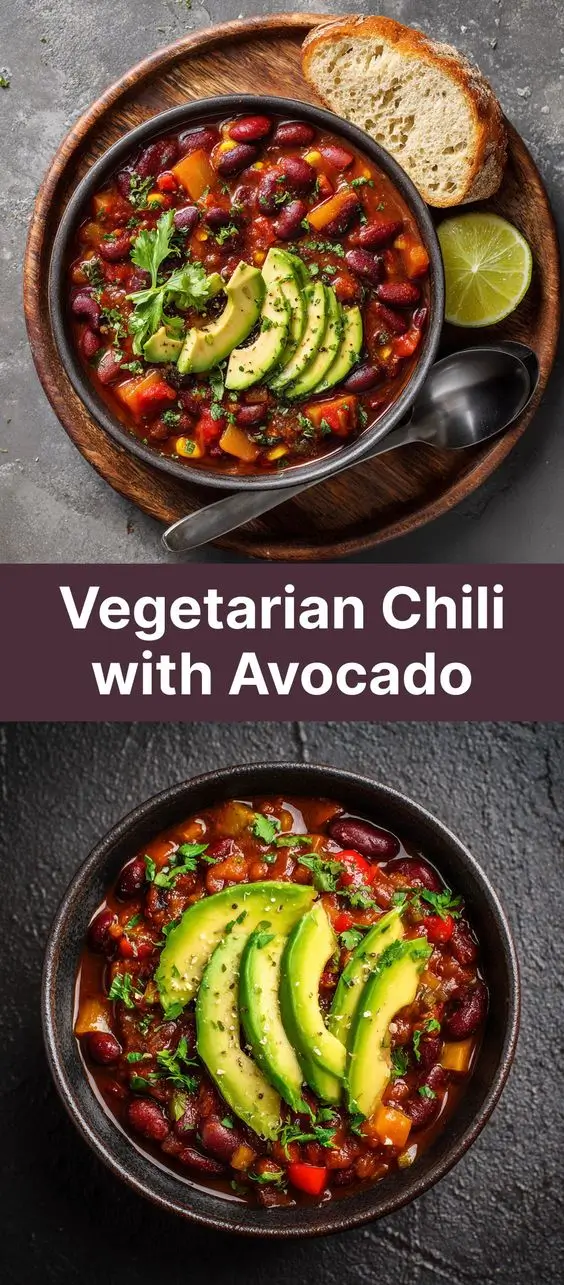
Vegetarian Chili with Avocado: A Hearty, Healthy, and Flavor-Packed Dish
The History of Vegetarian Chili
Chili, or chili con carne, has deep roots in Tex-Mex cuisine, originating in the southern United States and northern Mexico during the 19th century. While traditional chili typically includes beef or other meats, the vegetarian version emerged as a popular alternative in the mid-20th century, especially among health-conscious individuals, vegetarians, and those seeking more plant-based meals. The rise of vegetarianism and veganism in the 1960s and 70s further fueled the evolution of meatless chili recipes.
Vegetarian chili gained widespread acclaim when it was served at the first Earth Day celebration in 1970, symbolizing a shift toward sustainable and compassionate eating. Over time, chefs and home cooks began experimenting with beans, lentils, mushrooms, and textured vegetable protein to replicate the heartiness of meat-based chili. Today, vegetarian chili stands proudly on its own—not just as a substitute, but as a celebrated dish in global comfort food culture.
The addition of avocado to vegetarian chili is a modern twist that brings creaminess, healthy fats, and a refreshing contrast to the bold spices. Originating from Central and South America, avocados have long been staples in Latin American cuisine. Their inclusion in chili not only enhances flavor and texture but also boosts nutritional value, making this dish a complete, balanced meal.
Ingredients Breakdown
Creating the perfect vegetarian chili with avocado starts with selecting high-quality, fresh ingredients. Each component plays a vital role in building layers of flavor, texture, and nutrition.
- Beans: A combination of kidney beans, black beans, and pinto beans provides a rich, varied texture and a powerhouse of plant-based protein and fiber. Canned beans are convenient, but rinsing them thoroughly removes excess sodium and improves digestibility.
- Tomatoes: Diced tomatoes (preferably fire-roasted) add acidity and sweetness, forming the base of the chili’s sauce. Tomato paste intensifies the umami depth and thickens the mixture.
- Vegetables: Onions, garlic, bell peppers, and celery create the aromatic foundation. Some variations include carrots, zucchini, or corn for added sweetness and crunch.
- Spices: Chili powder, cumin, smoked paprika, oregano, and cayenne pepper are essential for that signature warmth and smokiness. Freshly ground black pepper and sea salt enhance overall flavor.
- Liquid Base: Vegetable broth adds richness without overpowering the other ingredients. Low-sodium versions allow better control over salt content.
- Grains (Optional): Cooked quinoa, brown rice, or bulgur wheat can be stirred in to make the chili even more filling and nutritious.
- Avocado: Ripe Hass avocados are ideal—creamy, buttery, and rich in monounsaturated fats, potassium, and fiber. They’re added at the end to preserve their delicate texture.
- Finishing Touches: Fresh lime juice brightens the dish, while chopped cilantro adds herbal freshness. A dollop of Greek yogurt or dairy-free sour cream rounds out the flavors.
Step-by-Step Recipe
Follow these detailed steps to prepare a delicious, restaurant-quality vegetarian chili with avocado right in your kitchen.
- Sauté the Aromatics: In a large pot or Dutch oven over medium heat, warm 2 tablespoons of olive oil. Add 1 diced onion and cook for 4–5 minutes until translucent. Stir in 4 minced garlic cloves and cook for another 30 seconds until fragrant.
- Add Vegetables: Toss in 1 diced red bell pepper, 1 diced green bell pepper, and 2 diced celery stalks. Cook for 6–8 minutes, stirring occasionally, until softened and slightly caramelized.
- Bloom the Spices: Add 2 tablespoons chili powder, 1 tablespoon ground cumin, 1 teaspoon smoked paprika, ½ teaspoon dried oregano, and a pinch of cayenne pepper. Stir constantly for 1 minute to release the essential oils and deepen the flavors.
- Incorporate Tomatoes: Pour in one 28-ounce can of diced tomatoes (with juices) and 2 tablespoons of tomato paste. Stir well to combine, scraping the bottom of the pot to prevent sticking.
- Add Beans and Broth: Drain and rinse three 15-ounce cans of beans (kidney, black, and pinto). Add them to the pot along with 3 cups of low-sodium vegetable broth. Stir to combine.
- Simmer: Bring the mixture to a gentle boil, then reduce the heat to low. Cover and simmer for 30–45 minutes, stirring occasionally. The longer it simmers, the richer the flavor becomes. For deeper taste, let it cook up to 1 hour on very low heat.
- Season: Taste and adjust seasoning with salt and freshly ground black pepper. Add a splash of apple cider vinegar or lime juice if the chili tastes flat.
- Prepare the Avocado: Just before serving, cut 2 ripe avocados in half, remove the pits, and scoop the flesh into chunks. Gently fold into the chili or serve on top as a garnish.
- Garnish and Serve: Ladle the hot chili into bowls. Top each serving with avocado pieces, chopped fresh cilantro, a squeeze of lime juice, and optional toppings like sour cream, shredded cheese, or tortilla chips.
Tips for the Perfect Vegetarian Chili
- Layer Flavors: Don’t rush the sautéing process. Cooking onions, garlic, and peppers slowly builds a complex flavor base.
- Toast Your Spices: Blooming spices in oil unlocks their full aroma. Be careful not to burn them—keep the heat moderate.
- Use Fire-Roasted Tomatoes: These add a subtle smoky depth that regular diced tomatoes can’t match.
- Add Umami Boosters: For a meaty depth without meat, consider adding a splash of soy sauce, Worcestershire (vegan version), miso paste, or a few rehydrated dried mushrooms.
- Balance Acidity: If the chili tastes too acidic, stir in a small amount of maple syrup, brown sugar, or grated carrot to balance the pH.
- Cool Before Reheating: Chili tastes even better the next day. Let it cool completely and refrigerate overnight. Reheat gently on the stove.
- Freeze for Later: This chili freezes exceptionally well. Store in airtight containers for up to 3 months. Thaw in the fridge overnight before reheating.
- Prevent Avocado Browning: To keep avocado from oxidizing, toss the chunks with a little lime or lemon juice before adding to the chili.
Variations and Customizations
One of the best things about vegetarian chili is its versatility. Here are some creative ways to customize it to your taste or dietary needs:
- Protein-Powered Version: Add cooked lentils, crumbled tempeh, tofu, or plant-based ground “meat” for extra protein.
- Smoky Chipotle Chili: Include 1–2 canned chipotle peppers in adobo sauce for a spicy, smoky kick.
- White Bean Chili: Swap dark beans for cannellini or Great Northern beans, use green chiles, and season with cumin and coriander for a lighter twist.
- Southwest Style: Mix in sweet corn, poblano peppers, and a touch of cumin for a vibrant, summery flavor profile.
- Gluten-Free: Naturally gluten-free, this recipe is safe for those with celiac disease or gluten sensitivity—just ensure your broth and seasonings are certified GF.
- Vegan Option: Skip dairy-based toppings. Use coconut yogurt or cashew cream instead of sour cream.
- Kid-Friendly: Reduce or omit spicy ingredients. Add a bit of honey or maple syrup to mellow the heat.
- Instant Pot/Pressure Cooker: Sauté ingredients using the sauté function, then pressure cook on high for 10 minutes. Natural release for 10 minutes before opening.
- Slow Cooker Method: Combine all ingredients (except avocado and fresh garnishes) in a slow cooker and cook on low for 6–8 hours or high for 3–4 hours.
Health Considerations and Nutritional Value
Vegetarian chili with avocado is not only delicious—it’s a nutritionally dense meal that supports overall health.
Nutrient Highlights:
- Fiber: Beans and vegetables provide abundant dietary fiber, promoting digestive health, regulating blood sugar, and supporting satiety.
- Plant-Based Protein: With around 15–20 grams of protein per serving, this chili helps meet daily protein needs without animal products.
- Healthy Fats: Avocado contributes heart-healthy monounsaturated fats, which help lower bad cholesterol and improve nutrient absorption.
- Vitamins and Minerals: Rich in vitamin C (from peppers and tomatoes), potassium (avocado and beans), folate (beans), and iron (lentils and legumes).
- Antioxidants: Spices like cumin and chili powder contain antioxidants that fight inflammation and support immune function.
Dietary Benefits:
- Supports weight management due to high fiber and protein content.
- Promotes heart health by reducing saturated fat intake and increasing good fats.
- Aids in blood sugar control when made with minimal added sugars.
- Encourages gut health through prebiotic fibers found in beans and vegetables.
Considerations:
- Some people may experience gas or bloating from beans. Soaking dried beans before cooking or using digestive aids like kombu seaweed can help.
- Monitor sodium levels by choosing low-sodium broth and rinsing canned beans thoroughly.
- Those on blood thinners should consume avocado in moderation due to its vitamin K content, which affects clotting.
Full Ingredients List
- 2 tbsp olive oil
- 1 large yellow onion, diced
- 4 cloves garlic, minced
- 1 red bell pepper, diced
- 1 green bell pepper, diced
- 2 celery stalks, diced
- 2 tbsp chili powder
- 1 tbsp ground cumin
- 1 tsp smoked paprika
- ½ tsp dried oregano
- ¼ tsp cayenne pepper (optional)
- 1 (28 oz) can diced tomatoes (fire-roasted preferred)
- 2 tbsp tomato paste
- 1 (15 oz) can kidney beans, drained and rinsed
- 1 (15 oz) can black beans, drained and rinsed
- 1 (15 oz) can pinto beans, drained and rinsed
- 3 cups low-sodium vegetable broth
- Salt and freshly ground black pepper, to taste
- 2 ripe Hass avocados, diced
- Juice of 1 lime
- Fresh cilantro, chopped (for garnish)
- Optional toppings: sour cream, shredded cheese, tortilla chips, jalapeños, green onions
Directions
- Heat olive oil in a large heavy-bottomed pot over medium heat.
- Add onion and sauté for 4–5 minutes until soft and translucent.
- Stir in garlic and cook for 30 seconds until fragrant.
- Add bell peppers and celery; cook for 6–8 minutes, stirring occasionally, until tender.
- Stir in chili powder, cumin, smoked paprika, oregano, and cayenne. Cook for 1 minute, stirring constantly.
- Add diced tomatoes and tomato paste. Stir well and cook for 2 minutes.
- Pour in vegetable broth and add all the beans. Stir to combine.
- Bring to a boil, then reduce heat to low. Simmer uncovered for 30–45 minutes (or up to 1 hour for deeper flavor), stirring occasionally.
- Season with salt, pepper, and lime juice to taste.
- Just before serving, gently stir in diced avocado or place it on top of each bowl.
- Garnish with fresh cilantro, additional lime wedges, and desired toppings.
- Serve hot with cornbread, rice, or a simple green salad.
FAQ
Can I make vegetarian chili without beans?
Yes, though beans are a primary source of protein and texture. You can substitute with lentils, chickpeas, mushrooms, or tofu for a similar hearty quality.
How long does vegetarian chili last in the fridge?
Properly stored in an airtight container, it lasts 5–7 days in the refrigerator.
Can I freeze this chili?
Absolutely. Freeze in portion-sized containers for up to 3 months. Note: avocado should be added fresh when serving.
Is this recipe gluten-free?
Yes, as long as all ingredients (especially broth and spices) are certified gluten-free.
Why is my chili too watery?
Simmer uncovered to reduce liquid. Alternatively, mash a small portion of the beans and stir back in to thicken the stew.
Can I use dried beans instead of canned?
Yes. Use ¾ cup dried beans per can, soak overnight, then cook until tender before adding to the chili.
What can I do if my chili is too spicy?
Add more tomatoes, a spoonful of sugar, or dairy/non-dairy cream to neutralize the heat.
Is avocado necessary?
Not mandatory, but highly recommended. It adds creaminess, healthy fats, and balances the spice beautifully.
Can I make this in a slow cooker?
Yes. Sauté vegetables first, then transfer to a slow cooker with remaining ingredients (except avocado). Cook on low for 6–8 hours.
How can I boost the protein content?
Add lentils, quinoa, tempeh, or a plant-based ground meat alternative.
Summary
Vegetarian chili with avocado is a nourishing, flavorful, and adaptable dish that brings together the boldness of Tex-Mex spices with the creaminess of fresh avocado. Packed with fiber, protein, and healthy fats, it’s a satisfying meal that supports wellness and delights the palate.