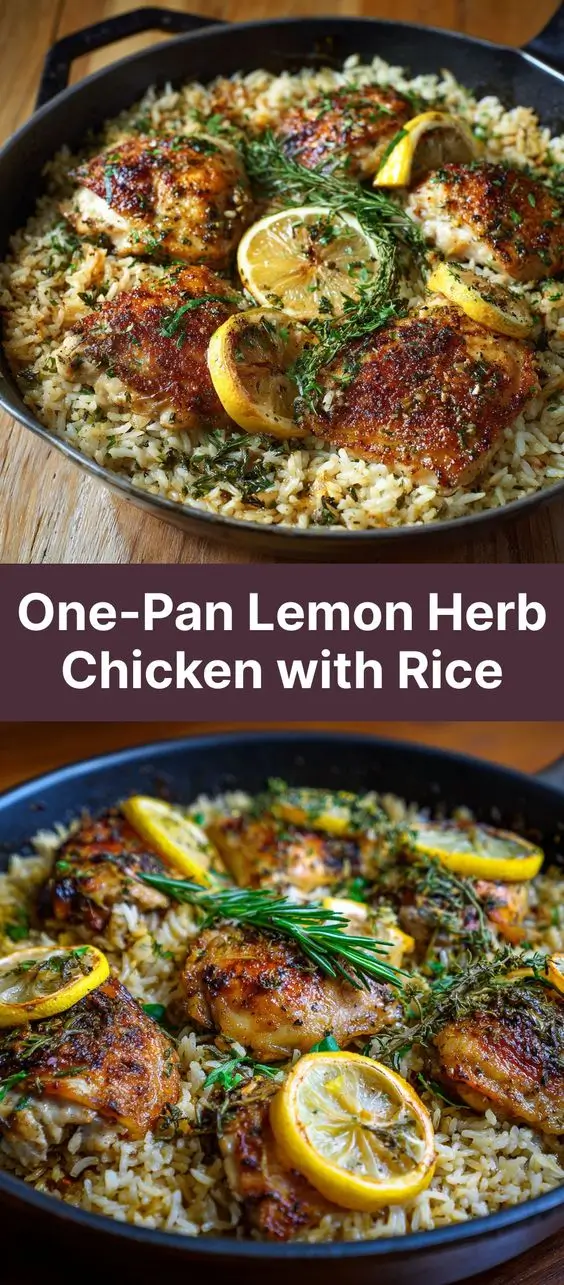
One-Pan Lemon Herb Chicken with Rice
If you’re searching for a comforting, flavorful, and easy-to-make weeknight dinner, look no further than One-Pan Lemon Herb Chicken with Rice. This dish combines tender chicken breasts, aromatic herbs, zesty lemon, and perfectly cooked rice—all in a single pan for minimal cleanup and maximum flavor. With its bright Mediterranean-inspired profile, this recipe brings restaurant-quality taste straight to your kitchen table without requiring advanced culinary skills or endless prep work. Whether you’re cooking for one or feeding a family, this dish scales beautifully and offers plenty of room for creativity through variations and customizations.
The History
The concept of cooking meat and grains together in one vessel dates back centuries across many cultures. In Mediterranean cuisine—particularly in Greek, Italian, and Middle Eastern traditions—combinations of poultry, citrus, olive oil, and long-grain rice have long been staples due to their availability, affordability, and harmonious flavors. Dishes like Greek avgolemono, Spanish paella, and Turkish pilav all reflect the tradition of building complex tastes from simple ingredients using slow-cooked techniques.
One-Pan Lemon Herb Chicken with Rice is a modern adaptation of these time-honored methods, streamlined for today’s fast-paced lifestyle. It emerged prominently in American home cooking during the 2010s as part of the “sheet pan dinner” and “one-pan meal” trend, popularized by food blogs, Pinterest, and healthy eating movements. The idea was to reduce cleanup while maximizing flavor and nutrition—a perfect balance that appeals to busy families, meal preppers, and health-conscious eaters alike. By combining the brightness of lemon, the earthiness of herbs, and the satisfying texture of rice, this dish pays homage to global culinary roots while fitting seamlessly into contemporary kitchens.
Ingredients Breakdown
The beauty of this recipe lies in its simplicity and accessibility. Every ingredient serves a purpose—either enhancing flavor, improving texture, or contributing to nutritional value. Here’s a detailed breakdown:
- Chicken breasts (boneless, skin-on or skinless): The star protein. Skin-on chicken adds extra richness and helps keep the meat juicy during cooking, but skinless works well too if you prefer a leaner option.
- Olive oil: Used for searing and adding richness. Extra virgin olive oil contributes a fruity depth that complements the lemon.
- Garlic (freshly minced): Adds pungent aroma and savory backbone. Fresh is always better than powdered for optimal flavor release.
- Long-grain white rice (such as basmati or jasmine): Absorbs broth and juices while staying fluffy and separate. Avoid instant rice, which can become mushy.
- Chicken broth (low-sodium preferred): Provides moisture and seasoning. Low-sodium versions allow better control over salt levels.
- Lemons: Both zest and juice are used. Zest contains essential oils bursting with citrus fragrance; juice adds acidity that cuts through fat and brightens the entire dish.
- Fresh herbs (thyme, rosemary, parsley): Thyme and rosemary infuse the chicken and rice with woodsy, floral notes during cooking. Parsley is added at the end for freshness and color contrast.
- Onion (yellow or white, diced): Offers sweetness and body when sautéed, forming the flavor base of the dish.
- Dry white wine (optional): Enhances complexity and deglazes the pan. Use something drinkable like Sauvignon Blanc or Pinot Grigio.
- Salt and black pepper: Essential seasonings. Season in layers—for best results, season both the chicken and the rice mixture.
- Butter (unsalted, optional): Stirred in at the end for added silkiness and richness.
- Green peas or vegetables (optional): For color, texture, and added nutrition. Frozen peas work great and don’t require pre-cooking.
Step-by-Step Recipe
- Preheat oven and prep ingredients: Preheat your oven to 375°F (190°C). Pat the chicken breasts dry with paper towels—this ensures a good sear. Season both sides generously with salt and pepper.
- Sear the chicken: Heat 2 tablespoons of olive oil in a large, oven-safe skillet (like cast iron or stainless steel) over medium-high heat. Once hot, add the chicken breasts and cook for about 5–6 minutes per side, until golden brown. Remove the chicken and set aside on a plate.
- Sauté aromatics: In the same skillet, reduce the heat to medium. Add the diced onion and cook for 3–4 minutes until softened and translucent. Stir in the minced garlic and cook for another 30 seconds until fragrant.
- Add rice and toast: Stir in 1 cup of long-grain white rice and cook for 1–2 minutes, stirring constantly, to lightly toast the grains. This step enhances nuttiness and prevents mushiness.
- Optional deglaze: Pour in ¼ cup of dry white wine, scraping up any browned bits from the bottom of the pan. Let it simmer for 1–2 minutes until mostly evaporated.
- Add liquids and seasonings: Stir in 2 cups of low-sodium chicken broth, the juice of one lemon (about ⅓ cup), and the zest of half a lemon. Add 1 teaspoon dried thyme (or 3–4 sprigs fresh), and ½ teaspoon dried rosemary (or 1 fresh sprig). Season with additional salt and pepper to taste.
- Nestle in the chicken: Return the seared chicken breasts to the skillet, placing them on top of the rice mixture. Spoon some of the liquid over the chicken to ensure even cooking.
- Bake covered: Cover the skillet tightly with aluminum foil or a lid. Transfer to the preheated oven and bake for 25 minutes.
- Uncover and finish baking: Remove the foil, increase the oven temperature to 400°F (200°C), and return the skillet to the oven uncovered for an additional 10–15 minutes. This allows the top of the rice to crisp slightly and the chicken to finish cooking through. The internal temperature of the chicken should reach 165°F (74°C).
- Rest and garnish: Remove from the oven and let rest for 5–10 minutes. Discard herb sprigs if used. Dot the top with a tablespoon of butter (optional) and sprinkle with chopped fresh parsley and remaining lemon zest. Gently fluff the rice with a fork, being careful not to break apart the chicken.
- Serve: Serve warm directly from the pan for a rustic presentation, or portion onto plates with a side salad or steamed vegetables.
Tips
- Use an oven-safe pan: Make sure your skillet can go from stovetop to oven safely. Cast iron, enameled cast iron, or stainless steel skillets are ideal.
- Don’t skip the sear: Searing locks in juices and builds fond (those browned bits), which adds immense flavor to the rice as it cooks.
- Toothpick test: To check doneness without cutting into the chicken, insert a toothpick into the thickest part—if it comes out hot and the juices run clear, it’s done.
- Let it rest: Allowing the dish to sit after baking lets the rice absorb any remaining liquid and makes for fluffier results.
- Fluff gently: Use a fork to fluff the rice carefully so you don’t shred the chicken.
- Watch the rice type: Different rices absorb liquid differently. Basmati and jasmine typically use a 1:2 rice-to-liquid ratio. Adjust accordingly if substituting brown rice (which requires more liquid and longer cooking time).
- Cover securely: If using foil, make sure it’s tightly sealed to prevent steam from escaping, which could result in undercooked rice.
- Check oven rack position: Place the oven rack in the center to ensure even cooking and avoid burning the top.
Variations and Customizations
This recipe is highly adaptable—perfect for experimenting based on dietary needs, preferences, or what’s in your pantry. Here are some delicious twists:
- Chicken thighs instead of breasts: Dark meat stays juicier and more forgiving during cooking. Use bone-in, skin-on thighs for extra flavor, adjusting cook time to 35–40 minutes covered.
- Vegetarian version: Omit the chicken and use vegetable broth. Add chickpeas, mushrooms, artichoke hearts, or roasted cauliflower for protein and heartiness.
- Gluten-free: Naturally gluten-free as written—just confirm your broth is certified GF.
- Dairy-free: Skip the butter or replace with olive oil or vegan butter alternative.
- Herb swaps: Try oregano, marjoram, tarragon, or herbes de Provence for different flavor profiles.
- Spicy kick: Add red pepper flakes, sliced chili peppers, or a dash of cayenne to the rice mixture.
- Lemon twist: Add a few thin lemon slices on top before baking—they’ll caramelize slightly and add visual appeal and subtle bitterness.
- Grain alternatives: Substitute quinoa, farro, or couscous (adjusting liquid and cook times accordingly).
- Add-ins: Stir in frozen peas, diced bell peppers, sun-dried tomatoes, capers, or kalamata olives during the last 10 minutes of baking.
- Creamy version: Stir in a splash of heavy cream or coconut milk at the end for a richer texture.
- Meal prep friendly: Double the batch and store portions in airtight containers for up to 4 days. Reheat gently in the microwave with a splash of water to refresh the rice.
- Cookware flexibility: While best made in an oven-safe skillet, you can also transfer everything to a casserole dish after sautéing if needed.
Health Considerations and Nutritional Value
One-Pan Lemon Herb Chicken with Rice isn’t just delicious—it can be a balanced, nutritious meal when prepared thoughtfully. Here’s a general nutritional overview per serving (assuming 4 servings, using skinless chicken breast and no added butter):
- Calories: ~380–420 kcal
- Protein: ~35g – Excellent source of lean protein for muscle repair and satiety.
- Carbohydrates: ~40g – Primarily from rice; choose brown rice for added fiber (~5g per serving vs. ~1g in white rice).
- Fat: ~10–12g – Mostly healthy monounsaturated fats from olive oil.
- Fiber: ~2–3g (can increase to ~6g with whole grains and vegetables).
- Sodium: ~600–800mg (lower if using low-sodium broth and controlling added salt).
- Vitamins & Minerals: Rich in B vitamins (especially niacin and B6 from chicken), vitamin C (from lemon), potassium, and antioxidants from herbs and garlic.
Health Tips:
- For lower-carb diets, substitute cauliflower rice (add after baking to avoid mushiness).
- Boost fiber and micronutrients by mixing in spinach, kale, or broccoli florets.
- Limit added salt if managing hypertension; enhance flavor with extra herbs, lemon, and garlic instead.
- Using skin-on chicken increases saturated fat content—opt for skinless if reducing fat intake.
- Lemon juice aids iron absorption from plant-based foods, making this dish especially beneficial when paired with leafy greens.
Ingredients
- 4 boneless, skinless (or skin-on) chicken breasts (about 6 oz each)
- 2 tbsp olive oil (plus more if needed)
- 1 tsp salt (divided, plus more to taste)
- ½ tsp black pepper (divided)
- 1 medium yellow onion, finely diced
- 3 cloves garlic, minced
- 1 cup long-grain white rice (basmati or jasmine)
- 2 cups low-sodium chicken broth
- Juice of 1 lemon (about ⅓ cup)
- Zest of 1 lemon, divided
- 1 tsp dried thyme (or 3–4 fresh sprigs)
- ½ tsp dried rosemary (or 1 fresh sprig)
- ¼ cup dry white wine (optional)
- 1 tbsp unsalted butter (optional)
- ¼ cup chopped fresh parsley (for garnish)
- Optional add-ins: ½ cup frozen peas, sliced almonds, lemon slices, capers
Directions
- Preheat oven to 375°F (190°C). Pat chicken dry and season with ½ tsp salt and ¼ tsp pepper.
- Heat olive oil in a large oven-safe skillet over medium-high heat. Sear chicken for 5–6 minutes per side until golden. Transfer to a plate.
- Reduce heat to medium. Add onion and cook for 3–4 minutes until soft. Add garlic and cook 30 seconds.
- Stir in rice and toast for 1–2 minutes. Optional: Deglaze with white wine, simmering 1–2 minutes.
- Pour in chicken broth, lemon juice, half the lemon zest, thyme, rosemary, remaining salt and pepper. Stir to combine.
- Nestle chicken breasts back into the skillet, submerging halfway in the liquid.
- Cover tightly with foil or a lid. Bake for 25 minutes.
- Remove foil, increase oven temperature to 400°F (200°C), and bake uncovered for 10–15 minutes until chicken reaches 165°F internally.
- Remove from oven, discard herb sprigs, and let rest 5–10 minutes. Stir in butter (if using), then fluff rice gently.
- Garnish with fresh parsley, remaining lemon zest, and optional additions like peas or almonds.
- Serve warm and enjoy!
FAQ
Can I use frozen chicken?
It’s best to thaw chicken before cooking for even results. Cooking frozen chicken may lead to undercooked rice or overcooked outer layers.
Can I make this ahead of time?
Yes! You can prep ingredients (chop veggies, measure spices) up to a day ahead. Fully assembled dishes shouldn’t sit raw for more than 24 hours in the fridge.
Why is my rice mushy?
Too much liquid, wrong rice type, or overcooking. Stick to a 1:2 rice-to-broth ratio and avoid stirring during baking.
Why is my rice crunchy?
Not enough liquid or insufficient cooking time. Ensure tight covering and verify your oven temperature is accurate.
Can I cook this entirely on the stove?
Yes. After adding liquids and returning chicken, cover and simmer on low heat for 25–30 minutes, checking occasionally to avoid sticking.
How do I store leftovers?
Cool completely and store in an airtight container in the refrigerator for up to 4 days. Reheat in the microwave with a splash of water.
Can I freeze this dish?
Yes, though rice may become slightly softer upon thawing. Freeze in individual portions for up to 3 months. Thaw overnight in the fridge before reheating.
Is this recipe dairy-free?
Yes, as long as you omit the butter or use a dairy-free alternative.
Can I use brown rice?
Yes, but increase broth to 2½–3 cups and extend covered baking time to 40–45 minutes. Check for tenderness before uncovering.
What sides pair well with this dish?
A simple arugula salad with lemon vinaigrette, roasted asparagus, grilled zucchini, or crusty bread all complement the bright, herby flavors.
Summary
One-Pan Lemon Herb Chicken with Rice is a foolproof, flavorful, and wholesome dish that brings bold Mediterranean flavors to your dinner table with minimal effort and cleanup. Packed with tender chicken, fluffy lemon-kissed rice, and aromatic herbs, it’s a versatile recipe that satisfies picky eaters and gourmet lovers alike.