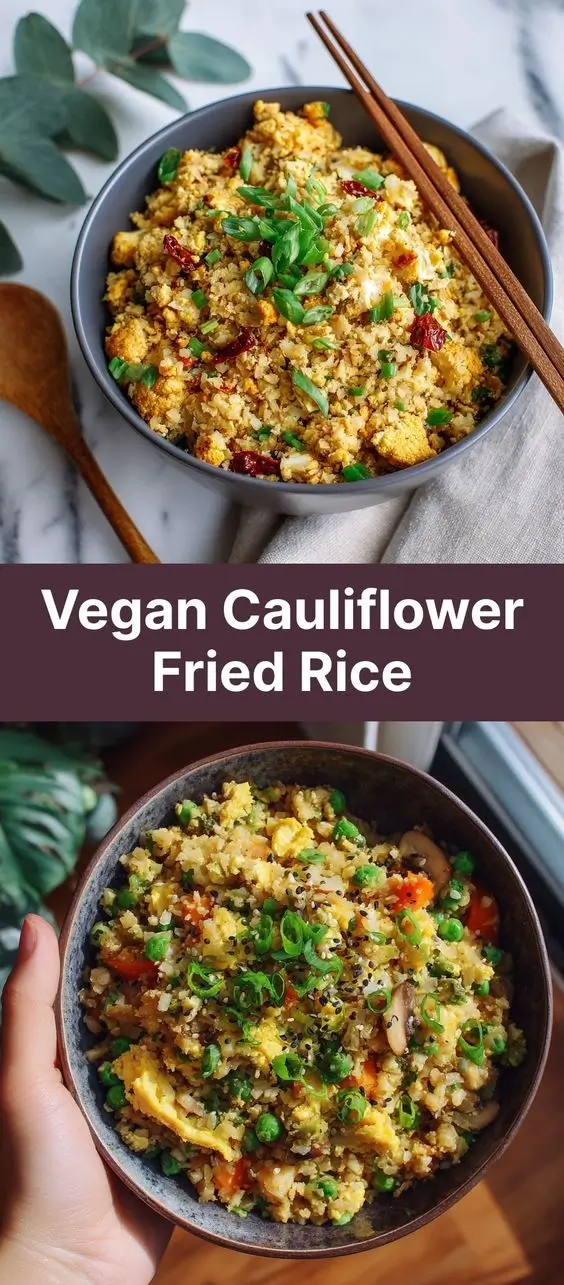
Vegan Cauliflower Fried Rice: A Healthy, Flavorful Plant-Based Delight
The History of Vegan Cauliflower Fried Rice
Cauliflower fried rice is a modern twist on the beloved classic Chinese takeout dish—fried rice. Traditional fried rice has its roots in Southern China, where leftover rice was repurposed the next day with vegetables, eggs, and meats to create a quick, satisfying meal. Over time, as stir-fry techniques spread globally, regional variations emerged across Asia and beyond.
The concept of using cauliflower as a grain substitute gained momentum in the early 2010s amid the rise of low-carb, gluten-free, and plant-based diets. Health-conscious food bloggers and chefs began experimenting with riced cauliflower, discovering that when finely chopped or processed, it closely mimics the texture of cooked rice. This innovation opened doors for healthier versions of traditionally carb-heavy dishes.
Vegan cauliflower fried rice evolved as a compassionate, nutrient-dense alternative to conventional fried rice. By eliminating animal products like eggs and meat while incorporating plant-based proteins such as tofu or edamame, this version caters to vegans, vegetarians, and those reducing their meat consumption. Today, it’s a staple in health-focused kitchens and restaurants worldwide, appreciated not only for its taste but also for its adaptability and wellness benefits.
Ingredients Breakdown: What Makes This Dish Shine
The magic of vegan cauliflower fried rice lies in its balance of fresh, vibrant ingredients and bold seasonings. Each component plays a vital role in building layers of flavor, texture, and nutrition:
- Cauliflower (riced): The star ingredient. When raw or lightly sautéed, riced cauliflower provides a light, fluffy base with a mild flavor that absorbs sauces beautifully. Opt for fresh florets pulsed in a food processor or pre-riced frozen cauliflower for convenience.
- Vegetable oil (or sesame oil): Used for stir-frying, oil helps prevent sticking and enhances browning. Toasted sesame oil adds a rich, nutty aroma, especially when drizzled at the end.
- Tofu (extra firm): A plant-based protein powerhouse. Pressed and cubed tofu soaks up marinades and develops a crispy exterior when pan-seared, mimicking the chewiness of meat.
- Vegetables: Carrots, bell peppers, peas, broccoli, mushrooms, and green onions add color, crunch, and essential nutrients. They contribute fiber, vitamins A and C, and antioxidants.
- Garlic and ginger: These aromatic all-stars bring warmth and depth. Freshly minced garlic offers pungency, while grated ginger lends a zesty, slightly spicy note that elevates the entire dish.
- Soy sauce (or tamari): Provides umami and saltiness. Tamari is a gluten-free alternative with a smoother, richer flavor. For lower sodium options, use reduced-sodium soy sauce.
- Coconut aminos: A popular soy-free substitute made from coconut sap, offering a slightly sweet, tangy profile ideal for sensitive diets.
- Rice vinegar or lime juice: Adds brightness and cuts through richness, balancing the savory elements.
- Nutritional yeast (optional): Enhances cheesiness and boosts B-vitamins, adding another layer of complexity without dairy.
- Spices and garnishes: Red pepper flakes for heat, green onions for freshness, cilantro for herbal lift, and sesame seeds for crunch complete the sensory experience.
Step-by-Step Recipe: How to Make Perfect Vegan Cauliflower Fried Rice
Ingredients
- 1 large head cauliflower (or 4 cups riced cauliflower)
- 2 tbsp vegetable oil (divided)
- 1 block (14 oz) extra-firm tofu, pressed and cubed
- 1 medium carrot, julienned or diced
- 1 red bell pepper, diced
- 1 cup frozen peas, thawed
- 1 cup broccoli florets, finely chopped
- 8 oz mushrooms (shiitake or cremini), sliced
- 4 cloves garlic, minced
- 1 tbsp fresh ginger, grated
- 3 green onions, sliced (whites and greens separated)
- 3 tbsp low-sodium soy sauce (or tamari)
- 1 tbsp coconut aminos (optional)
- 1 tsp rice vinegar
- ½ tsp ground black pepper
- ¼ tsp red pepper flakes (adjust to taste)
- 1 tsp toasted sesame oil
- 2 tbsp nutritional yeast (optional)
- Sesame seeds and fresh cilantro for garnish
Directions
- Prepare the cauliflower rice: Remove leaves and core from the cauliflower. Chop into florets and pulse in a food processor until it resembles rice grains. Avoid over-processing into mush. Alternatively, use store-bought riced cauliflower. Set aside.
- Cook the tofu: Heat 1 tablespoon of oil in a large skillet or wok over medium-high heat. Add cubed tofu in a single layer and cook undisturbed for 4–5 minutes until golden brown. Flip and repeat on other sides. Once crispy, remove and set aside.
- Stir-fry the vegetables: In the same pan, add remaining oil. Sauté carrots and broccoli first for 3–4 minutes until slightly tender. Add bell pepper, mushrooms, and peas; cook another 3 minutes. Stir in garlic, ginger, and white parts of green onions; cook for 30 seconds until fragrant.
- Add cauliflower rice: Increase heat to high and add riced cauliflower. Stir constantly for 5–7 minutes until heated through and any excess moisture evaporates. The goal is a dry, fluffy texture—overcooking can make it mushy.
- Season the mixture: Pour in soy sauce, coconut aminos, rice vinegar, black pepper, and red pepper flakes. Mix thoroughly. Return tofu to the pan and fold in gently.
- Finish and serve: Drizzle with toasted sesame oil and sprinkle nutritional yeast if using. Toss one final time. Garnish with green onion tops, cilantro, and sesame seeds. Serve immediately while hot.
Pro Tips for the Best Vegan Cauliflower Fried Rice
- Don’t skip pressing the tofu: Removing excess water ensures better browning and texture. Wrap tofu in a clean towel and place a heavy object (like a cast iron pan) on top for 15–20 minutes before cooking.
- Use high heat: Stir-frying requires high temperatures to achieve that signature “wok hei” (breath of the wok)—a smoky, seared flavor. Keep ingredients moving to avoid burning.
- Avoid soggy rice: Moisture is the enemy! After ricing cauliflower, pat it dry with a paper towel or sauté in batches to release steam. If using frozen riced cauliflower, thaw and drain well beforehand.
- Pre-cook harder veggies: Carrots and broccoli take longer than softer ones like peppers and peas. Start them earlier to ensure even doneness.
- Double the aromatics: Garlic and ginger are key. Don’t be shy—use more if you love bold flavors.
- Make it ahead: Components can be prepped in advance. Store riced cauliflower, chopped veggies, and cooked tofu separately in the fridge for up to 3 days. Assemble quickly when ready to eat.
- Batch cook wisely: This recipe scales easily. Double or triple for meal prep. Portion into containers and refrigerate for up to 5 days or freeze for 1 month.
Variations and Customizations: Make It Your Own
One of the greatest strengths of vegan cauliflower fried rice is its versatility. Here are creative ways to personalize your bowl:
- Protein swaps: Replace tofu with tempeh, seitan, lentils, chickpeas, or edamame. Marinate in teriyaki, curry paste, or miso for extra flavor.
- Vegetable medleys: Use zucchini, corn, spinach, kale, cabbage, bamboo shoots, water chestnuts, or bean sprouts based on seasonality and preference.
- Global twists:
- Thai-inspired: Add red curry paste, lime zest, and chopped peanuts.
- Korean-style: Toss with gochujang (vegan version), kimchi (check for fish sauce), and scallions.
- Mediterranean flair: Incorporate sun-dried tomatoes, olives, artichokes, and oregano.
- Mexican fusion: Use black beans, corn, cumin, chili powder, and avocado slices.
- Grain blends: While staying low-carb, mix in small amounts of quinoa, brown rice, or wild rice for added texture and satiety.
- Umami boosters: Add rehydrated dried shiitake mushrooms, miso paste (dissolved in soy sauce), or liquid aminos for deeper savoriness.
- Breakfast version: Skip the tofu and add sautéed sweet potatoes, black beans, turmeric (for color), and top with avocado and salsa for a vegan “breakfast hash.”
- Kid-friendly option: Reduce spices, increase peas and carrots, and call it “veggie confetti rice” to win over picky eaters!
Health Considerations and Nutritional Value
Vegan cauliflower fried rice isn’t just delicious—it’s a powerhouse of nutrition tailored to support overall well-being:
- Low in calories and carbs: Compared to traditional white rice, cauliflower contains about 75% fewer carbohydrates and calories, making it ideal for weight management and blood sugar control.
- Rich in fiber: Promotes digestive health, supports gut microbiome balance, and increases satiety, helping reduce overeating.
- Packed with phytonutrients: Cruciferous vegetables like cauliflower contain sulforaphane, which may have anti-cancer properties. Bell peppers and carrots provide beta-carotene and vitamin C, supporting immune function and skin health.
- Heart-healthy fats: Using oils like avocado or sesame in moderation contributes monounsaturated and polyunsaturated fats linked to improved cholesterol levels.
- Plant-based protein: Tofu supplies all nine essential amino acids, making it a complete protein. One serving delivers around 10–15 grams depending on portion size.
- Gluten-free potential: When using tamari instead of soy sauce, this dish becomes safe for those with celiac disease or gluten sensitivity.
- Sodium awareness: Soy sauce can be high in sodium. To reduce intake, opt for reduced-sodium versions, dilute with water, or enhance flavor with herbs, citrus, and spices rather than salt.
- Allergen notes: Naturally free from dairy, eggs, nuts (unless added), and shellfish. Always check labels on soy sauce and tofu for cross-contamination risks if allergies are severe.
- Balanced macros: A typical serving (about 1.5 cups) contains approximately:
- Calories: 220–260
- Protein: 12–16g
- Fat: 10–14g
- Carbohydrates: 20–25g
- Fiber: 6–8g
- Sugar: 5–7g (naturally occurring)
Frequently Asked Questions (FAQ)
Can I make cauliflower fried rice without a food processor?
Absolutely! You can grate cauliflower florets using a box grater. Hold a floret in one hand and rub it against the coarse side of the grater until shredded. It takes more time but works perfectly. Pre-riced cauliflower is also widely available in supermarkets.
Is cauliflower rice supposed to be crunchy?
No. Properly cooked riced cauliflower should be tender yet slightly firm—similar to al dente pasta. It shouldn’t be raw or mushy. Cook just until heated through and no excess liquid remains.
Can I freeze vegan cauliflower fried rice?
Yes, though texture may soften slightly upon reheating due to moisture release. Cool completely, portion into airtight containers or freezer bags, and freeze for up to 3 months. Reheat in a skillet over medium heat for best results.
Why does my cauliflower rice smell like eggs?
This sulfur-like odor comes from natural compounds in cruciferous vegetables called glucosinolates. It’s harmless and diminishes during cooking. Ensure proper ventilation while preparing and avoid overcooking to minimize the smell.
How do I prevent my fried rice from becoming mushy?
Use high heat, work in batches if needed, and avoid overcrowding the pan. Make sure your riced cauliflower is dry before adding. If using frozen, thaw and squeeze out excess water. Stir frequently and don’t let it sit too long between tosses.
Can I make this oil-free?
Yes. Substitute oil with vegetable broth or water for sautéing. While you’ll lose some crispness, the dish will still be flavorful. Finish with a splash of sesame oil spray for aroma if desired.
Is this recipe suitable for keto and paleo diets?
Yes! With minimal natural carbs and no grains or legumes (if omitting tofu), this dish fits well within ketogenic and paleo guidelines. Just adjust protein sources accordingly (e.g., use shrimp or chicken for non-vegan versions).
Can I add real rice to this?
Of course! Mix equal parts cauliflower rice and cooked brown or jasmine rice for a hybrid version that lowers overall carbs while maintaining familiarity. Ideal for transitioning to lower-carb eating.
Summary
Vegan cauliflower fried rice is a nutritious, adaptable, and scrumptious plant-based meal that brings the comfort of takeout into your kitchen—without the guilt. Packed with colorful veggies, plant-powered protein, and bold Asian-inspired flavors, it satisfies cravings while supporting health goals.