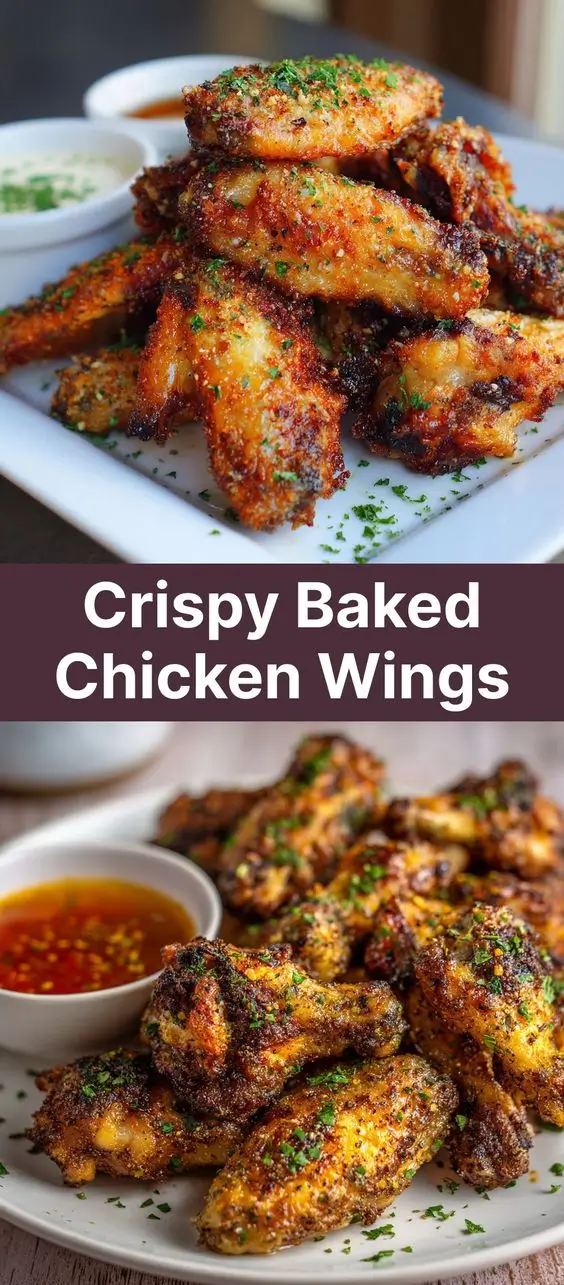
Crispy Baked Chicken Wings: A Healthier Twist on a Classic Favorite
The History of Chicken Wings
Chicken wings, now a staple at sports bars, game-day gatherings, and casual dining restaurants, have a surprisingly humble origin. Though chicken has been consumed for centuries, the popularity of chicken wings as a distinct dish began in the mid-20th century in the United States. The most widely accepted origin story traces back to 1964 in Buffalo, New York, at the Anchor Bar. According to legend, Teressa Bellissimo, co-owner of the bar, improvised a late-night snack for her son and his friends using leftover chicken wings—parts traditionally used for stock or discarded. She fried them, tossed them in a spicy sauce made from cayenne pepper hot sauce and butter, and served them with celery sticks and blue cheese dressing. This creation became known as “Buffalo wings.”
From this modest beginning, the concept of seasoned chicken wings exploded in popularity. Over time, variations emerged across the U.S. and globally, incorporating different flavors such as honey garlic, teriyaki, barbecue, and lemon pepper. While frying remained the traditional method, health-conscious cooks began exploring alternative preparation techniques. Enter the baked chicken wing—a lighter yet still deliciously crispy option that maintains flavor without the excess oil.
Baking chicken wings not only reduces fat content but also makes them easier to prepare at home with minimal equipment. Today, crispy baked chicken wings are celebrated for their golden, crunchy skin and juicy interior, proving you don’t need to deep-fry to achieve restaurant-quality results.
Ingredients Breakdown: Why Each Component Matters
The magic of perfectly crispy baked chicken wings lies not just in technique but in the thoughtful selection of ingredients. Each plays a specific role in achieving texture, flavor, and overall satisfaction.
- Chicken Wings: Use fresh, whole chicken wings (also called “flats and drumettes”). These can be separated at the joints, discarding the wing tips (which are great for making stock). Fresh wings ensure better moisture retention during baking, while frozen ones may release more water and hinder crispiness.
- Baking Powder (Aluminum-Free): This is the secret weapon behind ultra-crispy baked wings. When applied to the surface of chicken, baking powder raises the pH level of the skin, accelerating the Maillard reaction (browning) and promoting dehydration. The result? Crispier skin without frying. It’s crucial to use aluminum-free baking powder to avoid any metallic aftertaste.
- Salt: Enhances flavor and helps draw out surface moisture, aiding in crisping. Kosher salt is preferred due to its clean taste and ease of distribution.
- Paprika: Adds a subtle sweetness and rich color. Smoked paprika can add depth if you’re aiming for a smoky profile.
- Garlic Powder & Onion Powder: Provide savory umami notes without adding moisture (unlike fresh garlic or onion), ensuring the skin stays dry and crisp.
- Black Pepper: Adds mild heat and complexity. Freshly ground pepper offers the best flavor.
- Olive Oil or Avocado Oil (optional): A light coating helps seasonings adhere and promotes even browning. Use sparingly—too much oil can make wings greasy rather than crispy.
- Your Favorite Sauce (optional): Toss the baked wings in sauces like buffalo, barbecue, honey garlic, or teriyaki after baking to preserve crispness. Adding sauce before baking can steam the skin and reduce crunch.
Step-by-Step Recipe: How to Make Crispy Baked Chicken Wings at Home
Ingredients
- 2 pounds (about 900g) chicken wings, split into flats and drumettes, tips removed
- 1 tablespoon aluminum-free baking powder (not baking soda!)
- 1 teaspoon kosher salt
- 1/2 teaspoon garlic powder
- 1/2 teaspoon onion powder
- 1/2 teaspoon smoked paprika (optional)
- 1/4 teaspoon black pepper
- 1 tablespoon olive oil or avocado oil (optional)
- Optional: 1/2 cup buffalo sauce, BBQ sauce, or other glaze
Directions
- Prep the Wings: Pat the chicken wings completely dry with paper towels. This step is crucial—moisture is the enemy of crispiness. Removing every bit of surface water ensures maximum browning.
- Season Dry: In a large bowl, toss the wings with aluminum-free baking powder, salt, garlic powder, onion powder, paprika, and black pepper. If using oil, drizzle it over the wings first and toss to coat lightly before adding the dry ingredients. Mix thoroughly until every piece is evenly coated.
- Refrigerate (Optional but Recommended): Place the seasoned wings on a wire rack set over a baking sheet and refrigerate uncovered for 4–12 hours. This air-drying step further dehydrates the skin, dramatically improving crispiness.
- Preheat Oven: Preheat your oven to 425°F (220°C). Position the oven rack in the center. Line a baking sheet with aluminum foil for easy cleanup and place a wire rack on top. Lightly grease the rack to prevent sticking.
- Arrange Wings: Place the wings in a single layer on the wire rack, leaving space between each piece to allow for air circulation. Do not overcrowd.
- Bake: Roast the wings for 45–50 minutes, flipping halfway through. Bake until the skin is golden brown, crispy, and the internal temperature reaches at least 165°F (74°C).
- Broil (Optional): For extra crispiness, switch the oven to broil for the last 2–4 minutes. Watch closely to avoid burning.
- Sauce (Optional): Transfer the baked wings to a large bowl. Add your favorite sauce and toss gently to coat. Serve immediately for optimal crunch.
- Serve: Plate the wings with celery sticks, carrot sticks, and a side of ranch or blue cheese dressing for dipping.
Tips for Perfect Crispy Baked Chicken Wings
- Dry the Skin Thoroughly: Moisture prevents browning. Take the time to pat each wing dry with paper towels—even a few seconds per wing makes a difference.
- Use a Wire Rack: Elevating the wings allows hot air to circulate around all sides, preventing steaming and promoting even crisping.
- Don’t Skip the Baking Powder: It’s not a typo. Aluminum-free baking powder is safe to use on food and is the key to transforming baked wings into something that mimics fried texture.
- Air-Dry in the Fridge: Letting the seasoned wings sit uncovered in the refrigerator overnight is a pro move. It dries the surface further and enhances browning.
- Flip Halfway: Turning the wings ensures both sides get crispy and browned evenly.
- Don’t Crowd the Pan: Overlapping wings trap steam and result in soggy spots. Use two pans if needed.
- Let Them Rest Before Saucing: If tossing in sauce, do so right before serving. The longer sauced wings sit, the softer the skin becomes.
- Double-Batch Safely: You can bake more wings at once, but rotate pans halfway through and extend cooking time slightly.
Variations and Customizations
One of the greatest strengths of baked chicken wings is their versatility. Once you master the base recipe, endless flavor profiles await:
- Buffalo Style: Toss baked wings in a mixture of 1/2 cup hot sauce (like Frank’s RedHot) and 2 tablespoons melted butter. Add a pinch of garlic powder for depth.
- Honey Garlic: Combine 1/3 cup honey, 2 minced garlic cloves, 2 tablespoons soy sauce, and 1 tablespoon rice vinegar. Simmer for 3 minutes, then toss with wings.
- Lemon Pepper: Toss wings with lemon zest, cracked black pepper, salt, and a squeeze of fresh lemon juice after baking.
- BBQ Glazed: Coat wings in your favorite barbecue sauce. For homemade, mix ketchup, brown sugar, apple cider vinegar, Worcestershire, and smoked paprika.
- Spicy Korean Gochujang: Whisk together gochujang paste, soy sauce, honey, rice vinegar, sesame oil, and garlic. Toss and garnish with sesame seeds and green onions.
- Garlic Parmesan: Toss wings with melted butter, minced garlic, grated Parmesan, and chopped parsley. Broil briefly to melt cheese.
- Dry Rub Options: Experiment with Cajun seasoning, jerk spice, curry powder, or za’atar for global flair.
- Nut-Free Option: Avoid peanut-based sauces if allergies are a concern; use sunflower seed butter or tahini as alternatives in creamy dips.
- Sugar-Free: For keto or low-carb diets, skip sweet sauces and opt for dry rubs, buffalo, or herb-infused oils.
Health Considerations and Nutritional Value
Baked chicken wings offer a healthier alternative to their deep-fried counterparts. By eliminating immersion in oil, you significantly reduce total fat and calorie content.
Nutritional Profile (Per 4 oz / ~113g of baked chicken wing with skin, no sauce):
- Calories: ~220
- Protein: 20g
- Total Fat: 15g (including 4g saturated fat)
- Carbohydrates: 0g (unless sauced or coated)
- Sodium: Varies—~300mg naturally, but can increase with seasoning and sauces
- Vitamins & Minerals: Good source of niacin, selenium, phosphorus, and vitamin B6
Health Benefits:
- High in Protein: Supports muscle repair, satiety, and metabolic health.
- No Trans Fats: Unlike deep-fried versions, baking avoids harmful trans fats linked to heart disease.
- Lower in Calories: Baking can save 80–100 calories per serving compared to frying.
- Customizable for Diets: Easily adapted for keto, gluten-free, dairy-free, or low-sodium diets by adjusting seasonings and sauces.
Considerations:
- Skin Contains Saturated Fat: While flavorful and crispy, the skin is higher in saturated fat. For lower fat intake, remove skin before eating or reduce portion size.
- Sodium Levels: Store-bought sauces and seasoning blends can be high in sodium. Opt for low-sodium versions or make your own.
- Balanced Meal Pairing: Serve wings with fresh vegetables, salad, or cauliflower rice to balance the meal nutritionally.
Frequently Asked Questions (FAQ)
Can I use baking soda instead of baking powder?
No. Baking soda is sodium bicarbonate and is much stronger. Using it will give your wings a soapy, metallic taste and may ruin the texture. Only aluminum-free baking powder should be used—it contains cornstarch and acids that neutralize the reaction, making it safe for food.
Why are my wings not crispy?
The most common causes are: insufficient drying, skipping the baking powder, overcrowding the pan, or not baking long enough. Ensure wings are very dry before seasoning and use a wire rack for airflow.
Can I bake wings without baking powder?
You can, but they won’t be as crispy. Without baking powder, the skin won’t dehydrate and brown as effectively. For crispiness without baking powder, try tossing wings in cornstarch instead (1 tablespoon per pound).
Can I make these in an air fryer?
Absolutely! Air fry at 400°F (200°C) for 22–26 minutes, shaking halfway. Results are often even crispier due to concentrated hot air.
How do I store leftovers?
Store in an airtight container in the refrigerator for up to 3 days. Reheat in the oven or air fryer to restore crispiness—avoid microwaving, which makes them soggy.
Can I freeze baked chicken wings?
Yes. Cool completely, then freeze on a tray before transferring to a freezer bag. Reheat from frozen in the oven at 375°F (190°C) for 25–30 minutes.
Are chicken wings gluten-free?
The wings themselves are naturally gluten-free. However, some sauces (like soy sauce or commercial marinades) contain gluten. Always check labels or use certified gluten-free products.
What part of the wing should I use?
Flats and drumettes are ideal. Tips can be saved for stock. Whole wings can be separated easily with a sharp knife or kitchen shears.
Summary
Crispy baked chicken wings deliver all the crunch and flavor of fried wings with far less oil and guilt—thanks to a smart technique involving baking powder and thorough drying. Perfect for game nights, parties, or weeknight dinners, they’re customizable, healthy, and impressively delicious.