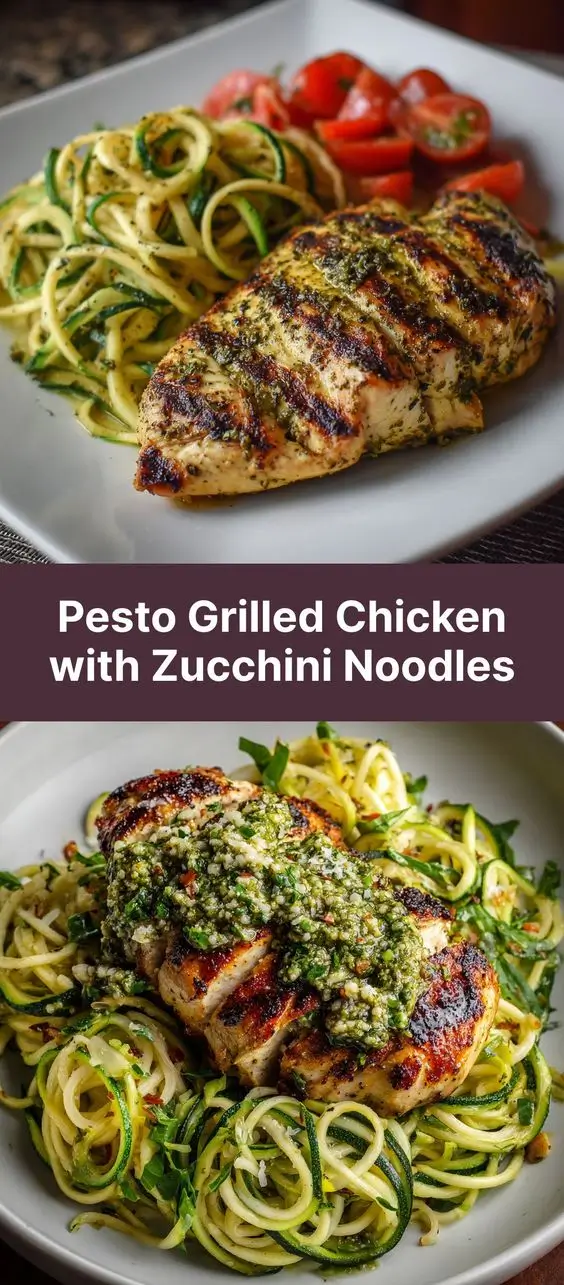
Pesto Grilled Chicken with Zucchini Noodles
The History
The fusion of Italian and modern American cuisine has given rise to countless delicious dishes, one of the most beloved being Pesto Grilled Chicken with Zucchini Noodles. While neither component originates from the same culinary tradition, their marriage reflects a broader movement toward healthy, flavorful, and visually appealing meals that cater to contemporary dietary preferences.
Pesto itself traces its roots back to Genoa in the Liguria region of Italy. The word “pesto” comes from the Italian verb pestare, meaning “to crush or pound,” which refers to the traditional method of preparing the sauce using a mortar and pestle. Classic basil pesto, known as pesto alla genovese, typically includes fresh basil, garlic, pine nuts, Parmesan cheese, olive oil, and salt. It has been enjoyed for centuries, originally as a way to preserve summer herbs and create a vibrant condiment for pasta, meats, and breads.
Grilled chicken, on the other hand, is a staple in many global cuisines but became especially popular in American cooking during the 20th century as health-conscious eating rose in prominence. Grilling imparts a smoky depth and charred texture that enhances lean proteins like chicken breast, making it a go-to choice for weeknight dinners and weekend barbecues alike.
Zucchini noodles—affectionately called “zoodles”—emerged in the late 20th and early 21st centuries as part of the low-carb, gluten-free, and paleo diet movements. With the advent of spiralizers and increased interest in vegetable-based alternatives to pasta, zucchini became a star substitute due to its mild flavor, tender texture when cooked, and abundance during summer months. Though not traditionally Italian, zoodles have found a comfortable home alongside classic Italian flavors like pesto.
The combination of pesto grilled chicken and zucchini noodles symbolizes a modern twist on Mediterranean-inspired eating—an approach celebrated for its heart-healthy fats, antioxidant-rich herbs, and emphasis on fresh produce. This dish embodies the evolution of food culture: honoring tradition while embracing innovation for better nutrition and culinary excitement.
Ingredients Breakdown
To make an authentic yet customizable version of Pesto Grilled Chicken with Zucchini Noodles, you’ll need a balanced mix of protein, vegetables, aromatic herbs, healthy fats, and seasonings. Below is a detailed breakdown of each ingredient and its role in building flavor, texture, and nutritional value.
For the Pesto Grilled Chicken:
- Chicken breasts (4 boneless, skinless): The centerpiece of the dish. Chicken breasts are lean, high in protein, and ideal for grilling because they absorb marinades well and cook evenly when pounded to uniform thickness.
- Fresh basil leaves (2 cups packed): A key component of traditional pesto, basil provides a sweet, slightly peppery aroma essential to the sauce’s character. Its volatile oils release beautifully when blended.
- Garlic cloves (3–4 large): Adds pungency and depth. Raw garlic mellows slightly when mixed into oil and cheese, contributing to the boldness of the pesto.
- Pine nuts (1/3 cup): Traditionally used in Genoese pesto, these give the sauce a rich, buttery mouthfeel. They’re expensive but can be substituted if needed (see variations).
- Extra-virgin olive oil (1/2 cup): Acts as the base of the pesto, carrying flavors and creating a smooth emulsion. High-quality EVOO adds fruitiness and complexity.
- Grated Parmesan cheese (1/2 cup): Offers umami, saltiness, and creaminess. Authentic Parmigiano-Reggiano is preferred for its granular texture and nutty taste.
- Lemon juice (1 tablespoon): Brightens the pesto, preventing oxidation (browning) and balancing the richness of cheese and oil.
- Salt and freshly ground black pepper (to taste): Enhance all components and bring harmony to the final blend.
- Olive oil (for brushing chicken): Prevents sticking on the grill and promotes browning.
For the Zucchini Noodles:
- Zucchinis (4 medium): Chosen for their firm flesh and mild flavor. Spiralized into noodle shapes, they mimic pasta without the carbs. Opt for medium-sized zucchinis to avoid excess moisture.
- Garlic (2 cloves, minced): Sautéed gently to infuse the zoodles with subtle warmth.
- Butter or olive oil (1–2 tablespoons): Used to sauté the noodles lightly, enhancing texture and helping them hold the pesto coating.
- Salt (a pinch): Draws out some moisture and seasons the zoodles subtly.
- Red pepper flakes (optional, 1/4 tsp): For a touch of heat that complements the herbal notes.
Optional Garnishes and Additions:
- Cherry tomatoes (halved)
- Extra grated Parmesan
- Chopped fresh parsley or basil
- Toasted pine nuts or walnuts
- Crumbled feta or goat cheese
- Avocado slices
- Grilled bell peppers or mushrooms
Step-by-Step Recipe
- Prepare the Homemade Pesto Sauce:
In a food processor or blender, combine the fresh basil, garlic cloves, pine nuts, and half the Parmesan cheese. Pulse until finely chopped. With the motor running, slowly drizzle in the olive oil until a smooth paste forms. Stop and scrape down the sides. Add lemon juice, remaining cheese, and season with salt and pepper. Blend again until creamy. Taste and adjust seasoning. Set aside 3/4 cup for marinating the chicken and another 1/2 cup for tossing with zoodles. Store extra in an airtight container, topped with a thin layer of olive oil to prevent browning. - Marinate the Chicken:
Place the chicken breasts between two sheets of plastic wrap and gently pound them to an even ¾-inch thickness using a meat mallet or rolling pin. This ensures even cooking. Transfer to a shallow dish or resealable bag and coat generously with 3/4 cup of the prepared pesto. Seal and refrigerate for at least 30 minutes, or ideally 2–4 hours for maximum flavor infusion. - Spiralize the Zucchini:
Wash and dry the zucchinis. Trim off the ends. Using a spiralizer fitted with flat blade attachment, spiralize each zucchini into long noodles. Place in a colander, sprinkle lightly with salt, and let sit for 10–15 minutes to draw out excess moisture. Afterward, gently press with paper towels or a clean kitchen cloth to remove water—this prevents soggy zoodles later. - Preheat the Grill:
Heat your outdoor grill or indoor grill pan over medium-high heat. Brush the grates lightly with olive oil to prevent sticking. Alternatively, preheat oven to 375°F (190°C) for broiling if grilling isn’t possible. - Grill the Chicken:
Remove chicken from the marinade (shake off excess) and place directly on the hot grill. Cook for 6–7 minutes per side, depending on thickness, until internal temperature reaches 165°F (74°C) and juices run clear. Avoid moving too often to ensure good sear marks. Once done, transfer to a plate, tent loosely with foil, and let rest for 5 minutes before slicing. - Cook the Zucchini Noodles:
In a large skillet over medium heat, warm 1–2 tablespoons of olive oil or butter. Add minced garlic and red pepper flakes (if using), sautéing for about 30 seconds until fragrant. Add the drained zucchini noodles and toss gently for 2–3 minutes just until softened but still al dente. Overcooking will make them mushy. Remove from heat immediately. - Assemble the Dish:
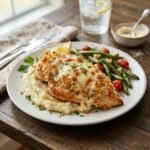
Add the reserved 1/2 cup pesto to the warm zucchini noodles and toss thoroughly to coat. Slice the rested grilled chicken diagonally into strips. Arrange the pesto-coated zoodles on serving plates and top with sliced chicken. Drizzle with additional pesto if desired. - Garnish and Serve:
Sprinkle with extra Parmesan, chopped herbs, toasted nuts, or halved cherry tomatoes. Serve immediately while warm for optimal texture and flavor.
Tips
- Don’t skip salting the zoodles: Removing excess moisture is crucial for a non-watery dish. Salting draws out water naturally present in zucchini, improving texture dramatically.
- Use room-temperature pesto: If refrigerated, bring pesto to room temperature before mixing with zoodles to enhance aroma and spreadability.
- Grill marks matter: Let the chicken develop a good sear before flipping. Resist the urge to move it around too soon.
- Rest the chicken: Allowing the meat to rest after grilling keeps it juicy. Cutting too soon releases precious juices.
- Cook zoodles last: Prepare everything else first so zoodles can be quickly sautéed and served immediately.
- Make-ahead tip: Pesto can be made up to 5 days ahead and stored in the fridge (with oil layer on top) or frozen for up to 3 months. Freeze in ice cube trays for easy portioning.
- Batch cooking: Double the recipe and store grilled chicken and pesto separately for quick lunches during the week.
- Spiralizer alternatives: No spiralizer? Use a julienne peeler or mandoline with noodle blade. You can even cut by hand into thin matchsticks for “pseudo-noodles.”
Variations and Customizations
This dish is highly adaptable to different tastes, dietary needs, and seasonal ingredients. Here are several creative twists:
Protein Swaps:
- Chicken thighs: More flavorful and forgiving than breasts; less likely to dry out.
- Shrimp or salmon: Excellent seafood options that pair wonderfully with pesto.
- Tofu or tempeh: Marinated and grilled plant-based proteins for vegan versions.
Pesto Variations:
- Spinach-basil pesto: Replace half the basil with baby spinach for milder flavor and added nutrients.
- Kale or arugula pesto: Heartier greens add bitterness and complexity. Arugula gives a peppery kick.
- Nut-free pesto: Substitute pine nuts with sunflower seeds or omit entirely for allergy-friendly versions.
- Dairy-free/vegan pesto: Skip Parmesan or use nutritional yeast for cheesy flavor.
- Roasted red pepper pesto: Blend roasted peppers with almonds and garlic for a sweeter, smoky alternative.
Zoodle Enhancements:
- Mixed vegetable noodles: Combine zucchini with yellow squash, carrots, or sweet potatoes for color and variety.
- Raw option: Toss raw zoodles with warm pesto-coated chicken—the residual heat wilts them slightly without cooking.
- Baked zoodles: Spread in a greased baking dish, top with pesto and chicken, sprinkle with mozzarella, and broil for a casserole-style dish.
Flavor Boosters:
- Add capers or kalamata olives for brininess.
- Stir in sun-dried tomatoes for chewy texture and intense flavor.
- Top with balsamic glaze for a sweet-tart contrast.
- Incorporate grilled vegetables like eggplant, asparagus, or artichokes.
Cultural Twists:
- Mediterranean: Add feta, cucumbers, olives, and oregano.
- Asian-inspired: Use basil-cilantro pesto with sesame oil, soy sauce, and ginger; serve over zoodles with sesame seeds.
- Mexican-style: Swap pesto for cilantro-lime chimichurri and top with avocado, corn, and cotija cheese.
Health Considerations and Nutritional Value
Pesto Grilled Chicken with Zucchini Noodles is widely regarded as a nutritious, balanced meal suitable for various diets including low-carb, keto-friendly (with modifications), gluten-free, and heart-healthy plans. However, understanding the nutritional profile helps optimize it for individual goals.
Macronutrient Overview (per serving, approximately):
- Calories: ~450–550 kcal
- Protein: 35–40g (from chicken and cheese)
- Fat: 30–35g (mostly unsaturated from olive oil, nuts, and avocado)
- Carbohydrates: 8–12g (primarily from zucchini and minimal natural sugars)
- Fiber: 2–3g (from zucchini and herbs)
Key Health Benefits:
- Heart-Healthy Fats: Olive oil is rich in monounsaturated fats and polyphenols, linked to reduced inflammation and improved cholesterol levels.
- Antioxidant Powerhouse: Fresh basil contains flavonoids and essential oils (e.g., eugenol) with anti-inflammatory and antimicrobial properties.
- Lean Protein Source: Chicken breast supports muscle maintenance and satiety without excessive saturated fat.
- Low Glycemic Impact: Zucchini has a very low glycemic index, making this dish ideal for diabetics or those managing blood sugar.
- Digestive Support: High water content and fiber in zucchini promote hydration and gut motility.
- Bone and Dental Health: Parmesan cheese provides calcium, phosphorus, and vitamin K2.
Considerations and Modifications:
- High Sodium Alert: Store-bought pesto and Parmesan can be high in sodium. Make your own to control salt content.
- Calorie Density: Pesto is calorie-rich due to oil and nuts. Use smaller portions or dilute with steamed spinach or broth for lighter versions.
- Allergens: Contains tree nuts (pine nuts), dairy (Parmesan), and potential cross-contamination risks. Always check labels if buying pre-made pesto.
- Vegan Adaptation: Use tofu or chickpeas instead of chicken, skip cheese, and use nutritional yeast in pesto.
- Keto-Friendly: Already low in carbs—perfect for ketogenic diets. Increase healthy fats by adding avocado or olive tapenade.
Ingredients
For the Pesto:
- 2 cups packed fresh basil leaves
- 3–4 garlic cloves
- 1/3 cup pine nuts
- 1/2 cup extra-virgin olive oil
- 1/2 cup grated Parmesan cheese
- 1 tbsp fresh lemon juice
- Salt and freshly ground black pepper to taste
For the Grilled Chicken:
- 4 boneless, skinless chicken breasts
- 3/4 cup homemade pesto (from above)
- 1 tbsp olive oil (for brushing)
For the Zucchini Noodles:
- 4 medium zucchinis
- 2 tbsp olive oil or butter
- 2 garlic cloves, minced
- Pinch of salt
- 1/4 tsp red pepper flakes (optional)
- 1/2 cup reserved pesto (from above)
Garnishes (optional):
- Extra Parmesan cheese
- Cherry tomatoes, halved
- Chopped fresh basil or parsley
- Toasted pine nuts
- Avocado slices
Directions
- In a food processor, combine basil, garlic, and pine nuts. Pulse until coarsely chopped.
- Add half the Parmesan and pulse briefly. With the machine running, slowly pour in olive oil until smooth.
- Add lemon juice, remaining Parmesan, salt, and pepper. Blend until creamy. Transfer 3/4 cup to a bowl for marinating chicken; reserve 1/2 cup for zoodles.
- Pound chicken breasts to even thickness. Place in a dish and coat with 3/4 cup pesto. Marinate in refrigerator for 30 minutes to 4 hours.
- Wash zucchinis and spiralize into noodles. Place in a colander, sprinkle with salt, and let drain 10–15 minutes. Pat dry with paper towels.
- Preheat grill or grill pan over medium-high heat. Oil the grates.
- Remove chicken from marinade and grill for 6–7 minutes per side until internal temperature reaches 165°F. Rest for 5 minutes, then slice.
- Heat olive oil or butter in a skillet over medium heat. Sauté garlic and red pepper flakes for 30 seconds.
- Add zucchini noodles and cook 2–3 minutes until just tender. Do not overcook.
- Remove from heat and toss with 1/2 cup reserved pesto.
- Divide zoodles among plates. Top with sliced grilled chicken.
- Garnish with Parmesan, tomatoes, herbs, or nuts as desired. Serve immediately.
FAQ
Can I bake the chicken instead of grilling?
Yes! Preheat oven to 375°F (190°C). Place marinated chicken on a lined baking sheet and bake for 20–25 minutes, or until internal temperature reaches 165°F. For extra browning, broil for the last 2–3 minutes.
Can I eat the zucchini noodles raw?
Absolutely. Raw zoodles retain more crunch and nutrients. Simply toss with warm pesto and grilled chicken—the residual heat will slightly soften them.
How do I prevent watery zucchini noodles?
Salt them after spiralizing and let them sit in a colander for 10–15 minutes. Then pat dry thoroughly with paper towels before cooking.
Is pesto healthy?
Homemade pesto made with quality ingredients is nutritious—rich in healthy fats, antioxidants, and flavor. However, it’s calorie-dense, so portion control matters if weight loss is a goal.
Can I freeze this dish?
We recommend freezing components separately. Pesto freezes well (up to 3 months). Cooked chicken can be frozen for 2–3 months. Zucchini noodles do not freeze well—they become mushy upon thawing.
Can I make this dairy-free?
Yes! Omit Parmesan and replace with 2–3 tbsp nutritional yeast in the pesto. Use vegan Parmesan alternatives or leave it out entirely for a clean, herb-forward sauce.
What can I substitute for pine nuts?
Walnuts, almonds, cashews, or sunflower seeds work well. Walnuts add earthiness, while sunflower seeds keep it nut-free and budget-friendly.
How long does leftover pesto last?
In the refrigerator, homemade pesto lasts 5–7 days if stored in an airtight container with a thin layer of olive oil on top to prevent oxidation.
Can I use store-bought pesto?
Yes, though homemade tastes fresher and lets you control ingredients. Choose high-quality brands with simple ingredients: basil, olive oil, nuts, garlic, cheese, salt.
Why did my pesto turn brown?
Browning occurs due to oxidation. To slow this, always press plastic wrap directly onto the surface of the pesto or cover with a thin layer of oil. Lemon juice also helps preserve color.
Summary
Pesto Grilled Chicken with Zucchini Noodles is a vibrant, nutrient-packed dish that combines the smoky richness of grilled chicken with the freshness of herby homemade pesto and the light, tender bite of spiralized zucchini.
Easy to customize, rich in flavor, and perfect for healthy weeknight dinners or elegant summer meals, this recipe brings together the best of Italian tradition and modern wellness in every satisfying forkful.