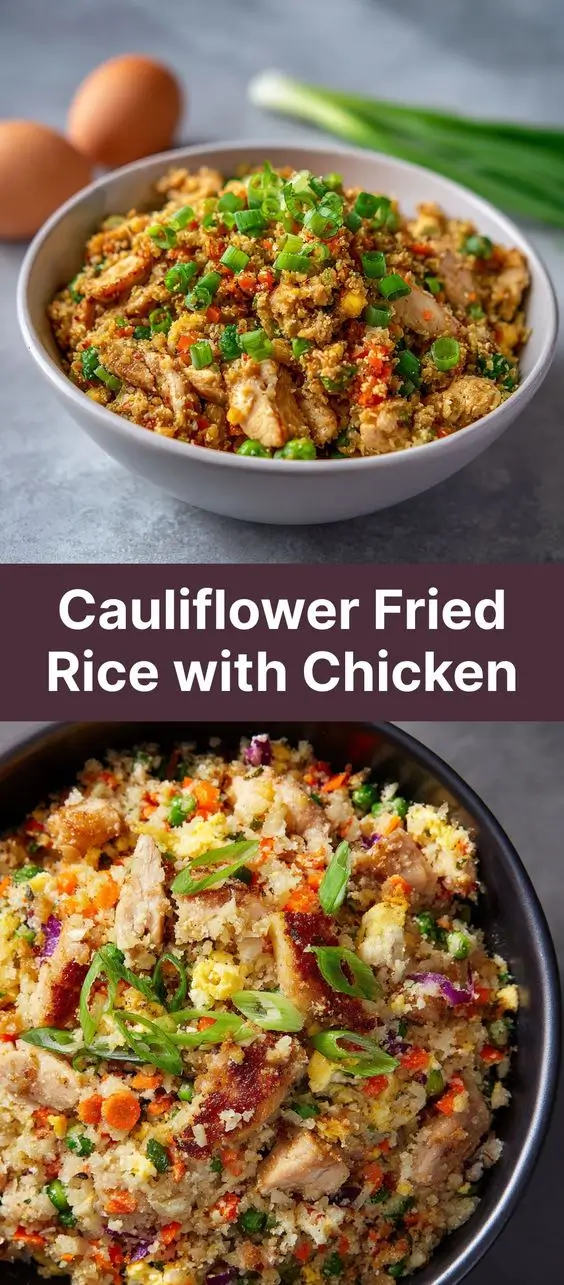
Cauliflower Fried Rice with Chicken: A Healthy, Flavor-Packed Dish
The History of Cauliflower Fried Rice with Chicken
The concept of “cauliflower rice” is a relatively modern culinary innovation born out of the low-carb and health-conscious food movements that gained momentum in the early 2010s. Traditional fried rice, a staple in Chinese cuisine, has been enjoyed for centuries—originating as a clever way to use leftover rice and vegetables. However, as dietary preferences evolved and more people sought gluten-free, keto-friendly, or paleo alternatives, chefs and home cooks began experimenting with substitutes for grains.
Cauliflower, with its mild flavor and grain-like texture when finely chopped, emerged as the perfect stand-in for rice. Its ability to absorb seasonings and mimic the mouthfeel of cooked rice made it ideal for recreating dishes like fried rice without the carbohydrates. The addition of chicken transformed this side dish into a complete, protein-rich meal. Today, cauliflower fried rice with chicken is celebrated not only for its health benefits but also for its bold flavors and versatility across various diets. It’s now a popular choice in clean-eating restaurants, meal prep services, and home kitchens worldwide.
Ingredients Breakdown
To make a delicious and nutritious cauliflower fried rice with chicken, you’ll need a balanced mix of proteins, vegetables, aromatics, and seasonings. Here’s a detailed breakdown of each ingredient and why it matters:
- Fresh Cauliflower (or pre-riced): The star of the dish. When pulsed in a food processor or grated, it forms tiny “rice” grains that cook quickly and soak up flavors beautifully. Fresh is best, but frozen riced cauliflower works in a pinch.
- Chicken Breast or Thighs: Boneless, skinless chicken breasts are lean and widely used, but thighs offer richer flavor and tenderness. Cut into small, bite-sized pieces for even cooking.
- Vegetable Oil or Avocado Oil: High smoke point oils are essential for stir-frying at high heat without burning. Coconut oil can be used for a subtle sweetness.
- Garlic: Freshly minced garlic adds pungent depth and aromatic complexity. Never skip this!
- Ginger: Freshly grated ginger brings warmth and a slight zing, enhancing the umami profile of the dish.
- Onion: Yellow or red onions add sweetness and texture. Diced small for even distribution.
- Carrots: Julienned or finely diced carrots contribute color, crunch, and natural sweetness, along with beta-carotene.
- Peas: Frozen peas are convenient and thaw quickly during cooking. They add pops of sweetness and vibrant green color.
- Green Onions: Sliced thinly, they provide freshness and a mild onion flavor. Reserve some for garnish.
- Eggs: Scrambled into the mixture, eggs add richness, protein, and a classic fried rice element.
- Soy Sauce or Tamari: For saltiness and umami. Use low-sodium soy sauce to control salt levels, or tamari for a gluten-free option.
- Fish Sauce (optional): A few drops enhance depth and authenticity, commonly used in Southeast Asian versions.
- Sesame Oil: Added at the end, it imparts a nutty aroma and rich finish. Use toasted sesame oil for maximum flavor.
- Rice Vinegar or Apple Cider Vinegar: A splash brightens the dish and balances the richness.
- Red Pepper Flakes or Sriracha (optional): For those who enjoy a little heat.
Step-by-Step Recipe
- Prepare the Cauliflower Rice: If using a whole cauliflower, remove the leaves and core, then break the florets into chunks. Pulse in a food processor until it resembles rice grains (be careful not to over-process). Alternatively, grate with a box grater. If using frozen riced cauliflower, thaw and squeeze out excess moisture using a clean kitchen towel.
- Cook the Chicken: Heat 1 tablespoon of oil in a large skillet or wok over medium-high heat. Add the diced chicken, season with salt and pepper, and cook until golden brown and cooked through (about 5–7 minutes). Remove and set aside.
- Scramble the Eggs: In the same pan, add a bit more oil if needed. Pour in beaten eggs and scramble until just set. Break into small pieces, then remove and set aside with the chicken.
- Sauté the Aromatics: Add another tablespoon of oil to the pan. Stir in minced garlic and grated ginger, cooking for 30 seconds until fragrant. Be careful not to burn.
- Add Vegetables: Toss in diced onions and carrots. Stir-fry for 3–4 minutes until slightly softened. Add peas and continue cooking for another minute.
- Incorporate Cauliflower Rice: Add the riced cauliflower to the pan. Stir well and cook for 5–7 minutes, stirring frequently, until tender but not mushy. You want it to have a slight crispness (al dente).
- Combine Everything: Return the cooked chicken and scrambled eggs to the skillet. Mix thoroughly.
- Season the Dish: Drizzle with 2–3 tablespoons of soy sauce (to taste), 1 teaspoon of toasted sesame oil, a splash of rice vinegar, and optional fish sauce or sriracha. Stir well to combine and heat through for 1–2 minutes.
- Finish and Garnish: Turn off the heat. Stir in most of the sliced green onions, reserving some for garnish. Taste and adjust seasoning as needed.
- Serve Immediately: Spoon into bowls and serve hot. Pairs excellently with kimchi, a drizzle of extra sriracha, or a side of steamed broccoli.
Tips for Perfect Cauliflower Fried Rice with Chicken
- Dry Your Cauliflower: Moisture is the enemy of good stir-fry. After ricing, always pat dry or squeeze out water to prevent a soggy texture.
- High Heat is Key: Use medium-high to high heat to achieve a light sear and avoid steaming the ingredients.
- Don’t Overcrowd the Pan: Cook in batches if necessary. Overfilling lowers the pan temperature and leads to mushy results.
- Pre-Cook Ingredients: Cooking chicken and eggs separately ensures they’re perfectly done and don’t get overcooked when mixed in later.
- Season in Layers: Lightly season the chicken, then adjust overall seasoning at the end for balanced flavor.
- Use Fresh Garlic and Ginger: Avoid powdered versions—they lack the bright, fresh punch needed for authentic flavor.
- Add Acid: A splash of vinegar or lime juice at the end lifts the entire dish and prevents it from tasting flat.
- Let It Rest: Allow the finished dish to sit for 2–3 minutes before serving; this helps flavors meld.
Variations and Customizations
Cauliflower fried rice is incredibly adaptable. Here are some creative twists to suit different tastes and diets:
- Vegetarian/Vegan: Omit chicken and eggs. Use tofu or tempeh instead, and substitute eggs with chickpea flour scramble or skip entirely. Use vegan fish sauce or miso for umami.
- Keto Version: Ensure all sauces are sugar-free. Increase healthy fats by adding avocado slices or nuts like cashews.
- Spicy Thai Style: Add red curry paste, coconut aminos, and top with crushed peanuts and cilantro.
- Pineapple Chicken: Add diced fresh pineapple for a sweet-tart tropical twist—great with a dash of turmeric for color.
- Mediterranean Twist: Skip soy sauce; use lemon juice, oregano, olives, feta, and grilled chicken for a Middle Eastern flair.
- Tex-Mex Fusion: Use cumin, chili powder, corn, black beans, and top with salsa, avocado, and lime.
- Sushi-Inspired: Add imitation crab, cucumber, nori strips, and a drizzle of spicy mayo made with sriracha and Greek yogurt.
- Meal Prep Friendly: Double the batch and store in airtight containers for up to 4 days. Reheat in a skillet for best texture.
Health Considerations and Nutritional Value
Cauliflower fried rice with chicken is a powerhouse of nutrition, especially when compared to traditional white rice fried rice. Here’s why it’s considered a healthier alternative:
- Low in Carbohydrates: One cup of riced cauliflower contains about 5 grams of carbs, versus 45 grams in white rice—ideal for low-carb, keto, or diabetic diets.
- High in Fiber: Cauliflower provides dietary fiber, supporting digestion and gut health.
- Rich in Vitamins: Packed with vitamin C, vitamin K, and folate. Carrots add vitamin A, crucial for eye and immune health.
- Lean Protein Source: Chicken breast offers high-quality protein with minimal saturated fat, aiding muscle repair and satiety.
- Low in Calories: This dish typically ranges from 250–350 calories per serving, making it great for weight management.
- Gluten-Free Option: Using tamari instead of soy sauce makes it safe for those with celiac disease or gluten sensitivity.
- Avoiding Excess Sodium: Opt for low-sodium soy sauce and limit added salt to support heart health.
- Antioxidant-Rich: Garlic, ginger, and green onions contain compounds with anti-inflammatory and immune-boosting properties.
Nutritional Estimate (per serving, serves 4):
| Nutrient | Amount |
|---|---|
| Calories | 290 |
| Protein | 28g |
| Carbohydrates | 15g |
| Dietary Fiber | 4g |
| Sugars | 6g |
| Fat | 12g |
| Saturated Fat | 2g |
| Sodium | 600mg (varies with soy sauce) |
| Vitamin C | 75% DV |
| Vitamin A | 80% DV |
Full Ingredients List
- 1 medium head of cauliflower (or 4 cups riced cauliflower)
- 1 lb (450g) boneless, skinless chicken breast or thighs, diced
- 3 tbsp cooking oil (avocado, vegetable, or coconut), divided
- 3 cloves garlic, minced
- 1 tbsp fresh ginger, grated
- 1/2 medium onion, diced
- 1 medium carrot, julienned or finely diced
- 1 cup frozen peas, thawed
- 4 green onions, sliced (white and green parts separated)
- 3 large eggs, beaten
- 3 tbsp low-sodium soy sauce (or tamari)
- 1 tsp toasted sesame oil
- 1 tsp rice vinegar or apple cider vinegar
- 1/2 tsp fish sauce (optional)
- 1/4 tsp red pepper flakes (optional)
- Salt and pepper to taste
Directions
- Process cauliflower florets in a food processor until rice-like. Transfer to a clean towel and squeeze out excess moisture.
- Heat 1 tbsp oil in a large non-stick skillet or wok over medium-high heat. Add chicken, season with salt and pepper, and cook until no longer pink. Remove and set aside.
- Add another tsp of oil to the pan. Pour in beaten eggs and scramble until soft curds form. Remove and set aside.
- Add remaining oil. Sauté garlic and ginger for 30 seconds. Add onion and carrot; stir-fry 3–4 minutes.
- Add peas and white parts of green onions; cook 1 minute more.
- Stir in cauliflower rice. Cook 5–7 minutes, stirring often, until tender-crisp.
- Return chicken and eggs to the pan. Mix well.
- Pour in soy sauce, sesame oil, vinegar, fish sauce, and red pepper flakes. Stir to combine and heat through.
- Turn off heat. Stir in green parts of green onions. Adjust seasoning.
- Serve immediately, garnished with extra green onions or sesame seeds if desired.
FAQ
Can I use frozen riced cauliflower?
Yes! Just thaw completely and squeeze out any excess water before cooking to avoid a soggy texture.
How do I store leftovers?
Store in an airtight container in the refrigerator for up to 4 days. Reheat in a skillet over medium heat for best texture—microwaving may make it mushy.
Can I freeze cauliflower fried rice?
Yes, though the texture may soften slightly upon thawing. Freeze in portion-sized containers for up to 2 months. Thaw overnight in the fridge before reheating.
Is this recipe gluten-free?
Yes, if you use tamari or a certified gluten-free soy sauce.
Can I make it in advance?
Absolutely. Cook all components separately, store them, and combine when ready to eat for fresher results.
Why is my cauliflower fried rice watery?
Excess moisture from the cauliflower or undercooking. Always dry the riced cauliflower well and cook until most liquid evaporates.
What can I substitute for soy sauce?
Coconut aminos (lower sodium, sweeter), liquid aminos, or tamari. Avoid salt substitutes as they alter flavor.
Can I add other vegetables?
Definitely! Try bell peppers, broccoli, mushrooms, zucchini, or spinach. Just adjust cooking times accordingly.
Summary
Cauliflower fried rice with chicken is a nutritious, flavorful, and versatile dish that brings the comfort of takeout-style fried rice without the heavy carbs. Packed with protein, fiber, and vibrant vegetables, it’s perfect for health-conscious eaters, meal preppers, and anyone craving a quick weeknight dinner.