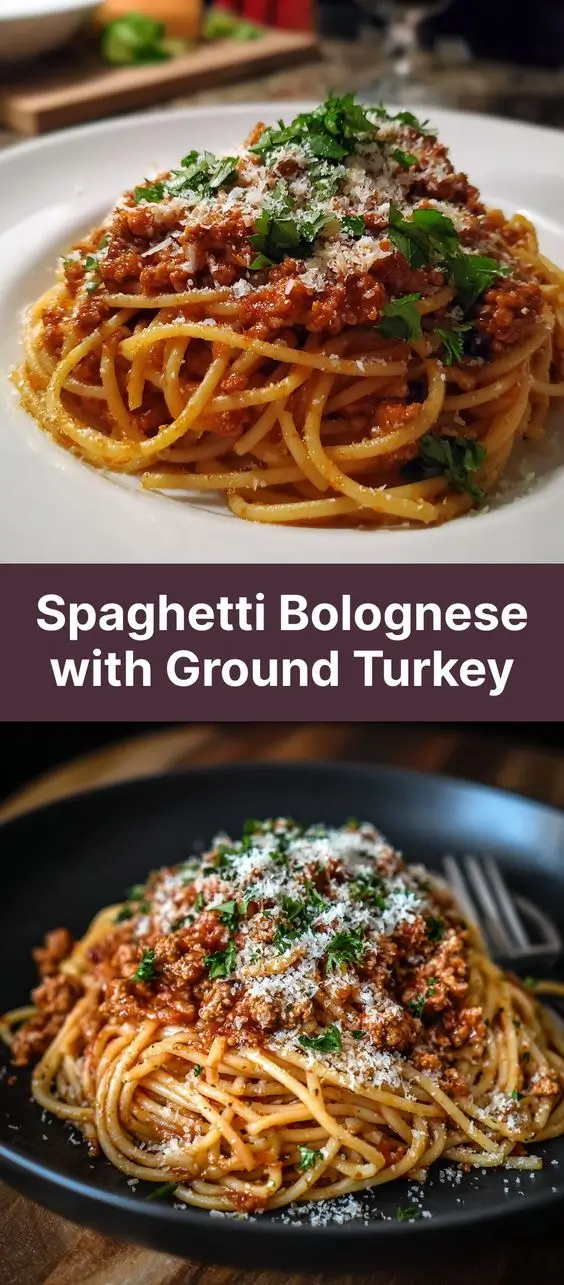
Spaghetti Bolognese with Ground Turkey: A Healthier Twist on a Classic Comfort Dish
The History of Spaghetti Bolognese
The origins of what we commonly refer to as “Spaghetti Bolognese” trace back to the rich culinary traditions of Bologna, Italy—a city renowned for its sophisticated and hearty cuisine. However, it’s important to note that the dish known internationally as “Spaghetti Bolognese” is not exactly what Italians recognize in their homeland. In Italy, the traditional sauce hailing from Bologna is called Ragù alla Bolognese, a slow-cooked meat-based sauce typically served with tagliatelle, not spaghetti. This distinction matters because authentic Ragù alla Bolognese is a carefully crafted blend of ground beef, pancetta, onions, carrots, celery, tomatoes, wine, and milk or cream, simmered gently for hours to develop deep, complex flavors.
The global adaptation—Spaghetti Bolognese—emerged largely through cultural exchange and convenience, particularly popularized in the mid-20th century by British and American home cooks who paired the meaty tomato sauce with more widely available spaghetti. Over time, this version became a staple in households around the world, celebrated for its comforting warmth and family-friendly appeal. Today, variations abound, including healthier alternatives like using ground turkey instead of beef, reflecting modern dietary preferences while still honoring the essence of the original Italian ragù.
Ingredients Breakdown
Creating a delicious Spaghetti Bolognese with ground turkey begins with selecting high-quality ingredients that balance flavor, texture, and nutrition. Here’s a detailed look at each component:
- Ground Turkey (93% lean): A leaner alternative to beef, ground turkey offers a mild flavor that absorbs seasonings well. It’s lower in saturated fat and calories but still provides ample protein to keep the dish satisfying.
- Olive Oil: Used for sautéing aromatics, extra virgin olive oil adds richness and heart-healthy monounsaturated fats.
- Yellow Onion: Provides natural sweetness and depth when caramelized, forming the aromatic base of the sauce.
- Carrots: Finely diced carrots add subtle sweetness, moisture, and essential vitamins like beta-carotene.
- Celery: Contributes earthy notes and completes the classic soffritto trio (onion, carrot, celery), foundational in Italian cooking.
- Garlic: Fresh garlic cloves deliver pungent aroma and bold flavor, enhancing the overall complexity of the sauce.
- Tomato Paste: Concentrated tomato flavor that thickens the sauce and enhances umami. Cooking it briefly before adding liquids deepens its taste.
- Crushed Tomatoes: Canned crushed tomatoes provide acidity, body, and consistent texture without chunks, making them ideal for smooth sauces.
- Low-Sodium Chicken Broth: Adds moisture and savory depth without excess salt; helps regulate consistency during simmering.
- Dry Red Wine (optional): Enhances richness and balances acidity; use Cabernet Sauvignon or Merlot. Omit for alcohol-free versions.
- Fresh Basil and Dried Oregano: Herbs bring brightness (basil) and Mediterranean warmth (oregano), crucial for authentic Italian flair.
- Sugar (optional): A pinch can counteract excessive tartness in tomatoes, though often unnecessary with quality canned tomatoes.
- Salt and Black Pepper: Essential seasoners adjusted to taste throughout cooking.
- Whole Wheat or Regular Spaghetti: Offers fiber-rich options or classic textures depending on preference.
- Freshly Grated Parmesan Cheese: Adds salty, nutty finish; real Parmigiano-Reggiano recommended for best results.
- Fresh Parsley (for garnish): Brightens presentation and adds a fresh herbal note upon serving.
Step-by-Step Recipe
Ingredients
- 1 tablespoon extra virgin olive oil
- 1 medium yellow onion, finely chopped
- 2 medium carrots, finely diced
- 2 celery stalks, finely diced
- 4 garlic cloves, minced
- 1.5 pounds (680g) lean ground turkey (93% lean)
- 3 tablespoons tomato paste
- 1 (28-ounce) can crushed tomatoes (preferably San Marzano)
- 1 cup low-sodium chicken broth
- ½ cup dry red wine (optional, substitute with additional broth if needed)
- 1 teaspoon dried oregano
- ½ teaspoon red pepper flakes (optional, for heat)
- 1 tablespoon fresh basil, chopped (or 1 tsp dried)
- 1 teaspoon sugar (optional)
- Salt and freshly ground black pepper, to taste
- 12 ounces (340g) spaghetti (whole wheat or regular)
- Freshly grated Parmesan cheese, for serving
- Fresh parsley, chopped, for garnish
Directions
- Prepare the Aromatics: Heat olive oil in a large Dutch oven or heavy-bottomed pot over medium heat. Add the chopped onion, carrots, and celery. Sauté for 8–10 minutes, stirring occasionally, until softened and lightly golden. Stir in the minced garlic and cook for another 30 seconds until fragrant.
- Brown the Turkey: Increase the heat to medium-high. Add the ground turkey, breaking it apart with a wooden spoon. Cook for 6–8 minutes, stirring frequently, until no pink remains and the meat is nicely browned. Drain any excess fat if necessary.
- Build Flavor with Tomato Paste: Push the mixture to one side of the pot. Add the tomato paste to the center and let it cook undisturbed for 1–2 minutes, stirring occasionally, to caramelize slightly. Then mix it into the turkey and vegetables thoroughly.
- Add Liquids and Seasonings: Pour in the red wine (if using) and simmer for 3–4 minutes to reduce and burn off the alcohol. Stir in the crushed tomatoes, chicken broth, oregano, red pepper flakes, basil, sugar (if using), and season generously with salt and pepper.
- Simmer the Sauce: Bring the sauce to a gentle boil, then reduce the heat to low. Cover partially and let it simmer for 45 minutes to 1 hour, stirring occasionally. The longer it simmers, the richer and more developed the flavors become. If the sauce thickens too much, add a splash of water or broth.
- Cook the Spaghetti: About 15 minutes before the sauce finishes, bring a large pot of salted water to a boil. Add the spaghetti and cook according to package instructions until al dente. Reserve ½ cup of pasta water before draining.
- Combine and Serve: Once the spaghetti is cooked, drain and add it directly to the Bolognese sauce. Toss everything together over low heat for 2–3 minutes, adding reserved pasta water as needed to create a silky, cohesive sauce that clings to the noodles.
- Garnish and Plate: Divide among warmed bowls. Top each serving with a generous sprinkle of freshly grated Parmesan cheese and a dash of chopped fresh parsley. Serve immediately with a side of garlic bread or a crisp green salad.
Tips for the Perfect Spaghetti Bolognese with Ground Turkey
- Don’t Rush the Soffritto: Taking time to slowly cook the onion, carrots, and celery builds a flavorful foundation. Let them soften and sweeten without browning too quickly.
- Use High-Quality Tomatoes: Opt for San Marzano canned tomatoes—they’re sweeter, less acidic, and have a smoother texture than standard varieties.
- Season in Layers: Add salt at multiple stages—not just at the end. This allows flavors to build gradually and evenly throughout the dish.
- Simmer Long and Low: While 45 minutes is sufficient, letting the sauce simmer up to 90 minutes enhances depth. Just monitor consistency and add liquid as needed.
- Add Umami Boosters: For extra richness, consider adding a splash of Worcestershire sauce, a few anchovy fillets (melted into the oil), or a Parmesan rind during simmering.
- Balance Acidity: If your sauce tastes too sharp, stir in a small pat of butter or a bit more sugar. Butter rounds out acidity and adds silkiness.
- Cook Pasta Al Dente: Overcooked spaghetti turns mushy when tossed with sauce. Always test a minute before the package suggests.
- Reserve Pasta Water: The starchy water helps bind the sauce to the noodles, creating a restaurant-quality finish.
- Let It Rest: Allow the sauce to rest for 10–15 minutes after cooking—it improves cohesion and intensifies flavor.
Variations and Customizations
This recipe is highly adaptable based on dietary needs, ingredient availability, and personal taste. Explore these creative twists:
- Vegetarian Version: Replace turkey with lentils, mushrooms, or plant-based ground “meat.” Use vegetable broth instead of chicken.
- Gluten-Free Option: Use gluten-free spaghetti made from rice, corn, or quinoa. Ensure all other ingredients are certified GF.
- Dairy-Free: Skip the Parmesan or use a vegan alternative. Nutritional yeast can mimic cheesy flavor.
- Keto-Friendly: Serve over spiralized zucchini (zoodles), spaghetti squash, or shirataki noodles.
- Spicier Kick: Increase red pepper flakes or add diced jalapeños during sautéing.
- Mediterranean Style: Add olives, capers, and artichoke hearts for a briny twist.
- Creamy Version: Stir in ¼ cup heavy cream or coconut milk at the end for a rosé-style Bolognese.
- One-Pot Method: Cook pasta directly in the sauce with added liquid—reduces dishes and infuses more flavor into the noodles.
- Instant Pot/Slow Cooker: Brown ingredients using sauté function, then cook on high pressure for 15 minutes (Instant Pot) or 4–6 hours on low (slow cooker).
- Freezer-Friendly: Cool and store sauce separately in airtight containers for up to 3 months. Thaw overnight and reheat gently.
Health Considerations and Nutritional Value
Choosing ground turkey over traditional beef significantly alters the nutritional profile of this beloved dish, making it a smart choice for health-conscious eaters.
Nutritional Highlights (Per Serving, approx. 1.5 cups with 2 oz dry spaghetti):
- Calories: ~420 kcal
- Protein: ~35g – supports muscle repair and satiety
- Total Fat: ~12g – with only ~3g saturated fat
- Carbohydrates: ~45g – includes complex carbs from whole grains (if using whole wheat)
- Fiber: ~6g – aids digestion and promotes fullness
- Sodium: ~500mg – manageable with low-sodium broth and controlled salt use
- Vitamins & Minerals: Rich in vitamin A (from carrots), vitamin C (garlic, tomatoes), iron (turkey), and potassium (tomatoes)
Heart Health: Lower in saturated fat than beef-based versions, this turkey Bolognese supports cardiovascular wellness when consumed as part of a balanced diet.
Weight Management: High protein content increases satiety, helping curb overeating. Lean turkey keeps calorie density moderate.
Blood Sugar Control: Using whole grain pasta increases fiber intake, which slows glucose absorption and prevents spikes.
Allergen Notes: Contains gluten (unless substituted) and dairy (Parmesan). Easily modified for various restrictions.
Pregnancy & Immunity: Well-cooked turkey is safe during pregnancy. Garlic and tomatoes offer immune-supportive antioxidants like lycopene and allicin.
FAQ
- Can I make this ahead of time?
- Absolutely! This sauce tastes even better the next day as flavors meld. Store cooled sauce in an airtight container in the fridge for up to 4 days.
- Can I freeze Spaghetti Bolognese with ground turkey?
- Yes. Freeze the sauce (without pasta) for up to 3 months. Thaw in the refrigerator overnight and reheat on the stove with a splash of water.
- Why did my sauce turn out watery?
- You may need to simmer longer to reduce excess liquid. Also, avoid adding too much broth or not reducing the wine sufficiently.
- Can I use frozen vegetables?
- Fresh is best for texture and flavor control, but you can use frozen diced onions, carrots, and celery in a pinch—just thaw and pat dry first.
- Is ground turkey healthy?
- Yes, especially 93% lean or higher. It’s lower in fat and cholesterol than beef while still being rich in protein and essential nutrients like selenium and B vitamins.
- Can I use ground chicken instead?
- Yes, ground chicken works similarly though slightly milder in flavor. Adjust seasoning accordingly.
- What wine should I use?
- Choose a dry red wine you’d enjoy drinking—such as Chianti, Pinot Noir, or Merlot. Avoid “cooking wine” due to added salt and preservatives.
- Do I have to use wine?
- No. Substitute with additional broth and a splash of balsamic vinegar or lemon juice to maintain acidity and complexity.
- How do I prevent the turkey from drying out?
- Don’t overcook it. Simmer the sauce gently, and ensure enough liquid is present. Adding a Parmesan rind or a bit of cream can also help retain moisture.
- Can kids eat this?
- Yes! Most children love this dish. Reduce or omit red pepper flakes for milder flavor. Serve with a side of steamed veggies for balanced nutrition.
Summary
Spaghetti Bolognese with ground turkey offers a nutritious, flavorful twist on the classic Italian-inspired comfort meal—combining lean protein, vibrant vegetables, and rich tomato sauce simmered to perfection. Easy to customize, freezer-friendly, and beloved by families, this dish brings gourmet satisfaction to weeknight dinners with fewer calories and more health benefits.