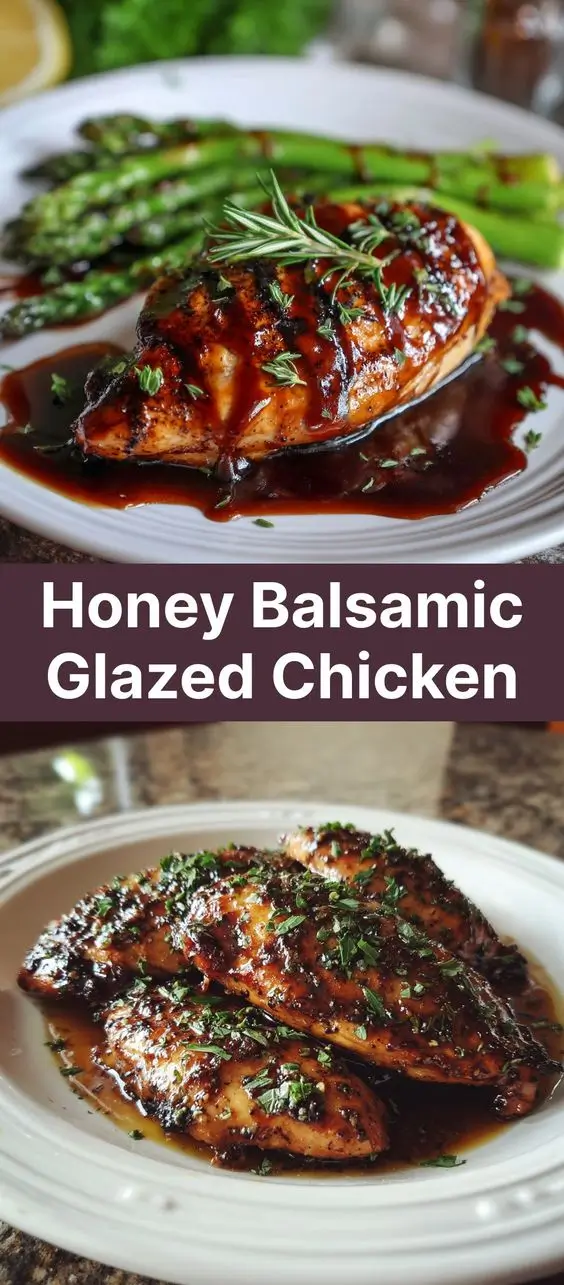
Honey Balsamic Glazed Chicken is a beloved dish that seamlessly blends sweet and tangy flavors into a succulent, tender chicken entrée perfect for weeknight dinners or elegant weekend gatherings. With its glossy finish, aromatic depth, and balanced taste, this recipe has become a staple in modern American kitchens—though its roots trace back through centuries of culinary evolution. Whether served over fluffy jasmine rice, alongside roasted vegetables, or tucked into a hearty sandwich, honey balsamic glazed chicken delivers consistent satisfaction with minimal effort. Let’s dive deep into the world of this delectable dish, from its historical influences to expert tips on crafting the perfect glaze.
The History
The fusion of honey and vinegar as flavoring agents dates back to ancient civilizations. The Romans were known to prepare a sauce called garum, often enhanced with honey and fermented fish, while also using vinegar-based reductions to preserve and season meats. In medieval Europe, honey was one of the primary sweeteners before the widespread availability of sugar, and vinegar was commonly used for both preservation and flavor. The pairing of sweet honey with sharp vinegar became a hallmark of European sauces, particularly in French and Italian cuisines.
Balsamic vinegar, specifically, originated in Modena, Italy, where traditional balsamic vinegar has been crafted since the 11th century. Made from reduced grape must (crushed grape juice) aged for years in wooden barrels, authentic balsamic develops a rich, syrupy complexity. Though modern commercial versions are more accessible and less intense, they still carry that signature balance of sweetness and acidity.
The concept of glazing proteins with sweet-tangy mixtures gained popularity in 20th-century American cooking, especially during the mid-1900s when home cooks began experimenting with international ingredients. Honey balsamic glazed chicken emerged as a gourmet yet approachable meal, combining the elegance of Italian-inspired ingredients with the ease of American home cooking. Today, it’s featured in restaurants, food blogs, and family cookbooks alike—a testament to its enduring appeal.
Ingredients Breakdown
The magic of honey balsamic glazed chicken lies in the harmony of its ingredients. Each component plays a vital role in building layers of flavor, texture, and aroma. Here’s an in-depth look at what goes into this dish:
- Chicken (boneless, skin-on or skinless): Typically, boneless chicken breasts or thighs are used. Breasts yield a leaner result, while thighs offer more moisture and richness due to their higher fat content. Skin-on pieces provide extra crispiness when seared or roasted.
- Balsamic Vinegar: Choose a good-quality balsamic vinegar with a thick, syrupy consistency and balanced acidity. Avoid overly harsh or watery versions. Traditional balsamic adds depth, but aged varieties can be expensive; a mid-range, well-balanced commercial brand works beautifully.
- Honey: Raw or pure honey enhances sweetness and helps form a sticky, caramelized glaze. It also contributes subtle floral notes depending on the type (e.g., orange blossom, clover). Avoid processed “honey-style” syrups which lack authenticity.
- Garlic (freshly minced): Adds pungency and aromatic warmth. Fresh garlic is essential—jarred or powdered alternatives don’t deliver the same vibrancy.
- Olive Oil: Used for sautéing or roasting, extra virgin olive oil imparts fruitiness and helps conduct heat evenly across the chicken surface.
- Dijon Mustard: Often included in the glaze, Dijon adds creaminess, tang, and emulsifying properties that help bind the sauce. Its slight heat complements the sweetness without overpowering.
- Soy Sauce or Tamari: A small amount deepens umami and adds saltiness, enhancing overall savoriness. Low-sodium versions allow better control over salt levels.
- Herbs (such as rosemary, thyme, or oregano): Fresh or dried herbs add earthy complexity. Rosemary pairs exceptionally well with balsamic, while thyme offers a milder, floral note.
- Black Pepper and Salt: Essential seasonings that elevate all other flavors. Freshly cracked black pepper brings a subtle bite.
- Butter (optional): Added at the end for richness and gloss, butter gives the glaze a luxurious mouthfeel.
Step-by-Step Recipe
Follow these detailed steps to create restaurant-quality honey balsamic glazed chicken in your own kitchen:
- Prep the Chicken: Start with 4 boneless, skin-on or skinless chicken breasts (about 6 oz each). Pat them dry with paper towels—this ensures proper browning. If using skin-on, score the skin lightly to prevent curling. Season both sides generously with salt and freshly ground black pepper.
- Preheat Oven (if roasting): Set oven to 375°F (190°C) if finishing in the oven. This method ensures even cooking and allows the glaze to caramelize beautifully.
- Sear the Chicken: Heat 2 tablespoons of olive oil in a large oven-safe skillet over medium-high heat. Place chicken in the pan, smooth side down, and cook for 5–6 minutes until golden brown. Flip and sear the other side for 3–4 minutes. Remove chicken and set aside temporarily.
- Prepare the Glaze Base: In the same skillet (to capture fond), reduce heat to medium. Add 1 tablespoon of butter and stir in 3–4 cloves of minced garlic. Cook for 30 seconds until fragrant, being careful not to burn.
- Create the Sauce: Pour in ½ cup balsamic vinegar and bring to a simmer. Stir in ⅓ cup honey, 1 tablespoon Dijon mustard, 1 tablespoon soy sauce, and 1 teaspoon dried thyme (or 1 sprig fresh rosemary). Whisk together and let bubble gently for 3–4 minutes until slightly thickened.
- Glaze the Chicken: Return chicken to the skillet, nestling it into the sauce. Spoon the glaze over the top to coat evenly.
- Roast or Simmer:
- Oven Method: Transfer the skillet to the preheated oven. Roast for 18–22 minutes, basting every 7–8 minutes, until internal temperature reaches 165°F (74°C).
- Stovetop Method: Cover and simmer on low for 15–18 minutes, turning once and basting frequently.
- Caramelize the Glaze: Once chicken is cooked, remove it and keep warm. Increase heat under the sauce to high and reduce further for 2–3 minutes until it coats the back of a spoon. Swirl in 1 tablespoon cold butter for shine and silkiness.
- Rest and Serve: Let chicken rest for 5 minutes before slicing. Drizzle generously with warm glaze. Garnish with chopped parsley or fresh thyme.
Tips
- Use a Meat Thermometer: Ensures perfect doneness without drying out the chicken. Target 160°F (71°C)—carryover cooking will raise it to 165°F.
- Don’t Rush the Sear: Allow the chicken to develop a deep crust before flipping. Moving too soon causes sticking and uneven browning.
- Baste Frequently: Especially during roasting, regular basting builds layers of flavor and promotes even glazing.
- Balance the Glaze: Taste the sauce before adding chicken. If too tart, add a touch more honey. Too sweet? A splash of vinegar or lemon juice balances it.
- Reduce Smartly: Over-reducing the glaze can make it overly thick or bitter. Aim for a syrup-like consistency, not tar.
- Skillet Choice: An oven-safe stainless steel or cast iron skillet gives superior browning compared to nonstick.
- Room Temperature Chicken: Let refrigerated chicken sit out for 15–20 minutes before cooking for more even results.
Variations and Customizations
This versatile recipe lends itself to countless adaptations based on dietary preferences, ingredient availability, and flavor adventures:
- Chicken Thighs: Substitute with bone-in or boneless chicken thighs for juicier, richer results. Adjust cooking time accordingly (thighs take longer).
- Grilled Version: Marinate chicken in half the glaze, then grill over medium heat. Brush remaining glaze during the last few minutes to avoid burning.
- Slow Cooker Option: Place seasoned chicken in a slow cooker. Mix glaze ingredients and pour over. Cook on low for 4–5 hours. Finish by reducing the liquid on the stovetop and drizzling over.
- Gluten-Free: Use tamari instead of soy sauce to keep it gluten-free.
- Keto-Friendly: Replace honey with a keto-approved sweetener like monk fruit syrup or erythritol blend. Note: flavor profile will shift slightly.
- Spicy Kick: Add red pepper flakes, cayenne, or a dash of hot sauce to the glaze for heat lovers.
- Fruit Infusion: Add sliced peaches, figs, or apples during the last 10 minutes of cooking for a fruity twist that pairs wonderfully with balsamic.
- Herb Variations: Try tarragon for a French flair, smoked paprika for depth, or basil for freshness.
- Vegan Alternative: Use portobello mushrooms or cauliflower steaks as a plant-based substitute. Grill or roast and apply the same glaze.
Health Considerations and Nutritional Value
Honey balsamic glazed chicken can be part of a balanced diet when prepared thoughtfully. Here’s a breakdown per serving (one 6 oz chicken breast with glaze):
- Calories: ~380–420 kcal
- Protein: ~35–40g (excellent source)
- Fat: ~12–15g (mostly healthy fats from olive oil)
- Carbohydrates: ~25–30g (primarily from honey and balsamic vinegar)
- Sugar: ~20–25g (natural sugars from honey and reduced grape must)
- Sodium: ~600–800mg (can be reduced by using low-sodium soy sauce)
Benefits:
- High-quality protein supports muscle repair and satiety.
- Balsamic vinegar may aid digestion and contains antioxidants like polyphenols.
- Honey offers trace enzymes and minerals, though should be consumed in moderation.
- Olive oil contributes heart-healthy monounsaturated fats.
Considerations:
- The glaze is naturally high in sugars due to honey and reduced balsamic. Diabetics or those managing blood sugar should adjust portions or use lower-glycemic substitutes.
- Excessive reduction of balsamic vinegar may concentrate sugars and increase glycemic load.
- To lower sodium, omit added salt or use coconut aminos instead of soy sauce.
- Skinless chicken reduces saturated fat content, beneficial for cardiovascular health.
Ingredients
- 4 boneless, skin-on or skinless chicken breasts (about 6 oz each)
- Salt and freshly ground black pepper (to taste)
- 2 tablespoons olive oil
- 1 tablespoon unsalted butter (plus 1 tbsp for finishing)
- 4 garlic cloves, minced
- ½ cup balsamic vinegar (preferably aged)
- ⅓ cup honey (raw preferred)
- 1 tablespoon Dijon mustard
- 1 tablespoon soy sauce (or tamari for gluten-free)
- 1 teaspoon dried thyme (or 1 sprig fresh rosemary)
- Chopped fresh parsley or thyme (for garnish)
Directions
- Premake sure chicken is patted dry and seasoned with salt and pepper on both sides.
- Heat olive oil in an oven-safe skillet over medium-high heat.
- Add chicken and sear for 5–6 minutes on the first side until golden. Flip and cook another 3–4 minutes. Remove and set aside.
- In the same pan, melt 1 tablespoon butter. Add minced garlic and sauté for 30 seconds until fragrant.
- Pour in balsamic vinegar, honey, Dijon mustard, soy sauce, and thyme. Stir well and bring to a simmer. Cook for 3–4 minutes until slightly thickened.
- Return chicken to the skillet, coating with sauce. Nestle into the liquid.
- If using oven method: transfer skillet to a 375°F oven and bake for 18–22 minutes, basting twice, until internal temp reaches 165°F.
- If using stovetop method: cover and simmer on low for 15–18 minutes, turning and basting occasionally.
- Once done, remove chicken and keep warm. Boil the sauce on high for 2–3 minutes to reduce and thicken. Swirl in final tablespoon of cold butter for gloss.
- Slice chicken if desired, plate, and drizzle generously with warm glaze. Garnish with fresh herbs.
FAQ
Can I make this ahead of time?
Yes! Prepare the glaze and marinate the chicken up to 24 hours in advance. Or fully cook and reheat gently in the microwave or oven, adding a splash of water or broth to refresh the glaze.
How do I store leftovers?
Store in an airtight container in the refrigerator for up to 4 days. Reheat in a skillet over low heat to preserve texture.
Can I freeze honey balsamic glazed chicken?
Yes, though the texture of the chicken may soften slightly upon thawing. Freeze for up to 3 months. Thaw overnight in the fridge before reheating.
Why did my glaze turn bitter?
Over-reduction or burning the garlic/balsamic can cause bitterness. Always monitor heat and taste as you go. Adding a bit more honey can counteract mild bitterness.
Can I use chicken with bones?
Absolutely. Bone-in chicken (like split breasts or drumsticks) adds flavor but requires longer cooking—adjust time to reach 165°F internally.
Is balsamic vinegar healthy?
In moderation, yes. It contains antioxidants and may support blood sugar regulation. However, check labels—some commercial brands contain added sugars or caramel coloring.
What sides pair well with this dish?
Excellent companions include garlic mashed potatoes, quinoa, roasted asparagus, green beans almondine, wild rice, arugula salad with shaved Parmesan, or crusty bread to soak up the glaze.
Summary
Honey balsamic glazed chicken masterfully unites the natural sweetness of honey with the bold acidity of balsamic vinegar, creating a rich, flavorful dish that satisfies both casual and refined palates.
Elegant yet easy to prepare, this versatile recipe adapts beautifully to various cooking methods and dietary needs, making it a timeless favorite for home chefs and food lovers around the world.