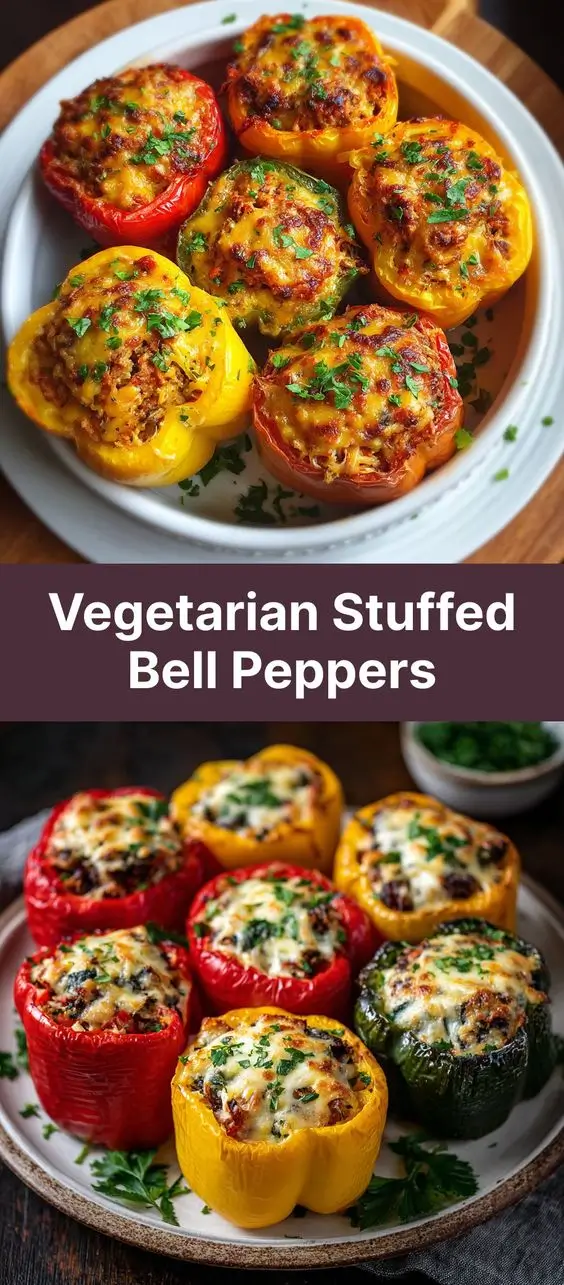
Vegetarian Stuffed Bell Peppers: A Hearty, Healthy, and Flavorful Dish
The History of Stuffed Bell Peppers
Stuffed bell peppers have a rich culinary history that spans continents and cultures. While the modern version is often associated with American and European cuisines, the concept of filling vegetables with savory mixtures dates back centuries. In ancient times, people across the Mediterranean, Middle East, and Eastern Europe would hollow out vegetables like tomatoes, zucchini, and peppers to stuff them with grains, herbs, and meats as a way to stretch ingredients and create satisfying meals.
Bell peppers themselves originated in Central and South America, where they were cultivated by indigenous peoples long before European contact. After Christopher Columbus brought them back to Europe in the late 15th century, they spread rapidly through trade routes into Spain, Portugal, and beyond. By the 18th and 19th centuries, stuffed peppers had become common in countries such as Greece (where they’re known as *gemista*), Hungary (*töltött paprika*), and Turkey (*dolma*).
In North America, stuffed bell peppers gained popularity during the early 20th century, particularly among immigrant communities from Eastern Europe and Italy. Over time, vegetarian versions emerged as more people adopted plant-based diets for health, ethical, or environmental reasons. Today, vegetarian stuffed bell peppers are celebrated not only for their delicious flavor but also for their versatility, making them a staple in vegan, vegetarian, gluten-free, and meal-prep-friendly kitchens worldwide.
Ingredients Breakdown: What Makes This Dish Shine
The beauty of vegetarian stuffed bell peppers lies in the harmony of textures and flavors created by simple, wholesome ingredients. Each component contributes to a balanced, nutrient-rich dish that’s both filling and nourishing.
- Bell Peppers: The star of the dish. Choose large, firm bell peppers—red, yellow, orange, or green—for optimal stuffing capacity and sweetness. Red and yellow peppers tend to be sweeter and more tender when baked.
- Cooked Quinoa or Rice: Acts as the base of the filling. Quinoa is preferred for its high protein content and fluffy texture, while brown rice adds heartiness and fiber. Both are gluten-free and support sustained energy release.
- Black Beans or Lentils: Provide plant-based protein and a meaty texture. Black beans add creaminess, while lentils offer an earthy depth. Either can be used canned (drained and rinsed) or cooked from dry.
- Onion and Garlic: Form the aromatic foundation. Sautéed until soft and golden, they enhance the overall savoriness (umami) of the filling.
- Mushrooms: Finely chopped mushrooms add umami and mimic the texture of ground meat. Cremini or button mushrooms work best due to their robust flavor.
- Corn Kernels: Fresh, frozen, or canned corn adds pops of sweetness and color, balancing the savory elements.
- Diced Tomatoes: Canned fire-roasted tomatoes bring acidity and richness, helping to keep the filling moist during baking.
- Spinach or Kale: Leafy greens boost the vitamin and mineral content. They wilt quickly and blend seamlessly into the mixture.
- Taco Seasoning or Italian Herbs: Depending on your flavor profile preference, use taco spices (cumin, chili powder, paprika) for a Southwestern twist or oregano, basil, and thyme for a Mediterranean flair.
- Tomato Sauce or Marinara: Used both inside the filling and at the bottom of the baking dish to prevent drying and infuse moisture throughout cooking.
- Cheese (Optional): For vegetarians who consume dairy, shredded cheddar, mozzarella, or feta cheese adds creaminess and a golden topping. Vegan cheese alternatives work just as well.
- Olive Oil: Used for sautéing; extra virgin olive oil adds a fruity note and supports the absorption of fat-soluble vitamins.
- Salt and Pepper: Essential for seasoning and enhancing all other flavors.
- Fresh Herbs (Cilantro, Parsley): Added at the end for brightness and freshness.
Step-by-Step Recipe: How to Make Vegetarian Stuffed Bell Peppers
Ingredients
- 4 large bell peppers (any color)
- 1 cup uncooked quinoa or brown rice (yields ~3 cups cooked)
- 1 tablespoon olive oil
- 1 medium onion, finely diced
- 3 cloves garlic, minced
- 8 oz (225g) mushrooms, finely chopped
- 1 teaspoon sea salt (plus more to taste)
- ½ teaspoon black pepper
- 1 tablespoon ground cumin
- 1 teaspoon smoked paprika
- ½ teaspoon chili powder (optional)
- 1 can (15 oz / 425g) black beans, drained and rinsed
- 1 cup corn kernels (fresh, frozen, or canned)
- 1 can (14.5 oz / 400g) diced fire-roasted tomatoes, undrained
- 2 cups fresh spinach or kale, roughly chopped
- 1 cup cooked quinoa or rice
- 1 cup tomato sauce or marinara sauce
- 1 cup shredded cheese (cheddar, mozzarella, or vegan alternative), divided
- ¼ cup fresh cilantro or parsley, chopped (for garnish)
Directions
- Preheat Oven: Preheat your oven to 375°F (190°C). Lightly grease a 9×13-inch baking dish or line it with parchment paper for easy cleanup.
- Cook the Grain: Rinse quinoa under cold water. In a medium saucepan, combine 1 cup quinoa with 2 cups water. Bring to a boil, then reduce heat, cover, and simmer for 15 minutes or until water is absorbed and quinoa is fluffy. Remove from heat and let sit covered for 5 minutes. Fluff with a fork. (If using brown rice, cook according to package instructions—usually 40–45 minutes.)
- Prepare the Peppers: Slice the tops off the bell peppers (about ½ inch down) and remove the seeds and membranes. Reserve the tops—finely chop any edible flesh and set aside. Place the hollowed peppers upright in the baking dish. If they don’t stand steadily, slice a small portion off the bottom to level them (be careful not to pierce through).
- Sauté Aromatics: In a large skillet over medium heat, warm the olive oil. Add the diced onion and a pinch of salt. Cook for 5–7 minutes until translucent and soft.
- Add Garlic and Mushrooms: Stir in the garlic and chopped mushrooms. Cook for another 6–8 minutes, stirring occasionally, until mushrooms release their liquid and begin to brown.
- Season the Mixture: Add cumin, smoked paprika, chili powder (if using), black pepper, and additional salt to taste. Stir well to coat the vegetables and toast the spices for about 1 minute until fragrant.
- Incorporate Remaining Ingredients: Mix in the reserved chopped pepper pieces, black beans, corn, diced tomatoes with their juice, and cooked quinoa or rice. Stir thoroughly and cook for 3–4 minutes to blend flavors. Finally, fold in the chopped spinach or kale and cook just until wilted—about 2 minutes. Remove from heat.
- Stuff the Peppers: Spoon the filling evenly into each bell pepper, pressing down gently to pack it in. They should be generously filled, slightly mounded on top.
- Add Liquid Base: Pour about ½ cup of tomato sauce or water into the bottom of the baking dish around the peppers to create steam and prevent burning.
- Top with Cheese: Sprinkle the remaining ½ cup of shredded cheese over the tops of each stuffed pepper.
- Cover and Bake: Cover the baking dish tightly with aluminum foil. Bake for 30 minutes.
- Uncover and Brown: Remove the foil and bake for an additional 15–20 minutes, or until the peppers are tender-crisp (or fully soft if preferred) and the cheese is melted and lightly browned.
- Rest and Garnish: Let the peppers rest for 5–10 minutes after baking to make them easier to handle. Garnish with fresh cilantro or parsley before serving.
Tips for Perfect Vegetarian Stuffed Bell Peppers
- Choose Uniform Peppers: Pick bell peppers that are similar in size and shape so they cook evenly. Look for ones with flat bottoms that can stand without tipping.
- Don’t Overcook the Filling: The filling is mostly pre-cooked, so avoid over-simmering it before stuffing. You want the grains to retain some texture.
- Prevent Sogginess: If you find your peppers too watery, try salting the hollowed halves and letting them sit upside-down for 10–15 minutes to draw out excess moisture before stuffing.
- Use a Panade for Binding (Optional): For firmer filling, especially when meal prepping, add 1–2 tablespoons of breadcrumbs or oat flour to absorb excess moisture.
- Cover During Baking: Covering with foil ensures the peppers steam properly and the filling heats through without drying out.
- Double the Batch: These store beautifully. Make extra and refrigerate or freeze for quick healthy meals later.
- Enhance Umami: Boost flavor depth by adding a splash of soy sauce, tamari, or Worcestershire (vegan version) to the filling, or stir in a teaspoon of miso paste.
- Check for Doneness: Peppers are done when easily pierced with a fork. Green peppers take longer than red/yellow/orange ones.
Variations and Customizations
One of the greatest strengths of this recipe is its adaptability. Here are several creative twists to suit different tastes and dietary needs:
- Mediterranean Style: Replace taco spices with oregano, basil, and thyme. Use chickpeas instead of black beans, and add sun-dried tomatoes, kalamata olives, artichoke hearts, and crumbled feta cheese.
- Tex-Mex Version: Add jalapeños, use taco-seasoned beans, mix in salsa verde, and top with avocado slices, sour cream (or vegan alternative), and lime wedges.
- Indian-Inspired: Use basmati rice, curry powder, turmeric, ginger, peas, and cauliflower. Top with cashew cream or coconut yogurt.
- Thai Coconut Curry: Stir in red curry paste, coconut milk, and edamame. Garnish with Thai basil and crushed peanuts.
- Breakfast Stuffed Peppers: Fill with scrambled tofu or eggs, hash browns, spinach, and dairy-free cheese. Season with turmeric, black salt (kala namak), and nutritional yeast for an eggy flavor.
- Keto/Low-Carb Option: Replace grains with riced cauliflower. Sauté with cheese, bacon bits (optional), and broccoli for a low-carb version.
- Nut-Free & Soy-Free: Ensure all ingredients, including seasonings and cheese substitutes, are free from nuts and soy if allergies are a concern.
- Gluten-Free: Naturally gluten-free as written—just verify that all packaged ingredients (like sauces and spices) are certified GF.
- Add Nuts/Seeds: For crunch and nutrition, mix in toasted pine nuts, slivered almonds, or pumpkin seeds.
- Sweet Potato Addition: Roast and mash sweet potato, then blend into the filling for natural sweetness and added fiber.
Health Considerations and Nutritional Value
Vegetarian stuffed bell peppers are a powerhouse of nutrition, combining complex carbohydrates, plant-based protein, fiber, and essential vitamins and minerals.
Nutritional Highlights (per serving, based on 4 servings):
- Calories: ~380–420 kcal
- Protein: 15–18g (from quinoa, beans, cheese)
- Fiber: 12–15g (supports digestion and satiety)
- Healthy Fats: ~10–12g (mostly unsaturated from olive oil and cheese)
- Carbohydrates: 60–65g (complex carbs with low glycemic impact)
- Vitamin C: Over 200% of daily value (from bell peppers alone!)
- Vitamin A: High levels from beta-carotene in peppers and spinach
- Iron: ~25% DV (especially when paired with vitamin C-rich peppers, which enhance iron absorption)
- Folate, Magnesium, Potassium: All present in significant amounts
Health Benefits:
- Heart Health: High in fiber, antioxidants, and healthy fats—linked to reduced risk of cardiovascular disease.
- Weight Management: High volume, low energy density food that promotes fullness and reduces overeating.
- Blood Sugar Control: Low glycemic index due to fiber and protein content—ideal for diabetics or those managing insulin sensitivity.
- Immune Support: Abundant vitamin C and antioxidants help strengthen immune function.
- Digestive Health: Fiber feeds beneficial gut bacteria and promotes regular bowel movements.
- Bone Health: Contains calcium (from cheese or fortified alternatives), magnesium, and vitamin K (from greens).
Dietary Notes:
This dish is naturally vegetarian and can easily be made vegan, gluten-free, nut-free, and soy-free with minor substitutions. It’s suitable for most lifestyles, including clean eating, whole food plant-based, and anti-inflammatory diets.
Frequently Asked Questions (FAQ)
Can I make stuffed peppers ahead of time?
Yes! Assemble the stuffed peppers up to 2 days in advance and store them covered in the refrigerator. When ready to bake, add 5–10 minutes to the cooking time since they’ll go in cold.
Can I freeze vegetarian stuffed bell peppers?
Absolutely. Once baked and cooled completely, wrap each pepper individually in plastic wrap and place in a freezer-safe container. Freeze for up to 3 months. To reheat, thaw overnight in the fridge and bake at 350°F (175°C) for 20–25 minutes, covered, until heated through.
What can I serve with stuffed bell peppers?
They’re a complete meal on their own, but pair wonderfully with:
- Green salad with lemon vinaigrette
- Garlic bread or crusty whole-grain rolls
- Avocado slices or guacamole
- Yogurt or sour cream (regular or plant-based)
- Roasted vegetables like zucchini, carrots, or asparagus
Why are my stuffed peppers soggy?
This usually happens if the filling was too wet or the peppers weren’t pre-treated. Try salting the hollowed peppers and draining excess moisture before stuffing. Also, avoid overfilling with liquid-heavy ingredients like canned tomatoes—drain them well first.
Can I cook these in an Instant Pot or air fryer?
Yes! For the Instant Pot: Place 1 cup water in the pot, add a trivet, set stuffed peppers on top, seal, and cook on Manual High Pressure for 10 minutes, followed by a 5-minute natural release. For the Air Fryer: Smaller portions work best. Bake at 370°F (188°C) for 18–22 minutes, depending on size.
Are bell peppers healthy raw or cooked?
Both! Raw peppers have more vitamin C, but cooking increases the bioavailability of certain antioxidants like carotenoids. Baking retains most nutrients, especially when steamed gently as in this recipe.
Can kids eat vegetarian stuffed bell peppers?
Definitely! Many children enjoy the colorful presentation and mild flavors. You can make them more kid-friendly by reducing spices, adding mild cheese, or calling them “rainbow boats” or “veggie cupcakes.”
Summary
Vegetarian stuffed bell peppers are a vibrant, nutritious, and customizable meal that brings together global flavors in one beautiful dish. Packed with plant-based protein, fiber, and essential vitamins, they’re perfect for weeknight dinners, meal prep, or impressing guests.