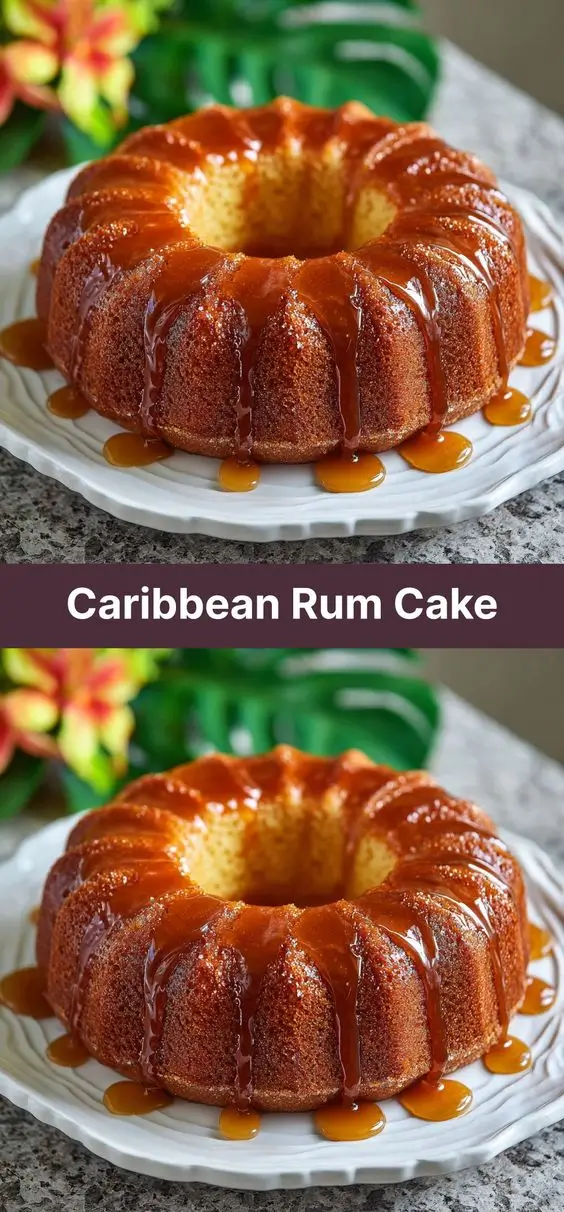
Caribbean Rum Cake: A Luscious Tropical Delight
The History of Caribbean Rum Cake
The origins of Caribbean Rum Cake can be traced back to the colonial era when sugarcane plantations flourished across the islands. As a byproduct of sugar production, molasses was abundant, and from molasses came rum—often referred to as “liquid gold” in the Caribbean. Early islanders discovered that soaking cakes in rum not only preserved them but also enhanced their flavor, leading to the creation of what we now know as Black Cake or Rum Cake.
This cake evolved from British plum pudding traditions brought over during colonization, adapted with local ingredients such as tropical fruits, spices, and aged rum. Over generations, each island developed its own variation—from Jamaica’s dark, fruit-laden version to Trinidad’s spiced and moist rendition. Traditionally served during Christmas, weddings, and other celebrations, Caribbean Rum Cake has become a symbol of festivity, heritage, and indulgence.
In modern times, this dessert continues to hold cultural significance throughout the region and among the diaspora. It is often made weeks or even months in advance, allowing the flavors to deepen as the fruits macerate in rum. The process itself is an act of love and patience, passed down through families, with secret family recipes guarded like treasure.
Ingredients Breakdown
The magic of Caribbean Rum Cake lies in its rich blend of dried fruits, potent spirits, warm spices, and careful layering of flavors. Let’s break down each component:
- Dried Fruits: Typically includes raisins, currants, prunes, cherries, and sometimes apricots or figs. These are soaked for days (or even months) in dark rum to plump up and absorb deep, boozy notes.
- Rum: Dark, aged rum is essential—preferably from a Caribbean distillery such as Appleton Estate (Jamaica), Mount Gay (Barbados), or Angostura (Trinidad). It adds warmth, complexity, and helps preserve the cake.
- Butter: Unsalted butter provides richness and a velvety texture. High-fat European-style butter enhances mouthfeel even more.
- Sugar: Brown sugar or muscovado sugar is preferred for its molasses content, which complements the rum and deepens the overall flavor profile.
- Eggs: Large eggs act as a binder and contribute to the dense, moist crumb typical of rum cake.
- Flour: All-purpose flour gives structure. Some bakers sift it multiple times for a lighter texture, though traditional versions lean toward denseness.
- Baking Powder & Baking Soda: Used sparingly to provide slight lift without compromising the cake’s dense nature.
- Spices: A fragrant mix including ground nutmeg, cinnamon, allspice (pimento), cloves, and sometimes cardamom or vanilla bean paste. Freshly grated nutmeg makes a noticeable difference.
- Almond Extract or Bitter Almond: A few drops add a distinctive aromatic note common in many Caribbean desserts.
- Chocolate or Cocoa Powder (optional): In some regional variations, a small amount of unsweetened cocoa or melted dark chocolate is added for depth and color.
- Orange Zest and Juice: Fresh citrus brightens the heavy flavors and balances sweetness.
- Strong Coffee or Tea (optional): Occasionally used to moisten the fruit mixture or replace part of the liquid for added complexity.
Step-by-Step Recipe
Makes one 9-inch round cake (serves 12–16)
Preparation Time:
45 minutes active | Soaking time: 2 weeks recommended (minimum 3 days)
Ingredients:
- 2 cups mixed dried fruit (raisins, currants, prunes, cherries)
- 1 cup dark rum (plus extra for brushing)
- 1 cup unsalted butter, softened
- 1 cup brown sugar (muscovado preferred)
- 6 large eggs, room temperature
- 2 cups all-purpose flour, sifted
- 1 tsp baking powder
- ½ tsp baking soda
- 1 tsp ground cinnamon
- 1 tsp ground nutmeg (freshly grated if possible)
- ½ tsp ground allspice
- ¼ tsp ground cloves
- 1 tsp almond extract
- 1 tbsp orange zest
- 2 tbsp fresh orange juice
- Optional: 1 tbsp unsweetened cocoa powder
- Pinch of salt
Directions:
- Soak the Fruits: At least 3 days (ideally 2 weeks) before baking, combine dried fruits and 1 cup of dark rum in a glass jar. Seal tightly and store in a cool, dark place. Shake daily. Add more rum if fruits absorb it all.
- Prepare the Pan: Grease a 9-inch round cake pan thoroughly. Line the bottom with parchment paper and grease again. Wrap the outside with aluminum foil to prevent leaks during long baking.
- Cream Butter and Sugar: In a large bowl, beat butter and brown sugar together until light and fluffy (about 5 minutes with a stand mixer).
- Add Eggs: Beat in eggs one at a time, ensuring each is fully incorporated before adding the next. Scrape down the sides frequently.
- Mix Dry Ingredients: In a separate bowl, whisk together flour, baking powder, baking soda, spices, cocoa (if using), and salt.
- Combine Wet and Dry: Gradually fold dry ingredients into the butter mixture on low speed. Do not overmix.
- Add Flavorings: Stir in almond extract, orange zest, and orange juice. Mix just until combined.
- Incorporate Soaked Fruits: Drain the rum-soaked fruits, reserving the rum. Fold the fruits into the batter until evenly distributed.
- Pour into Pan: Transfer batter into the prepared pan and smooth the top.
- Bake: Preheat oven to 325°F (160°C). Place pan in oven and bake for 1.5 to 2 hours, or until a skewer inserted comes out clean. If the top browns too quickly, cover loosely with foil.
- Brush with Rum: As soon as the cake comes out of the oven, brush the top generously with reserved rum (or additional rum). Let cool completely in the pan.
- Aging (Optional but Recommended): Once cooled, wrap the cake in parchment, then foil, and store in an airtight container. “Feed” it with 1–2 tablespoons of rum every few days for up to a month to enhance flavor.
Tips for the Perfect Caribbean Rum Cake
- Patience with Soaking: The longer the fruits soak, the better. Two weeks is ideal; three months is legendary.
- Use Quality Rum: Since rum defines the flavor, avoid cheap or overly sweet rums. Choose full-bodied, aged varieties.
- Room Temperature Ingredients: Cold eggs or butter can cause curdling. Allow everything to come to room temp before mixing.
- Don’t Overmix: Overmixing develops gluten, leading to a tough cake. Fold gently once dry ingredients are added.
- Low and Slow Baking: Bake at a lower temperature to ensure even cooking without burning the exterior.
- Double-Pan Method: For extra moisture control, place the cake pan inside a larger pan with hot water (water bath) to prevent drying.
- Storage: Store in an airtight container in a cool, dark place. Refrigeration is unnecessary and may dry it out unless you live in a very humid climate.
- Feeding the Cake: Regularly brushing with rum keeps it moist and intensifies flavor over time—perfect for making ahead of holidays.
Variations and Customizations
While the classic Caribbean Rum Cake remains beloved, numerous regional and personal twists exist:
- Jamaican Black Cake: Often darker due to burnt sugar (simple syrup caramelized until dark amber) added to the batter. Also uses wine along with rum.
- Trinidadian Style: May include cherry brandy or port wine, with a higher ratio of fruit to batter. Often baked in multiple layers.
- Gluten-Free Version: Substitute all-purpose flour with a gluten-free blend containing xanthan gum. Ensure other ingredients are certified GF.
- Vegetarian/Vegan Adaptation: Replace eggs with flax eggs (6 tbsp ground flax + 18 tbsp water), use vegan butter, and ensure sugar is non-animal bone char processed. Note: texture will be denser.
- Less Alcohol Option: Reduce rum and replace with strong tea, grape juice, or apple cider. However, authenticity and preservation qualities will decrease.
- Fruit Variations: Add pineapple, mango, or guava for a tropical twist. Candied ginger brings a spicy kick.
- Nut Inclusion: Chopped walnuts, pecans, or blanched almonds can be folded in for crunch.
- Mini Rum Cakes: Bake in muffin tins for individual servings—perfect for gifts or parties.
- Liqueur Blends: Combine rum with amaretto, Kahlúa, or Grand Marnier for complex flavor layers.
- Chocolate Rum Cake: Increase cocoa to ¼ cup and add melted dark chocolate to the batter for a decadent twist.
Health Considerations and Nutritional Value
While undeniably delicious, Caribbean Rum Cake is a high-calorie, rich dessert best enjoyed in moderation. Here’s a nutritional overview per average slice (1/12 of cake):
| Nutrient | Amount (Approximate) |
|---|---|
| Calories | 380–450 |
| Total Fat | 18–22g |
| Saturated Fat | 10–12g |
| Cholesterol | 120mg |
| Sodium | 150mg |
| Total Carbohydrates | 50–55g |
| Dietary Fiber | 2g |
| Sugars | 35–40g |
| Protein | 5g |
| Alcohol | Varies (up to 2–3% ABV depending on feeding) |
Considerations:
- Alcohol Content: Despite baking, significant alcohol remains—especially if fed regularly. Not suitable for children, pregnant individuals, or those avoiding alcohol.
- Sugar Levels: High in sugars from both fruit and added sweeteners. Diabetics should consume sparingly or explore sugar substitutes (results may vary).
- Allergens: Contains eggs, dairy (butter), gluten (flour), and tree nuts (if almond extract or nuts are used).
- Portion Control: Dense and rich—small slices are satisfying. Serve with whipped cream, ice cream, or fresh berries to stretch servings.
- Energy Dense: Excellent as an occasional treat but not recommended for daily consumption due to saturated fat and calorie density.
FAQ (Frequently Asked Questions)
Q: How long does Caribbean Rum Cake last?
A: When stored properly in an airtight container and fed with rum periodically, it can last up to 6 months at room temperature. Refrigerated, it lasts even longer (up to a year), though texture may change slightly.
Q: Can I freeze Caribbean Rum Cake?
A: Yes! Wrap tightly in plastic and foil, then freeze for up to 12 months. Thaw overnight at room temperature and refresh with a splash of rum before serving.
Q: Why is my cake too dry?
A: Possible causes include overbaking, insufficient fruit soaking, not feeding after baking, or using too much flour. Always measure flour correctly (spoon and level, don’t scoop).
Q: Can I make this cake without alcohol?
A: Yes, but it won’t taste authentic. Use grape juice, pomegranate juice, or strong brewed tea with vanilla and spices to mimic depth. Expect a shorter shelf life.
Q: What type of rum should I use?
A: Opt for aged, dark Caribbean rum—Appleton Reserve, El Dorado 5-Year, or Gosling’s Black Seal work well. Avoid white or spiced rums unless specified in a variation.
Q: Can I bake this in a bundt pan?
A: Yes, but monitor baking time closely. The center may take longer to cook. Use a thermometer—internal temperature should reach 200–205°F.
Q: Should I refrigerate the cake?
A: Not necessary unless your kitchen is very warm or humid. Long-term storage beyond a month benefits from refrigeration, but bring to room temperature before serving.
Q: Is Caribbean Rum Cake the same as Black Forest Cake?
A: No. Black Forest is German, made with cherries, kirsch, and whipped cream. Caribbean Rum Cake is fruit-soaked, rum-infused, and spiced—entirely different in origin and flavor.
Summary
Caribbean Rum Cake is a sumptuous, tradition-rich dessert steeped in history, flavor, and celebration—featuring rum-soaked fruits, warm spices, and a moist, dense crumb perfect for festive occasions.
Baked with care and aged to perfection, this iconic cake embodies the spirit of the islands, offering a luxurious taste of the Caribbean in every bite.