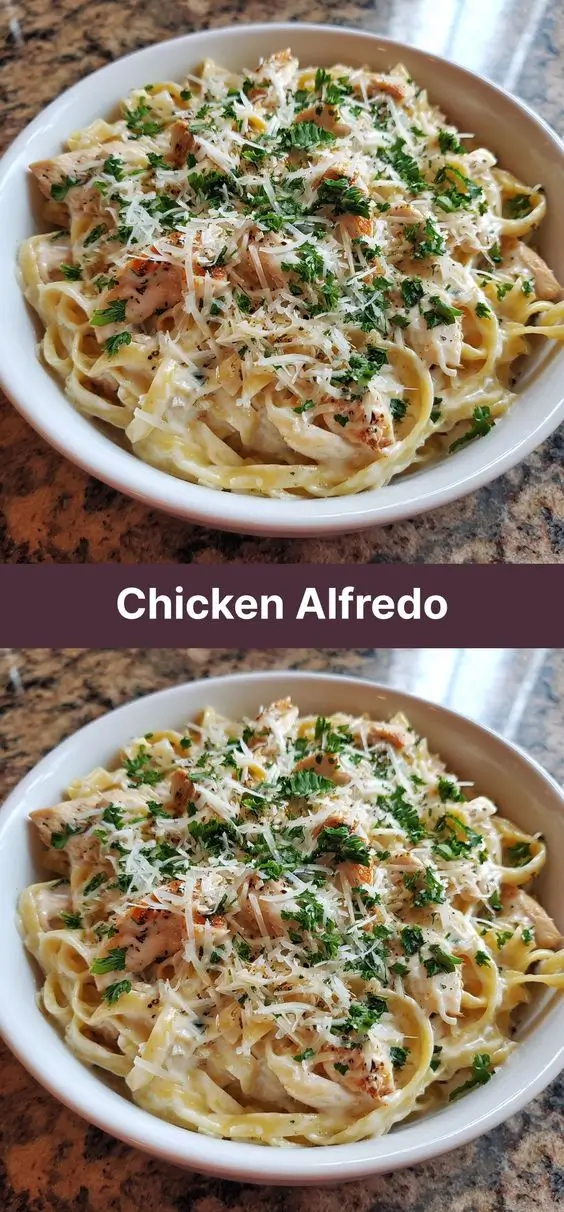
Chicken Alfredo: A Creamy, Comforting Classic
The History of Chicken Alfredo
While the world knows and loves Chicken Alfredo as a rich, creamy pasta dish loaded with tender chicken and Parmesan cheese, its origins are far more humble. The original “Fettuccine Alfredo” was created in Rome, Italy, in the early 20th century by Alfredo di Lelio, a restaurant owner seeking to entice his wife’s appetite during her pregnancy. He tossed fresh fettuccine with copious amounts of butter and Parmigiano-Reggiano, creating a simple yet decadent sauce that clung perfectly to the noodles. The dish became a sensation, especially among American tourists visiting Italy during the 1920s and 1930s.
However, traditional Italian cuisine rarely includes cream in Alfredo sauce—something many purists still emphasize today. The creamy texture Americans associate with Alfredo comes from emulsifying butter and cheese with starchy pasta water, not heavy cream. Over time, as the recipe crossed the Atlantic, it evolved. American home cooks and restaurants began adding heavy cream, garlic, herbs, and eventually grilled or sautéed chicken, transforming it into the hearty Chicken Alfredo we now enjoy globally. Today, Chicken Alfredo is a staple on Italian-American menus and a favorite comfort meal in homes across North America and beyond.
Ingredients Breakdown: What Makes Chicken Alfredo So Irresistible?
The magic of Chicken Alfredo lies in its balance of richness, simplicity, and flavor. Each ingredient plays a crucial role in building the luxurious texture and savory depth characteristic of this beloved dish.
- Fettuccine Pasta: Flat, thick ribbons of egg-based fettuccine hold up well against the dense sauce. Their surface area allows the sauce to cling beautifully, ensuring every bite is flavorful.
- Chicken Breast: Boneless, skinless chicken breasts are most commonly used for their lean texture and mild flavor, which absorbs seasonings well. Some prefer chicken thighs for added juiciness and depth.
- Heavy Cream: This is the base of the modern Alfredo sauce, providing a velvety mouthfeel and helping dissolve cheese evenly without breaking.
- Butter: Unsalted butter adds richness and helps create a smooth emulsion. In traditional versions, butter is the primary fat; here, it complements the cream.
- Garlic: Freshly minced garlic adds aromatic complexity, balancing the richness with a subtle sharpness.
- Grated Parmesan Cheese: Authentic Parmigiano-Reggiano is ideal for its nutty, salty depth. Pre-grated versions often contain anti-caking agents, so freshly grated melts better and tastes superior.
- Salt and Black Pepper: Essential for seasoning each component—underseasoned Alfredo can taste flat and bland.
- Nutmeg (optional): A pinch enhances warmth and rounds out flavors without being overtly noticeable.
- Olive Oil: Used for cooking the chicken and preventing sticking, adding a fruity undertone.
- Fresh Parsley (optional garnish): Adds color and a hint of freshness to cut through the richness.
Step-by-Step Recipe: How to Make the Ultimate Chicken Alfredo at Home
Creating a restaurant-quality Chicken Alfredo at home is easier than you think—with attention to detail, you can achieve a silky sauce and perfectly cooked chicken every time.
- Cook the Fettuccine: Bring a large pot of salted water to a boil (use about 1 tablespoon of salt per 4 quarts of water). Add 12 ounces of fettuccine and cook according to package instructions until al dente—usually 8–10 minutes. Reserve 1 cup of pasta water before draining. Do not rinse the pasta, as the starch helps the sauce adhere.
- Prepare the Chicken: While the pasta cooks, season 2 boneless, skinless chicken breasts (about 1.5 lbs) with salt, pepper, and a pinch of garlic powder. Heat 2 tablespoons of olive oil in a large skillet over medium-high heat. Sear the chicken for 6–7 minutes per side, or until golden brown and internal temperature reaches 165°F. Transfer to a cutting board and let rest for 5 minutes before slicing into thin strips.
- Make the Alfredo Sauce: In the same skillet (to retain flavor), reduce heat to medium. Melt ½ cup (1 stick) of unsalted butter. Add 4 cloves of minced garlic and sauté for 30–60 seconds until fragrant but not browned. Pour in 1 ½ cups of heavy cream, stirring gently. Simmer for 3–4 minutes to slightly thicken, but do not boil vigorously.
- Incorporate the Cheese: Gradually whisk in 1 ½ cups of freshly grated Parmesan cheese, a handful at a time, allowing each addition to melt fully before adding more. Stir constantly to prevent clumping. If the sauce seems too thick, add reserved pasta water ¼ cup at a time until desired consistency is reached. Season with salt, pepper, and a pinch of nutmeg if desired.
- Combine Pasta and Sauce: Add the drained fettuccine to the skillet and toss gently with tongs until evenly coated. The pasta should glisten and be well-sauced. If needed, add more pasta water to loosen the sauce.
- Add the Chicken: Fold in the sliced chicken, allowing it to warm through for 1–2 minutes. Avoid overcooking.
- Serve Immediately: Plate the Chicken Alfredo hot, garnished with extra Parmesan, chopped parsley, and a crack of black pepper. Serve with garlic bread and a crisp green salad for a complete meal.
Tips for the Perfect Chicken Alfredo Every Time
- Use Freshly Grated Cheese: Pre-shredded cheeses contain cellulose, which can make the sauce grainy or oily. Always grate your own Parmesan for a smooth, glossy finish.
- Don’t Overcook the Garlic: Burnt garlic turns bitter. Sauté only until fragrant—no more than a minute.
- Reserve Pasta Water: The starchy liquid is gold—it helps bind the sauce and adjust consistency without diluting flavor.
- Cook Chicken Evenly: Pound thicker chicken breasts to an even thickness for uniform cooking and juiciness.
- Simmer, Don’t Boil: High heat can cause the cream to separate. Keep the sauce at a gentle simmer.
- Taste as You Go: Adjust seasoning gradually. The Parmesan is salty, so taste before adding extra salt.
- Finish in the Pan: Combine everything in the skillet rather than serving separately—this ensures maximum flavor integration.
- Serve Immediately: Alfredo thickens quickly as it cools. If reheating leftovers, add a splash of milk or cream to revive the texture.
Variations and Customizations
Chicken Alfredo is incredibly versatile. Once you master the classic version, feel free to experiment with flavors and ingredients to suit dietary needs or personal taste.
- Vegetable-Packed Alfredo: Add steamed broccoli, sautéed mushrooms, spinach, sun-dried tomatoes, or roasted bell peppers for color, texture, and nutrition.
- Seafood Alfredo: Substitute chicken with grilled shrimp, scallops, or flaked salmon for a luxurious twist.
- Bacon or Pancetta: Crispy bacon adds smoky saltiness that pairs wonderfully with the creamy sauce.
- Different Pastas: Try penne, linguine, or pappardelle. Gluten-free fettuccine works well too—just adjust cooking times.
- Dairy-Free or Vegan Alfredo: Use cashew cream, coconut milk, or store-bought plant-based cream with nutritional yeast and vegan Parmesan for a dairy-free version.
- Lightened-Up Alfredo: Replace half the cream with whole milk or evaporated milk, and use less butter. Some opt for Greek yogurt stirred in off-heat to preserve probiotics.
- Herb-Infused Alfredo: Stir in fresh basil, thyme, or chives for brightness.
- Spicy Kick: Add red pepper flakes or a dash of cayenne to the sauce for heat.
- Wine-Enhanced Sauce: Deglaze the pan with a splash of dry white wine after cooking the garlic for added depth.
Health Considerations and Nutritional Value
While undeniably delicious, Chicken Alfredo is a high-calorie, high-fat dish due to its cream, butter, and cheese content. However, it also offers valuable nutrients when enjoyed in moderation.
Nutritional Highlights (per serving, approx. 1/4 of recipe):
- Calories: ~750–900 kcal (varies by ingredients and portion size)
- Protein: 35–40g (from chicken and cheese—excellent for muscle repair)
- Fat: 40–50g (mostly saturated from dairy; consider moderation for heart health)
- Carbohydrates: 50–60g (primarily from pasta)
- Calcium: ~30% DV (from Parmesan and dairy)
- Vitamin A, B12, and Phosphorus: Present in moderate amounts
Health Tips:
- Portion Control: Serve with a large side salad to increase volume without excessive calories.
- Balanced Diet: Enjoy as an occasional treat rather than a weekly staple.
- Sodium Awareness: Parmesan and butter are high in sodium. Use low-sodium alternatives if needed.
- Heart-Healthy Swaps: Use grass-fed butter, organic cream, and lean chicken to improve fat profile.
- Activity Pairing: Balance with physical activity to manage energy intake.
Full Ingredient List
- 12 oz (340g) fettuccine pasta
- 2 boneless, skinless chicken breasts (approx. 1.5 lbs / 680g)
- 2 tbsp olive oil
- Salt and freshly ground black pepper (to taste)
- ½ tsp garlic powder (optional, for chicken)
- ½ cup (1 stick / 113g) unsalted butter
- 4 cloves garlic, minced
- 1 ½ cups (360ml) heavy cream
- 1 ½ cups (150g) freshly grated Parmesan cheese (preferably Parmigiano-Reggiano)
- Pinch of ground nutmeg (optional)
- 1 tbsp fresh parsley, chopped (for garnish)
- 1 tbsp salt (for pasta water)
- Reserved pasta water (up to 1 cup)
Directions Recap
- Boil salted water and cook fettuccine until al dente. Reserve 1 cup pasta water, then drain.
- Season chicken with salt, pepper, and garlic powder. Heat olive oil in a skillet and cook chicken 6–7 minutes per side. Rest, then slice.
- In same skillet, melt butter over medium heat. Sauté garlic 30–60 seconds.
- Pour in heavy cream and simmer 3–4 minutes.
- Gradually whisk in Parmesan until smooth. Add nutmeg, salt, and pepper to taste.
- Adjust consistency with reserved pasta water as needed.
- Add cooked fettuccine to sauce and toss to coat.
- Fold in sliced chicken and heat through.
- Garnish with parsley and extra Parmesan. Serve immediately.
Frequently Asked Questions (FAQ)
Can I make Chicken Alfredo ahead of time?
Yes, but it’s best served fresh. Reheated Alfredo can thicken and separate. To reheat, place in a skillet over low heat with a splash of milk or cream, stirring gently until warmed through.
Why is my Alfredo sauce grainy?
This usually happens when the cheese overheats or when pre-shredded cheese with anti-caking agents is used. Always use freshly grated cheese and remove from heat before adding if the sauce is very hot.
Can I freeze Chicken Alfredo?
Freezing is not recommended due to the dairy content—cream and cheese may separate upon thawing, resulting in a watery, curdled texture. It’s best consumed within 3 days when refrigerated.
Is Chicken Alfredo authentic Italian food?
Not exactly. While inspired by Alfredo di Lelio’s original Roman dish, Chicken Alfredo with cream is an Americanized creation. Traditional Italian “Alfredo” uses only butter and cheese without cream or chicken.
How can I make this gluten-free?
Use high-quality gluten-free fettuccine and ensure all other ingredients (like broth or seasonings) are certified gluten-free. Cook according to package instructions.
Can I use milk instead of heavy cream?
You can, but the sauce will be much thinner and less rich. For better results, use half-and-half or evaporated milk. Avoid boiling to prevent curdling.
What sides go well with Chicken Alfredo?
Garlic bread, Caesar salad, roasted vegetables, steamed asparagus, or a light caprese salad complement the richness of the dish.
Can I use leftover chicken?
Absolutely! Shred or slice leftover grilled or rotisserie chicken and warm it in the sauce at the end. This is a great way to repurpose leftovers quickly.
Summary
Chicken Alfredo is a rich, creamy Italian-American classic combining tender fettuccine, grilled chicken, and a luxurious Parmesan-butter-cream sauce. Easy to customize and perfect for cozy dinners, it remains a timeless favorite for pasta lovers everywhere.