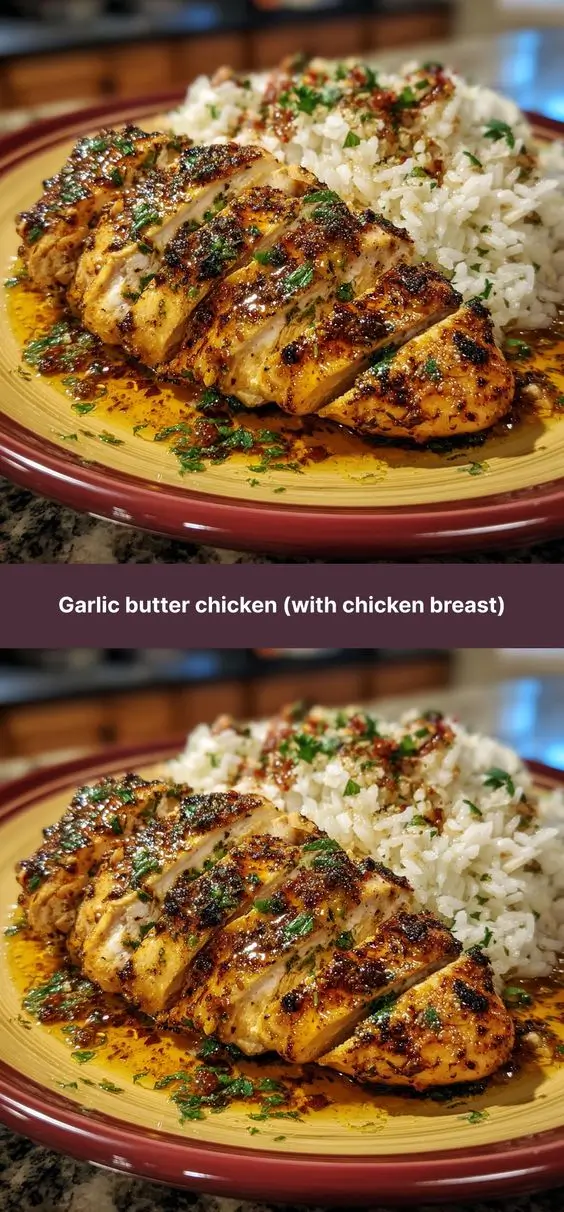
Garlic Butter Chicken (with Chicken Breast): A Flavorful, Juicy Delight
The History of Garlic Butter Chicken
Garlic butter chicken is a modern culinary delight that draws inspiration from classic European and American cooking traditions. While there is no single documented origin for this dish, its roots can be traced back to French and Italian cuisines, where garlic, butter, and fresh herbs have long been used to elevate simple proteins like chicken. In France, dishes such as poulet au beurre (chicken in butter) showcase the luxurious pairing of poultry with rich, creamy butter sauces infused with garlic. Similarly, in Italy, pollo al burro e aglio highlights the bold flavor of garlic sautéed in butter, often served with rustic bread or pasta.
The popularity of garlic butter chicken surged in the United States during the mid-20th century, particularly with the rise of home cooking shows and recipe books that emphasized comfort food with restaurant-quality flavors. The dish became a staple in American households due to its simplicity, affordability, and delicious taste. Using boneless, skinless chicken breasts made it a leaner option, appealing to health-conscious families while still delivering indulgent flavor.
Today, garlic butter chicken is celebrated globally, appearing on restaurant menus, food blogs, and family dinner tables alike. Its versatility allows for countless adaptations—served over rice, mashed potatoes, pasta, or alongside roasted vegetables—making it a timeless favorite across cultures. As culinary trends continue to embrace bold yet approachable flavors, garlic butter chicken remains a shining example of how humble ingredients can create something truly extraordinary.
Ingredients Breakdown
Creating the perfect garlic butter chicken starts with high-quality, fresh ingredients. Each component plays a crucial role in building layers of flavor, texture, and aroma. Here’s an in-depth look at what goes into this mouthwatering dish:
- Chicken Breasts (Boneless, Skinless): The star of the dish. Chicken breast is lean, tender, and absorbs flavors beautifully when cooked properly. Opt for evenly sized breasts to ensure consistent cooking. If one is thicker than another, you can pound it gently between two sheets of plastic wrap to achieve uniform thickness.
- Unsalted Butter: Provides richness and a velvety mouthfeel. Using unsalted butter gives you better control over the salt content. For enhanced flavor, consider using European-style cultured butter with a higher fat content.
- Fresh Garlic: The heart of the dish. Freshly minced garlic delivers a pungent, aromatic punch that dried garlic simply can’t match. About 4–6 cloves are ideal for a robust garlicky flavor without overpowering the chicken.
- Olive Oil: Used in combination with butter to prevent burning. Olive oil has a higher smoke point than butter alone, making it perfect for searing the chicken before finishing it in the garlic butter sauce.
- Fresh Parsley: Adds brightness and color. Flat-leaf parsley is preferred for its more vibrant flavor. Chop it finely just before adding to preserve its freshness.
- Lemon Juice: A splash of acidity balances the richness of the butter and enhances the overall flavor profile. Freshly squeezed lemon juice is always best—avoid bottled varieties for optimal taste.
- Salt and Black Pepper: Essential seasonings. Use kosher salt for even distribution and a clean taste. Freshly cracked black pepper adds a subtle heat and complexity.
- Onion Powder (optional): Deepens the savory notes without adding bulk. It blends seamlessly into the sauce and complements the garlic beautifully.
- Red Pepper Flakes (optional): For those who enjoy a touch of heat, a pinch of red pepper flakes introduces a gentle warmth that lingers on the palate.
- Heavy Cream or Chicken Broth (optional): Used to deglaze the pan and create a richer, silkier sauce. Cream adds decadence, while broth keeps the dish lighter while still flavorful.
Step-by-Step Recipe
- Prepare the Chicken: Start by patting 2 large boneless, skinless chicken breasts dry with paper towels. Moisture is the enemy of browning, so drying the surface ensures a beautiful golden crust. Season both sides generously with salt, black pepper, and a light sprinkle of onion powder if using.
- Sear the Chicken: Heat 1 tablespoon of olive oil in a large skillet (preferably stainless steel or cast iron) over medium-high heat. Once the oil shimmers, add the chicken breasts. Cook for 5–7 minutes per side, depending on thickness, until deeply golden brown and cooked through (internal temperature should reach 165°F / 74°C). Transfer the chicken to a plate and tent loosely with foil to rest.
- Make the Garlic Butter Sauce: Reduce the heat to medium-low. To the same skillet, add 4 tablespoons (½ stick) of unsalted butter. Let it melt slowly, then stir in 5–6 cloves of freshly minced garlic. Sauté for about 1 minute, stirring constantly to prevent burning. The garlic should become fragrant but not brown.
- Enhance the Sauce: If desired, pour in ¼ cup of chicken broth or heavy cream to deglaze the pan, scraping up any browned bits (fond) from the bottom of the skillet—this adds incredible depth of flavor. Let the sauce simmer gently for 2–3 minutes until slightly reduced.
- Add Finishing Touches: Stir in 1 tablespoon of freshly squeezed lemon juice and a handful of chopped fresh parsley. Taste and adjust seasoning as needed—more salt, pepper, or a pinch of red pepper flakes for heat.
- Finish Cooking the Chicken: Return the chicken breasts to the skillet, nestling them into the sauce. Spoon the garlic butter mixture over the top and let them simmer gently for 2–3 minutes to reheat and absorb the flavors.
- Serve Immediately: Plate the chicken and drizzle generously with the remaining garlic butter sauce. Garnish with extra parsley and lemon slices for presentation.
Tips for Perfect Garlic Butter Chicken
- Don’t Skip the Sear: Achieving a golden-brown crust on the chicken locks in moisture and builds complex flavor through the Maillard reaction. Make sure your pan is hot enough before adding the meat.
- Avoid Overcooking: Chicken breast dries out quickly. Use a meat thermometer to check doneness—remove from heat at 160°F (71°C), as carryover cooking will bring it to 165°F.
- Use Fresh Garlic: Pre-minced garlic from a jar lacks the bright, sharp flavor of fresh cloves. Mince it yourself for the best results.
- Baste While Cooking: After returning the chicken to the sauce, spoon the hot butter continuously over the top. This infuses the meat with flavor and keeps it juicy.
- Rest Before Serving: Letting the chicken rest for a few minutes after cooking allows juices to redistribute, resulting in a more tender bite.
- Customize the Pan Sauce: Add capers for a briny twist, sun-dried tomatoes for sweetness, or white wine for acidity and elegance.
- Double the Sauce: You’ll want extra for dipping! Serve with crusty bread, rice, or mashed potatoes to soak up every last drop.
Variations and Customizations
Garlic butter chicken is wonderfully adaptable. Whether you’re catering to dietary preferences, looking to use pantry staples, or simply want to experiment with new flavors, here are some creative variations:
- Creamy Garlic Butter Chicken: Stir in ½ cup of heavy cream or half-and-half along with Parmesan cheese to create a luscious Alfredo-style sauce. Ideal for serving over fettuccine.
- Herb-Infused Version: Add fresh thyme, rosemary, or sage to the butter while sautéing the garlic. These woody herbs pair exceptionally well with chicken and add an earthy dimension.
- Spicy Garlic Butter Chicken: Increase the heat with extra red pepper flakes, a dash of hot sauce, or sliced jalapeños sautéed with the garlic.
- Wine-Enriched Sauce: Deglaze the pan with ¼ cup of dry white wine (like Sauvignon Blanc or Pinot Grigio) before adding the butter. Let it reduce by half for a sophisticated, aromatic sauce.
- Dairy-Free Option: Replace butter with ghee or a high-quality olive oil. Coconut oil can also work, though it imparts a slight sweetness.
- Low-Carb/Keto-Friendly: Serve over cauliflower mash, zucchini noodles, or a bed of sautéed spinach. Skip the flour or starch and rely on reduction for sauce thickness.
- Gluten-Free Friendly: This recipe is naturally gluten-free as written. Just ensure all added ingredients (like broth) are certified GF if needed.
- One-Pan Meal Addition: Toss in baby potatoes, asparagus, mushrooms, or cherry tomatoes during the last 10 minutes of cooking for a complete dish.
- Grilled Version: Marinate chicken breasts in melted butter, minced garlic, lemon juice, and herbs, then grill for a smoky twist.
- Sheet Pan Roasted: Place seasoned chicken breasts on a sheet pan with halved garlic cloves, lemon slices, and butter pats. Roast at 375°F (190°C) for 20–25 minutes, basting halfway.
Health Considerations and Nutritional Value
While garlic butter chicken is undeniably rich and satisfying, it can still be part of a balanced diet when prepared thoughtfully. Here’s a breakdown of its nutritional aspects:
Nutritional Profile (per serving, based on one 6 oz chicken breast with standard sauce):
- Calories: ~380–420 kcal
- Protein: ~45g – Excellent source of lean protein, essential for muscle repair and satiety.
- Fat: ~20–25g – Mostly from butter; includes saturated fat. Using less butter or substituting part with olive oil can reduce saturated fat content.
- Carbohydrates: ~2–4g – Very low carb, making it suitable for keto and low-carb diets.
- Sodium: ~400–600mg – Depends on added salt and broth. Can be reduced by using low-sodium broth and minimizing added salt.
Health Benefits:
- Garlic: Known for its immune-boosting properties, anti-inflammatory effects, and potential cardiovascular benefits due to allicin, a sulfur-containing compound.
- Chicken Breast: A lean protein source that supports weight management, metabolism, and tissue health.
- Vitamin B6 and Niacin: Found abundantly in chicken, these vitamins support energy production and brain function.
Considerations:
- Saturated Fat: High butter content increases saturated fat intake. Those with heart conditions may opt for reduced butter or plant-based alternatives.
- Cholesterol: Moderate cholesterol content (~120mg per serving). While dietary cholesterol has less impact on blood levels than once believed, moderation is key for sensitive individuals.
- Balancing the Meal: Pair with fiber-rich sides like steamed broccoli, quinoa, or a green salad to improve nutrient balance and digestion.
Ingredients
- 2 boneless, skinless chicken breasts (about 6 oz each)
- Salt, to taste (about 1 tsp)
- Freshly ground black pepper, to taste
- 1 tablespoon olive oil
- 4 tablespoons (½ stick) unsalted butter
- 5–6 cloves fresh garlic, finely minced
- ¼ cup chicken broth or heavy cream (optional)
- 1 tablespoon fresh lemon juice
- 2 tablespoons fresh parsley, finely chopped
- ½ teaspoon onion powder (optional)
- Pinch of red pepper flakes (optional)
Directions
- Pound chicken breasts to an even ¾-inch thickness if necessary. Pat dry with paper towels.
- Season both sides with salt, pepper, and onion powder.
- Heat olive oil in a large skillet over medium-high heat.
- Add chicken and cook for 5–7 minutes per side until golden and internal temperature reaches 165°F. Transfer to a plate and cover.
- Reduce heat to medium-low. Melt butter in the same skillet.
- Add minced garlic and sauté for 1 minute until fragrant (do not burn).
- If using, pour in broth or cream and scrape up browned bits. Simmer 2–3 minutes.
- Stir in lemon juice and parsley. Adjust seasoning.
- Return chicken to skillet, spoon sauce over, and simmer 2–3 minutes.
- Serve immediately with extra sauce drizzled on top.
FAQ
Q: Can I use frozen chicken breasts?
A: Yes, but thaw them completely in the refrigerator first for even cooking and food safety. Cooking from frozen may result in uneven texture and increased risk of undercooking or overcooking.
Q: How do I store leftovers?
A: Store in an airtight container in the refrigerator for up to 3–4 days. Reheat gently in a skillet or microwave, adding a splash of broth to refresh the sauce.
Q: Can I freeze garlic butter chicken?
A: Yes. Freeze cooled chicken and sauce in a freezer-safe container for up to 2–3 months. Thaw overnight in the fridge before reheating.
Q: Why did my garlic burn?
A: Garlic burns easily at high temperatures. Always cook it over medium-low heat and stir constantly. Burnt garlic turns bitter and ruins the sauce.
Q: Can I make this dairy-free?
A: Absolutely. Use ghee (clarified butter), vegan butter, or olive oil instead of regular butter. The flavor will vary slightly but remain delicious.
Q: What sides go well with garlic butter chicken?
A: Excellent pairings include garlic mashed potatoes, wild rice, quinoa, roasted vegetables, Caesar salad, or angel hair pasta.
Q: Can I use chicken thighs instead?
A: Yes. Boneless, skinless chicken thighs work well but require slightly longer cooking time due to higher fat content. They yield a juicier, more flavorful result.
Q: How can I thicken the sauce?
A: Simmer longer to reduce, or mix 1 tsp cornstarch with 1 tbsp water and stir in. Alternatively, whisk in a small amount of cold butter off-heat for a glossy finish (monter au beurre).
Summary
Garlic butter chicken made with tender chicken breasts is a quick, elegant dish that combines rich, buttery sauce with aromatic garlic and fresh herbs for a restaurant-worthy meal at home. Simple to prepare yet bursting with flavor, it’s perfect for weeknight dinners or impressing guests.