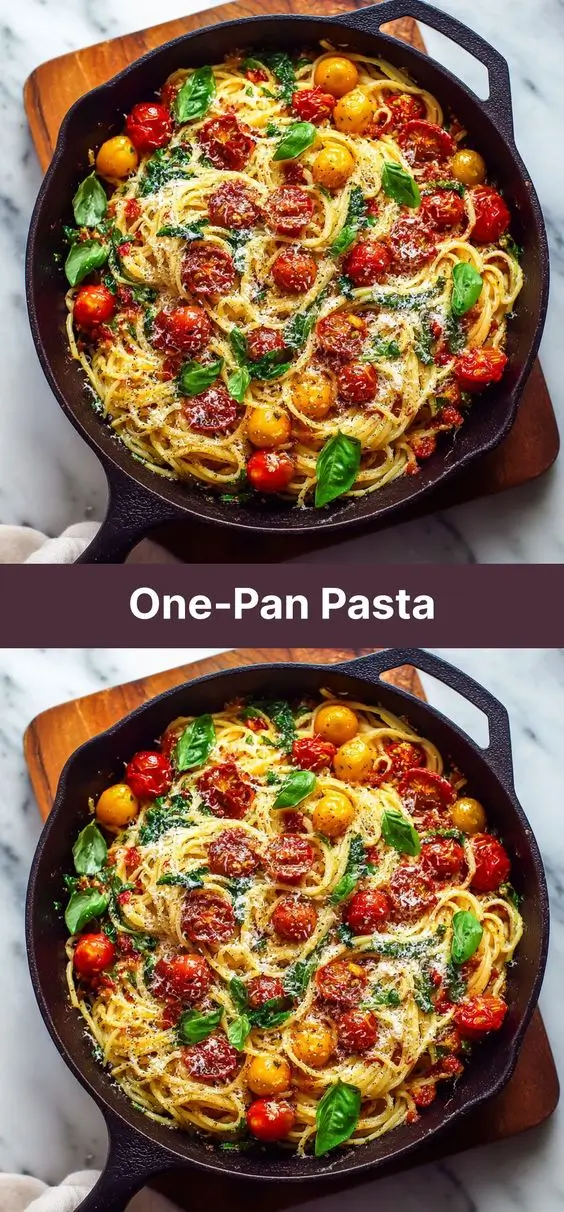
One-Pan Pasta: The Ultimate Comfort Dish Made Simple
The History of One-Pan Pasta
The concept of one-pan pasta is rooted in rustic, home-style cooking traditions across the Mediterranean—particularly in Italy and Southern Europe—where simplicity, efficiency, and flavor are highly prized. While traditional Italian pasta dishes often involve multiple steps—boiling water separately, draining, then combining with sauce—the one-pan method evolved from the need for quick, satisfying meals using minimal cleanup. This technique gained widespread popularity in the early 2010s through food bloggers and social media, especially after recipes like “one-pot creamy garlic Parmesan pasta” went viral.
Cooking pasta directly in its sauce or broth eliminates the need to pre-boil water and allows the starches released during simmering to naturally thicken the sauce, creating a velvety texture without added cream. Historically, similar techniques were used in dishes such as pasta risottata, where pasta is toasted like rice before being slowly cooked with liquid, absorbing flavors deeply. The modern one-pan pasta movement blends this old-world wisdom with contemporary time-saving needs, making it a staple in busy households around the world.
Today, one-pan pasta is celebrated not only for its convenience but also for its culinary ingenuity. It reflects a broader shift toward mindful cooking—using fewer resources, reducing waste, and maximizing taste—all while delivering restaurant-quality results straight from a single skillet or pot.
Ingredients Breakdown
The beauty of one-pan pasta lies in its simplicity and versatility. Each ingredient plays a crucial role in building layers of flavor, texture, and nutrition. Below is a detailed breakdown of common components found in most one-pan pasta recipes:
- Pasta: Short shapes like penne, fusilli, rigatoni, or farfalle work best because they hold sauce well and cook evenly in a shallow layer of liquid. Whole wheat or legume-based pastas can be substituted for added fiber and protein.
- Liquid Base: A combination of broth (chicken, vegetable, or beef) and water or wine creates the cooking medium. Broth adds depth, while wine introduces acidity and complexity. The amount must be carefully measured to ensure the pasta absorbs everything by the end.
- Aromatics: Onion, garlic, shallots, and sometimes leeks form the flavor foundation. Sautéed gently at the beginning, they infuse the entire dish with savory notes.
- Fats: Olive oil or butter enhances mouthfeel and helps bloom fat-soluble flavor compounds in herbs and spices. Butter also contributes richness, especially in creamy variations.
- Protein (Optional): Chicken, sausage, pancetta, shrimp, or plant-based alternatives like tofu or chickpeas boost satiety and transform the dish into a complete meal.
- Veggies: Bell peppers, zucchini, mushrooms, spinach, cherry tomatoes, and peas add color, nutrients, and freshness. They’re typically added at different stages depending on cooking time.
- Seasonings: Salt, black pepper, red pepper flakes, dried or fresh herbs (like oregano, thyme, basil), and umami-rich ingredients such as soy sauce or tomato paste deepen the overall flavor profile.
- Dairy/Creaminess (Optional): Heavy cream, cream cheese, mascarpone, or grated Parmesan stirred in at the end lend a luxurious texture. For dairy-free versions, coconut milk or cashew cream can be used.
- Finishing Touches: Fresh parsley, lemon zest, extra virgin olive oil drizzle, or a splash of balsamic vinegar brighten the final dish and elevate it from everyday to extraordinary.
Step-by-Step Recipe
Follow this comprehensive guide to make a rich, flavorful one-pan pasta that’s both foolproof and impressive:
- Gather Your Ingredients: Measure out all ingredients before starting. Since the cooking process is continuous, you won’t have time to chop midway.
- Heat the Pan: Place a large, deep skillet or sauté pan over medium heat. Add 2 tablespoons of olive oil or butter to coat the bottom.
- Sauté Aromatics: Add finely chopped onion and cook for 3–4 minutes until translucent. Stir in minced garlic and cook for another 30 seconds until fragrant—be careful not to burn it.
- Brown Protein (if using): Push aromatics to the side and add diced chicken, sausage, or pancetta. Cook until browned and cooked through, breaking it apart as needed. Drain excess fat if necessary.
- Add Vegetables: Toss in harder vegetables like bell peppers, mushrooms, or carrots. Sauté for 4–5 minutes until slightly softened. Reserve delicate greens like spinach or peas for later.
- Toast the Pasta: Add uncooked pasta to the pan and stir for 1–2 minutes. This step enhances nuttiness and helps the pasta absorb flavors better.
- Pour in Liquids: Add 2 cups of broth (or a mix of broth and white wine), ensuring the liquid covers the pasta by about half an inch. Season with salt, pepper, red pepper flakes, and herbs.
<8>Simmer Covered: Bring to a gentle boil, then reduce heat to low. Cover and simmer for 10–15 minutes, stirring occasionally to prevent sticking. Check frequently—if the pan looks dry before the pasta is tender, add more broth or water.
<9>Test for Doneness: After 12 minutes, test the pasta. It should be al dente. If still firm, continue cooking with small additions of liquid.
<10>Incorporate Dairy and Greens: Once pasta is cooked and liquid is mostly absorbed, remove from heat. Stir in cream, Parmesan, spinach, or frozen peas. Let residual heat wilt the greens and melt the cheese.
<11>Rest and Thicken: Let the pasta sit uncovered for 2–3 minutes. The starch will continue to thicken the sauce into a glossy coating.
<12>Taste and Adjust: Season with additional salt, pepper, lemon juice, or herbs as needed.
<13>Serve Immediately: Spoon into warm bowls and garnish generously.
Tips for Perfect One-Pan Pasta Every Time
- Use the Right Pan: Choose a heavy-bottomed skillet with high sides (like a Dutch oven or deep sauté pan) to distribute heat evenly and prevent splattering or burning.
- Don’t Skip Toasting the Pasta: Briefly toasting the dry pasta in oil enhances flavor and prevents mushiness during cooking.
- Control the Heat: Keep the temperature at medium-low once simmering begins. Too high, and the bottom may burn before the pasta cooks through.
- Stir Regularly: Stirring every few minutes ensures even cooking and prevents sticking, especially important since there’s no separate draining step.
- Measure Liquid Accurately: As a rule of thumb, use about 2¼ to 2½ cups of liquid per cup of pasta. Different shapes absorb differently—adjust accordingly.
- Reserve Extra Broth: Have a little extra warmed broth on hand in case the mixture dries out too quickly.
- Add Delicate Ingredients Last: Tender greens, fresh herbs, seafood, or dairy should go in off the heat to preserve texture and brightness.
- Let It Rest: Allowing the pasta to rest for a few minutes after cooking lets the sauce settle and cling perfectly to each strand or tube.
- Boost Umami: A teaspoon of tomato paste, Worcestershire sauce, or miso paste can dramatically enhance savory depth without overpowering.
- Garnish Generously: A final sprinkle of cheese, cracked pepper, fresh herbs, or toasted breadcrumbs adds visual appeal and textural contrast.
Variations and Customizations
One-pan pasta is infinitely adaptable. Here are some popular twists to suit different tastes and dietary preferences:
Creamy Garlic Parmesan Chicken Pasta
Add boneless chicken breasts cut into cubes, sauté until golden. Use chicken broth, heavy cream, garlic, and plenty of grated Parmesan. Finish with parsley and a squeeze of lemon.
Vegetarian Mushroom & Spinach Pasta
Sauté cremini and shiitake mushrooms until caramelized. Add thyme, garlic, vegetable broth, and short pasta. Stir in baby spinach and a touch of cream or nutritional yeast at the end.
Spicy Arrabbiata-Style Tomato Pasta
Use crushed tomatoes, red pepper flakes, garlic, and oregano. Simmer with pasta in tomato-broth blend for a bold, tangy dish. Top with fresh basil and vegan cheese.
Seafood One-Pan Linguine
Use fish stock and white wine. Add shrimp, scallops, and clams in stages—clams last so they open properly. Finish with lemon zest, parsley, and a dash of Pernod or fennel seed.
Pesto One-Pan Pasta
After cooking, stir in homemade or store-bought pesto. Add roasted cherry tomatoes and grilled chicken or white beans for heartiness.
Dairy-Free Coconut Curry Pasta
Swap broth for coconut milk, add curry powder, turmeric, ginger, and veggies like bell peppers and broccoli. Use chickpea pasta for extra protein.
Mediterranean Orzo Skillet
Cook orzo with vegetable broth, sun-dried tomatoes, Kalamata olives, artichoke hearts, and spinach. Finish with lemon juice and fresh dill.
Breakfast Pasta (Carbonara-Inspired)
Use pancetta or bacon, eggs (tempered off heat), black pepper, and Parmesan. No cream—just silky egg sauce coating the pasta. Serve with toast for brunch.
Health Considerations and Nutritional Value
While one-pan pasta is comforting and satisfying, mindful ingredient choices can make it part of a balanced diet:
- Carbohydrates: Traditional pasta provides energy but can spike blood sugar. Opt for whole grain, legume-based, or ancient grain pastas (like farro or kamut) for higher fiber and slower digestion.
- Fats: Olive oil offers heart-healthy monounsaturated fats. Limit heavy cream and full-fat cheese if monitoring saturated fat intake. Avocado or nuts can add healthy fats in vegan versions.
- Protein: Adding lean meats, seafood, lentils, or tofu increases protein content, promoting fullness and muscle maintenance.
- Sodium: Store-bought broths and canned goods can be high in sodium. Choose low-sodium options or make your own broth. Rinsing canned beans also reduces salt.
- Vitamins & Minerals: Loaded with vegetables, one-pan pasta can deliver vitamins A, C, K, folate, potassium, and antioxidants. Dark leafy greens like kale or spinach boost iron and calcium.
- Portion Control: Serve with a side salad or steamed veggie to balance the plate. Stick to 1–1.5 cups of cooked pasta per serving.
- Digestive Benefits: Fiber-rich pasta and vegetables support gut health and regularity. Fermented toppings like kimchi or sauerkraut can add probiotics.
- Allergies & Intolerances: Gluten-free pasta works well (though may require closer monitoring due to faster breakdown). For dairy allergies, use plant-based cheeses or omit entirely.
A typical serving (1.5 cups) of one-pan pasta with chicken, vegetables, and light cream ranges from 350–500 calories, depending on ingredients. With smart substitutions, it can easily fit into keto (zoodles instead of pasta), vegan, low-FODMAP, or diabetic-friendly diets.
Ingredients
- 12 oz (340g) short pasta (penne, rigatoni, or fusilli)
- 2 tbsp olive oil or butter
- 1 medium onion, finely chopped
- 4 cloves garlic, minced
- 1 lb (450g) boneless chicken breast, cubed (optional)
- 1 bell pepper, sliced
- 8 oz (225g) mushrooms, sliced
- 2 cups low-sodium chicken or vegetable broth
- ½ cup dry white wine (optional; substitute with broth)
- 1 cup heavy cream or coconut milk (for dairy-free)
- 1 cup fresh spinach or kale
- ½ cup grated Parmesan cheese (or nutritional yeast)
- 1 tsp dried oregano
- ½ tsp red pepper flakes (adjust to taste)
- Salt and freshly ground black pepper to taste
- 2 tbsp fresh parsley, chopped (for garnish)
- 1 lemon, zested and juiced (optional)
Directions
- Heat olive oil in a large, deep skillet over medium heat. Add onion and sauté for 3–4 minutes until soft and translucent.
- Add garlic and stir for 30 seconds until fragrant.
- If using chicken, add it now and cook until no longer pink, about 5–6 minutes. Remove and set aside if browning too quickly.
- Add bell pepper and mushrooms, cooking for 5 minutes until softened and lightly browned.
- Return chicken to the pan (if removed). Add uncooked pasta and stir to coat with oil and vegetables. Toast for 1–2 minutes.
- Pour in broth and white wine. Stir in oregano, red pepper flakes, salt, and pepper. Bring to a simmer.
- Cover, reduce heat to low, and cook for 12–15 minutes, stirring occasionally. Check at 10 minutes—add more broth if drying out.
- When pasta is tender and liquid is nearly absorbed, remove from heat.
- Stir in cream, spinach, and Parmesan. Mix until spinach wilts and sauce becomes creamy.
- Let rest for 2–3 minutes. The sauce will thicken further.
- Taste and adjust seasoning. Add lemon juice and zest for brightness if desired.
- Serve hot, garnished with fresh parsley and extra cheese.
FAQ
Can I use any type of pasta?
Yes, but short, sturdy shapes work best. Long pasta like spaghetti may not cook evenly unless broken up. Avoid very thin pastas like angel hair—they turn mushy.
Why did my pasta come out mushy?
Overcooking or too much liquid. Use precise measurements and check early. Remember, pasta continues to absorb liquid off the heat.
Can I make it ahead of time?
Best served fresh. Reheated one-pan pasta thickens significantly—thin with broth or water when warming.
Is it safe to cook raw meat with pasta?
Yes, as long as the internal temperature of the meat reaches safe levels (e.g., 165°F/74°C for chicken) by the end of cooking.
Can I freeze one-pan pasta?
Yes, though dairy-based sauces may separate. Freeze without cream or cheese, and add fresh when reheating.
How do I prevent sticking?
Stir regularly, use enough liquid, and avoid high heat. A nonstick or well-seasoned pan helps.
Can I make it vegetarian or vegan?
Absolutely! Omit meat, use vegetable broth, and replace dairy with plant-based alternatives.
What if my pan runs dry too soon?
Add more warm broth or water, ¼ cup at a time, to finish cooking without burning.
Summary
One-pan pasta is a game-changing method that combines flavor, convenience, and minimal cleanup into one delicious dish. From creamy garlic Parmesan to spicy arrabbiata or hearty vegetable-packed versions, it’s endlessly customizable and perfect for weeknight dinners.