Baked Mac and Cheese: The Ultimate Comfort Food Guide
The History of Baked Mac and Cheese
Baked mac and cheese is a beloved dish that traces its roots back centuries, with origins that span continents and culinary traditions. While the concept of combining pasta with cheese can be found in 13th-century Italian cookbooks, such as the Liber de Coquina, which mentions a dish called “de lasanis” involving layers of pasta and grated cheese, the modern version of baked macaroni and cheese as we know it today evolved primarily in the United States.
Thomas Jefferson played a pivotal role in popularizing mac and cheese in America. After encountering a version of the dish during his time in France and Italy, he brought the recipe back to the United States and even served it at a state dinner in 1802. He had a pasta machine imported from Europe and instructed his enslaved chef, James Hemings, to learn French cooking techniques in Paris—where macaroni preparation was likely part of the training. Hemings later prepared mac and cheese for Jefferson’s guests, making this one of the earliest recorded instances of the dish being served in America.
By the late 19th and early 20th centuries, baked mac and cheese became more accessible with the advent of processed cheese and dried pasta. Companies like Kraft Foods revolutionized home cooking in 1937 by introducing boxed mac and cheese, which provided an affordable, quick meal during the Great Depression. Over time, families began baking their stovetop versions into casseroles, layering them with breadcrumbs and butter for a golden crust—thus cementing the baked version as a staple of American comfort cuisine.
Today, baked mac and cheese is a centerpiece at family dinners, holiday gatherings, and potlucks across North America. It has also inspired gourmet interpretations in fine dining restaurants, where chefs experiment with artisanal cheeses, truffle oil, lobster, and smoked meats. Despite its evolution, the soul of the dish remains unchanged—a creamy, cheesy, satisfying embrace in every bite.
Ingredients Breakdown
The magic of baked mac and cheese lies not just in its rich flavor but in the careful balance of ingredients that create its signature texture and depth. Let’s break down each component and explore why it matters:
- Elbow Macaroni (or Pasta of Choice): The classic choice is elbow macaroni due to its ability to hold sauce in its curves. However, other short pastas like cavatappi, shells, or penne work well too. The key is using a sturdy pasta that won’t overcook when baked.
- Butter: Unsalted butter adds richness and helps form the roux—the base of the cheese sauce. Using unsalted allows you to control the salt level precisely.
- All-Purpose Flour: This thickens the milk into a smooth béchamel sauce. It’s essential for creating a creamy, non-runny texture that coats the pasta evenly.
- Milk: Whole milk is preferred for its fat content, which contributes to creaminess. Some recipes use a mix of milk and heavy cream for extra indulgence.
- Mustard (Dijon or Yellow): A small amount enhances the cheese flavor without making the dish taste like mustard. It cuts through the richness and adds complexity.
- Worcestershire Sauce: This umami-rich condiment deepens the savory notes and complements the cheese beautifully.
- Garlic Powder and Onion Powder: These provide subtle aromatic depth without the texture of fresh alliums, ensuring a smooth sauce.
- Salt and Black Pepper: Essential seasonings that balance and elevate all other flavors.
- Nutmeg (optional): Just a pinch adds warmth and sophistication, a classic touch in traditional French béchamel.
- Sharp Cheddar Cheese: The star of the show. Sharp cheddar offers tangy, bold flavor and melts smoothly. Aged varieties bring more complexity.
- Additional Cheeses (Gruyère, Mozzarella, Fontina, Parmesan): Blending cheeses creates a more nuanced flavor profile. Gruyère adds nuttiness, mozzarella gives stretch, Fontina ensures meltability, and Parmesan brings saltiness and depth.
- Panko Breadcrumbs: For topping. Panko browns evenly and stays crispier than regular breadcrumbs.
- Extra Butter (for topping): Mixed with breadcrumbs to create a golden, crunchy crust.
- Fresh Herbs (optional): Parsley, chives, or thyme can be sprinkled on top after baking for freshness and color.
Step-by-Step Recipe
Follow this detailed guide to make a decadent, foolproof baked mac and cheese that’s creamy inside and crispy on top.
- Preheat the Oven: Set your oven to 375°F (190°C). Grease a 9×13-inch baking dish with butter or non-stick spray.
- Cook the Pasta: Bring a large pot of salted water to a boil. Add 1 pound (450g) of elbow macaroni and cook until al dente—about 1 minute less than package instructions. Drain and set aside. Do not rinse, as the starch helps the sauce adhere.
- Make the Roux: In the same pot (or a new one), melt ½ cup (1 stick / 113g) of unsalted butter over medium heat. Once melted and slightly foamy, sprinkle in ½ cup (60g) all-purpose flour. Whisk constantly for 2–3 minutes until the mixture turns pale golden and smells nutty. This cooks out the raw flour taste.
- Create the Béchamel: Gradually pour in 3 cups (720ml) of whole milk, whisking continuously to prevent lumps. Continue cooking and stirring until the mixture thickens enough to coat the back of a spoon—about 5–7 minutes.
- Add Seasonings: Stir in 1 teaspoon Dijon mustard, 1 teaspoon Worcestershire sauce, ½ teaspoon garlic powder, ½ teaspoon onion powder, ¼ teaspoon ground nutmeg (optional), 1 teaspoon salt, and ½ teaspoon black pepper. Mix well.
- Incorporate the Cheese: Reduce heat to low. Gradually add 4 cups (about 16 ounces / 450g) shredded cheese, a handful at a time, stirring until fully melted before adding more. Use a blend such as 2 cups sharp cheddar, 1 cup Gruyère, and 1 cup mozzarella for optimal flavor and texture. Reserve ½ cup for topping if desired.
- Combine Pasta and Sauce: Add the cooked pasta to the cheese sauce. Gently fold until every piece is evenly coated. Taste and adjust seasoning if needed.
- Transfer to Baking Dish: Pour the mixture into the greased baking dish, spreading it out evenly.
- Prepare the Topping: In a small bowl, mix 1 cup panko breadcrumbs with 2 tablespoons melted butter and ¼ cup grated Parmesan (optional). Sprinkle this mixture over the mac and cheese. Top with reserved shredded cheese if desired.
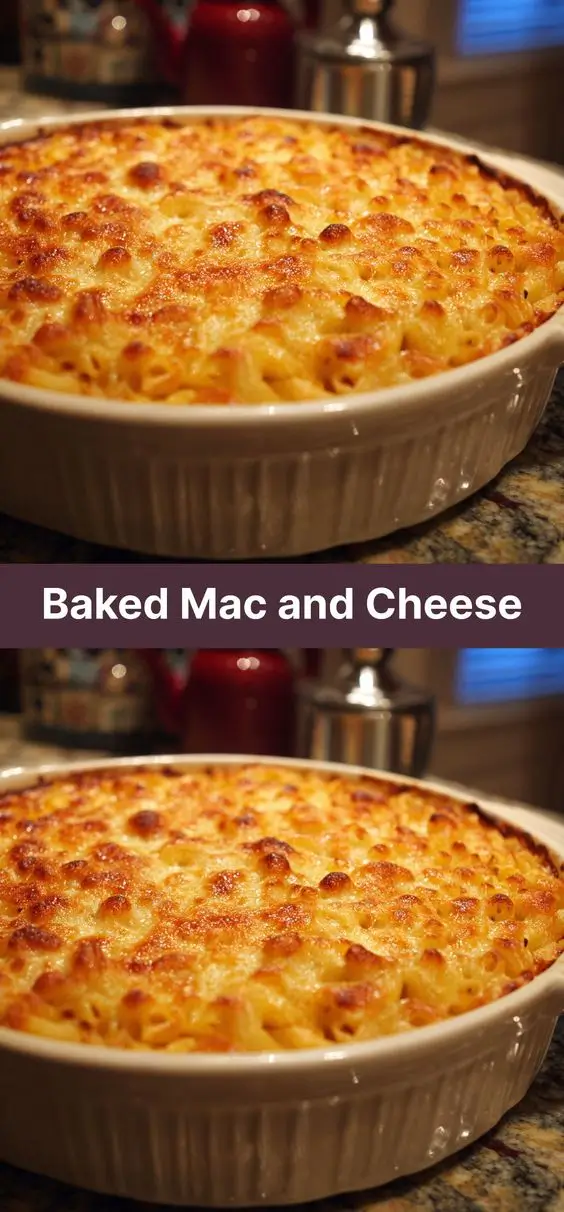
- Bake: Place in the preheated oven and bake for 25–30 minutes, or until the top is golden brown and the edges are bubbling.
- Cool Slightly: Let the casserole rest for 5–10 minutes before serving. This allows the sauce to set slightly for cleaner servings.
- Garnish and Serve: Sprinkle with chopped fresh parsley or chives for color and freshness.
Tips for the Perfect Baked Mac and Cheese
- Shred Your Own Cheese: Pre-shredded cheese contains anti-caking agents (like cellulose) that can make the sauce grainy. Shredding blocks of cheese yourself ensures a smoother melt.
- Avoid Overcooking the Pasta: Since the macaroni bakes further in the oven, undercooking it slightly on the stove prevents mushiness.
- Use Room Temperature Milk: Cold milk can cause the roux to seize or cool too quickly. Warm it slightly before adding for a smoother sauce.
- Whisk Constantly When Adding Milk: This prevents lumps from forming in the béchamel. If lumps do appear, strain the sauce through a fine mesh sieve.
- Don’t Rush the Roux: Cooking the flour-butter mixture for a full 2–3 minutes removes the raw flour taste and improves texture.
- Layer the Cheese: Add most of the cheese to the sauce, but reserve some to sprinkle on top before baking for extra cheesiness.
- Let It Rest Before Serving: Allowing the dish to sit for 10 minutes helps the sauce reabsorb and firm up slightly, making it easier to scoop.
- Browning Tip: If the top isn’t browning enough, place the dish under the broiler for 1–2 minutes at the end—but watch closely to avoid burning.
- Moisture Control: If the dish seems dry after baking, stir in a splash of warm milk before serving.
Variations and Customizations
Baked mac and cheese is incredibly versatile. Here are some creative twists to suit different tastes and occasions:
- Buffalo Chicken Mac and Cheese: Fold in shredded rotisserie chicken tossed in buffalo sauce. Top with blue cheese crumbles.
- Lobster Mac and Cheese: Add chunks of cooked lobster meat and finish with a touch of lemon zest and tarragon.
- Truffle Mac and Cheese: Drizzle with truffle oil or mix in truffle paste. Top with shaved Parmesan and chives.
- Vegetarian Garden Mac: Stir in sautéed mushrooms, spinach, roasted broccoli, or caramelized onions.
- Bacon & Jalapeño Mac: Add crispy bacon bits and diced pickled jalapeños for smoky heat.
- BBQ Pulled Pork Mac: Layer in tender pulled pork and a hint of BBQ sauce for a Southern twist.
- Gluten-Free Version: Use gluten-free pasta and swap flour for cornstarch or a GF flour blend. Ensure cheese and seasonings are GF-certified.
- Dairy-Free/Vegan Option: Use plant-based butter, almond or oat milk, and vegan cheese alternatives. Nutritional yeast adds a cheesy flavor.
- Stovetop-Style Bake: For a creamier result, reduce baking time to 15 minutes just to brown the top—this keeps the interior ultra-creamy.
- Individual Ramekins: Portion into oven-safe ramekins for elegant presentation at dinner parties.
- Breakfast Mac and Cheese: Add scrambled eggs, diced ham, and cheddar, then bake. Serve with hot sauce.
Health Considerations and Nutritional Value
While baked mac and cheese is undeniably delicious, it’s also rich in calories, saturated fat, and sodium. Understanding its nutritional profile can help you enjoy it mindfully.
Nutritional Breakdown (per serving, approx. 1/6 of recipe):
- Calories: ~450–550 kcal
- Total Fat: 25–35g (Saturated Fat: 15–20g)
- Carbohydrates: 40–45g
- Protein: 18–22g
- Sodium: 700–1000mg (depending on cheese and added salt)
- Calcium: ~30% of Daily Value (DV)
- Vitamin A: ~20% DV
Health Tips:
- Reduce Fat: Use reduced-fat cheese, lower-fat milk (2%), and less butter. Note: this may affect creaminess.
- Boost Protein: Add lean proteins like grilled chicken, turkey, or white beans.
- Add Veggies: Incorporate pureed cauliflower, butternut squash, or lentils into the sauce to increase fiber and nutrients.
- Control Portions: Serve smaller portions alongside a green salad or steamed vegetables.
- Choose Whole Grain Pasta: Increases fiber content and provides sustained energy.
- Limit Sodium: Use low-sodium cheese and broth instead of salt where possible.
- Omega-3 Enrichment: Serve with a side of salmon or sprinkle with flaxseed for heart-healthy fats.
Remember: moderation is key. Enjoying baked mac and cheese occasionally as part of a balanced diet is perfectly fine—and sometimes, comfort food is exactly what the soul needs.
Ingredients
- 1 pound (450g) elbow macaroni
- ½ cup (1 stick / 113g) unsalted butter
- ½ cup (60g) all-purpose flour
- 3 cups (720ml) whole milk, warmed
- 1 teaspoon Dijon mustard
- 1 teaspoon Worcestershire sauce
- ½ teaspoon garlic powder
- ½ teaspoon onion powder
- ¼ teaspoon ground nutmeg (optional)
- 1 teaspoon salt (adjust to taste)
- ½ teaspoon black pepper
- 4 cups (16 oz / 450g) shredded cheese blend (sharp cheddar, Gruyère, mozzarella)
- 1 cup panko breadcrumbs
- 2 tablespoons melted butter (for topping)
- ¼ cup grated Parmesan (optional, for topping)
- Fresh parsley or chives, chopped (for garnish)
Directions
- Preheat oven to 375°F (190°C). Grease a 9×13-inch baking dish.
- Boil salted water and cook macaroni until al dente. Drain and set aside.
- In a large pot, melt ½ cup butter over medium heat. Whisk in flour and cook for 2–3 minutes to form a roux.
- Gradually whisk in warm milk until smooth and thickened.
- Stir in mustard, Worcestershire, garlic powder, onion powder, nutmeg, salt, and pepper.
- Reduce heat to low. Gradually add shredded cheese, stirring until melted and smooth.
- Add cooked pasta and mix until fully coated.
- Transfer to baking dish and spread evenly.
- In a bowl, combine panko, 2 tbsp melted butter, and Parmesan. Sprinkle over pasta.
- Bake for 25–30 minutes until golden and bubbly.
- Rest for 5–10 minutes. Garnish with herbs and serve warm.
FAQ
Can I make baked mac and cheese ahead of time?
Yes! Assemble the dish (without baking), cover, and refrigerate for up to 24 hours. Add 5–10 minutes to the baking time if going straight from fridge to oven.
Can I freeze baked mac and cheese?
Absolutely. Cool completely, wrap tightly, and freeze for up to 3 months. Thaw in the fridge overnight and reheat at 350°F (175°C) until warmed through (30–40 minutes).
Why is my mac and cheese grainy?
This usually happens when cheese is overheated or when pre-shredded cheese with additives is used. Always melt cheese on low heat and use freshly shredded blocks.
How do I reheat leftovers?
Place in an oven-safe dish, add a splash of milk, cover with foil, and warm at 325°F (160°C) for 15–20 minutes. Microwaving works but may make it rubbery.
Can I use evaporated milk?
Yes. Evaporated milk adds richness and helps maintain creaminess during baking. Replace 1 cup of regular milk with evaporated milk for a silkier texture.
What pasta works best?
Short, tubular pastas like elbows, cavatappi, shells, or rigatoni hold sauce well. Avoid long pastas like spaghetti.
Can I make it without a roux?
Yes, but the texture will differ. Some recipes use cream cheese, sour cream, or canned soup as a shortcut, though they lack the elegance of a proper béchamel.
Summary
Baked mac and cheese is a timeless comfort dish that combines al dente pasta with a velvety cheese sauce, topped with a buttery breadcrumb crust and baked to golden perfection. With endless variations and a rich history rooted in both European tradition and American innovation, it remains a favorite for gatherings, weeknight meals, and everything in between.