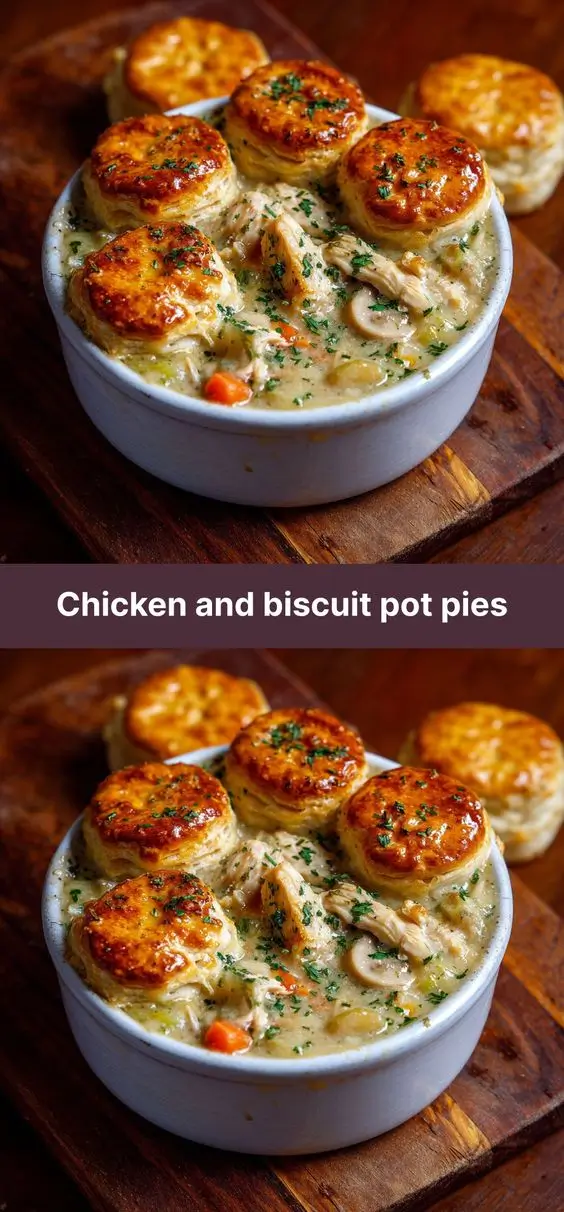
Chicken and Biscuit Pot Pies: A Comforting Classic Reimagined
The History of Chicken and Biscuit Pot Pies
The story of the chicken and biscuit pot pie is deeply rooted in culinary traditions that stretch back centuries. While modern-day versions are most associated with American Southern cooking, the origins of the dish can be traced to medieval Europe, where early forms of “pot pies” were created by placing meat and vegetables into a large, sturdy pastry crust known as a “coffin.” This thick, inedible crust served primarily as a cooking vessel, sealing in moisture and flavor during long baking times.
By the 17th century, recipes evolved to include more palatable pastry, and the concept of enclosing savory fillings in flaky dough became widespread across England and France. When British settlers arrived in North America, they brought these pie-making customs with them. In colonial kitchens, where ovens were not always available, cooking over open hearths led to adaptations such as using cast iron Dutch ovens or simply layering stewed meats and vegetables under hand-formed biscuits instead of traditional pie crusts.
In the Southern United States, this method transformed into what we now recognize as the chicken and biscuit pot pie. Southern home cooks, often relying on simple, accessible ingredients like leftover roasted chicken, garden vegetables, buttermilk, and flour, perfected the balance between rich, creamy filling and fluffy, golden-brown biscuits baked right on top. The dish became a staple at Sunday dinners, family gatherings, and holiday meals—symbolizing warmth, generosity, and comfort.
Throughout the 20th century, convenience versions emerged through canned soups and pre-made doughs, popularized by brands like Campbell’s Cream of Chicken Soup, which simplified the recipe for busy households. Yet, today’s resurgence of interest in from-scratch cooking has revived the authentic, slow-cooked version—emphasizing homemade stock, fresh herbs, and flaky, buttery biscuits made without shortcuts.
Now, chicken and biscuit pot pie stands as a beloved emblem of rustic American cuisine—a hearty, soul-soothing meal that bridges generations and celebrates the art of home cooking.
Ingredients Breakdown: What Goes Into a Perfect Chicken and Biscuit Pot Pie?
Creating an exceptional chicken and biscuit pot pie begins with understanding each ingredient’s role in building layers of flavor, texture, and aroma. Below is a detailed breakdown of all components used in both the filling and the biscuit topping.
Filling Ingredients:
- Chicken (cooked and shredded): Traditionally, rotisserie or poached chicken is used for its tender texture and deep flavor. Bone-in thighs add richness, while breasts provide lean protein. Using a mix ensures balanced taste and juiciness.
- Butter: High-fat unsalted butter forms the base of the roux, adding silkiness and enhancing mouthfeel. It also contributes to browning vegetables and developing complex flavors.
- Onion (yellow or white): Finely diced onions bring natural sweetness when sautéed, forming the aromatic foundation of the filling.
- Carrots: Peeled and diced into small cubes, carrots add color, subtle sweetness, and essential nutrients. They hold their shape well during simmering.
- Celery: A classic component of mirepoix, celery adds earthy depth and a slight bitterness that balances the overall profile.
- Garlic (freshly minced): Adds pungency and complexity; best added toward the end of sautéing to prevent burning.
- All-purpose flour: Used to create a roux with butter, it thickens the sauce and gives the filling a luscious, velvety consistency.
- Chicken broth (low-sodium preferred): Provides liquid structure and amplifies savory umami notes. Homemade broth yields superior flavor compared to store-bought.
- Heavy cream or whole milk: Adds richness and creaminess. Heavy cream results in a decadent finish, while milk keeps it lighter.
- Half-and-half (optional): A middle-ground option offering smooth texture without excessive fat.
- Dried thyme and rosemary: Earthy, woodsy herbs that complement poultry beautifully. Fresh herbs may be substituted for brighter flavor.
- Salt and freshly ground black pepper: Essential seasoners that enhance every other ingredient.
- Peas (frozen or fresh): Added near the end, peas contribute pops of sweetness and vibrant green color.
- Bay leaf (optional): Infuses subtle herbal aroma during simmering but should be removed before assembling.
Biscuit Topping Ingredients:
- All-purpose flour: The structural base of the biscuits, providing gluten development for rise and stability.
- Baking powder: Leavening agent responsible for lift and fluffiness.
- Salt: Enhances flavor and regulates yeast activity (if present).
- Granulated sugar (small amount): Helps with browning and adds a hint of sweetness to contrast the savory filling.
- Cold unsalted butter (cut into cubes): Critical for flakiness—when baked, the melting butter creates steam pockets that result in tender layers.
- Grated frozen butter (alternative technique): Some bakers grate frozen butter directly into flour for even distribution and maximum lift.
- Buttermilk: The star liquid—its acidity reacts with baking soda/powder to increase rise and imparts tangy flavor. May be substituted with milk + lemon juice/vinegar if needed.
- Egg (optional in some recipes): Adds richness, improves browning, and strengthens structure slightly.
- Melted butter (for brushing): Applied after baking for a glossy, golden finish and extra richness.
Step-by-Step Recipe: How to Make Chicken and Biscuit Pot Pies from Scratch
This comprehensive guide walks you through crafting a restaurant-quality chicken and biscuit pot pie entirely from scratch—including making the biscuit dough, preparing a creamy filling, and assembling for optimal texture and presentation.
Part 1: Prepare the Filling
- Sauté the Aromatics: In a large, heavy-bottomed pot or Dutch oven, melt 4 tablespoons of unsalted butter over medium heat. Add 1 cup finely diced yellow onion, ¾ cup diced carrots, and ½ cup diced celery. Cook, stirring occasionally, until softened—about 8–10 minutes. Do not brown; aim for translucence and tenderness.
- Add Garlic: Stir in 2 cloves of minced garlic and cook for 30 seconds until fragrant. Be careful not to burn.
- Create the Roux: Sprinkle ⅓ cup all-purpose flour evenly over the vegetables. Stir constantly for 2–3 minutes to cook out the raw flour taste and form a pale blond roux.
- Gradually Add Liquids: Slowly pour in 2 cups low-sodium chicken broth while whisking continuously to avoid lumps. Once incorporated, add ¾ cup heavy cream (or half-and-half) and stir until smooth.
- Season and Simmer: Add 1 teaspoon dried thyme, ½ teaspoon dried rosemary (crushed), 1 bay leaf (optional), 1 teaspoon salt, and ½ teaspoon black pepper. Bring to a gentle simmer and cook for 5–7 minutes, allowing the sauce to thicken to a gravy-like consistency.
- Incorporate Chicken and Peas: Stir in 3 cups of cooked, shredded chicken and 1 cup frozen peas (no need to thaw). Heat through for 3–4 minutes. Remove from heat and discard the bay leaf. Taste and adjust seasoning as needed. Set aside while preparing biscuits.
Part 2: Make the Buttermilk Biscuits
- Preheat Oven: Preheat your oven to 425°F (220°C). Line a baking sheet with parchment paper or lightly grease a casserole dish if baking directly over filling.
- Mix Dry Ingredients: In a large bowl, whisk together 2 cups all-purpose flour, 1 tablespoon baking powder, 1 teaspoon salt, and 1 tablespoon granulated sugar.
- Cut in Cold Butter: Add ½ cup (1 stick) cold unsalted butter, cut into small cubes. Use a pastry cutter, two forks, or your fingertips to work the butter into the flour until the mixture resembles coarse crumbs with pea-sized butter pieces remaining.
- Add Buttermilk: Pour in ¾ cup cold buttermilk. Gently fold with a spatula just until the dough comes together. Do not overmix—this prevents tough biscuits.
- Turn Out and Shape: Turn dough onto a lightly floured surface. Knead gently 3–4 times, then pat or roll to about ¾-inch thickness. Use a round biscuit cutter (2.5–3 inches) to cut out rounds. Press straight down—do not twist—to ensure even rising.
- Arrange Over Filling: Transfer filled mixture to a greased 9×13-inch baking dish or individual ramekins. Place biscuits snugly on top, covering the surface completely. Brush tops with melted butter or beaten egg wash (1 egg + 1 tbsp water) for shine.
Part 3: Bake to Perfection
- Bake: Place dish in preheated oven and bake for 20–25 minutes (longer for larger dishes), or until biscuits are golden brown and internal temperature reaches 200°F.
- Cool Slightly: Allow to rest for 10–15 minutes before serving. This helps the filling set and prevents scalding.
- Serve Warm: Spoon into bowls, ensuring each portion includes both creamy filling and a fluffy biscuit top.
Tips for Success: Mastering Your Chicken and Biscuit Pot Pie
- Use cold ingredients for biscuits: Keep butter and buttermilk refrigerated until use. Warm butter melts too soon, reducing flakiness.
- Don’t overwork the biscuit dough: Mix only until combined. Overworking develops gluten, leading to dense, tough biscuits.
- Thicken filling properly: If your sauce seems too thin, simmer longer. If too thick, add a splash of broth. Aim for a coating consistency—not runny, not stiff.
- Let filling cool slightly before topping: Adding hot filling directly under raw biscuits can cause premature melting of butter, affecting rise.
- Seal edges carefully: For individual pies, crimp edges if using a bottom crust (though traditional biscuit version skips this).
- Rotate pan halfway: Ensure even browning, especially if your oven has hot spots.
- Test biscuit doneness: Insert a toothpick—it should come out clean. Tops should spring back when lightly pressed.
- Freeze unbaked versions: Assemble and freeze before baking. Thaw overnight in fridge or bake frozen, adding 15–20 minutes to time.
- Enhance flavor with wine: Deglaze the pan with ¼ cup dry white wine after sautéing veggies for added depth.
- Use fresh herbs when possible: Substitute 1 tablespoon chopped fresh thyme for 1 teaspoon dried for brighter taste.
Variations and Customizations: Make It Your Own
While the classic chicken and biscuit pot pie is timeless, countless variations allow for personalization based on dietary needs, regional influences, or seasonal availability.
Flavor Twists:
- Herb-Infused: Add tarragon, sage, or parsley for unique herbal profiles. Tarragon pairs especially well with chicken.
- Spicy Kick: Stir in a pinch of cayenne, smoked paprika, or diced jalapeño for heat.
- Lemon Zest: Grate in lemon zest to brighten the creamy filling and cut richness.
- Mushroom Upgrade: Sauté cremini or shiitake mushrooms with the vegetables for deeper umami flavor.
- Creamy Dijon: Whisk 1–2 tablespoons Dijon mustard into the filling for tang and complexity.
Dietary Adaptations:
- Gluten-Free: Use gluten-free all-purpose flour blend in both filling (roux) and biscuits. Add xanthan gum if not included in the blend.
- Dairy-Free: Replace butter with vegan margarine or coconut oil, and use unsweetened almond or oat milk with olive oil instead of cream.
- Keto/Low-Carb: Substitute filling thickener with arrowroot or glucomannan; use almond flour-based keto biscuits sweetened with erythritol.
- Vegetarian/Vegan: Omit chicken and use plant-based protein (chickpeas, tofu, seitan). Replace chicken broth with vegetable stock and use vegan butter and milk alternatives.
Format Variations:
- Individual Mason Jar Pies: Layer filling and drop biscuit dough into clean jars, then bake for charming single servings.
- Skillet Version: Cook filling in an oven-safe cast iron skillet and top with biscuit dough for rustic presentation.
- Drop Biscuit Style: Instead of rolled and cut biscuits, spoon dollops of softer dough over the filling for a cottage-pie effect.
- Mini Muffin Tin Pies: Great for appetizers or parties—use small fillings and tiny biscuit tops.
- Deep-Dish Casserole: Double the filling and biscuit quantities for a crowd-pleasing centerpiece at holidays.
- High-Quality Protein: Chicken provides complete amino acids essential for muscle repair and immune function.
- Rich in B Vitamins: Especially niacin (B3) and B6, which support metabolism and nervous system health.
- Source of Iron and Selenium: Found in dark meat chicken and eggs (if used in biscuits), important for oxygen transport and antioxidant defense.
- Fiber from Vegetables: Carrots and peas contribute soluble and insoluble fiber, aiding digestion.
- High in Saturated Fat: Due to butter, cream, and sometimes skin-on chicken. Opt for skinless chicken and reduced-fat dairy to lower levels.
- Sodium Content: Can exceed daily recommendations if using canned broths or processed ingredients. Choose low-sodium options and season mindfully.
- Refined Carbohydrates: White flour dominates both filling and biscuits. Substitute part of the flour with whole wheat pastry flour or oats for added fiber.
- Replace half the cream with evaporated skim milk or Greek yogurt.
- Use olive oil instead of butter in moderation.
- Increase vegetable ratio—add green beans, corn, or spinach.
- Reduce biscuit size or serve one biscuit per two people.
- Make a “lightened” version using turkey, quinoa, and cauliflower mash topping instead of biscuits.
- 4 tablespoons unsalted butter
- 1 cup yellow onion, finely diced
- ¾ cup carrots, peeled and diced
- ½ cup celery, diced
- 2 cloves garlic, minced
- ⅓ cup all-purpose flour
- 2 cups low-sodium chicken broth
- ¾ cup heavy cream or half-and-half
- 1 teaspoon dried thyme
- ½ teaspoon dried rosemary, crushed
- 1 bay leaf (optional)
- 1 teaspoon salt
- ½ teaspoon freshly ground black pepper
- 3 cups cooked, shredded chicken (rotisserie or poached)
- 1 cup frozen peas, thawed
- 2 cups all-purpose flour
- 1 tablespoon baking powder
- 1 teaspoon salt
- 1 tablespoon granulated sugar
- ½ cup (1 stick) cold unsalted butter, cubed
- ¾ cup cold buttermilk
- 1 tablespoon melted butter (for brushing)
- In a large pot, melt butter over medium heat. Sauté onion, carrots, and celery until soft (8–10 min). Add garlic; cook 30 sec.
- Stir in flour to form a roux. Cook 2–3 min. Gradually whisk in chicken broth and cream.
- Add thyme, rosemary, bay leaf, salt, and pepper. Simmer 5–7 min until thickened.
- Stir in chicken and peas. Remove bay leaf. Set filling aside.
- Preheat oven to 425°F (220°C).
- In a bowl, combine flour, baking powder, salt, and sugar. Cut in cold butter until crumbly.
- Add buttermilk; mix until just combined. Turn onto floured surface, knead lightly, roll to ¾-inch thick.
- Cut into rounds and place over filling in baking dish.
- Brush with melted butter. Bake 20–25 min until golden. Rest 10–15 min before serving.
- Can I make chicken and biscuit pot pie ahead of time?
- Yes! Assemble the filling and store it separately in the fridge for up to 2 days. Prepare biscuit dough, wrap in plastic, and refrigerate overnight. Assemble and bake when ready.
- Can I freeze chicken pot pie with biscuit topping?
- You can, but biscuits may lose crispness upon thawing. For best results, freeze unbaked pie, then bake from frozen (add 15–20 min to baking time). Alternatively, freeze filling only and add fresh biscuits before baking.
- Why are my biscuits soggy?
- This usually happens when the filling is too wet or hot when biscuits are added. Let filling cool slightly and ensure proper thickening via roux. Also, avoid covering the dish while cooling post-bake.
- Can I use puff pastry instead of biscuits?
- Yes, though it changes the character. Puff pastry creates a flaky, layered top but lacks the soft, bread-like texture of biscuits. It browns quickly, so consider lowering oven temp slightly.
- What kind of chicken is best?
- Rotisserie chicken offers convenience and flavor. Poached or roasted bone-in chicken thighs yield juicier results than breast-only cuts.
- How do I reheat leftovers?
- Reheat in oven at 350°F (175°C) for 15–20 minutes to preserve biscuit texture. Microwave will soften biscuits significantly.
- Can I make this in a slow cooker?
- Yes—prepare filling in slow cooker with raw veggies, broth, and shredded chicken. Cook on low 4–6 hours. Thicken with slurry at the end, then top with drop biscuits and broil briefly in oven.
- Are there gluten-free biscuit options?
- Absolutely. Use a quality gluten-free flour blend with xanthan gum. Many brands offer drop biscuit mixes that work perfectly here.
Health Considerations and Nutritional Value
Chicken and biscuit pot pie is undeniably indulgent, but with mindful adjustments, it can be adapted to support various health goals.
Nutritional Overview (per serving, approx. 1/6 of recipe):
| Nutrient | Amount |
|---|---|
| Calories | 480–550 kcal |
| Total Fat | 28–35g |
| Saturated Fat | 14–18g |
| Cholesterol | 120–150mg |
| Sodium | 800–1100mg (varies widely) |
| Total Carbohydrates | 35–42g |
| Dietary Fiber | 3–5g |
| Sugars | 5–8g |
| Protein | 25–30g |
Health Benefits:
Potential Concerns:
Ways to Lighten the Dish:
Full Ingredient List
For the Filling:
For the Buttermilk Biscuits:
Directions Recap
FAQ: Frequently Asked Questions About Chicken and Biscuit Pot Pies
Summary
Chicken and biscuit pot pie is a heartwarming fusion of creamy, herb-infused chicken stew crowned with tender, golden buttermilk biscuits—baked into one harmonious dish that defines comfort food at its finest.
Whether made from scratch with love or adapted for modern lifestyles, this timeless recipe continues to nourish bodies and souls across generations, proving that the simplest ingredients can create the most unforgettable meals.