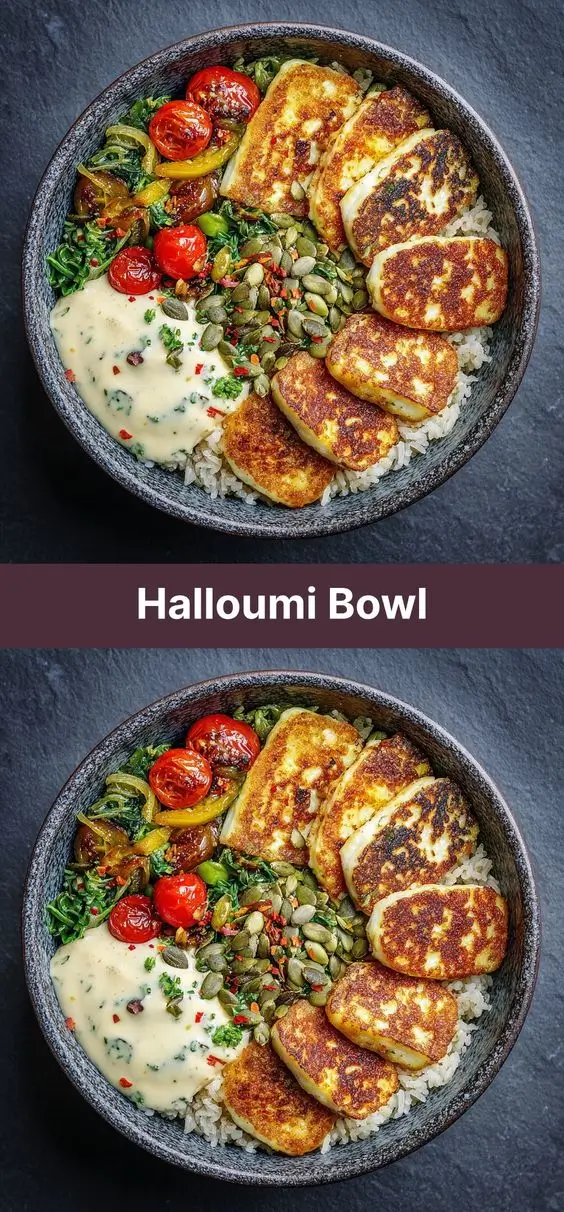
Halloumi Bowl: A Mediterranean Delight Packed with Flavor and Nutrition
The History of the Halloumi Bowl
The Halloumi Bowl is a modern culinary creation rooted in the rich traditions of Mediterranean cuisine, particularly from Cyprus, the birthplace of halloumi cheese. Halloumi itself has been produced on the island for over 2,000 years, with historical records tracing its origins back to the Byzantine era. Traditionally made from a blend of goat’s and sheep’s milk—sometimes including cow’s milk today—halloumi was designed to be a semi-hard, brined cheese that could withstand high temperatures without melting, making it ideal for grilling or frying.
As global interest in Mediterranean diets surged due to their health benefits and vibrant flavors, chefs and home cooks began reimagining traditional ingredients into contemporary, balanced meals. The concept of the “bowl meal” gained popularity in the early 2010s as part of the clean eating and meal prep movements. These bowls typically feature a base of grains or greens, a protein source, vegetables, and flavorful sauces—all served in a single, satisfying vessel.
The Halloumi Bowl emerged as a standout in this trend, combining the smoky, salty richness of grilled halloumi with fresh vegetables, hearty grains, and zesty dressings. It reflects both cultural heritage and modern wellness ideals, offering a plant-forward yet protein-rich option suitable for vegetarians and flexitarians alike. Today, it’s a staple in health-conscious cafes across Europe, North America, and Australia, celebrated not only for its taste but also for its versatility and visual appeal.
Ingredients Breakdown: What Makes a Halloumi Bowl Shine?
A well-crafted Halloumi Bowl balances textures, temperatures, and tastes. Each ingredient plays a vital role in creating harmony within the dish. Below is a detailed breakdown of the components you’ll typically find in a premium Halloumi Bowl:
Halloumi Cheese (The Star Ingredient)
Halloumi is a semi-hard, unripened, brined cheese known for its high melting point. When pan-seared or grilled, it develops a golden-brown crust while maintaining a soft, squeaky interior. Its unique texture and savory-salty flavor make it an excellent meat substitute. Look for blocks made from a mix of sheep and goat milk for the most authentic taste.
Base Ingredients
- Quinoa: A complete protein containing all nine essential amino acids. Light, fluffy, and slightly nutty, quinoa adds nutritional depth and keeps you full longer.
- Greens: Baby spinach, arugula, or mixed kale provide fiber, vitamins A, C, and K, and a peppery contrast to the salty cheese.
- Bulgur or Farro: Hearty whole grains that add chewiness and complex carbohydrates for sustained energy.
Fresh Vegetables
- Cherry Tomatoes: Bursting with sweetness and acidity, they add color and juiciness.
- Cucumber: Cool and crisp, it offers hydration and freshness.
- Red Onion: Thinly sliced for a sharp bite; can be soaked in cold water to mellow the flavor.
- Bell Peppers: Roasted or raw, they bring sweetness and crunch.
- Avocado: Creamy and rich in heart-healthy fats, it adds luxurious texture and balances saltiness.
Flavor Enhancers
- Olive Oil: Extra virgin olive oil is used for cooking halloumi and dressing the bowl—rich in monounsaturated fats and antioxidants.
- Lemon Juice: Brightens the entire dish and cuts through the richness of the cheese.
- Fresh Herbs: Mint, parsley, or dill elevate the aroma and freshness.
- Kalamata Olives: Briny and bold, they enhance the Mediterranean profile.
- Pomegranate Seeds: Optional garnish adding tartness, color, and antioxidant power.
Sauces and Dressings
The sauce ties everything together. Common options include:
- Lemon-Tahini Dressing: Creamy, tangy, and nutty—perfect for drizzling.
- Tzatziki: Yogurt-based with cucumber, garlic, and dill, offering a cooling effect.
- Herbed Olive Oil Vinaigrette: Simple yet aromatic, made with lemon zest, oregano, and thyme.
Step-by-Step Recipe: How to Make the Perfect Halloumi Bowl at Home
Creating a restaurant-quality Halloumi Bowl is easier than you think. Follow these detailed steps for a delicious, nutritious, and visually stunning meal.
Ingredients
- 200g halloumi cheese, sliced into 1/2-inch thick rectangles
- 1 cup quinoa (uncooked)
- 2 cups water or vegetable broth
- 1 tbsp olive oil (plus extra for cooking)
- 1 cup cherry tomatoes, halved
- 1 medium cucumber, diced
- 1/2 red onion, thinly sliced
- 1 bell pepper (red or yellow), sliced
- 1 ripe avocado, sliced
- Handful of fresh parsley, chopped
- Handful of fresh mint, chopped
- 2 tbsp Kalamata olives, pitted and halved
- 2 tbsp pumpkin seeds or toasted almonds (optional)
- 1/4 cup crumbled feta (optional, for extra creaminess)
- Pomegranate seeds (for garnish)
For the Lemon-Tahini Dressing
- 3 tbsp tahini
- 2 tbsp fresh lemon juice
- 1 tbsp maple syrup or honey
- 1 small garlic clove, minced
- 2–3 tbsp water (to thin)
- Salt and pepper to taste
Directions
- Cook the Quinoa: Rinse quinoa under cold water to remove saponin (which can cause bitterness). In a saucepan, combine quinoa with water or vegetable broth and a pinch of salt. Bring to a boil, then reduce heat to low, cover, and simmer for 15 minutes or until liquid is absorbed. Remove from heat, fluff with a fork, and let it sit covered for 5 minutes. Stir in 1 tablespoon of olive oil to prevent sticking and add shine.
- Prepare the Vegetables: While the quinoa cooks, wash and chop all vegetables. Place cherry tomatoes, cucumber, red onion, bell pepper, and herbs in separate bowls or arrange on a platter for easy assembly.
- Make the Dressing: In a small bowl, whisk together tahini, lemon juice, maple syrup, garlic, salt, and pepper. Add water one tablespoon at a time until the dressing reaches a smooth, pourable consistency. Taste and adjust seasoning as needed. Set aside.
- Cook the Halloumi: Pat halloumi slices dry with a paper towel to ensure a good sear. Heat 1–2 tablespoons of olive oil in a non-stick skillet over medium-high heat. Once hot, add halloumi slices in a single layer. Cook for 2–3 minutes per side, or until golden brown and crispy on the outside. Avoid overcrowding the pan. Transfer to a plate and set aside.
- Assemble the Bowl: Begin with a generous bed of warm quinoa at the bottom of each serving bowl. Layer on the fresh vegetables—tomatoes, cucumber, onions, peppers, avocado, olives, and herbs. Arrange halloumi slices on top while still warm.
- Add Crunch and Garnish: Sprinkle with toasted nuts or seeds for added texture. Top with crumbled feta if desired, and finish with a generous sprinkle of pomegranate seeds for a pop of color and tartness.
- Drizzle and Serve: Just before serving, drizzle the lemon-tahini dressing generously over the bowl. You can also serve the dressing on the side for individual preference.
Pro Tips for the Best Halloumi Bowl Experience
- Don’t Skip the Sear: Achieving a perfect golden crust on halloumi enhances flavor through caramelization. Use high enough heat and avoid moving the slices too soon.
- Use Warm Grains: Serving quinoa warm creates a pleasant contrast with cool vegetables and warm cheese—an essential element of the bowl’s appeal.
- Balancing Flavors: Ensure your bowl includes elements of salty (halloumi, olives), sweet (tomatoes, pomegranate), acidic (lemon, vinegar), bitter (greens), and umami (grilled cheese, roasted veggies).
- Prevent Browning Avocado: Add avocado just before serving or squeeze a little lemon juice over it to maintain its vibrant green color.
- Meal Prep Friendly: Cook quinoa and chop vegetables up to 3 days in advance. Store separately in airtight containers. Pan-fry halloumi fresh when ready to eat for optimal texture.
- Oil Choice Matters: Use high-quality extra virgin olive oil for drizzling—it elevates the overall taste significantly.
- Customize Heat: Add a pinch of chili flakes, harissa paste, or sliced jalapeños for those who enjoy a spicy kick.
Variations and Customizations: Make It Your Own
One of the greatest strengths of the Halloumi Bowl is its adaptability. Whether you’re catering to dietary preferences, seasonal produce, or personal cravings, here are some creative variations:
Grain-Free Version
Replace quinoa with cauliflower rice or shredded Brussels sprouts for a low-carb alternative. Sauté lightly with garlic and olive oil for extra flavor.
Vegan Halloumi Bowl
While traditional halloumi contains dairy, several plant-based alternatives now exist. Brands like Nush, Castello Vegan Halloumi, or homemade tofu “halloumi” marinated in lemon, salt, and agar can mimic the texture and grillability. Pair with vegan tzatziki made from coconut yogurt.
Protein Boosters
Add chickpeas, lentils, grilled chicken, or falafel to increase protein content—ideal for athletes or those seeking more satiety.
Mediterranean Roasted Veggie Bowl
Roast zucchini, eggplant, cherry tomatoes, and red onions with olive oil, oregano, and garlic at 400°F (200°C) for 25 minutes. The deeper flavors complement the halloumi beautifully.
Greek-Inspired Twist
Incorporate classic Greek salad elements: swap quinoa for romaine lettuce, add capers, use tzatziki instead of tahini dressing, and include a dash of dried oregano over the halloumi.
Summer Harvest Bowl
Use peak-season produce like heirloom tomatoes, fresh corn, peaches, and basil. Drizzle with balsamic glaze for a sweet-tart finish.
Winter Comfort Bowl
Switch to farro or barley as the base. Add roasted squash, sautéed kale, and warm spiced carrots. Top with halloumi and a dollop of yogurt-lemon sauce.
Kid-Friendly Version
Reduce strong flavors like raw onion and olives. Add mild cheeses, sweet potato cubes, and a honey-mustard dressing. Cut halloumi into fun shapes using cookie cutters after grilling.
Health Considerations and Nutritional Value
The Halloumi Bowl is more than just tasty—it’s a nutritionally balanced meal that aligns well with various dietary goals when prepared thoughtfully.
Nutrient Profile (Approximate per Serving)
| Nutrient | Amount |
|---|---|
| Calories | 520 kcal |
| Protein | 18g |
| Total Fat | 29g |
| Saturated Fat | 11g |
| Carbohydrates | 48g |
| Dietary Fiber | 9g |
| Sugars | 8g |
| Sodium | 850mg |
| Vitamin A | 70% DV |
| Vitamin C | 120% DV |
| Calcium | 35% DV |
| Iron | 25% DV |
Health Benefits
- High-Quality Protein: Halloumi and quinoa together form a complete amino acid profile, supporting muscle repair and immune function.
- Heart-Healthy Fats: Monounsaturated fats from olive oil and avocado contribute to reduced inflammation and improved cholesterol levels.
- Dietary Fiber: From vegetables, whole grains, and legumes, fiber supports digestion, gut health, and blood sugar regulation.
- Antioxidant-Rich: Colorful vegetables and herbs are loaded with phytonutrients like lycopene, beta-carotene, and flavonoids that combat oxidative stress.
- Bone Support: Calcium and vitamin K from greens and dairy support bone density and reduce fracture risk.
Considerations and Moderation
- Sodium Content: Halloumi is naturally high in sodium due to brining. One 100g serving can contain up to 600–800mg of sodium. To reduce intake, choose lower-sodium varieties, rinse slices briefly before cooking, or decrease portion size.
- Saturated Fat: Traditional halloumi contains saturated fat from sheep and goat milk. While acceptable in moderation, those managing cholesterol may opt for reduced-fat versions or limit frequency.
- Portion Control: Despite being healthy, this bowl is energy-dense. Be mindful of portions if weight management is a goal.
- Lactose Sensitivity: Halloumi contains lactose, though less than many cheeses. Those with mild intolerance may tolerate small amounts, but lactose-free or vegan alternatives are safer choices.
Frequently Asked Questions (FAQ)
Can I bake halloumi instead of frying it?
Yes! Preheat oven to 400°F (200°C). Brush halloumi slices with olive oil and place on a parchment-lined baking sheet. Bake for 12–15 minutes, flipping halfway, until golden. Baking yields a softer texture compared to pan-frying’s crisp exterior.
Why does my halloumi melt or become rubbery?
If halloumi melts, it may be a fake or low-quality version not meant for grilling. True halloumi should hold its shape. If it turns rubbery, you may have overcooked it. Stick to 2–3 minutes per side on medium-high heat.
How do I store leftover halloumi bowl?
Store components separately in airtight containers in the refrigerator for up to 3 days. Reheat grains gently and re-crisp halloumi in a skillet before assembling.
Is halloumi vegetarian?
Most halloumi is vegetarian, but check the label—some brands use animal-derived rennet. For strict vegetarians, look for microbial or vegetable rennet on the packaging.
Can I make this gluten-free?
Absolutely. Quinoa, vegetables, halloumi, and all suggested grains like buckwheat or millet are naturally gluten-free. Just ensure any packaged sauces or seasonings are certified gluten-free.
What can I use instead of tahini?
You can substitute with almond butter, cashew butter, or even hummus thinned with lemon juice and water. For a dairy-based option, tzatziki works wonderfully as a creamy alternative.
Can I prepare this ahead for meal prep?
Yes! Cook grains, chop veggies, and make dressing 2–3 days in advance. Keep halloumi raw until the day of eating, then pan-fry fresh for best texture and flavor.
Is halloumi safe during pregnancy?
Since halloumi is a pasteurized, hard cheese, it is generally considered safe to consume during pregnancy when cooked thoroughly. Always verify that the product is made from pasteurized milk.
Summary
The Halloumi Bowl is a vibrant, nutrient-packed meal that brings together the smoky richness of grilled halloumi with fresh vegetables, wholesome grains, and zesty dressings in perfect harmony. Celebrated for its flavor, flexibility, and health benefits, it’s a modern Mediterranean masterpiece ideal for lunch, dinner, or meal prep.