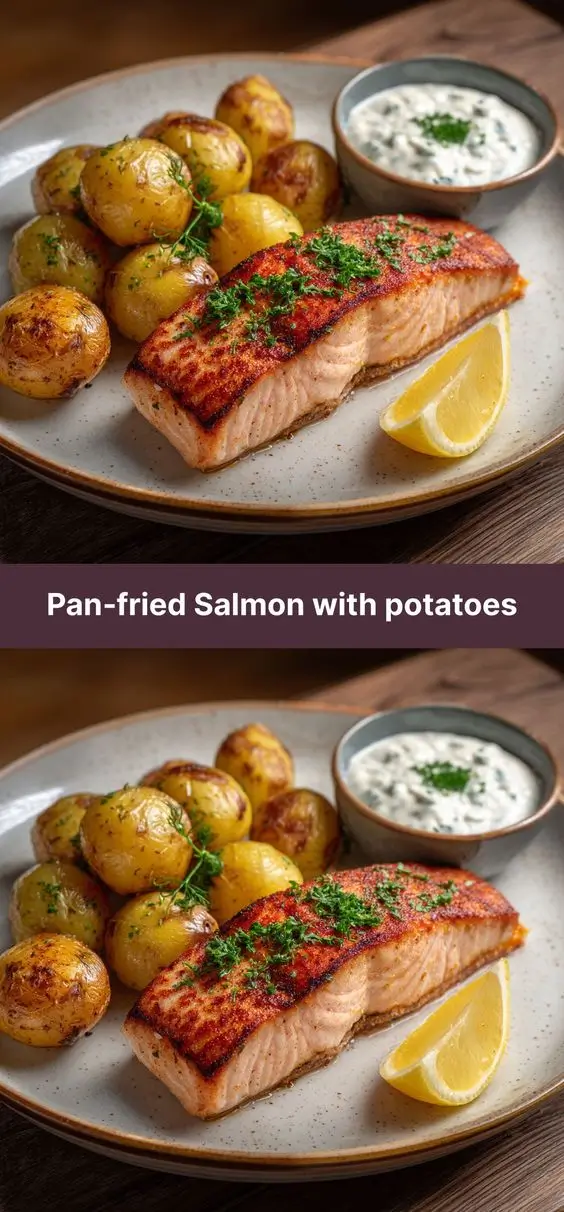
Pan-Fried Salmon with Potatoes: A Hearty, Flavorful Delight
The History of Pan-Fried Salmon with Potatoes
The combination of pan-fried salmon and potatoes has deep roots in European culinary traditions, particularly in the coastal regions of Scandinavia, the British Isles, and Northern Germany. Historically, fishing communities relied heavily on salmon as a primary protein source due to its abundance in cold, clear rivers and oceans. Meanwhile, potatoes, introduced to Europe from South America in the 16th century, quickly became a staple food across the continent due to their versatility, nutritional value, and ease of cultivation.
By the 18th and 19th centuries, pan-frying emerged as a popular cooking method—especially among households without access to ovens—because it required minimal equipment and preserved the natural flavors of fresh ingredients. The pairing of crispy-skinned salmon with tender, golden-brown potatoes was not only practical but also nutritionally balanced, offering healthy fats, complex carbohydrates, and essential proteins. Over time, this humble meal evolved into a celebrated dish, now featured in rustic bistros and fine dining restaurants alike, symbolizing both comfort and culinary sophistication.
Ingredients Breakdown
Creating the perfect pan-fried salmon with potatoes starts with selecting high-quality, fresh ingredients. Each component plays a crucial role in building layers of flavor, texture, and nutrition:
- Salmon Fillets: Preferably skin-on, center-cut fillets weighing about 6–7 ounces each. Wild-caught salmon offers a richer flavor and firmer texture, while farmed salmon tends to be fattier and more buttery.
- Potatoes: Waxy varieties like Yukon Gold or red potatoes hold their shape well during cooking and develop a creamy interior when pan-seared.
- Olive Oil: Used for searing both the salmon and potatoes. Extra virgin olive oil adds depth, though refined versions can be used at higher temperatures.
- Butter: Adds richness and helps create a golden crust on the salmon. Clarified butter is ideal for high-heat cooking.
- Garlic: Fresh minced garlic enhances the savory profile, especially when infused into the oil or butter.
- Fresh Herbs: Dill, parsley, thyme, or rosemary contribute aromatic freshness. Dill pairs especially well with salmon.
- Lemon: Both zest and juice brighten the dish and cut through the richness of the fish and fat.
- Salt and Pepper: Essential seasonings that enhance natural flavors. Use flaky sea salt for finishing.
- Optional Additions: Shallots, capers, white wine, or a splash of cream can elevate the sauce component.
Step-by-Step Recipe
- Prepare the Ingredients: Pat the salmon fillets dry with paper towels—this is crucial for achieving a crisp skin. Season both sides generously with salt and freshly ground black pepper. Let them sit at room temperature for 15–20 minutes before cooking. Peel (if desired) and dice the potatoes into ½-inch cubes. Mince garlic and chop herbs.
- Cook the Potatoes First: Heat 2 tablespoons of olive oil in a large non-stick or cast-iron skillet over medium heat. Add the diced potatoes in a single layer, ensuring they aren’t overcrowded. Cook undisturbed for 4–5 minutes until the bottom side turns golden. Stir and continue cooking for another 10–12 minutes, stirring occasionally, until tender and crispy. Add a pinch of salt, minced garlic, and half of your chosen herbs. Remove and set aside, covering to keep warm.
- Heat the Pan for Salmon: In the same skillet (add a bit more oil if needed), increase the heat to medium-high. For extra crispiness, you can add a tablespoon of butter once the oil is hot and shimmering.
- Sear the Salmon Skin-Side Down: Place the salmon fillets skin-side down in the pan at an angle to avoid splatter. Press gently with a spatula for the first 10 seconds to ensure full contact with the pan. Cook undisturbed for 5–6 minutes, depending on thickness, until the skin is ultra-crispy and releases easily from the pan.
- Flip and Finish Cooking: Carefully flip the salmon using a thin spatula. Cook for another 2–4 minutes on the flesh side until the internal temperature reaches 125°F (for medium-rare) to 135°F (medium). Avoid overcooking to preserve moisture.
- Add Aromatics: In the last minute of cooking, add a knob of butter, a few sprigs of thyme or dill, and a couple of lemon slices to the pan. Tilt the pan and spoon the foaming butter over the salmon for added flavor and gloss.
- Rest and Serve: Transfer the salmon to a plate and let it rest for 2–3 minutes. This allows the juices to redistribute. Reheat the potatoes briefly if needed, then plate with the salmon. Garnish with fresh herbs, lemon wedges, and a drizzle of olive oil or lemon juice.
Tips for Perfect Pan-Fried Salmon with Potatoes
- Dry the Salmon Thoroughly: Moisture is the enemy of crispy skin. Always pat the fillets dry before seasoning.
- Use a Hot Pan: The pan should be hot enough that the oil shimmers but doesn’t smoke. This ensures a quick sear without sticking.
- Don’t Crowd the Pan: Cook in batches if necessary. Overcrowding lowers the pan temperature and causes steaming instead of searing.
- Skin-On for Crispiness: The skin protects the delicate flesh and becomes deliciously crunchy when cooked properly.
- Resist the Urge to Move It: Once the salmon hits the pan, leave it alone. Flipping too early is the most common cause of skin tearing.
- Check Doneness with a Knife: Gently separate the flesh at the thickest part. If it’s opaque with a slight translucency in the center, it’s perfectly done.
- Season Potatoes Early: Salting the potatoes while cooking ensures even seasoning throughout, rather than just on the surface.
- Parboil Potatoes (Optional): For faster and more even cooking, boil diced potatoes for 5 minutes before pan-frying. Drain and dry thoroughly to avoid splattering.
Variations and Customizations
This dish is highly adaptable to different tastes, dietary preferences, and cultural influences:
- Mediterranean Style: Add chopped sun-dried tomatoes, olives, artichoke hearts, and feta cheese to the potatoes. Finish the salmon with a squeeze of lemon and fresh oregano.
- Asian-Inspired: Replace olive oil with sesame oil, use soy sauce or tamari for seasoning, and top with pickled ginger, scallions, and a drizzle of sriracha mayo.
- Herb-Crusted Salmon: Coat the salmon with a mixture of chopped parsley, dill, chives, breadcrumbs, lemon zest, and olive oil before pan-frying for a flavorful crust.
- Dill and Caper Sauce: After removing the salmon, deglaze the pan with a splash of white wine, add capers, lemon juice, and chopped dill, then swirl in cold butter to make a rich, tangy sauce.
- Spiced Rub: Season the salmon with smoked paprika, garlic powder, onion powder, and a touch of cayenne for a smoky, slightly spicy kick.
- Vegetable Additions: Sauté green beans, asparagus, or spinach alongside the potatoes for a complete one-pan meal.
- Keto/Low-Carb Option: Replace potatoes with roasted cauliflower florets or zucchini hash.
- Vegan Twist: Use plant-based salmon alternatives (like those made from soy or rice) and serve with mashed cauliflower or sweet potato.
Health Considerations and Nutritional Value
Pan-fried salmon with potatoes isn’t just delicious—it’s also packed with nutrients that support overall health.
Salmon Benefits:
Rich in omega-3 fatty acids (EPA and DHA), salmon supports heart health, reduces inflammation, and promotes brain function. It’s also an excellent source of high-quality protein, vitamin D, selenium, and B vitamins (especially B12 and niacin). Regular consumption has been linked to improved cognitive performance and reduced risk of chronic diseases.
Potato Benefits:
Despite being a starchy vegetable, potatoes are naturally low in fat and provide potassium (more than bananas), vitamin C, vitamin B6, and fiber (especially when eaten with the skin). They offer sustained energy due to their complex carbohydrate content.
Healthy Cooking Tips:
- Use heart-healthy oils like olive or avocado oil.
- Limit added butter or opt for grass-fed butter in moderation.
- Avoid overcooking salmon to preserve delicate nutrients.
- Bulk up the meal with non-starchy vegetables for added fiber and micronutrients.
- Monitor portion sizes—6–8 oz of salmon and 1 cup of potatoes per serving is ideal for balanced meals.
Nutritional Profile (Approximate per serving):
| Nutrient | Amount |
|---|---|
| Calories | 520 kcal |
| Protein | 34 g |
| Fat | 28 g (including 8 g saturated) |
| Omega-3 Fatty Acids | 3.5 g |
| Carbohydrates | 30 g |
| Fiber | 4 g |
| Sodium | 450 mg (varies with seasoning) |
| Potassium | 1200 mg |
| Vitamin D | 20 mcg (100% DV) |
Ingredients
- 4 salmon fillets (6–7 oz each), skin-on
- 1.5 lbs Yukon Gold potatoes, diced
- 3 tbsp olive oil (divided)
- 2 tbsp unsalted butter
- 3 cloves garlic, minced
- 1 lemon (zest and juice, plus wedges for serving)
- 2 tbsp fresh dill, chopped (or substitute with parsley or thyme)
- 1 tsp sea salt (plus more to taste)
- Freshly ground black pepper
- Optional: 2 tbsp capers, ¼ cup white wine, extra herbs
Directions
- Pat salmon fillets dry and season with salt and pepper on both sides. Let rest at room temperature.
- In a large skillet, heat 1 tbsp olive oil over medium heat. Add diced potatoes in a single layer. Cook for 4–5 minutes without stirring, then stir and continue cooking 10–12 minutes until golden and tender. Add garlic, 1 tbsp dill, and salt to taste. Remove and set aside.
- Wipe the skillet clean if needed, then heat remaining oil over medium-high heat. Add butter and swirl to melt.
- Place salmon skin-side down in the pan. Press lightly and cook undisturbed for 5–6 minutes until skin is crisp and golden.
- Flip salmon and cook 2–4 minutes more, depending on thickness, until internal temperature reaches 125–135°F.
- In the last minute, add lemon slices, thyme, and remaining dill to the pan. Spoon melted butter over the salmon.
- Remove salmon and let rest 2–3 minutes. Re-warm potatoes if needed.
- Plate salmon over potatoes. Garnish with fresh herbs, lemon zest, and a squeeze of juice. Serve immediately.
FAQ
Q: Can I use frozen salmon?
A: Yes, but thaw it slowly in the refrigerator overnight. Never cook frozen salmon directly if you want crispy skin, as excess moisture will steam it.
Q: Why is my salmon sticking to the pan?
A: This usually happens if the pan isn’t hot enough or if you try to flip too early. Ensure the pan is properly preheated and let the salmon sear undisturbed.
Q: How do I know when salmon is done?
A: The flesh should easily flake with a fork but still be moist. For precision, use a meat thermometer: 125°F for medium-rare, 135°F for medium.
Q: Can I bake the potatoes instead?
A: Absolutely! Roast diced potatoes at 400°F for 25–30 minutes for a hands-off option. Toss with oil and seasonings first.
Q: Is it safe to eat salmon medium-rare?
A: Yes, especially if it’s sushi-grade or previously frozen to kill parasites. Cook to at least 125°F for safety and optimal texture.
Q: Can I make this dairy-free?
A: Yes—skip the butter and use olive oil or a dairy-free alternative. The dish remains delicious and rich in flavor.
Q: What sides go well with this dish?
A: Steamed greens, arugula salad, sautéed kale, grilled asparagus, or a simple cucumber-dill yogurt sauce complement it beautifully.
Summary
Pan-fried salmon with potatoes is a satisfying, nutrient-rich meal that combines crispy, flavorful fish with tender, golden spuds in a simple yet elegant preparation. Quick enough for weeknights and impressive enough for guests, it’s a timeless dish that celebrates the harmony of quality ingredients and mindful cooking.