Chicken and Dumplings: A Hearty Classic Comfort Food
Introduction
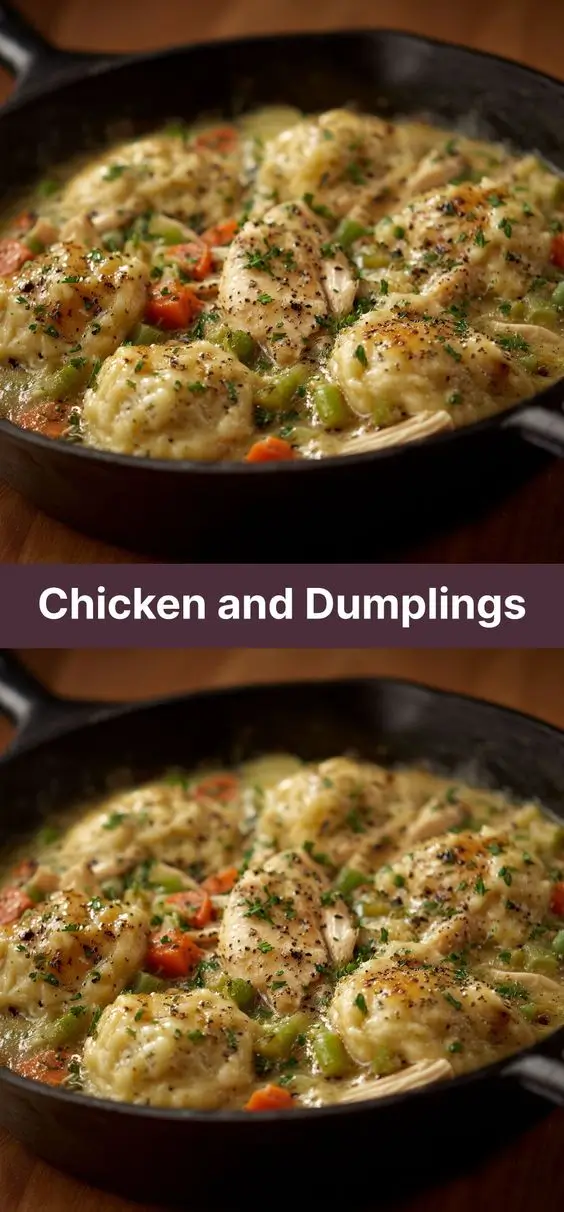
There are few dishes as comforting, nostalgic, and universally beloved as chicken and dumplings. This timeless Southern classic evokes memories of home-cooked meals, warm kitchens, and family gatherings around the dinner table. Whether you grew up with a grandmother stirring a steaming pot on a Sunday afternoon or discovered it later in life through a cozy restaurant meal, chicken and dumplings remains a symbol of culinary comfort. With tender pieces of chicken nestled in a rich, creamy broth and fluffy, pillowy dumplings that soak up every last drop of flavor, this dish is the epitome of soul-warming food. In this comprehensive guide, we’ll explore the origins of this cherished recipe, break down its essential components, provide detailed instructions for crafting the perfect batch from scratch, offer tips and variations, discuss nutritional aspects, and answer frequently asked questions to ensure your chicken and dumplings experience is nothing short of extraordinary.
The History
The roots of chicken and dumplings run deep through American culinary tradition, particularly in the rural South where resourcefulness and frugality were key to feeding large families. The dish likely evolved from earlier European stews and boiled dumpling recipes brought over by English, Scottish, and German immigrants. In colonial times, cooks would stretch leftover roasted chicken by simmering the meat and bones into a flavorful broth, then adding simple flour-and-water dumplings to create a filling one-pot meal. Over time, the recipe became more refined, incorporating milk or cream, herbs, and buttery doughs. By the early 20th century, chicken and dumplings had cemented its place in Southern cuisine as a staple of church suppers, holiday tables, and sickbed trays. It was considered both economical and nourishing—a way to use what was available while delivering maximum comfort. While variations exist across regions (some thicker, some brothy; some with flat noodles, others with rolled dumplings), the essence remains the same: simplicity, warmth, and heart. Today, it’s celebrated not only in homes but also on menus at fine Southern restaurants and featured in cookbooks dedicated to preserving traditional American fare.
Ingredients Breakdown
Understanding each ingredient in chicken and dumplings is crucial to mastering the balance between savory broth and tender dumplings. Let’s take an in-depth look at the components:
- Whole Chicken or Bone-In Pieces: Traditionally, a whole stewing hen or bone-in chicken parts (like thighs and breasts) are used because they impart richer flavor to the broth during long simmering. The collagen from bones enhances body and silkiness.
- Vegetables: Onion, celery, and carrots—commonly known as mirepoix—form the aromatic base. Garlic adds depth, while fresh herbs like thyme, rosemary, or bay leaves contribute complexity.
- Broth/Water: Homemade stock made from simmering chicken bones yields the best results, but high-quality store-bought chicken broth works well too. Some recipes call for water enhanced with seasonings.
- Butter and Flour (for Roux): Used to thicken the stew slightly, creating a velvety texture without overpowering the lightness of the dish. Alternatively, a cornstarch slurry can be used for thickening.
- Milk or Heavy Cream: Adds richness and creaminess to the broth. Whole milk, half-and-half, or even evaporated milk can be used depending on desired richness.
- All-Purpose Flour: Essential for the dumpling dough. Provides structure and softness when cooked properly.
- Baking Powder: Leavening agent that helps dumplings rise and stay fluffy rather than dense.
- Eggs (optional): Some traditional recipes include an egg in the dumpling batter to bind ingredients and add tenderness.
- Fat (Butter or Shortening): Incorporated into the dumpling dough for flakiness and moisture retention.
- Salt and Pepper: Fundamental seasonings. Kosher salt is preferred for even distribution and control over sodium levels.
- Optional Add-Ins: Peas, parsley, green onions, or a splash of lemon juice can brighten the final dish. Fresh dill is sometimes added for a subtle herbal note.
Step-by-Step Recipe
Makes 6–8 servings
Part I: Preparing the Chicken Stew
- Place a 3–4 pound whole chicken (or 2–3 pounds bone-in chicken pieces) in a large stockpot or Dutch oven. Cover with 8–10 cups of cold water. Bring to a gentle boil over medium-high heat, skimming off any foam that rises to the surface.
- Add 1 chopped yellow onion, 2 chopped celery stalks, 2 chopped carrots, 3 cloves minced garlic, 2 bay leaves, a few sprigs of fresh thyme, and 1 teaspoon black peppercorns. Reduce heat to low, cover, and simmer gently for 1 to 1.5 hours until chicken is fully cooked and tender.
- Remove chicken from the pot and set aside to cool slightly. Strain the broth through a fine-mesh sieve into a clean container, reserving vegetables if desired (discard bay leaves and herbs).
- Once cool enough to handle, shred the chicken meat, discarding skin and bones. Set aside 4–5 cups of shredded chicken for the stew.
- In the same pot, melt 3 tablespoons unsalted butter over medium heat. Stir in 1/3 cup all-purpose flour to form a roux. Cook for 2–3 minutes, stirring constantly, until golden blonde in color.
- Gradually whisk in 6 cups of the reserved chicken broth. Continue stirring until smooth and slightly thickened, about 5–7 minutes.
- Stir in 1 cup whole milk or heavy cream, return the shredded chicken to the pot, and bring back to a gentle simmer. Season with salt and freshly ground black pepper to taste. Keep the stew at a low simmer while preparing the dumplings.
Part II: Making the Dumplings
- In a large mixing bowl, combine 2 cups all-purpose flour, 1 tablespoon baking powder, 1 teaspoon salt, and 1/2 teaspoon black pepper.
- Cut in 2 tablespoons cold unsalted butter using a pastry cutter or two forks until mixture resembles coarse crumbs.
- In a separate small bowl, beat 1 large egg and mix with 3/4 cup whole milk or buttermilk.
- Pour the wet ingredients into the dry and stir just until combined. Do not overmix—dough should be soft and slightly sticky.
- Drop spoonfuls of dumpling dough (about 1.5 to 2 tablespoons each) directly into the gently simmering stew. Space them evenly so they have room to expand.
- Cover the pot tightly with a lid and let cook undisturbed for 15–20 minutes. Do NOT lift the lid—steam is essential for proper rising.
- After cooking, remove from heat and let sit covered for 5 minutes. The dumplings should be fluffy, cooked through, and no longer doughy inside.
Final Touches: Taste and adjust seasoning. Stir in 1/2 cup frozen peas (optional), chopped fresh parsley, or a squeeze of lemon juice for brightness. Serve hot.
Tips
- Simmer, Don’t Boil: When adding dumplings, maintain a gentle simmer—not a rolling boil—as vigorous bubbling can break apart the dumplings.
- Don’t Overmix the Dough: Overworking leads to tough dumplings. Mix only until shaggy dough forms.
- Keep the Lid On: Resist the urge to peek! Steam builds inside the pot and helps dumplings puff up correctly.
- Dumpling Size Matters: Larger dumplings take longer to cook and may require extending cook time by 3–5 minutes.
- Use Cold Butter: For flakier, lighter dumplings, keep fats cold before cutting into the flour.
- Rest the Dough (Optional): Letting the dumpling dough rest for 10–15 minutes allows gluten to relax, resulting in softer texture.
- Thickening Control: If stew becomes too thick after dumplings absorb liquid, thin it with additional warm broth or milk.
- Fresh Herbs: Finish with chopped chives, dill, or parsley for freshness and visual appeal.
- Make-Ahead Broth: Prepare chicken stock ahead of time and refrigerate for up to 3 days or freeze for later use.
- One-Pan Option: For quicker cleanup, make everything in one heavy-bottomed pot, browning chicken first (if desired), then building stew directly in it.
Variations and Customizations
While traditional Southern-style chicken and dumplings reign supreme, countless regional and personal twists bring new dimensions to the dish:
- Savory Herb Dumplings: Add 1 tablespoon chopped fresh thyme, rosemary, or sage to the dumpling dough for aromatic flair.
- Buttermilk Dumplings: Substitute buttermilk for regular milk in the dough—the acidity reacts with baking powder for extra lift.
- Drop vs. Rolled Dumplings: Traditional “drop” dumplings are irregular spoonfuls. For ribbon-style dumplings, roll out dough thinly, cut into strips, and drop into simmering stew—these resemble flat noodles.
- Gluten-Free Version: Use a 1:1 gluten-free flour blend for both stew thickener and dumplings. Xanthan gum helps mimic elasticity.
- Dairy-Free Adaptation: Replace milk with unsweetened almond or oat milk and use olive oil or dairy-free butter in dumplings.
- Vegan “Chick’n” Dumplings: Use plant-based chicken substitutes and vegetable broth. Make dumplings with flax eggs and vegan butter.
- Spicy Kick: Add cayenne pepper, smoked paprika, or diced jalapeños to the stew base for heat.
- Creamier Texture: Blend part of the strained stew vegetables with broth and return to pot before adding chicken.
- Old-Fashioned Skillet Method: After making stew, transfer to cast-iron skillet, top with biscuit-like dumplings, and bake at 375°F (190°C) for 20–25 minutes for a golden crust.
- International Twists: Infuse with turmeric and ginger for an Indian-inspired version, or add soy sauce and scallions for an East Asian fusion profile.
Health Considerations and Nutritional Value
Chicken and dumplings is inherently hearty and satisfying, but with mindful modifications, it can fit into balanced eating patterns. Here’s a general nutritional breakdown per serving (based on 8 servings, using skinless chicken, moderate fat, and standard flour):
- Calories: ~350–450 kcal
- Protein: 25–30g (excellent source from chicken)
- Fat: 12–18g (varies based on cream, butter, and chicken skin content)
- Carbohydrates: 35–45g (primarily from flour in dumplings and thickener)
- Fiber: 2–3g (can increase with added vegetables)
- Sodium: 600–900mg (depends heavily on added salt and broth quality)
Nutrition Highlights:
- Lean Protein Source: Chicken provides essential amino acids important for muscle repair and immune function.
- Hydration Support: The broth-based nature supports hydration, especially beneficial during illness.
- Comfort Without Guilt: Can be adapted to lower-fat versions using skim milk, less butter, and skinless chicken.
- Rich in B Vitamins: Especially niacin and B6 from chicken, which aid metabolism and nervous system health.
Healthy Swaps:
- Use low-sodium broth and season with herbs instead of salt.
- Incorporate whole wheat pastry flour or spelt flour for added fiber in dumplings.
- Add spinach, kale, or broccoli florets during the last few minutes of cooking for nutrient density.
- Reduce cream and rely on blended cauliflower or potatoes for natural thickness.
While not traditionally a low-calorie dish, portion control and ingredient tweaks allow enjoyment within various dietary goals—including heart-healthy, diabetic-friendly (monitor carbs), and weight-conscious plans.
Ingredients
For the Stew:
- 3–4 lb whole chicken or bone-in chicken pieces (thighs, breasts, legs)
- 8–10 cups water or low-sodium chicken broth
- 1 yellow onion, chopped
- 2 celery stalks, chopped
- 2 carrots, peeled and chopped
- 3 cloves garlic, minced
- 2 bay leaves
- 3 sprigs fresh thyme or 1 tsp dried
- 1 tsp black peppercorns
- 3 tbsp unsalted butter
- 1/3 cup all-purpose flour
- 1 cup whole milk or heavy cream
- Salt and freshly ground black pepper to taste
- Optional: 1/2 cup frozen peas, chopped parsley
For the Dumplings:
- 2 cups all-purpose flour
- 1 tbsp baking powder
- 1 tsp salt
- 1/2 tsp black pepper
- 2 tbsp cold unsalted butter, cubed
- 1 large egg
- 3/4 cup whole milk or buttermilk
Directions
- Place chicken and 8–10 cups water in a large pot. Bring to a boil, reduce to a simmer, and cook uncovered for 1 hour, skimming foam.
- Add onion, celery, carrots, garlic, bay leaves, thyme, and peppercorns. Simmer another 30 minutes.
- Remove chicken; strain broth. Shred meat, discard bones/skin.
- In same pot, melt butter. Whisk in flour; cook 2–3 minutes to make roux.
- Gradually whisk in 6 cups strained broth until smooth. Simmer 5–7 minutes until slightly thickened.
- Stir in milk/cream and shredded chicken. Season with salt and pepper. Maintain gentle simmer.
- In bowl, mix flour, baking powder, salt, pepper. Cut in butter until crumbly.
- In another bowl, whisk egg and milk. Combine wet and dry ingredients; mix just until blended.
- Drop heaping tablespoons of dough into simmering stew. Space evenly.
- Cover tightly; cook 15–20 minutes without lifting lid.
- Turn off heat; let sit 5 minutes. Adjust seasoning. Stir in peas or herbs if using.
- Serve immediately in deep bowls with crusty bread or biscuits.
FAQ
Q: Can I use rotisserie chicken?
A: Yes! Save time by using 4–5 cups shredded rotisserie chicken. Simmer vegetables in 6 cups store-bought broth for 20 minutes, strain, then proceed with roux and dumplings.
Q: Why are my dumplings gummy?
A: Gummy texture usually comes from overmixing the dough or lifting the lid during cooking, releasing steam. Mix minimally and keep the pot covered.
Q: Can I freeze chicken and dumplings?
A: Best eaten fresh, but you can freeze leftovers for up to 3 months. Reheat gently on stove with extra broth to restore moisture—dumplings may soften further upon thawing.
Q: How do I reheat chicken and dumplings?
A: Warm slowly over medium-low heat on the stove, adding a splash of broth or milk to prevent drying. Avoid microwaving unless necessary, as it can make dumplings rubbery.
Q: Can I make dumplings ahead?
A: Dumpling dough doesn’t hold well raw, but you can prep it up to 30 minutes in advance and keep covered in the fridge. For best results, cook immediately after shaping.
Q: Are there egg-free dumplings?
A: Yes. Substitute egg with 3/4 cup milk plus 1 tablespoon vinegar (makes DIY buttermilk effect) or use applesauce or mashed banana for binding (may alter flavor slightly).
Q: What kind of pot should I use?
A: A heavy-bottomed Dutch oven is ideal—it distributes heat evenly and prevents scorching during long simmers.
Q: My stew is too thin/thick—how do I fix it?
A: Too thin? Simmer uncovered to reduce, or make a cornstarch slurry (1 tbsp cornstarch + 2 tbsp cold water). Too thick? Stir in warm broth or milk gradually until desired consistency.
Q: Can I bake the dumplings instead of steaming?
A: Yes. Transfer stew to an oven-safe dish, drop dumplings on top, and bake at 375°F (190°C) for 20–25 minutes until puffed and golden.
Q: Is chicken and dumplings healthy?
A: It can be! Opt for skinless chicken, low-fat dairy, whole grain flour, and load up on veggies to boost nutrition while keeping comfort intact.
Summary
Chicken and dumplings is the ultimate expression of comfort food—rich, creamy stew infused with tender chicken and topped with fluffy, steamed dumplings that melt in your mouth. A timeless recipe passed down through generations, it brings warmth, nostalgia, and nourishment to every bowl.