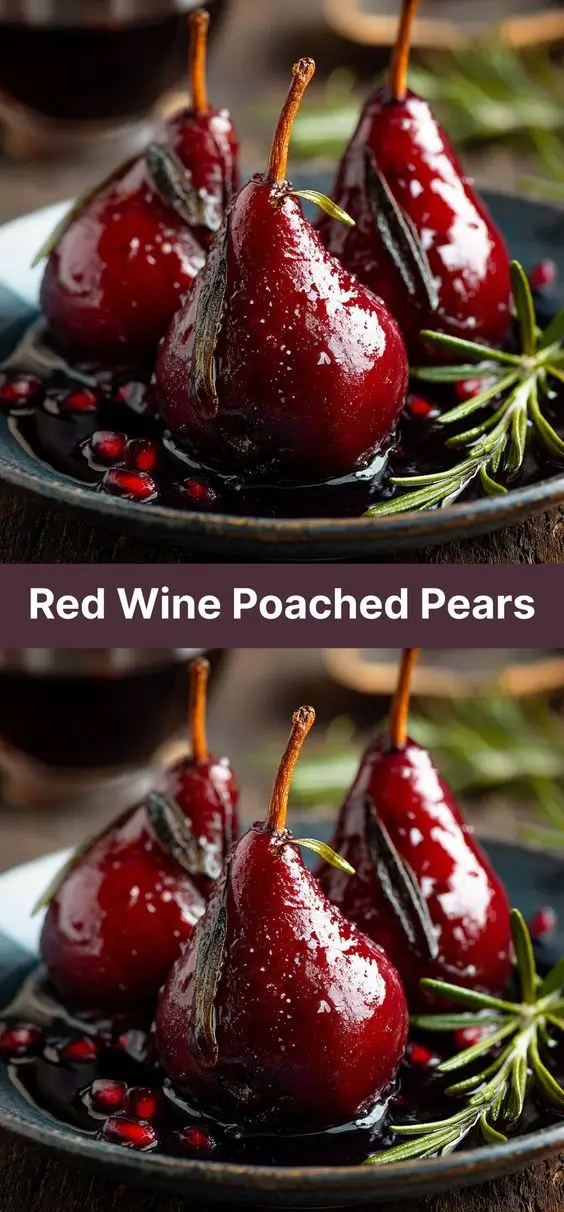
Red Wine Poached Pears: A Timeless Dessert of Elegance and Flavor
The History of Red Wine Poached Pears
The origins of red wine poached pears can be traced back to ancient Roman times, when fruits were often cooked in wine as a way to preserve them or enhance their flavor. However, it was during the Middle Ages in Europe—particularly in France—that this dessert began to take on its modern form. Known as Poires à la Beaujolais or Poires au Vin Rouge, the dish became popular among French nobility and monasteries, where skilled cooks would simmer pears in robust red wines along with aromatic spices.
By the 18th and 19th centuries, poached pears had become a hallmark of refined European cuisine. The dessert symbolized both simplicity and sophistication—a perfect balance between natural fruit sweetness and the depth of fermented grapes. Over time, variations spread across Italy (Pere al Vino Rosso), Germany (Weinbirnen), and even into Eastern Europe, each region adding local spices, sweeteners, and wine types.
Today, red wine poached pears are celebrated not only for their rich history but also for their adaptability. They appear on fine dining menus around the world, often served with vanilla ice cream, mascarpone, or drizzled with reduction sauces. Their enduring appeal lies in their visual beauty, delicate texture, and the comforting warmth of spiced wine aromas that fill the kitchen during preparation.
Ingredients Breakdown: What Makes This Dish Shine
The magic of red wine poached pears comes from a harmonious blend of ingredients, each playing a crucial role in building layers of flavor and texture. Let’s explore them in detail:
- Pears: Firm, ripe varieties such as Bosc, Anjou, or Comice are ideal because they hold their shape during cooking while offering a naturally sweet, floral flavor. Avoid overly soft pears like Bartlett unless using immediately, as they may disintegrate.
- Red Wine: Full-bodied dry red wines like Cabernet Sauvignon, Merlot, Pinot Noir, or Beaujolais provide color, tannic structure, and fruity notes. The wine infuses the pears with deep ruby hues and complex flavors. Avoid cheap “cooking wines” which contain added salt and preservatives; instead, use a drinkable quality wine you’d enjoy on its own.
- Sugar: Granulated sugar balances the tartness of the wine and enhances the natural sweetness of the pears. Some recipes call for honey, maple syrup, or brown sugar for deeper molasses-like tones.
- Water: Dilutes the alcohol content slightly and helps create a sufficient poaching liquid volume without overwhelming bitterness.
- Citrus: Orange or lemon peel and fresh juice add brightness and prevent browning. The acidity lifts the richness of the wine and keeps flavors vibrant.
- Spices: Whole spices are essential for aromatic complexity:
- Whole Cloves: Warm, pungent, and slightly sweet—use sparingly to avoid overpowering.
- Cinnamon Sticks: Provide a familiar warmth and subtle sweetness.
- Star Anise: Adds licorice-like fragrance and pairs beautifully with red wine.
- Black Peppercorns (optional): A few grains introduce a gentle heat and depth.
- Vanilla: A split vanilla bean or high-quality extract adds creamy, floral undertones that complement both fruit and wine.
- Liqueur (optional): A splash of brandy, orange liqueur (Cointreau or Grand Marnier), or port wine deepens the flavor profile and adds a luxurious finish.
Step-by-Step Recipe: How to Make Perfect Red Wine Poached Pears at Home
Creating restaurant-quality red wine poached pears is easier than you might think. Follow these detailed steps for flawless results every time.
Preparation (Before Cooking)
- Select and Peel the Pears: Choose 4 firm, unblemished pears. Gently peel them whole, leaving the stem intact for an elegant presentation. To prevent oxidation, briefly dip them in lemon water (1 tbsp lemon juice + 1 cup water).
- Prepare the Poaching Liquid: In a large, heavy-bottomed pot or Dutch oven, combine:
- 750 ml (1 standard bottle) of dry red wine
- 1 cup water
- ¾ to 1 cup granulated sugar (adjust to taste)
- Zest of one orange
- Juice of half an orange
- 1 cinnamon stick
- 4–5 whole cloves
- 1 star anise pod
- ½ teaspoon black peppercorns (optional)
- 1 split vanilla bean (or 1 tsp pure vanilla extract added later)
Cooking Process
- Bring to a Simmer: Place the pot over medium heat. Stir until the sugar dissolves completely. Do not boil vigorously—gentle heat preserves delicate flavors.
- Add the Pears: Carefully place the peeled pears into the liquid, ensuring they are fully submerged. If necessary, use a heatproof plate or silicone trivet to weigh them down.
- Simmer Gently: Reduce heat to low. Cover the pot partially with a lid and let the pears poach for 20 to 40 minutes, depending on ripeness and size. Test doneness by inserting a skewer near the core—it should slide in with slight resistance (like a ripe avocado).
- Cool in Liquid: Once tender, turn off the heat and allow the pears to cool in the poaching liquid for at least 1 hour, preferably longer (up to overnight in the refrigerator). This step allows maximum absorption of color and flavor.
Finishing Touches
- Remove Pears: Using a slotted spoon, transfer the pears to a serving platter or storage container. Keep them refrigerated if not serving immediately.
- Reduce the Poaching Liquid (Optional but Recommended): Strain the liquid through a fine-mesh sieve into a clean saucepan. Discard solids. Bring to a boil, then reduce to a simmer until the liquid reduces by half or more, forming a glossy, syrupy sauce (about 15–20 minutes). For extra luxury, stir in 1–2 tablespoons of butter or a splash of liqueur at the end.
- Serve or Store: Drizzle reduced syrup over pears just before serving, or store both components separately for up to 5 days in the fridge.
Tips for Success: Mastering the Art of Poaching Pears
- Choose the Right Pear: Bosc pears are the gold standard—they maintain firmness and have a slightly spicy note that complements wine. Anjou works well too, though slightly softer.
- Don’t Rush the Poaching: Low and slow is key. High heat can cause pears to break apart or cook unevenly.
- Submerge Completely: Use a small ceramic plate, ramekin, or parchment paper “cartouche” to keep pears under the liquid surface. Uneven exposure leads to patchy coloring and inconsistent flavor.
- Chill Before Serving: Cold pears offer a cleaner, crisper mouthfeel and intensified flavor. Serve chilled or at room temperature based on preference.
- Wine Selection Matters: Opt for a dry, medium-to-full-bodied red wine. Avoid oaky wines like heavily aged Chardonnay-style reds, which can impart bitterness. Organic or sulfite-free wines may yield a cleaner-tasting syrup.
- Balance Sweetness: Taste the poaching liquid before adding pears. It should be slightly sweeter than desired since the fruit will dilute it. Adjust sugar after poaching if needed.
- Use Whole Spices: Ground spices cloud the liquid and can become bitter. Whole spices are easier to remove and release flavor gradually.
- Double the Syrup: Reduce extra liquid to make a concentrated coulis for desserts, cheese plates, or cocktails.
- Prevent Browning: Always work with citrus-dipped pears or submerge them quickly in liquid after peeling.
- Make Ahead Friendly: These pears improve with time. Prepare 1–2 days in advance for dinner parties—they absorb more flavor and slice cleanly when cold.
Variations and Customizations: Creative Twists on a Classic
While traditional red wine poached pears are divine on their own, there are countless ways to personalize this dish for different palates, seasons, and occasions.
Wine Variations
- White Wine Poached Pears: Substitute white wine (e.g., Riesling or Viognier) for a lighter, golden-hued version with floral notes.
- Rose Poached Pears: Use dry rosé for a blush-pink appearance and summery character.
- Port or Madeira Infusion: Replace ¼ of the red wine with fortified wine for a richer, sweeter, dessert-wine depth.
Flavor Infusions
- Tea-Infused Poaching Liquid: Add black tea bags (Earl Grey or Assam) during simmering for tannic complexity and bergamot aroma.
- Herbal Notes: Fresh rosemary, thyme, or lavender sprigs introduce earthy or floral accents—ideal for autumn or holiday presentations.
- Ginger Boost: Add sliced fresh ginger or crystallized ginger for zesty warmth.
- Coffee-Red Wine Blend: Stir in ¼ cup strong brewed coffee or espresso for a mocha-like twist.
Dietary & Lifestyle Adaptations
- Vegan Version: Ensure sugar is vegan (some processed sugars use bone char); omit butter in syrup or substitute with coconut oil.
- Low-Sugar Option: Use monk fruit sweetener or erythritol blends designed for cooking. Note: texture and browning may vary.
- Alcohol-Free Poached Pears: Replace wine with grape juice, pomegranate juice, or non-alcoholic red wine. Add 1 tsp vinegar for acidity mimicry.
Presentation Ideas
- Deconstructed Parfait: Layer diced poached pears with Greek yogurt, granola, and reduced syrup.
- Dessert Platter: Serve sliced pears with blue cheese, walnuts, arugula, and balsamic glaze for a savory-sweet appetizer course.
- Ice Cream Topping: Warm a pear half and place over vanilla, cinnamon, or chocolate ice cream.
- Cake Garnish: Use halved or quartered pears as topping for cheesecakes or tortes.
- Cocktail Ingredient: Muddle poached pear in whiskey sours or prosecco spritzers.
Health Considerations and Nutritional Value
Red wine poached pears aren’t just indulgent—they also offer several nutritional benefits when enjoyed in moderation.
Nutritional Highlights (Per Serving – 1 Pear with Moderate Syrup)
| Nutrient | Amount (Approximate) |
|---|---|
| Calories | 180–250 kcal |
| Total Carbohydrates | 35–45 g |
| Dietary Fiber | 4–5 g (excellent source) |
| Sugars | 30–38 g (mostly added, some natural) |
| Protein | 1 g |
| Fat | 0–2 g (if butter added to syrup) |
| Vitamin C | ~10% DV |
| Potassium | ~8% DV |
| Antioxidants (from wine and fruit) | Resveratrol, quercetin, anthocyanins |
Health Benefits
- Rich in Fiber: Promotes digestive health and supports satiety, helping regulate blood sugar levels.
- Heart-Healthy Antioxidants: Resveratrol found in red wine has been linked to improved cardiovascular function and anti-inflammatory effects (though amounts in poaching are modest).
- Low Fat and Cholesterol-Free: Naturally heart-friendly, especially when prepared without added fats.
- Phytonutrient Power: Pears contain flavonoids and phenolic compounds associated with reduced oxidative stress.
Considerations and Moderation
- Sugar Content: Due to added sugar and reduced syrup, this dessert is relatively high in sugars. Diabetics or those managing insulin sensitivity should consume sparingly or opt for sugar substitutes.
- Alcohol Content: While most alcohol evaporates during prolonged cooking (~40–60%), trace amounts may remain. Not recommended for children, pregnant individuals, or those avoiding alcohol entirely.
- Allergens: Naturally free of common allergens like gluten, dairy, nuts, and soy—unless served with accompaniments containing them.
- Balanced Pairings: Serve with protein-rich sides (like ricotta or yogurt) to slow sugar absorption and enhance fullness.
Full Ingredient List (Serves 4)
- 4 firm ripe pears (Bosc or Anjou preferred)
- 750 ml (1 bottle) dry red wine (Cabernet Sauvignon, Merlot, or Pinot Noir)
- 1 cup water
- ¾ to 1 cup granulated sugar (adjust to taste)
- Zest and juice of 1 orange (zest only from unwaxed fruit)
- 1 cinnamon stick (about 3 inches long)
- 4–5 whole cloves
- 1 star anise pod
- ½ tsp black peppercorns (optional)
- 1 vanilla bean, split and scraped (or 1 tsp pure vanilla extract)
- 1 tbsp lemon juice (for prep bowl)
- 1 cup ice water (for dipping)
- (Optional) 2–3 tbsp brandy, Grand Marnier, or port
- (Optional, for finishing) 1–2 tbsp unsalted butter or whipped cream
Directions: Complete Step-by-Step Guide
- In a small bowl, mix 1 tbsp lemon juice with 1 cup ice water. Set aside.
- Peel the pears carefully, starting from the top and working downward, keeping stems intact. Immediately place each peeled pear into the lemon water to prevent browning. Soak for 2–3 minutes, then remove and pat dry.
- In a large pot, combine red wine, water, sugar, orange zest, orange juice, cinnamon stick, cloves, star anise, peppercorns, and the scraped seeds and pod of the vanilla bean.
- Place over medium heat and bring to a gentle simmer, stirring occasionally until sugar fully dissolves (about 5–7 minutes). Do not boil hard.
- Once the liquid simmers, reduce heat to low. Carefully place the pears into the wine mixture. They should sit upright; tilt slightly if needed.
- If the pears float, place a heatproof plate, trivet, or parchment paper round on top to keep them submerged.
- Cover the pot loosely with a lid, leaving a small gap for steam to escape. Simmer gently for 20 to 40 minutes, turning the pears halfway through for even coloring.
- To test doneness, insert a thin knife or skewer near the center. It should meet slight resistance—if too firm, continue cooking in 5-minute increments.
- Turn off the heat and allow pears to cool in the liquid for 1 hour at room temperature. Then, transfer to the refrigerator and chill for at least 4 hours or up to 3 days for maximum flavor infusion.
- When ready to serve, remove pears with a slotted spoon. Strain the poaching liquid into a clean saucepan, discarding all solids.
- Bring the liquid to a boil, then reduce to a simmer. Cook uncovered for 15–25 minutes, or until reduced by half and thickened into a glossy syrup. Stir occasionally to prevent scorching.
- (Optional) Off heat, whisk in a splash of liqueur or 1–2 tbsp butter for a silky finish.
- Serve each pear on a plate or shallow bowl. Drizzle generously with warm syrup. Garnish with mint, edible flowers, or a scoop of vanilla ice cream.
FAQ: Frequently Asked Questions
Can I use canned pears instead?
No—canned pears are already soft and lack the structure needed for poaching. Always use fresh, firm pears for best results.
Why did my pears turn brown?
This likely occurred due to delayed submersion after peeling. Always dip in acidulated water (lemon juice + water) and poach promptly.
Can I freeze red wine poached pears?
Yes, but texture may soften upon thawing. Freeze in an airtight container with some poaching liquid for up to 2 months. Thaw slowly in the fridge.
How do I reheat poached pears?
Warm gently in a pan with a little poaching liquid over low heat for 5–8 minutes. Avoid microwaving, which can make them mushy.
Are poached pears alcoholic?
Most alcohol evaporates during cooking, but trace amounts remain. For zero alcohol, use non-alcoholic wine or grape juice with vinegar.
What wine should I avoid?
Avoid sweet wines like Lambrusco or dessert wines unless adjusting sugar accordingly. Also skip “cooking wine” from supermarkets due to high sodium and artificial flavors.
My syrup didn’t thicken—what went wrong?
You may need to reduce it longer. Ensure you’re simmering steadily, not just warming. Humidity and altitude affect evaporation rates.
Can I use ground spices?
Not recommended—they cloud the syrup and can turn bitter. Stick to whole spices for clarity and balanced flavor.
Do I have to chill the pears?
Chilling is not mandatory, but strongly advised. Cold pears hold shape better, taste more flavorful, and look more professional when plated.
Can I double the recipe?
Absolutely! Just use a larger pot and adjust reduction time accordingly. Great for entertaining.
Summary
Red wine poached pears are a stunning fusion of fruit and wine, simmered with aromatic spices to create a dessert that’s equal parts rustic charm and gourmet elegance. With origins steeped in European tradition, this dish continues to captivate palates worldwide through its rich color, tender texture, and sophisticated flavor profile.
Whether served simply with a drizzle of syrup or elevated with artisanal accompaniments, red wine poached pears offer endless versatility, make-ahead convenience, and a touch of culinary artistry suitable for any occasion—from intimate dinners to festive holiday spreads.