Introduction
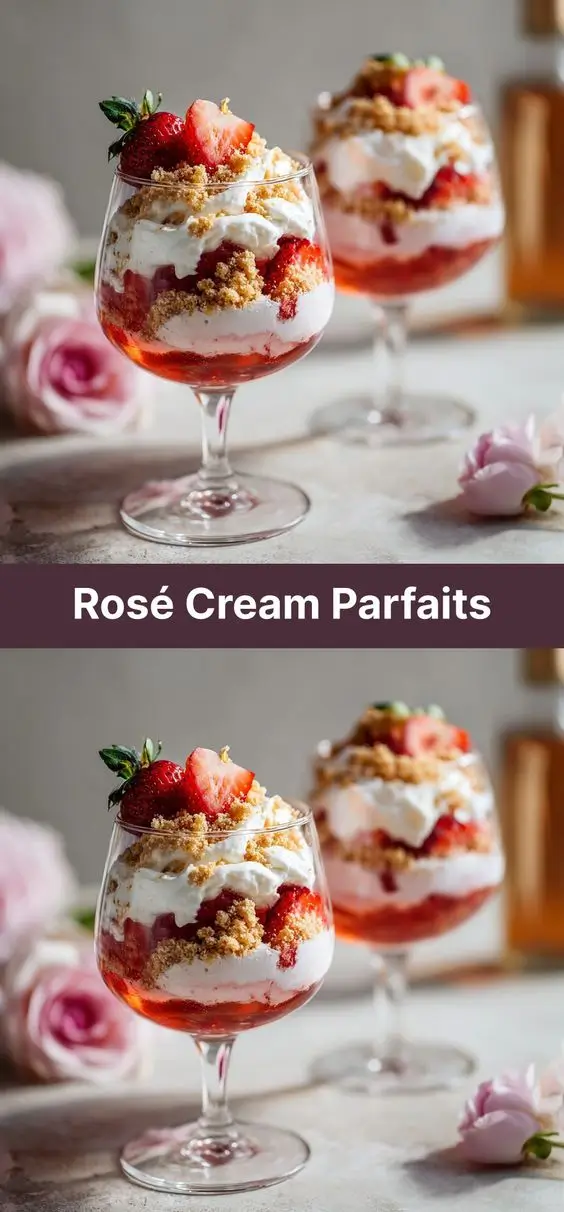
Indulge in the delicate elegance of Rosé Cream Parfaits—a luxurious dessert that marries the sophistication of fine wine with the comforting richness of creamy indulgence. These layered treats are perfect for brunches, bridal showers, romantic dinners, or as a show-stopping finale to any summer soirée. With their blush-pink hue, silky texture, and floral notes, Rosé Cream Parfaits offer not just visual appeal but a sensorial experience that lingers on the palate. Whether you’re a seasoned home baker or an adventurous foodie looking to elevate your dessert game, this recipe promises both simplicity and refinement. Each spoonful captures the essence of sun-drenched vineyards and al fresco dining, bringing a touch of Mediterranean charm straight to your table.
More than just a dessert, Rosé Cream Parfaits represent a modern culinary trend where beverages traditionally reserved for sipping—like rosé wine—are creatively incorporated into confections. This fusion reflects contemporary tastes that favor light, refreshing, and aesthetically pleasing dishes without sacrificing flavor. The parfaits balance sweetness with subtle acidity, creaminess with structure, and luxury with accessibility. They’re also incredibly versatile—easily customizable to suit dietary preferences or seasonal ingredients. From gourmet gatherings to intimate evenings at home, these parfaits add a splash of color and class to any occasion.
The History
While the exact origin of Rosé Cream Parfaits is difficult to pinpoint, the concept draws from two rich culinary traditions: French patisserie and American parfait culture. The word “parfait” itself comes from the French word meaning “perfect,” originally referring to a cold dessert made with egg yolks, sugar, cream, and often flavored with liqueur. Traditional French parfaits were custard-based and frozen, bearing resemblance to semifreddo or ice cream.
In the 20th century, particularly in North America, the term evolved to describe layered desserts typically made with yogurt, granola, and fruit—often served in clear glasses to showcase their colorful strata. This version became popular for breakfasts and healthy snacks, especially during the wellness movements of the 1970s and 1980s. However, the adult reinterpretation—incorporating alcohol like rosé wine—emerged more recently, aligning with the rise of wine-infused desserts and the growing popularity of rosé as a lifestyle symbol.
Rosé wine has enjoyed a renaissance since the early 2010s, shedding its former reputation as merely a casual patio drink and gaining recognition as a complex, terroir-driven wine capable of pairing beautifully with food—and now, desserts. Culinary innovators began experimenting by reducing rosé into syrups, using it in panna cotta, sorbets, and mousses. The Rosé Cream Parfait is a natural evolution of these experiments: a dessert that celebrates rosé not just as a beverage but as a central flavor component.
Chefs and home cooks alike have embraced this trend, inspired by Provencal summers, rosé-soaked picnics, and Instagram-worthy presentation. Today’s Rosé Cream Parfaits are a testament to how global food trends merge tradition with creativity, resulting in dishes that are both nostalgic and refreshingly new.
Ingredients Breakdown
The magic of Rosé Cream Parfaits lies in the harmony of its components. Each ingredient plays a specific role in creating a balanced, flavorful, and visually stunning dessert. Below is a detailed look at every element:
- Dry Rosé Wine (1 cup): The star of the show. Choose a crisp, dry rosé with bright acidity and subtle berry or citrus notes—avoid sweet or overly oaky varieties. The wine will be gently reduced to concentrate its flavor and remove excess alcohol while preserving its aromatic profile.
- Heavy Cream (2 cups): Provides the lush, velvety texture essential for the cream layer. High fat content ensures stability when whipped and contributes to a rich mouthfeel.
- Granulated Sugar (⅓ cup): Sweetens the cream and balances the tartness of the reduced rosé. You can adjust the amount based on your preferred sweetness level and the dryness of your wine.
- Vanilla Extract (1 tsp): Adds warmth and depth, enhancing the overall complexity without overpowering the delicate rosé flavor.
- Unflavored Gelatin (1 packet, ~2¼ tsp): Acts as a stabilizer to help the cream hold its shape, especially important if the parfaits need to sit for a while before serving. For a vegetarian alternative, use agar-agar or omit for a softer set (serve immediately).
- Water (¼ cup): Used to bloom the gelatin, ensuring it dissolves evenly and doesn’t create lumps in the cream mixture.
- Fresh Berries (1½ cups mixed): A combination of strawberries, raspberries, and blueberries adds freshness, natural sweetness, and vibrant color. Choose ripe, in-season berries for best results.
- Balsamic Glaze (optional, 2–3 tbsp): Drizzled between layers or on top for a sophisticated contrast—its tangy-sweet profile enhances the fruit and complements the rosé beautifully.
- Mascarpone or Greek Yogurt (½ cup, optional): Can be folded into the cream for added body and a slight tang, lending complexity and lightening the richness slightly.
- Ladyfingers or Shortbread Cookies (crumbled, ½ cup): Adds crunch and texture contrast. You can also use amaretti, biscotti, or even homemade tuile shards for elegance.
- Fresh Mint Leaves (for garnish): Offers a pop of green and a refreshing herbal note that ties everything together.
- Edible Flowers (optional): Such as pansies or violets, for a truly stunning presentation—ideal for special occasions.
Step-by-Step Recipe
Creating Rosé Cream Parfaits is a delightful process that combines simple techniques with elegant results. Follow these steps carefully to ensure a perfectly balanced, restaurant-quality dessert.
- Reduce the Rosé: Pour 1 cup of dry rosé wine into a small saucepan. Bring to a gentle simmer over medium heat. Allow it to reduce by half—this should take about 12–15 minutes. The liquid will become slightly syrupy and intensely aromatic. Remove from heat and let it cool completely. This reduction intensifies the flavor and removes raw alcohol taste.
- Bloom the Gelatin: In a small bowl, sprinkle one packet of unflavored gelatin over ¼ cup of cold water. Let it sit for 5–7 minutes until it becomes spongy and opaque (this is called blooming). Then, gently warm it in the microwave for 10–15 seconds or place the bowl over a pan of simmering water until fully melted and smooth. Set aside.
- Prepare the Cream Mixture: In a large mixing bowl, combine 2 cups of heavy cream, ⅓ cup sugar, and 1 teaspoon vanilla extract. Using a hand mixer or stand mixer, whip the mixture on medium speed until soft peaks form—do not over-whip. If using mascarpone or Greek yogurt, fold it in gently at this stage.
- Incorporate Rosé Reduction and Gelatin: Slowly pour the cooled rosé reduction into the whipped cream while mixing on low speed. Then, slowly drizzle in the melted gelatin, continuing to mix gently until fully incorporated. Be careful not to deflate the cream. The mixture should be fluffy, rosy pink, and hold its shape lightly.
- Chill the Mixture (Optional Quick Chill): For easier layering, refrigerate the cream for 15–20 minutes to thicken slightly—but do not let it set completely.
- Assemble the Parfaits: Use clear glass dessert cups, mason jars, or champagne flutes for maximum visual impact. Begin with a layer of crumbled ladyfingers or shortbread cookies (about 1 tbsp per glass). Add a spoonful of the berry mixture, followed by a generous layer of rosé cream (about 2–3 tbsp). Repeat the layers: berries, then cookies, then cream. Finish with a final dollop of cream on top.
- Garnish and Chill: Top each parfait with a few fresh whole berries, a mint leaf, and a light drizzle of balsamic glaze or extra reduced rosé. Cover lightly with plastic wrap and refrigerate for at least 1 hour—or up to 4 hours—to allow the flavors to meld and the cream to set gently.
- Serve: Serve chilled. For an extra flair, dust with edible gold glitter or serve with a side of sparkling wine for a full sensory experience.
<6>Prepare the Fruit Layer: While the cream chills, hull and slice 1 cup of strawberries. Combine them in a bowl with ½ cup raspberries and a few blueberries. If desired, toss gently with a teaspoon of sugar and a drizzle of balsamic glaze to macerate slightly and release juices.
Tips
- Choose the Right Rosé: Opt for a Provençal-style rosé—dry, pale pink, with notes of citrus, melon, and wild strawberry. Avoid heavily oaked or sweet rosés (like White Zinfandel), which can make the dessert cloying or bitter.
- Don’t Over-Reduce the Wine: Reducing too much can lead to an overly strong alcoholic or bitter taste. Aim for exactly half to preserve balance.
- Temperature Matters: Ensure the reduced rosé is completely cooled before adding it to the whipped cream—adding warm liquid can cause the cream to deflate or melt.
- Avoid Overmixing After Adding Gelatin: Once the gelatin is incorporated, mix gently to maintain airiness. Vigorous beating can break down the structure.
- Use Cold Bowls and Tools: Chill your mixing bowl and beaters before whipping cream for faster, fluffier results.
- Layer with Care: Use a spoon or piping bag for neat, professional-looking layers. Wipe the rim of the glass after each addition for a clean presentation.
- Serve Within 4 Hours: These parfaits are best enjoyed fresh. Prolonged chilling may cause the bottom layers to become soggy, especially if using soft cookies.
- Prep Ahead: You can reduce the rosé and prepare the berry mixture a day in advance. Store separately in the fridge. Assemble the parfaits a few hours before serving.
- Non-Alcoholic Version: Replace rosé with unsweetened cranberry-grape juice blend and add a splash of lemon juice and rose water for floral notes.
- Kid-Friendly Option: Skip the alcohol entirely and use a pink grapefruit or hibiscus tea reduction instead.
Variations and Customizations
One of the greatest strengths of Rosé Cream Parfaits is their adaptability. Here are several creative twists to suit different tastes, seasons, and dietary needs:
- Seasonal Fruit Swaps: In spring, use macerated rhubarb and strawberries; in summer, peaches and cherries work beautifully; in fall, try poached pears and figs; in winter, opt for blood oranges and pomegranate seeds.
- Vegan Version: Substitute heavy cream with chilled coconut cream, use agar-agar instead of gelatin, and sweeten with maple syrup or agave. Use dairy-free cookies for layering.
- Gluten-Free Option: Use gluten-free biscuits, almond tuiles, or crushed meringues as the crunchy layer.
- Keto/Low-Carb Adaptation: Replace sugar with erythritol or monk fruit sweetener, skip the cookies, and use low-carb berries like blackberries and raspberries in moderation.
- Boozy Upgrade: Add a splash of Chambord, St-Germain (elderflower liqueur), or orange liqueur to the cream for additional complexity.
- Herbal Infusions: Steep the rosé with fresh lavender, rosemary, or basil before reducing for a unique aromatic twist.
- Chocolate Rosé Parfait: Add a thin layer of dark chocolate shavings or cocoa crumble between the cream and fruit for a decadent variation.
- Breakfast Parfait: Use plain Greek yogurt instead of whipped cream, reduce sugar, and include granola and honey for a brunch-friendly version (non-alcoholic).
- Tropical Rosé Parfait: Swap berries for mango, passionfruit, and kiwi. Add a hint of coconut milk to the cream for a vacation-inspired treat.
- Sparkling Rosé Variation: Use chilled sparkling rosé in the reduction (be cautious—it evaporates faster) and top each parfait with a splash just before serving for effervescence.
Health Considerations and Nutritional Value
While Rosé Cream Parfaits are undeniably indulgent, understanding their nutritional profile helps in enjoying them mindfully. A standard serving (one parfait, approximately ¾ cup) contains roughly:
- Calories: 320–380 kcal
- Fat: 20–25g (mostly from saturated fat in cream)
- Carbohydrates: 30–35g (from sugar, fruit, and cookies)
- Protein: 3–5g
- Sugar: 22–28g
- Alcohol Content: Approximately 1–1.5% ABV per serving (due to reduction)
Health Notes:
- Alcohol Sensitivity: Not suitable for children, pregnant individuals, or those avoiding alcohol. Use non-alcoholic substitutes as mentioned earlier.
- Lactose Intolerance: Heavy cream contains lactose. Consider lactose-free cream or plant-based alternatives.
- Balanced Indulgence: Best enjoyed in moderation. Pair with a light meal to avoid heaviness.
- Fruit Benefits: Berries provide antioxidants, vitamin C, and fiber, adding nutritional value amidst the richness.
- Portion Control: Serve in smaller coupe glasses to keep calories in check without sacrificing satisfaction.
- Gelatin Benefits: Contains collagen, which some studies suggest supports joint and skin health—though benefits are modest in dessert quantities.
For those managing diabetes or blood sugar, consider using low-glycemic sweeteners and limiting high-sugar fruits. Always consult dietary guidelines based on personal health conditions.
Ingredients
- 1 cup dry rosé wine (preferably Provençal style)
- 2 cups heavy cream, cold
- ⅓ cup granulated sugar (adjust to taste)
- 1 teaspoon pure vanilla extract
- 1 packet (2¼ tsp) unflavored gelatin
- ¼ cup cold water
- 1 cup fresh strawberries, hulled and sliced
- ½ cup raspberries
- ¼ cup blueberries
- 1 tablespoon balsamic glaze (optional)
- ½ cup crumbled ladyfingers or shortbread cookies
- Fresh mint leaves and edible flowers, for garnish
- Additional balsamic glaze or reduced rosé, for drizzling
Directions
- In a small saucepan, bring rosé wine to a gentle simmer over medium heat. Cook until reduced by half (about 12–15 minutes). Remove from heat and let cool completely.
- In a small bowl, sprinkle gelatin over cold water. Let bloom for 5–7 minutes, then gently melt in microwave or over a double boiler. Set aside to cool slightly.
- In a large bowl, combine heavy cream, sugar, and vanilla extract. Whip using an electric mixer until soft peaks form.
- If using, fold in mascarpone or Greek yogurt for added richness or tang.
- Slowly pour the cooled rosé reduction into the whipped cream while mixing on low speed.
- Gradually drizzle in the melted gelatin, mixing gently until fully incorporated and fluffy.
- Refrigerate the cream mixture for 15–20 minutes to thicken slightly.
- In a separate bowl, combine strawberries, raspberries, blueberries, and a drizzle of balsamic glaze. Toss gently and set aside.
- Begin assembling: Place 1 tablespoon of crumbled cookies at the bottom of each serving glass.
- Add a layer of mixed berries (about 2 tablespoons).
- Spoon 2–3 tablespoons of rosé cream over the berries.
- Repeat the layers: cookies, berries, cream.
- Top with a final dollop of cream, a few whole berries, a mint leaf, and a light drizzle of balsamic or reduced rosé.
- Cover and refrigerate for at least 1 hour before serving.
- Serve chilled and enjoy within 4 hours for optimal texture.
FAQ
Can I make Rosé Cream Parfaits ahead of time?
Yes, but assemble no more than 4 hours in advance. The cookies may soften over time. Prepare components separately and layer just before serving for best results.
Can I freeze Rosé Cream Parfaits?
Not recommended. Freezing can alter the texture of the cream, making it grainy upon thawing. They are best kept refrigerated and consumed fresh.
What if my cream won’t whip?
Ensure your cream and bowl are well-chilled. Warm temperatures or low-fat cream can prevent proper whipping. Avoid over-beating, which can turn cream into butter.
Is there a substitute for gelatin?
Yes. Use 1 teaspoon agar-agar powder dissolved in ¼ cup water and boiled for 1 minute. Cool slightly before adding. Note: agar sets firmer than gelatin.
Can I use sweet rosé wine?
It’s not ideal. Sweet rosés can make the dessert overly sugary. If using, reduce sugar in the recipe or balance with lemon juice.
Are these parfaits safe for kids?
Due to alcohol content—even after reduction—we recommend preparing a separate non-alcoholic version for children.
Why did my parfait weep or separate?
This can happen if the rosé reduction wasn’t cooled enough or if the gelatin didn’t incorporate evenly. Always cool liquids before folding into cream.
Can I use store-bought whipped cream?
For best results, whip fresh cream. Pre-whipped toppings lack structure and may collapse when mixed with liquid.
How many servings does this recipe make?
This recipe yields 4–6 parfaits, depending on glass size (typically 6–8 oz each).
Can I add alcohol to the fruit layer?
Yes! A splash of framboise liqueur or kirsch enhances the berries beautifully. Just be mindful of total alcohol content.
Summary
Delicate, dreamy, and dazzling, Rosé Cream Parfaits are the ultimate fusion of wine culture and dessert artistry—layered with luscious cream, fresh berries, and a hint of elegance. Perfect for entertaining or treating yourself, they capture the spirit of summer in every spoonful.