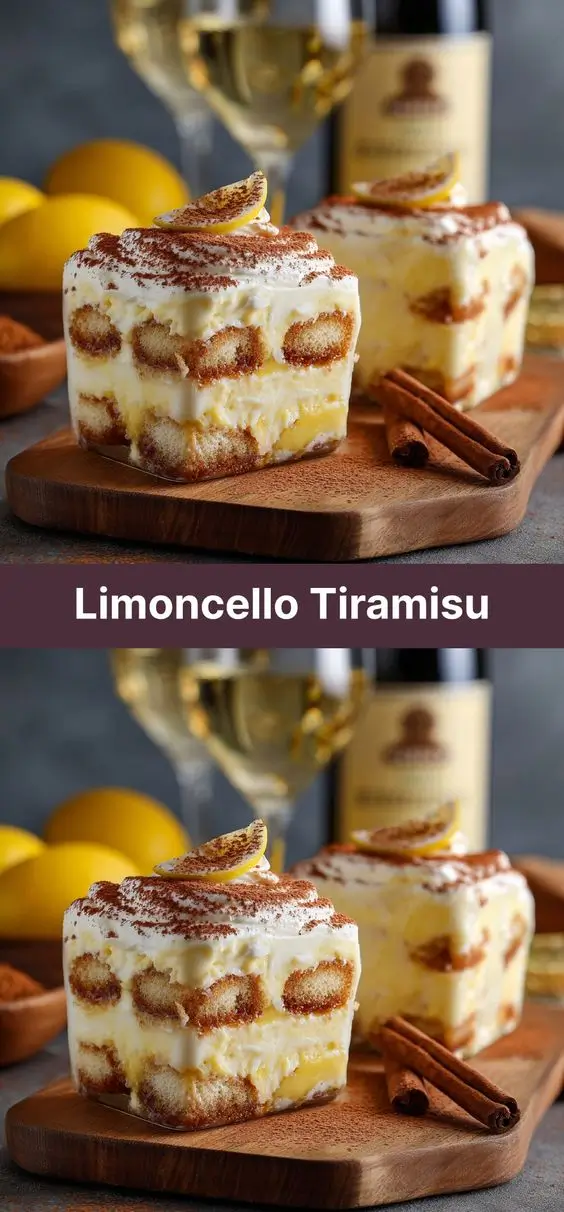
Limoncello Tiramisu: A Zesty Italian Delight
The History of Limoncello Tiramisu
Limoncello Tiramisu is a modern twist on the classic Italian dessert that has captured hearts around the world. Traditional tiramisu, which means “pick me up” in Italian, originated in the Veneto region of Italy during the 1960s and is traditionally made with layers of coffee-soaked ladyfingers, mascarpone cheese, eggs, sugar, and cocoa powder. Its rich, creamy texture and bold flavor profile quickly made it a staple in Italian households and restaurants alike.
As global palates began to crave lighter, more refreshing desserts, culinary innovators experimented with infusing traditional recipes with citrus elements. Enter limoncello—a vibrant, lemon-based liqueur from Southern Italy, particularly associated with the Amalfi Coast and Sicily. Made from steeping lemon zest in grain alcohol and then mixing it with simple syrup, limoncello brings a bright, tangy sweetness that cuts through richness beautifully. Combining this spirited elixir with the luxurious base of tiramisu gave birth to Limoncello Tiramisu—a dessert that marries the best of both worlds: the indulgence of mascarpone and the zing of lemon.
This fusion dessert reflects not only the evolution of Italian cuisine but also the globalization of food culture. Today, Limoncello Tiramisu is often served at summer gatherings, weddings, and dinner parties where guests appreciate its refreshing character. It’s especially popular in coastal regions and among those who love citrus-forward desserts. While purists may raise an eyebrow at straying from the original coffee-laced version, Limoncello Tiramisu has earned its place as a beloved variation—offering a sunny alternative perfect for warm weather and celebratory occasions.
Ingredients Breakdown
Creating the perfect Limoncello Tiramisu requires a careful balance of flavors and textures. Each ingredient plays a vital role in achieving the final harmony between creaminess, sweetness, acidity, and alcohol infusion. Below is a detailed breakdown of every component used in this exquisite dessert:
- Mascarpone Cheese (16 oz / 450g): This ultra-creamy Italian cheese is the heart of any tiramisu. Unlike ricotta or cream cheese, mascarpone has a high-fat content and smooth, velvety texture that provides richness without heaviness. Make sure to use cold mascarpone straight from the fridge to prevent curdling when mixed.
- Egg Yolks (4 large): Used to create a custard-like base, egg yolks add silkiness and depth to the filling. They emulsify the mixture and help stabilize the mascarpone. For safety and ease, many modern recipes now use pasteurized eggs or skip raw eggs altogether by incorporating whipped cream instead.
- Granulated Sugar (½ cup / 100g): Adds sweetness and helps dissolve into the egg yolk mixture to form a thick ribbon-like consistency. You can adjust the amount based on your preference for tartness versus sweetness.
- Heavy Whipping Cream (1 ½ cups / 360ml): Chilled and beaten to stiff peaks, this lightens the dense mascarpone mixture, giving the tiramisu a fluffy, cloud-like texture. It also makes the dessert safer to consume since no raw whites are folded in.
- Limoncello Liqueur (¾ cup / 180ml): The star of the show. Authentic Italian limoncello imparts intense lemon flavor and subtle warmth from alcohol. Choose a high-quality brand for the best taste—avoid overly sweet or artificial versions. Reserve some extra for drizzling over individual servings if desired.
- Fresh Lemon Juice (¼ cup / 60ml): Enhances the citrus notes and balances the sweetness. Always use freshly squeezed juice for maximum brightness and no preservatives.
- Lemon Zest (from 1–2 lemons): Adds aromatic intensity and tiny bursts of essential oils throughout the dessert. Microplane-grated zest integrates seamlessly into the filling.
- Ladyfingers (Savoiardi) (24–30 pieces): These dry, sponge-like biscuits are ideal for absorbing liquid without disintegrating. Look for authentic Italian savoiardi; they hold their structure better than softer alternatives like biscotti or sponge cake.
- Water (½ cup / 120ml): Mixed with limoncello to dilute the alcohol slightly and ensure even soaking of the ladyfingers without overpowering them.
- Confectioners’ Sugar (for dusting): Used to finish the dessert with a snowy top layer that mimics the look of traditional tiramisu’s cocoa powder. Alternatively, you can use a mix of confectioners’ sugar and lemon zest for added fragrance.
- Optional Garnishes: Fresh berries (raspberries, blueberries), edible flowers, mint leaves, or lemon curls for presentation. Some bakers also sprinkle a light coating of matcha or turmeric for color contrast, though purists may frown upon such additions.
Step-by-Step Recipe
- Prepare the Limoncello Soaking Mixture: In a shallow bowl or dish, combine ½ cup of limoncello with ½ cup of water. Stir well and set aside. This diluted mixture will gently soak the ladyfingers without making them soggy or overly alcoholic.
- Whip the Egg Yolks and Sugar: In a heatproof bowl placed over a pot of simmering water (double boiler method), whisk together the egg yolks and granulated sugar. Continue whisking constantly for 7–10 minutes until the mixture becomes pale yellow, thick, and forms ribbons when lifted with the whisk. Remove from heat and let cool slightly while continuing to stir to prevent skin formation.
- Beat the Mascarpone: In a separate large mixing bowl, add the cold mascarpone cheese. Using an electric hand mixer or stand mixer with a paddle attachment, beat gently just until smooth—do not overmix, or it may become runny. Gradually incorporate the cooled egg yolk mixture and beat until fully combined and creamy.
- Add Citrus Elements: Stir in ¼ cup of fresh lemon juice and the finely grated zest of one to two lemons. Mix thoroughly to distribute the citrus evenly throughout the mascarpone base.
- Whip the Heavy Cream: In another clean, chilled bowl, pour in the heavy whipping cream. Beat on medium-high speed until soft peaks begin to form, then increase to high speed and continue until stiff peaks form—about 2–3 minutes. Be careful not to over-whip into butter.
- Fold in the Whipped Cream: Gently fold one-third of the whipped cream into the mascarpone mixture using a spatula to lighten it. Then carefully fold in the remaining whipped cream in two batches, using a figure-eight motion to maintain airiness. Stop folding once the mixture is uniform and no white streaks remain.
- Soak the Ladyfingers: Working quickly, dip each ladyfinger into the limoncello-water mixture for 1–2 seconds per side—just long enough to absorb moisture but not break apart. Do not oversoak, or the dessert will become mushy.
- Layer the First Base: Arrange a single layer of soaked ladyfingers in the bottom of a 9×13 inch glass serving dish or trifle bowl, breaking some to fit gaps if needed. Ensure full coverage without overlapping too much.
- Spread Half the Filling: Spoon approximately half of the mascarpone-limoncello mixture over the ladyfingers. Use an offset spatula or back of a spoon to spread it into a smooth, even layer.
- Add Second Layer of Ladyfingers: Repeat the dipping process and arrange another layer of soaked ladyfingers on top of the first cream layer.
- Top with Remaining Filling: Spread the rest of the creamy mixture over the second layer of ladyfingers, smoothing the surface for a clean finish.
- Chill Thoroughly: Cover the dish tightly with plastic wrap, ensuring the wrap touches the surface of the cream to prevent a skin from forming. Refrigerate for at least 6 hours, preferably overnight, to allow flavors to meld and the dessert to set properly.
- Dust Before Serving: Just before serving, remove from the refrigerator and lightly dust the top with confectioners’ sugar using a fine mesh sieve. Optionally, garnish with lemon zest, fresh berries, or mint leaves.
Tips for Perfect Limoncello Tiramisu
- Use High-Quality Limoncello: Since limoncello is a dominant flavor, investing in a premium, artisanal bottle makes a noticeable difference. Homemade limoncello is ideal if available.
- Don’t Skip the Double Boiler for Eggs: Cooking the egg yolks gently ensures a stable, safe, and silky base. If concerned about raw eggs, consider using pasteurized eggs or replace the yolks with a cooked custard thickened with cornstarch.
- Keep Everything Cold: Chill your mixing bowls and beaters before whipping cream. Warm tools lead to flat, greasy results.
- Avoid Overmixing Mascarpone: Once the mascarpone reaches a smooth consistency, stop beating. Overworking causes separation and a watery texture.
- Control Soaking Time: Ladyfingers should be moistened, not saturated. Aim for 1–2 seconds per side. If they start falling apart, reduce time or use fresher savoiardi.
- Let It Rest Overnight: Allowing the tiramisu to chill for 8–12 hours enhances flavor integration and structural integrity. Rushing this step leads to loose layers.
- Serve Chilled: This dessert is best enjoyed cold, straight from the refrigerator. Let it sit at room temperature for 5–10 minutes before serving for optimal creaminess.
- Cut Clean Slices: Dip a sharp knife in hot water and wipe dry between cuts for neat, professional-looking portions.
- Adjust Sweetness: Taste your limoncello first—if it’s very sweet, reduce the granulated sugar in the recipe by 1–2 tablespoons.
- Freezing Option: While not traditional, you can freeze Limoncello Tiramisu for up to 2 weeks. Wrap tightly and thaw overnight in the fridge before dusting and serving.
Variations and Customizations
Limoncello Tiramisu is wonderfully adaptable. Whether you’re catering to dietary restrictions, seasonal ingredients, or adventurous tastes, here are several creative ways to personalize this dessert:
- Alcohol-Free Version: Replace limoncello with a blend of lemon juice, lemon zest, and non-alcoholic vanilla extract. Add a splash of lemon soda for effervescence during soaking.
- Vegan Limoncello Tiramisu: Substitute mascarpone with blended cashews or store-bought vegan cream cheese. Use coconut cream instead of dairy cream and aquafaba (chickpea brine) whipped with sugar as an egg replacement.
- Gluten-Free Adaptation: Use gluten-free ladyfingers or substitute with almond flour sponge rounds. Many specialty bakeries now offer certified GF savoiardi.
- Lactose-Free Option: Opt for lactose-free mascarpone and heavy cream. These are widely available in supermarkets and perform identically in recipes.
- Fruit-Infused Layers: Add thin slices of macerated strawberries, raspberries, or passion fruit between layers for a fruity burst. Drain excess juices to avoid sogginess.
- Herbal Twist: Infuse the limoncello mixture with fresh basil or thyme for a sophisticated herbal note that complements lemon beautifully.
- Chocolate-Lemon Fusion: Sprinkle mini white chocolate chips into the filling or drizzle dark chocolate over the finished dessert for a decadent contrast.
- Individual Parfaits: Layer the components in clear glasses or mason jars for elegant single-serving desserts. Great for parties and easy portion control.
- Seasonal Themes: Top with candied lemon slices in winter, edible flowers in spring, or berry compote in summer for festive flair.
- Kid-Friendly Version: Omit alcohol entirely and use lemonade for soaking. Increase lemon zest and serve with graham cracker crumbs for crunch.
Health Considerations and Nutritional Value
While Limoncello Tiramisu is undeniably indulgent, understanding its nutritional profile helps you enjoy it mindfully. Here’s a general estimate per serving (based on 12 servings):
| Nutrient | Amount Per Serving |
|---|---|
| Calories | ~320 kcal |
| Total Fat | 24g |
| Saturated Fat | 14g |
| Cholesterol | 130mg |
| Sodium | 85mg |
| Total Carbohydrates | 22g |
| Sugars | 18g |
| Protein | 5g |
| Alcohol Content | ~1.5 oz limoncello total (~3% ABV per serving) |
Health Notes:
- High in Saturated Fat: Due to mascarpone and heavy cream, this dessert is rich in saturated fats. Those monitoring cholesterol should consume in moderation.
- Raw Egg Warning: Traditional recipes use raw eggs, which pose a slight risk of salmonella. Use pasteurized eggs or cook the yolks for safety, especially for pregnant women, elderly individuals, or immunocompromised persons.
- Sugar Content: Contains significant added sugar. Consider reducing sugar slightly or using natural sweeteners like maple syrup or erythritol in small amounts (though texture may vary).
- Gluten and Dairy: Not suitable for people with celiac disease or severe dairy allergies unless modified with appropriate substitutes.
- Portion Control: Serve smaller slices alongside fresh fruit or tea to balance the meal.
- Antioxidants from Lemons: Lemon juice and zest contribute vitamin C and flavonoids, offering mild antioxidant benefits despite the dessert’s richness.
Ingredients
- 16 oz (450g) mascarpone cheese, cold
- 4 large egg yolks (preferably pasteurized)
- ½ cup (100g) granulated sugar
- 1 ½ cups (360ml) heavy whipping cream, chilled
- ¾ cup (180ml) limoncello liqueur, divided
- ½ cup (120ml) water
- ¼ cup (60ml) fresh lemon juice
- Zest of 1–2 lemons
- 24–30 savoiardi (ladyfingers)
- ¼ cup (30g) confectioners’ sugar, for dusting
- Optional: fresh berries, mint leaves, lemon curls for garnish
Directions
- In a small bowl, mix ½ cup limoncello with ½ cup water. Set aside.
- Place egg yolks and granulated sugar in a heatproof bowl. Set over a saucepan of simmering water, ensuring the bottom doesn’t touch the water. Whisk continuously for 7–10 minutes until pale, thick, and ribbon-like. Remove from heat and cool slightly.
- In a large bowl, beat mascarpone with an electric mixer until smooth. Gradually add the cooled egg mixture and beat until incorporated.
- Mix in lemon juice and lemon zest until well blended.
- In another bowl, whip the chilled heavy cream to stiff peaks.
- Gently fold one-third of the whipped cream into the mascarpone mixture to lighten, then fold in the remainder until smooth and airy.
- Quickly dip each ladyfinger into the limoncello-water mixture (1–2 seconds per side) and place in a single layer in a 9×13 inch dish.
- Spread half of the cream mixture over the ladyfingers.
- Repeat dipping and layering with another layer of soaked ladyfingers.
- Cover with the remaining cream, smoothing the top.
- Drizzle remaining ¼ cup limoncello evenly over the top layer (optional for stronger flavor).
- Cover with plastic wrap touching the surface. Chill for at least 6 hours, preferably overnight.
- Before serving, dust generously with confectioners’ sugar and garnish as desired.
FAQ
Q: Can I make Limoncello Tiramisu ahead of time?
A: Absolutely! This dessert actually improves with time. Prepare it 1–2 days in advance for optimal flavor development.
Q: Is it safe to eat raw eggs in tiramisu?
A: If using pasteurized eggs or cooking the yolk-sugar mixture over a double boiler (as instructed), the risk is minimal. For zero-risk options, try egg-free versions with whipped cream stabilizers.
Q: Why did my tiramisu turn out runny?
A: Common causes include over-soaking the ladyfingers, using warm ingredients, under-whipping the cream, or not chilling long enough. Always chill for at least 6 hours.
Q: Can I use lemon extract instead of limoncello?
A: Not recommended. Extract lacks the complexity and alcohol content needed for proper flavor and texture. Try a non-alcoholic limoncello alternative instead.
Q: How long does Limoncello Tiramisu last in the fridge?
A: Properly stored, it keeps well for 4–5 days. After that, the ladyfingers may become too soft and the flavors dull.
Q: Can I freeze Limoncello Tiramisu?
A: Yes, but texture may change slightly upon thawing. Freeze uncovered first, then wrap tightly. Thaw overnight in the fridge before serving.
Q: What can I use instead of ladyfingers?
A: Sponge cake, pound cake, or biscotti can work in a pinch, but they absorb liquids differently. Adjust soaking time accordingly.
Q: Can I make this in individual cups?
A: Definitely! Layer in parfait glasses for beautiful presentations. Perfect for parties and portion control.
Summary
Limoncello Tiramisu is a luminous twist on the classic Italian dessert, blending creamy mascarpone with zesty lemon liqueur for a refreshingly bright treat perfect for summer evenings and special celebrations. With its delicate balance of sweetness, acidity, and elegance, this dessert offers a joyful departure from tradition while honoring its roots.