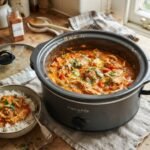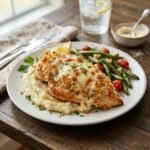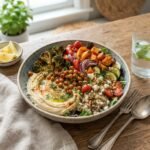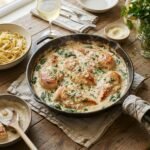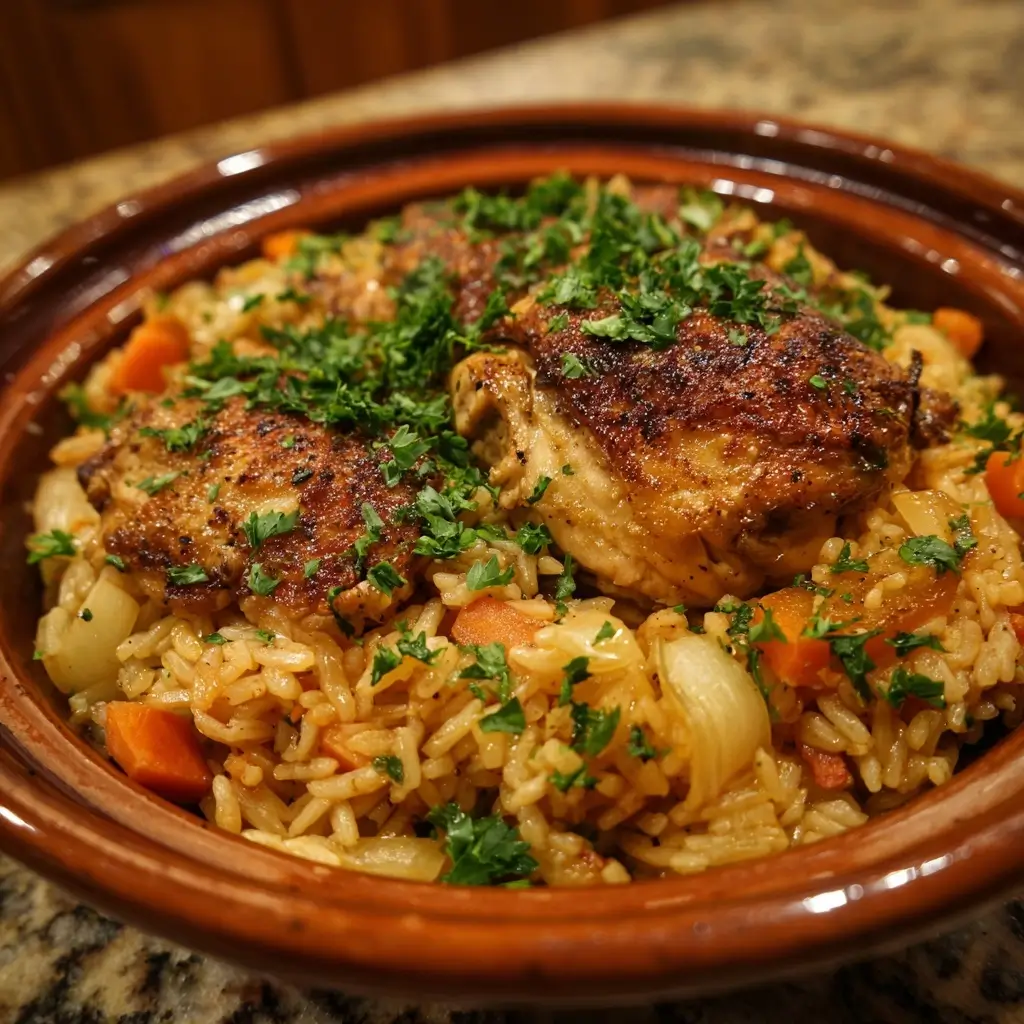
Chicken and Rice One Pot: The Ultimate Comfort Meal
The History of Chicken and Rice One Pot
The concept of combining chicken and rice in a single dish spans cultures and continents, with roots tracing back centuries. Ancient civilizations across Asia, the Middle East, Africa, and Latin America developed variations of this hearty meal as a practical way to feed families using readily available ingredients. In West Africa, dishes like Jollof rice combine tomatoes, onions, spices, and chicken cooked together in one pot—a tradition that influenced Caribbean and South American cuisines through the transatlantic slave trade.
In Spain, paella emerged along the eastern coast, particularly in Valencia, where farmers would cook rice with whatever proteins were on hand—including chicken, rabbit, and snails—over an open flame. Similarly, Middle Eastern cuisines feature kabsa and maqluba, fragrant rice dishes seasoned with warming spices like cardamom, cinnamon, cloves, and saffron, often including whole or pieces of chicken. Across Asia, from Chinese clay-pot chicken rice to Indonesian nasi tim, the idea of simmering meat and grains together has long been cherished for its depth of flavor and convenience.
The modern “one-pot” version popularized in American households during the 20th century was driven by post-war kitchen efficiency trends. With busy lifestyles and a growing emphasis on quick cleanup, recipes that minimized dishes became staples. Canned soups and instant rice products made it even easier to prepare meals like chicken and rice quickly. Today’s gourmet takes on the classic one-pot dish blend traditional techniques with contemporary flavors, making it a beloved global comfort food that continues to evolve while honoring its rich culinary heritage.
Ingredients Breakdown: What Goes Into a Perfect Chicken and Rice One Pot?
The beauty of chicken and rice one pot lies not only in its simplicity but also in the thoughtful balance of ingredients that come together to create layers of flavor and texture. Each component plays a vital role—from protein and starch to aromatics, seasonings, and liquids—and understanding their purpose helps elevate your cooking.
- Chicken: Bone-in, skin-on thighs or drumsticks are ideal for maximum flavor and moisture retention during long cooking. However, boneless, skinless breasts or cut-up chicken pieces work well too, especially if you’re short on time. The key is choosing high-quality, preferably organic or free-range chicken for better taste and nutrition.
- Rice: Long-grain white rice (such as jasmine or basmati) is most commonly used because it holds its shape and doesn’t become overly sticky when cooked. Medium-grain rice like Arborio can be substituted for creamier results, though you may need to adjust liquid ratios. Avoid instant or parboiled rice unless specified, as they absorb water differently.
- Aromatics: Onion, garlic, celery, and carrots form the aromatic base known as mirepoix in French cuisine. These vegetables build foundational flavor and add subtle sweetness and complexity when sautéed before adding other ingredients.
- Fat/Oil: Olive oil, butter, or avocado oil are excellent choices for browning chicken and sautéing vegetables. Butter adds richness, while olive oil contributes a fruity note and helps develop fond (the browned bits at the bottom of the pan crucial for flavor).
- Liquid: Chicken broth or stock is essential—not only does it cook the rice, but it infuses every grain with savory depth. Low-sodium versions allow better control over salt levels. Some recipes incorporate white wine, coconut milk, or tomato juice for added nuance.
- Herbs & Spices: Bay leaves, thyme, rosemary, paprika, turmeric, cumin, black pepper, and parsley are common seasonings. Fresh herbs added at the end brighten the dish, while dried herbs should be introduced early to bloom in fat.
- Acidity: A splash of lemon juice or vinegar at the end enhances overall flavor by balancing richness and bringing all components into harmony.
- Optional Add-ins: Peas, green beans, mushrooms, bell peppers, spinach, sun-dried tomatoes, olives, or artichoke hearts can increase nutritional value and visual appeal without compromising the integrity of the dish.
Step-by-Step Recipe: How to Make Chicken and Rice One Pot
This detailed guide ensures tender chicken, perfectly cooked rice, and a deeply flavorful sauce—all in just one skillet or Dutch oven.
- Prep Ingredients: Pat 4 bone-in, skin-on chicken thighs dry with paper towels (this ensures proper browning). Season generously with salt and pepper on both sides. Chop 1 medium onion, 2 celery stalks, 1 carrot, and mince 3 cloves of garlic. Measure out 1 cup of long-grain white rice and have 2½ cups of warm chicken broth ready.
- Heat the Pot: Place a large heavy-bottomed pot or Dutch oven (with lid) over medium-high heat. Add 2 tablespoons of olive oil and allow it to shimmer—about 1 minute.
- Brown the Chicken: Carefully place chicken pieces skin-side down into the hot oil. Cook undisturbed for 5–7 minutes until golden brown and crisp. Flip and sear the other side for 3–4 minutes. Remove chicken and set aside on a plate.
- Sauté Aromatics: In the same pot, reduce heat to medium. Add chopped onions, celery, and carrots. Cook, stirring occasionally, for 6–8 minutes until softened and lightly caramelized. Stir in minced garlic and cook for 30 seconds until fragrant.
- Add Rice: Pour in the rice and stir constantly for 1–2 minutes to toast slightly—this enhances nuttiness and prevents mushiness later.
- Season and Deglaze: Sprinkle in 1 tsp paprika, ½ tsp dried thyme, ¼ tsp black pepper, and 1 bay leaf. Stir briefly, then slowly pour in ½ cup of dry white wine (optional), scraping up any browned bits from the bottom of the pot—the fond is pure flavor!
- Add Liquid: Gradually stir in 2½ cups of warm chicken broth. Increase heat to bring mixture to a gentle boil.
- Return Chicken: Nestle the browned chicken pieces into the liquid, skin-side up, so they remain above the rice line. This allows steam to cook the meat while keeping the skin somewhat crisp.
- Simmer Covered: Reduce heat to low, cover tightly with a lid, and let simmer gently for 25–30 minutes. Do NOT lift the lid during this time—steam is critical for even cooking.
- Check Doneness: After 25 minutes, check if rice is tender and liquid is absorbed. Insert a thermometer into the thickest part of the chicken—it should read 165°F (74°C). If needed, continue cooking for 5 more minutes.
- Rest and Finish: Turn off heat and let sit covered for 10 minutes. This allows rice to finish steaming and absorb residual moisture evenly. Discard bay leaf.
- Garnish and Serve: Sprinkle with fresh chopped parsley and a squeeze of lemon juice. Optionally, broil under the oven for 2–3 minutes to crisp the skin further if desired.
Tips for Success: Mastering Your One-Pot Chicken and Rice
- Don’t Skip Browning: Searing the chicken builds flavor through the Maillard reaction. Golden-brown skin equals deep umami taste.
- Toasting the Rice Matters: Lightly toasting rice in fat coats each grain with oil, helping them stay separate and fluffy after cooking.
- Use Warm Broth: Cold liquid shocks the system and slows cooking; warm broth maintains consistent temperature.
- Resist the Urge to Peek: Keeping the lid sealed traps steam necessary for cooking rice properly. Lifting it releases heat and moisture, risking uneven results.
- Rest Before Serving: Letting the dish rest off the heat finishes the cooking process gently and gives time for absorption, preventing sogginess.
- Adjust Salt Carefully: Taste broth before adding extra salt, especially if using store-bought stock. You can always add more later.
- Cook Time Varies: Different pots conduct heat differently. Cast iron retains heat longer than stainless steel, so monitor accordingly.
- Choose the Right Pot Size: Use a 4–6 quart vessel. Too small causes overflow; too large leads to uneven evaporation and scorching.
Variations and Customizations: Make It Your Own
One of the greatest strengths of this recipe is its adaptability. Whether you’re catering to dietary preferences, cultural tastes, or seasonal ingredients, there’s room for creativity.
Global Twists
- Mediterranean Style: Add diced tomatoes, Kalamata olives, oregano, and feta cheese. Finish with fresh dill or mint.
- Latin-Inspired: Use cumin, chili powder, cilantro, and swap broth for tomato-based salsa. Add black beans and corn for heartiness.
- Asian Fusion: Replace some broth with coconut milk, add ginger, soy sauce, and lemongrass. Top with sliced green onions and sesame seeds.
- Indian-Influenced: Sauté mustard seeds, curry leaves, turmeric, garam masala, and serve with raita on the side.
- Creole/Jambalaya Version: Include smoked sausage, bell peppers, okra, and cayenne pepper for a spicy kick.
Dietary Modifications
- Gluten-Free: Ensure broth and spices are certified gluten-free. Most plain rice and poultry are naturally safe.
- Keto/Low-Carb: Substitute cauliflower rice. Par-cook separately and fold in at the end to avoid mushiness.
- Dairy-Free: Stick to oils instead of butter. Many versions are naturally dairy-free.
- Vegetarian/Vegan Option: Omit chicken, use plant-based protein (tofu, tempeh, chickpeas), and mushroom or vegetable broth for earthy depth.
Flavor Boosters
- Stir in sun-dried tomatoes or roasted red peppers for sweetness and color.
- Add a Parmesan rind while cooking for savory umami notes (remove before serving).
- Include frozen peas or chopped kale in the last 5 minutes of resting.
- Top with toasted almonds, pine nuts, or pepitas for crunch.
Health Considerations and Nutritional Value
When prepared thoughtfully, chicken and rice one pot can be a balanced, nutrient-rich meal suitable for various diets.
Nutrition Highlights (Per Serving, Approximate)
| Nutrient | Amount |
|---|---|
| Calories | ~400–500 kcal |
| Protein | 30–35g |
| Total Fat | 18–22g |
| Saturated Fat | 4–6g |
| Carbohydrates | 35–40g |
| Fiber | 3–5g (with veggies) |
| Sodium | Varies – 500–900mg (lower with low-sodium broth) |
| Vitamin A, C, Iron, Calcium | Moderate to high depending on additions |
Health Benefits
- Lean Protein Source: Chicken provides essential amino acids important for muscle repair, immune function, and satiety.
- Energy-Sustaining Carbs: Rice delivers glucose, the body’s preferred energy source, especially beneficial for active individuals.
- Fiber-Rich Potential: Adding vegetables increases fiber intake, promoting digestive health and stable blood sugar.
- Anti-Inflammatory Spices: Turmeric, garlic, and black pepper offer antioxidant and anti-inflammatory properties.
What to Watch Out For
- Sodium Content: Store-bought broths and canned goods can be high in sodium. Opt for low-sodium versions and season mindfully.
- Saturated Fat: Skin-on chicken and butter increase saturated fat. For a lighter version, remove skin before eating or use olive oil.
- Glycemic Index: White rice has a moderate-to-high GI. Pairing with protein and fiber helps mitigate blood sugar spikes.
- Balancing Portions: Aim for a ratio of 1:1 or 1:2 (protein:carbs) depending on dietary goals. Prioritize vegetables to bulk up volume without excess calories.
Full Ingredient List
- 4 bone-in, skin-on chicken thighs (or equivalent chicken parts)
- Salt and freshly ground black pepper (to taste)
- 2 tbsp olive oil (or avocado oil/butter)
- 1 medium yellow onion, diced
- 2 celery stalks, finely chopped
- 1 large carrot, diced
- 3 garlic cloves, minced
- 1 cup long-grain white rice (jasmine or basmati preferred)
- 1 tsp smoked paprika
- ½ tsp dried thyme
- ¼ tsp black pepper
- 1 bay leaf
- ½ cup dry white wine (optional, substitute with broth)
- 2½ cups warm low-sodium chicken broth
- ¼ cup fresh parsley, chopped (plus extra for garnish)
- 1 tbsp lemon juice (from half a lemon)
- Optional: frozen peas, spinach, mushrooms, etc.
Directions Recap
- Season chicken with salt and pepper. Heat oil in a large pot over medium-high heat.
- Brown chicken skin-side down for 5–7 minutes, flip and sear opposite side for 3–4 minutes. Transfer to a plate.
- Lower heat to medium, add onion, celery, and carrot. Cook 6–8 minutes until soft.
- Add garlic, stir 30 seconds. Add rice, stir 1–2 minutes to toast.
- Stir in paprika, thyme, pepper, and bay leaf. Deglaze with wine, scraping bottom.
- Pour in warm broth, bring to a boil.
- Nestle chicken into the pot, skin above rice level.
- Cover, reduce heat to low, simmer 25–30 minutes without lifting the lid.
- Turn off heat, rest covered for 10 minutes.
- Remove bay leaf, stir in parsley and lemon juice. Adjust seasoning.
- Garnish and serve warm.
Frequently Asked Questions (FAQ)
Can I use chicken breast instead of thighs?
Yes, but take care—chicken breasts are leaner and dry out faster. Reduce cooking time by 5–7 minutes and consider pounding them to even thickness for uniform doneness.
Why is my rice mushy or crunchy?
Mushy rice usually means too much liquid or overcooking. Crunchy rice indicates insufficient liquid or premature lid removal. Always measure accurately and resist peeking!
Can I make this ahead of time?
Absolutely. Prepare the dish fully, cool within two hours, and refrigerate for up to 3 days. Reheat gently on the stove with a splash of broth to revive moisture.
Is it freezer-friendly?
Yes! Cool completely, portion into airtight containers, and freeze for up to 3 months. Thaw overnight in fridge before reheating.
Can I use instant rice?
You can, but cooking method must change. Sear chicken and sauté veggies as usual, then add broth and bring to a boil. Stir in instant rice, cover, remove from heat, and let sit 5–7 minutes.
How do I clean the pot easily?
If rice sticks slightly, fill the cooled pot with warm water and let soak for 20–30 minutes. Most residue will loosen effortlessly.
Can I cook this in a slow cooker or Instant Pot?
Definitely! For Instant Pot: use Saute function to brown chicken and veggies, then add remaining ingredients except parsley and lemon. Seal and cook on Manual High Pressure for 10 minutes, followed by natural release for 10 minutes. Stir in greens and finish as usual. Slow cooker adaptation requires pre-browning and reduced liquid (use ~1¾ cups broth).
Do I need to rinse the rice?
It depends. Rinsing removes excess starch and prevents gumminess—recommended for non-enriched rice. If using enriched white rice, rinsing may wash away added nutrients. When in doubt, rinse lightly and drain well.
Can I make it crispy on top like a paella?
Yes! After resting, uncover and place under a preheated broiler for 2–4 minutes to crisp the top layer. Alternatively, finish in a 400°F (200°C) oven for 10–12 minutes uncovered.
What sides go well with this dish?
Keep it simple: a crisp green salad, roasted asparagus, garlic bread, or pickled vegetables provide contrast in texture and temperature.
Summary
Chicken and Rice One Pot is a timeless, globally inspired dish that combines juicy chicken, fluffy rice, and aromatic vegetables in a single pot for minimal cleanup and maximum flavor. Hearty, customizable, and nutritious, it’s perfect for weeknight dinners, meal prep, or feeding a crowd with ease.