Introduction
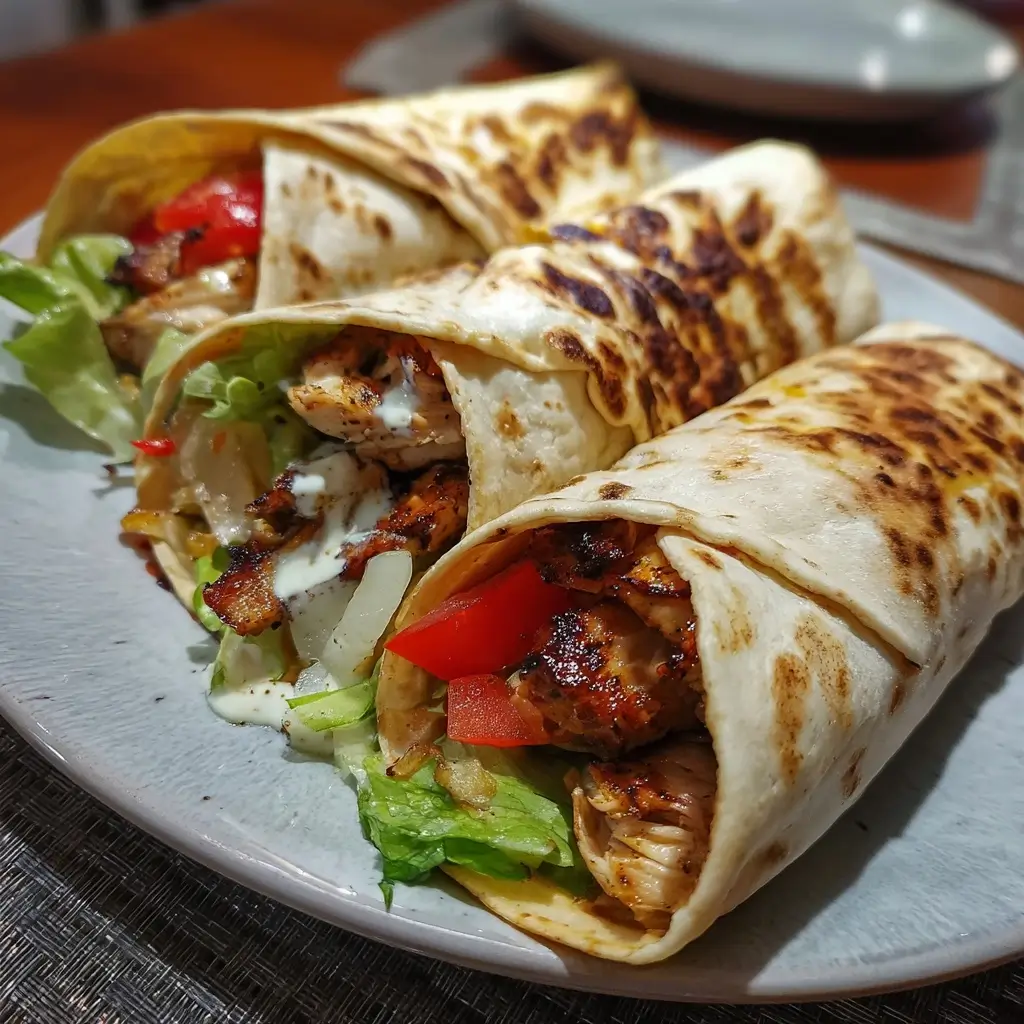
Chicken Shawarma Wraps are a vibrant, globally beloved street food sensation that marries Middle Eastern tradition with modern convenience and bold flavor. Originating from the Levant and popularized across the Arab world, Turkey, and beyond, this dish transforms tender, spice-rubbed chicken into an irresistible handheld meal—wrapped in warm, pillowy flatbread and crowned with cooling sauces, crisp vegetables, and aromatic garnishes. Whether enjoyed as a quick lunch, a satisfying dinner, or a crowd-pleasing party favorite, Chicken Shawarma Wraps offer layers of texture, heat, tang, and umami in every bite. Their adaptability makes them ideal for home cooks seeking restaurant-quality results without specialized equipment—and their growing popularity reflects a broader cultural appreciation for authentic, ingredient-driven, globally inspired cuisine.
The History
Shawarma traces its roots to the Ottoman Empire in the 19th century, evolving from earlier forms of vertical rotisserie cooking like Turkish doner kebab and Lebanese shish taouk. The word “shawarma” derives from the Arabic verb shawar, meaning “to turn” or “to rotate”—a direct nod to the iconic vertical spit on which marinated meat slowly roasts for hours. While lamb and beef were traditionally used, chicken shawarma emerged as a lighter, more accessible, and cost-effective alternative—particularly gaining prominence in Egypt, Lebanon, Syria, and later in diasporic communities across North America, Europe, and Australia. By the late 20th century, Lebanese and Palestinian immigrants brought shawarma culture to cities like Detroit, Los Angeles, and Toronto, where food trucks and corner markets reimagined it with local ingredients and contemporary flair. Today, Chicken Shawarma Wraps represent both culinary heritage and innovation—honoring centuries-old techniques while embracing dietary diversity, sustainability, and global palate preferences.
Ingredients Breakdown
Every exceptional Chicken Shawarma Wrap rests on three foundational pillars: the marinade, the protein, and the assembly components. The marinade is the soul of the dish—typically built on a base of full-fat plain yogurt (for tenderness and acidity), fresh lemon juice (brightness), and a robust blend of warm, earthy spices including ground cumin, coriander, smoked paprika, turmeric, cinnamon, cardamom, cloves, and black pepper. Garlic and grated ginger add pungent depth, while a touch of cayenne or Aleppo pepper introduces subtle heat. For the chicken, boneless, skinless thighs are strongly preferred over breasts—their higher fat content ensures juiciness and resilience during grilling, roasting, or pan-searing. The wrap itself is traditionally made from high-quality, pliable lavash, markook, or saj bread—but sturdy whole-wheat tortillas, gluten-free wraps, or even grilled pita pockets serve beautifully. Toppings are where personality shines: classic options include thinly sliced red onions soaked in lemon juice (for sharpness and crunch), shredded romaine or butter lettuce, pickled turnips (vibrant magenta, tart-sweet), and fresh herbs like parsley, mint, and cilantro. The sauce—often the crowning glory—can be tahini-based (whisked with lemon, garlic, and water), garlic toum (a Lebanese emulsified garlic sauce), amba (a tangy mango pickle condiment), or a creamy garlic-yogurt fusion. Optional luxury touches include crumbled feta, toasted pine nuts, pomegranate molasses drizzle, or preserved lemon zest.
Step-by-Step Recipe
- Marinate the Chicken: In a large non-reactive bowl, whisk together 1 cup full-fat plain yogurt, ¼ cup fresh lemon juice, 6 minced garlic cloves, 1 tbsp grated fresh ginger, 2 tbsp olive oil, 2 tsp ground cumin, 2 tsp ground coriander, 1½ tsp smoked paprika, 1 tsp ground turmeric, ½ tsp ground cinnamon, ¼ tsp ground cardamom, ⅛ tsp ground cloves, 1 tsp kosher salt, ½ tsp freshly ground black pepper, and a pinch of cayenne. Add 1.5 lbs (680g) boneless, skinless chicken thighs, cut into 1-inch strips. Massage marinade thoroughly into each piece. Cover and refrigerate for *at least 8 hours*, preferably 12–24 hours—this slow infusion is non-negotiable for deep flavor and tenderness.
- Prepare the Sauce: While chicken marinates, make your chosen sauce. For classic tahini sauce: whisk ½ cup well-stirred tahini paste, ⅓ cup fresh lemon juice, 2 minced garlic cloves, ½ tsp salt, and ¼ tsp ground cumin. Gradually stream in ⅓–½ cup cold water until smooth, glossy, and pourable (like heavy cream). Refrigerate until ready to use. For garlic toum: combine 1 cup peeled garlic cloves, 1 tsp salt, and 2 tbsp lemon juice in a food processor; blend until paste forms, then slowly drizzle in 1 cup neutral oil (e.g., grapeseed or canola) while blending continuously until thick, white, and emulsified. Chill at least 1 hour before serving.
- Cook the Chicken: Heat a heavy-bottomed cast-iron skillet or grill pan over medium-high heat. Lightly oil surface. Remove chicken from marinade (reserve excess marinade) and pat dry with paper towels—this ensures proper searing, not steaming. Cook in batches without overcrowding, turning occasionally, until deeply golden, caramelized, and cooked through (165°F internal temperature), about 6–8 minutes per batch. For oven roasting: arrange marinated chicken on a parchment-lined baking sheet; roast at 425°F (220°C) for 20–25 minutes, flipping halfway, until edges are crisp and centers are juicy. Optional step: broil 2–3 minutes at end for extra char.
- Prep Vegetables & Garnishes: Thinly slice 1 medium red onion and soak in ¼ cup lemon juice + ½ tsp salt for 10 minutes—then drain. Shred 2 cups romaine lettuce. Finely chop ¼ cup fresh parsley, 2 tbsp fresh mint, and 2 tbsp fresh cilantro. Prepare pickled turnips or quick-pickle red cabbage if using.
- Warm the Wraps: Heat flatbreads one at a time in a dry skillet over medium heat for 20–30 seconds per side until soft, pliable, and lightly spotted. Alternatively, wrap stacks in damp paper towels and microwave for 20 seconds. Keep wrapped in a clean kitchen towel to retain warmth and flexibility.
- Assemble the Wraps: Lay a warmed wrap flat. Spread 2 tbsp tahini or toum sauce in a horizontal band across center third. Layer ¾ cup cooked chicken strips evenly over sauce. Top with drained red onions, shredded lettuce, 1 tbsp pickled turnips, and a generous sprinkle of herbs. Drizzle with extra sauce (optional: a light swirl of pomegranate molasses or sumac-infused olive oil). Fold bottom edge up over filling, fold in both sides, then roll tightly from bottom to top—tucking firmly as you go. Optional: lightly toast seam-side down in skillet for 1 minute to seal.
- Serve Immediately: Serve wraps whole or cut diagonally. Accompany with extra sauce for dipping, lemon wedges, and a small side of tabbouleh or roasted cauliflower.
Tips
- Pat chicken dry before cooking—excess moisture prevents browning and encourages steaming instead of caramelization.
- Don’t skip the overnight marinade—acid and enzymes in yogurt break down muscle fibers for unparalleled tenderness; shorter marination yields less flavorful, firmer results.
- Use a meat thermometer—chicken thighs are forgiving, but accuracy ensures safety without overcooking. Target 165°F (74°C) at thickest part.
- Reserve 2 tbsp of raw marinade—boil it for 2 minutes to kill bacteria, then stir into finished sauce for intensified flavor continuity.
- Warm wraps just before assembling—cold or stiff bread cracks easily and won’t hold fillings. Never microwave unwrapped—steam loss causes toughness.
- Layer wet ingredients strategically—sauce first (creates barrier), then protein, then dry/crunchy elements (onions, lettuce)—this prevents sogginess and maintains structural integrity.
- Roll tightly but gently—apply even pressure to compact filling without squeezing out juices or bursting the wrap.
- For meal prep: cook chicken and make sauce up to 4 days ahead; store separately in airtight containers. Assemble wraps fresh—especially if using delicate greens or acidic toppings.
- Grill enthusiasts: thread marinated chicken onto skewers—cook over charcoal or gas for smoky depth and attractive grill marks.
- Restaurant-style presentation tip: Wrap finished shawarmas snugly in parchment paper, then foil—keeps steam in, retains heat, and provides elegant, portable packaging.
Variations and Customizations
Chicken Shawarma Wraps are inherently versatile—designed to reflect personal taste, regional influences, and dietary needs. For a Mediterranean Twist, swap traditional spices for za’atar, oregano, and dried mint; add crumbled feta, kalamata olives, and roasted red peppers. A Spicy Harissa Version incorporates 1–2 tbsp North African harissa paste into the marinade and tops with harissa-tahini swirl and preserved lemon. Vegan Shawarma replaces chicken with marinated king oyster mushrooms, seitan strips, or pressed, baked tofu—using identical spices and yogurt-free marinade (substitute coconut yogurt or aquafaba). Low-Carb/Keto Adapters ditch the wrap entirely—serve chicken and toppings over a bed of shredded cabbage or romaine “lettuce cups,” or wrap in large collard green leaves. Breakfast Shawarma adds a soft-scrambled egg layer, crumbled breakfast sausage, and a drizzle of harissa honey. Global Fusion Options include Korean-inspired gochujang-ginger marinade with kimchi slaw; Indian-spiced version with garam masala, mango chutney, and cucumber raita; or Mexican-California style with chipotle-lime marinade, avocado crema, pickled red onions, and cotija cheese. Gluten-free? Use certified GF flatbreads or rice paper wrappers. Nut-free? Ensure tahini is sesame-only (no almond or cashew blends). Allergen-conscious cooks can easily omit dairy (use coconut yogurt), eggs (not present in base recipe), or nuts (skip pine nuts).
Health Considerations and Nutritional Value
A well-balanced Chicken Shawarma Wrap is nutritionally rich and adaptable to numerous health goals. Using skinless chicken thighs provides lean protein (≈25g per 4-oz serving) plus heart-healthy monounsaturated fats, B vitamins (especially B6 and niacin), selenium, and zinc. The yogurt marinade contributes probiotics and calcium, while lemon juice enhances iron absorption from plant-based components. Spices like turmeric (curcumin), cinnamon (anti-inflammatory polyphenols), and garlic (allicin) offer potent antioxidant and immune-supportive benefits. When assembled mindfully, one standard wrap (using 1 large whole-wheat lavash, 5 oz chicken, 2 tbsp tahini sauce, veggies, and herbs) delivers approximately 520–620 calories, 38–45g protein, 22–30g carbohydrates (of which 6–9g fiber), and 24–32g total fat (mostly unsaturated). Sodium content varies widely—homemade versions average 650–850mg per wrap (well within daily limits), whereas commercial preparations may exceed 1,200mg due to added preservatives and seasoning blends. To reduce sodium: opt for low-sodium spices, skip pre-made pickles (make your own), and limit added salt in marinade. For lower-calorie versions: use Greek yogurt instead of tahini for sauce, load up on non-starchy vegetables (cucumber ribbons, sprouts, radish slices), and choose smaller wraps (8-inch vs. 12-inch). Diabetics will appreciate the low glycemic impact when paired with high-fiber bread and healthy fats—just monitor portion sizes and avoid sugary sauces (e.g., store-bought “garlic sauce” often contains hidden corn syrup). Those managing cholesterol should prioritize olive oil over saturated fats and enjoy moderate portions of tahini (rich in phytosterols shown to support healthy lipid profiles). Always consult a registered dietitian for personalized guidance—especially for conditions like IBS, GERD, or renal disease where individual tolerances vary significantly.
Ingredients
- For the Chicken Marinade: 1.5 lbs (680g) boneless, skinless chicken thighs, cut into 1-inch strips • 1 cup full-fat plain yogurt (not Greek) • ¼ cup fresh lemon juice (about 2 large lemons) • 6 garlic cloves, finely minced • 1 tbsp fresh ginger, grated • 2 tbsp extra-virgin olive oil • 2 tsp ground cumin • 2 tsp ground coriander • 1½ tsp smoked paprika • 1 tsp ground turmeric • ½ tsp ground cinnamon • ¼ tsp ground cardamom • ⅛ tsp ground cloves • 1 tsp kosher salt • ½ tsp freshly ground black pepper • Pinch of cayenne pepper (optional)
- For the Tahini Sauce: ½ cup well-stirred tahini paste • ⅓ cup fresh lemon juice • 2 garlic cloves, minced • ½ tsp kosher salt • ¼ tsp ground cumin • ⅓–½ cup cold water (as needed for consistency)
- For Assembly: 6–8 large soft flatbreads (lavash, markook, saj, or whole-wheat tortillas) • 1 medium red onion, very thinly sliced • ¼ cup fresh lemon juice (for soaking onions) • ½ tsp kosher salt (for soaking onions) • 2 cups shredded romaine or butter lettuce • ¼ cup fresh flat-leaf parsley, finely chopped • 2 tbsp fresh mint leaves, finely chopped • 2 tbsp fresh cilantro leaves, finely chopped • ½ cup pickled turnips (or quick-pickled red cabbage) • Optional: crumbled feta, toasted pine nuts, pomegranate molasses, sumac, extra virgin olive oil
Directions
- In a large non-reactive bowl, whisk together all marinade ingredients until smooth and fully combined. Add chicken strips and toss to coat evenly. Cover and refrigerate for 12–24 hours.
- Make tahini sauce: In a separate bowl, whisk tahini, lemon juice, garlic, salt, and cumin. Gradually add water, 1 tablespoon at a time, whisking vigorously until smooth, creamy, and pourable. Refrigerate until ready to use.
- Soak red onion slices in ¼ cup lemon juice and ½ tsp salt for 10 minutes. Drain and set aside.
- Heat a large cast-iron or heavy-bottomed skillet over medium-high heat. Lightly oil surface. Remove chicken from marinade (discard excess marinade or boil reserved portion for 2 minutes before using). Pat chicken dry with paper towels. Cook in batches, 6–8 minutes, until deeply browned and cooked through (165°F). Rest 3 minutes.
- Warm flatbreads individually in dry skillet or microwave (wrapped in damp towel) until soft and pliable.
- Assemble: Spread 2 tbsp tahini sauce across center of each wrap. Top with ¾ cup chicken, soaked onions, lettuce, herbs, and pickled turnips. Drizzle with extra sauce or pomegranate molasses if desired.
- Fold bottom edge up over filling, fold in both sides, then roll tightly from bottom to top. Serve immediately—or wrap in parchment + foil to keep warm and portable.
FAQ
- Can I use chicken breast instead of thighs?
- Yes—but thighs are strongly recommended. Breasts dry out easily and lack the fat needed to withstand long marination and high-heat cooking. If using breasts, reduce marination to 4–6 hours max, pound to even thickness, and cook quickly at high heat—checking temperature early (160°F) to prevent overcooking.
- How do I store leftovers?
- Cooked chicken and sauce can be stored separately in airtight containers in the refrigerator for up to 4 days. Do not store assembled wraps—they become soggy. Reheat chicken gently in skillet or microwave (covered, with 1 tsp water) to preserve moisture. Warm flatbreads fresh before assembling.
- Can I freeze marinated chicken?
- Absolutely. Marinate as directed, then transfer to freezer-safe bags, removing excess air. Freeze up to 3 months. Thaw overnight in refrigerator before cooking—do not cook from frozen, as uneven thawing affects texture and food safety.
- What’s the best way to get that authentic “grilled” flavor without a grill?
- A ripping-hot cast-iron skillet or grill pan delivers excellent char. For deeper smoke notes, add a few drops of liquid smoke to the marinade—or finish under the broiler for 2 minutes. Charcoal briquettes in a stovetop smoker box also work wonders.
- Is shawarma gluten-free?
- The chicken and marinade are naturally gluten-free—but verify all spice blends, sauces, and flatbreads are certified GF. Many Middle Eastern flatbreads contain wheat; look for 100% rice paper, cassava flour wraps, or gluten-free saj.
- Why does my tahini sauce seize or separate?
- Tahini is highly sensitive to temperature and acid balance. Always use room-temperature tahini and cold water. Whisk constantly while adding water slowly. If seized, keep whisking—it will eventually emulsify. Avoid substituting lemon juice with vinegar unless adjusted for pH.
- Can I make this in an Instant Pot or air fryer?
- Air fryer: Marinated chicken cooks beautifully at 375°F for 12–14 minutes, shaking basket halfway. Instant Pot: Use “Pressure Cook” on high for 8 minutes with ½ cup water, then quick-release. Both methods yield tender chicken—though skillet or oven gives superior caramelization.
- What’s the difference between shawarma, doner, and gyros?
- All use vertical rotisserie technique, but origins differ: Doner is Turkish (traditionally lamb), gyros is Greek (often pork or chicken with oregano/tzatziki), and shawarma is Levantine/Middle Eastern (chicken, lamb, or beef with warm spices and tahini/ambas). Preparation, spice profiles, and accompaniments distinguish them culturally.
- How spicy is traditional chicken shawarma?
- Authentically mild-to-medium—heat comes subtly from black pepper, cayenne, or Aleppo pepper—not chili bombs. Adjust spice levels freely: omit cayenne for kids, add harissa or chopped jalapeños for heat lovers.
- Can I prepare this for a crowd or potluck?
- Yes! Set up a DIY shawarma bar: Keep warm chicken in a chafing dish or slow cooker (on “warm”), sauces in squeeze bottles, veggies in chilled bowls, and flatbreads wrapped in heated towels. Provide tongs, napkins, and parchment paper for easy rolling. Guests assemble their own—ensuring freshness and customization.
Summary
Chicken Shawarma Wraps are a masterclass in layered flavor, cultural storytelling, and culinary flexibility—transforming humble ingredients into an unforgettable, globally resonant meal through thoughtful marination, skilled cooking, and vibrant assembly. Whether honoring centuries-old Levantine traditions or reinventing them with plant-based swaps, keto adaptations, or fusion flair, this dish remains endlessly expressive, deeply nourishing, and joyfully shareable.